Fully Synchronized Chain Line Simulator
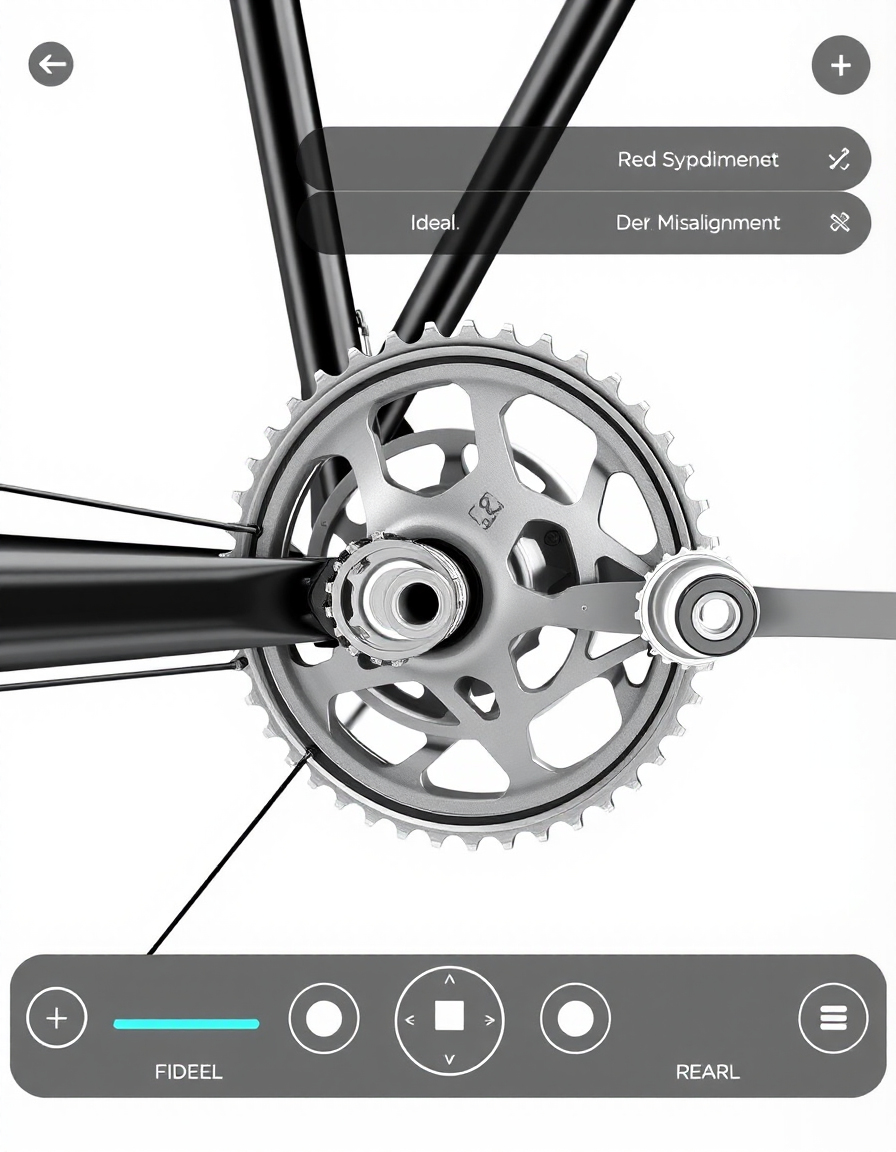
Achieving the perfect chainline alignment is essential for maximizing drivetrain efficiency, reducing wear, and improving overall ride performance. The Chainline Calculator PRO helps cyclists, mechanics, and bike builders instantly measure, analyze, and optimize their drivetrain setup with precision.
This interactive tool allows you to input your drivetrain configuration, including chainring size, cassette position, and crank offset, to calculate the exact chainline and detect misalignment issues that may affect performance or cause unnecessary drivetrain noise and friction.
Whether you're building a custom bike, tuning a high-performance e-bike, or simply optimizing your current setup, this tool provides clear, data-driven insights that help you achieve a smoother, more efficient ride with improved component longevity.
How to Use
- Select your drivetrain setup using Front Chainrings and Rear Cogs.
- Choose your bike category in the Bike Type field (Single Speed, MTB, or Road).
- Adjust the Chainline Slider to match your measured or desired chainline.
- Observe the real-time alignment visualization and chain angle in the canvas.
- Review the Status, Deviation, Efficiency, and Score to evaluate your setup.
- Save your configuration to compare different setups using the history panel.
Tips / Guide
- Aim for the lowest possible chainline deviation for optimal efficiency.
- Small adjustments in rear cog spacing can significantly improve alignment.
- Use the visual chain angle to quickly detect misalignment issues.
- Compare multiple setups using the history feature to find the best configuration.
- Avoid extreme chain angles, especially in high-torque e-bike setups.
Why It Matters
Proper chainline alignment directly affects drivetrain efficiency, noise levels, and component wear. Misalignment increases friction, reduces power transfer, and accelerates wear on the chain, cassette, and chainrings. By optimizing your chainline, you ensure smoother performance, longer component lifespan, and a more efficient ride overall.
Who Should Use This Tool
- Bike builders and mechanics fine-tuning drivetrain alignment.
- E-bike enthusiasts optimizing performance and efficiency.
- MTB and road cyclists looking to reduce drivetrain wear.
- DIY builders assembling custom drivetrain configurations.
- Anyone who wants a precise and visual way to improve bike drivetrain setup.
Saved Sessions
Chain Line Comparison by Bike Type
This table shows typical chain line ranges, hub standards, rear spacing, and tolerance limits for different bike types. Use it as a guide for drivetrain alignment and e-bike setup.
| Bike Type | Typical Chain Line | Hub Standard | Rear Spacing | Acceptable Deviation | Notes |
|---|---|---|---|---|---|
| Road Bike (2x / 1x) | 43.5–45 mm | QR / Thru-Axle | 130 / 135 mm | ±1 mm | High precision required for smooth front shifting. |
| MTB Non-Boost | 49–50 mm | QR / Thru-Axle | 142 mm | ±1.5 mm | Common on 142mm rear hubs. |
| MTB Boost | 52 mm | Thru-Axle | 148 mm | ±2 mm | Designed for wider hub spacing. |
| Fat Bike | 65–76 mm | Thru-Axle | 170–190 mm | ±2–3 mm | Wide spacing increases tolerance needs. |
| Mid-Drive E-Bike | 50–55 mm | Thru-Axle | 148–157 mm | ±2 mm | Critical for motor torque alignment and chain wear. |
| Single Speed / Track | 42–44 mm | Track / Fixed | 120 / 130 mm | ±0.5 mm | Very strict alignment to prevent chain derailment. |
What Happens If Chain Line Is Off by 3mm?
Even a small misalignment of 3mm in your bike or e-bike chain line can cause noticeable efficiency loss, uneven wear on sprockets, and increased stress on bearings. Using our Chain Line Alignment Checker, you can instantly visualize these effects and make corrections before damage occurs.
- Efficiency: Energy loss can increase by up to 5%.
- Sprocket Wear: Teeth may wear unevenly, reducing lifespan.
- Noise: Misaligned chains generate more friction and noise.
- Component Stress: Bearings and motor components endure extra strain.
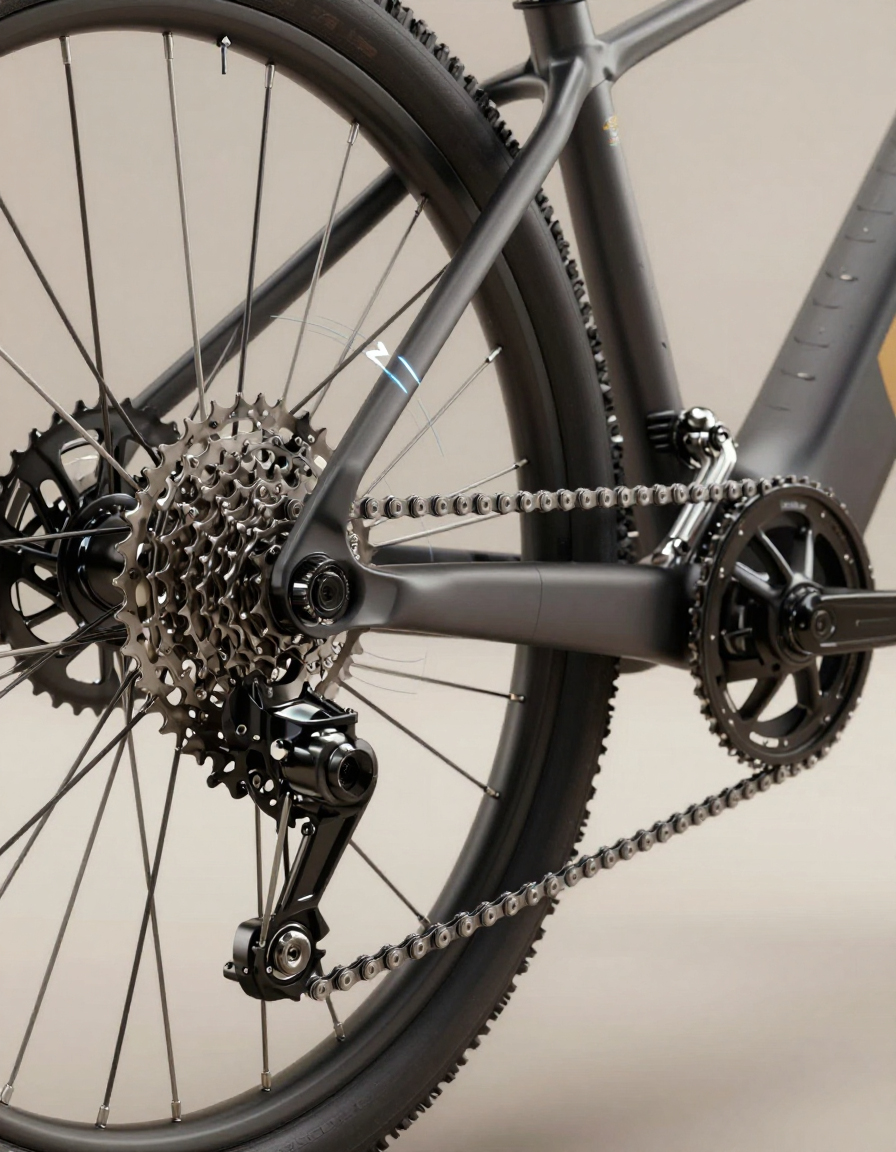
🧠 Mechanical Insight
Understanding the precise mechanical interactions in your e-bike or bicycle drivetrain helps reduce wear, improve efficiency, and extend the lifespan of components. Even small misalignments can create stress, heat, and noise — our tools visualize these effects instantly.
FAQs & Tips
-
Chain line refers to the alignment between the front chainring and rear cog. Proper alignment ensures smooth power transfer, reduces wear, and prevents noise or chain skipping.
-
Misalignment can cause increased friction, drivetrain noise, reduced efficiency, and faster wear on the chain, cassette, and chainring.
-
A deviation under 1mm is considered optimal. Between 1–2mm is acceptable, while anything above 3mm may lead to performance issues and should be corrected.
-
Yes — this tool is especially useful for mid-drive e-bikes where chain alignment is critical due to higher torque and motor load.
-
The tool provides a realistic visual approximation based on your inputs. While it’s not a physical measurement tool, it gives reliable guidance for alignment decisions.
-
You can adjust chain line by changing spacers, selecting a different bottom bracket, repositioning the chainring, or choosing a cassette with better alignment.
-
Yes — road bikes, MTB, and single-speed setups each have different ideal chain line values due to hub width and drivetrain design.
-
Absolutely. It helps DIY builders quickly test configurations and visualize alignment before assembling components.
Advanced FAQs & Pro Tips
-
Even small misalignments increase lateral chain forces, causing friction losses. A deviation of 2–3mm can reduce efficiency by several percent, especially under load in e-bikes.
-
Mid-drive motors apply torque directly through the chain. Poor alignment amplifies stress on the drivetrain, leading to faster wear and potential chain failure under high torque.
-
Bottom bracket or cassette spacers shift the chainring or cog position. Even a 1–2mm spacer adjustment can significantly improve alignment and reduce deviation.
-
Yes. Chainrings have different offsets depending on design. Switching to an offset chainring can correct chain line without changing the entire drivetrain setup.
-
For most 1x systems, the ideal chain line sits roughly in the center of the cassette to balance wear and optimize shifting performance across all gears.
-
Wider hubs (Boost, Fat Bike) push the cassette outward, requiring a wider chain line. This must be matched with the correct crankset or chainring offset.
-
Yes, small deviations (under ~1.5mm) are generally safe. However, long-term use with poor alignment will increase wear and reduce drivetrain lifespan.
-
Combine visual tools like this simulator with real measurements using calipers. Adjust spacers, chainring offset, or cassette positioning step-by-step until optimal alignment is achieved.
Similar Tools You May Like
📏 Crank Length Selector
Find the optimal crank length for comfort, efficiency, and better pedaling mechanics.
🛠️ E-Bike Component Matcher
Ensure compatibility between drivetrain, motor, and drivetrain components.

🔧 Compare Motors & Controllers
Compare performance and compatibility across different motor and controller setups.

⚡ E-Bike Motor Power Estimator
Estimate motor output and understand how drivetrain alignment impacts efficiency.
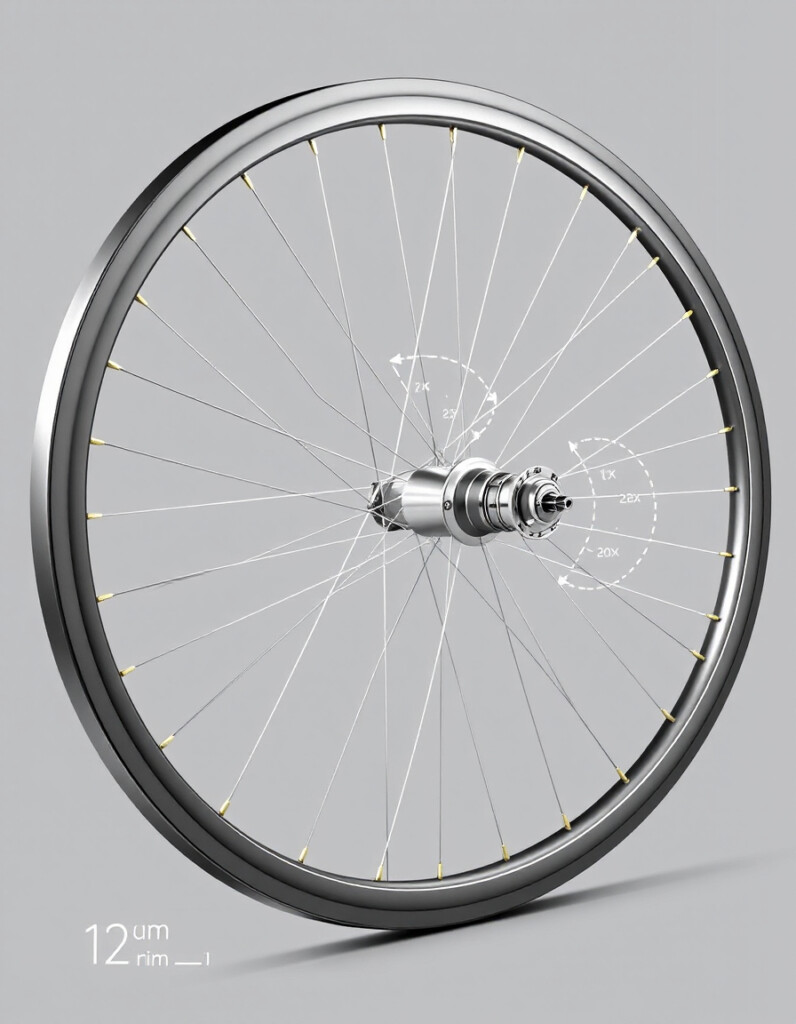
📏 Spoke Length Calculator
Build perfectly aligned wheels with accurate spoke length calculations.
🛞 Tire Pressure Advisor
Optimize rolling efficiency and reduce drivetrain stress with correct tire pressure.

📊 Ride Efficiency Tracker
Track how alignment, cadence, and setup affect your riding efficiency over time.

🚴 Advanced E-Bike Simulator
Simulate real-world riding conditions and understand how drivetrain setup impacts performance.
🔧 Similar Tools
This tool is part of the educational resources published on RideWattly. Results should be used as a reference only and not as professional engineering advice.