Crank Calculator
Result will appear here
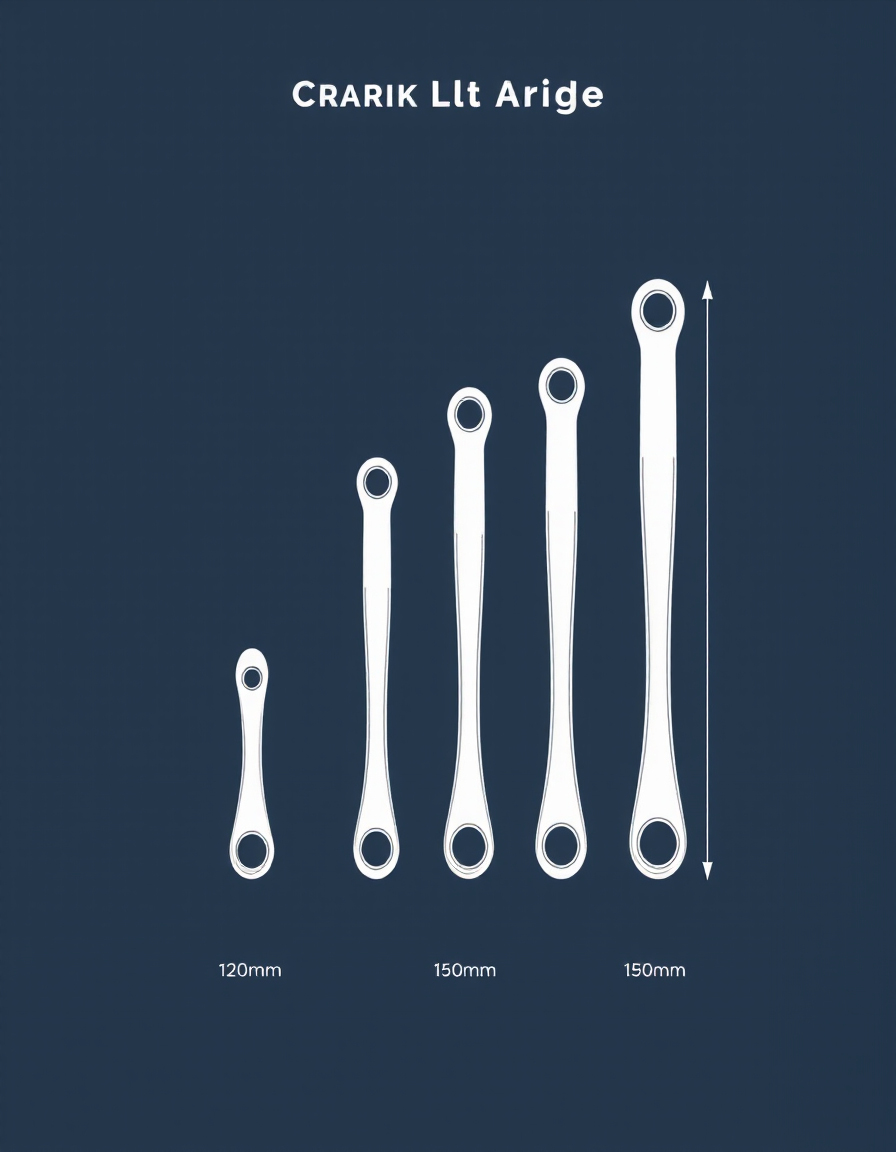
Choosing the correct crank length is one of the most important yet overlooked factors in cycling performance and bike fitting. The wrong crank size can affect cadence efficiency, increase knee stress, and reduce overall power transfer on the bike.
The Crank Length Selector analyzes your body proportions — including height, inseam, tibia length, riding style, and knee sensitivity — to generate a personalized recommendation tailored to your biomechanics rather than generic bike industry standards.
Small changes in crank length, such as moving from 170mm to 165mm, can significantly improve cadence smoothness, joint comfort, and long-distance efficiency. This is especially important for road cyclists, mountain bikers, and e-bike riders who experience different torque and load demands.
Whether you're optimizing for speed, endurance, climbing ability, or knee-friendly riding, this tool helps you find the ideal balance between leverage and comfort based on real biomechanical principles.
Crank length directly affects your cadence efficiency, power transfer, and joint health. Even small differences of 2.5–5mm can change how your knees, hips, and ankles move through each pedal stroke. Choosing the wrong crank size may lead to reduced performance, fatigue, or long-term discomfort.
A properly optimized crank length helps you ride smoother, maintain higher cadence with less effort, and reduce unnecessary stress on your joints — especially during long rides or high-torque e-bike usage.
Crank length directly influences cadence efficiency, torque production, joint stress, and overall pedaling mechanics. Even small changes — such as switching from 170mm to 165mm — can significantly alter how your body interacts with the bike.
Shorter cranks reduce the circular travel distance of each pedal stroke. This allows riders to maintain higher cadence with less hip and knee flexion, improving smoothness and reducing fatigue. Track riders and high-cadence road cyclists often benefit from slightly shorter crank arms.
Longer cranks increase leverage, theoretically generating more torque per pedal stroke. This can feel beneficial in climbing or high-load scenarios. However, increased leverage also increases joint compression forces.
Excessively long cranks can increase knee flexion angle, placing more stress on sensitive joints. Riders with knee discomfort often experience relief when switching to a slightly shorter crank length.
Two riders of the same height may require different crank lengths due to differences in inseam length and tibia proportions.
Most production bikes ship with 170mm or 172.5mm cranks by default. Fine-tuning crank length can improve:
The ideal crank length is about balancing cadence, torque, joint angles, and riding style.
Recalculate Your Optimal Crank Length →
Optimize your riding position for better comfort, efficiency, and biomechanics.
Convert cadence into speed and understand optimal pedaling efficiency.

Ensure optimal drivetrain alignment for smooth and efficient power transfer.

Simulate performance, torque, speed, and efficiency under real riding conditions.
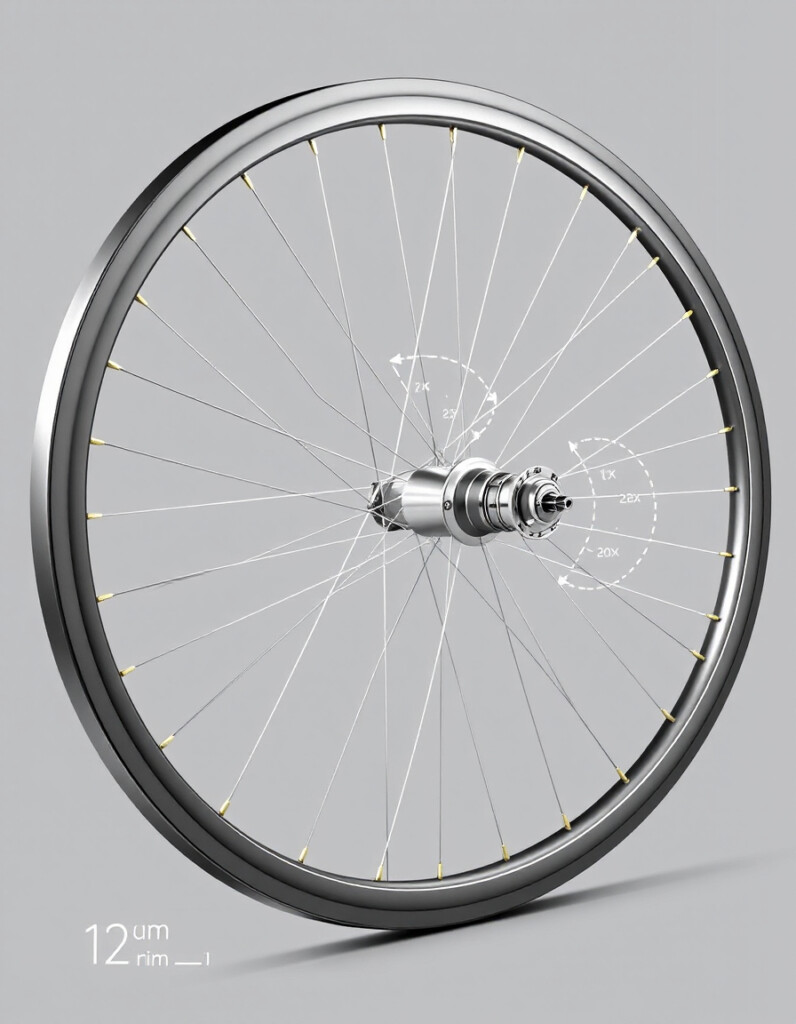
Calculate precise spoke length for custom wheel builds and geometry tuning.
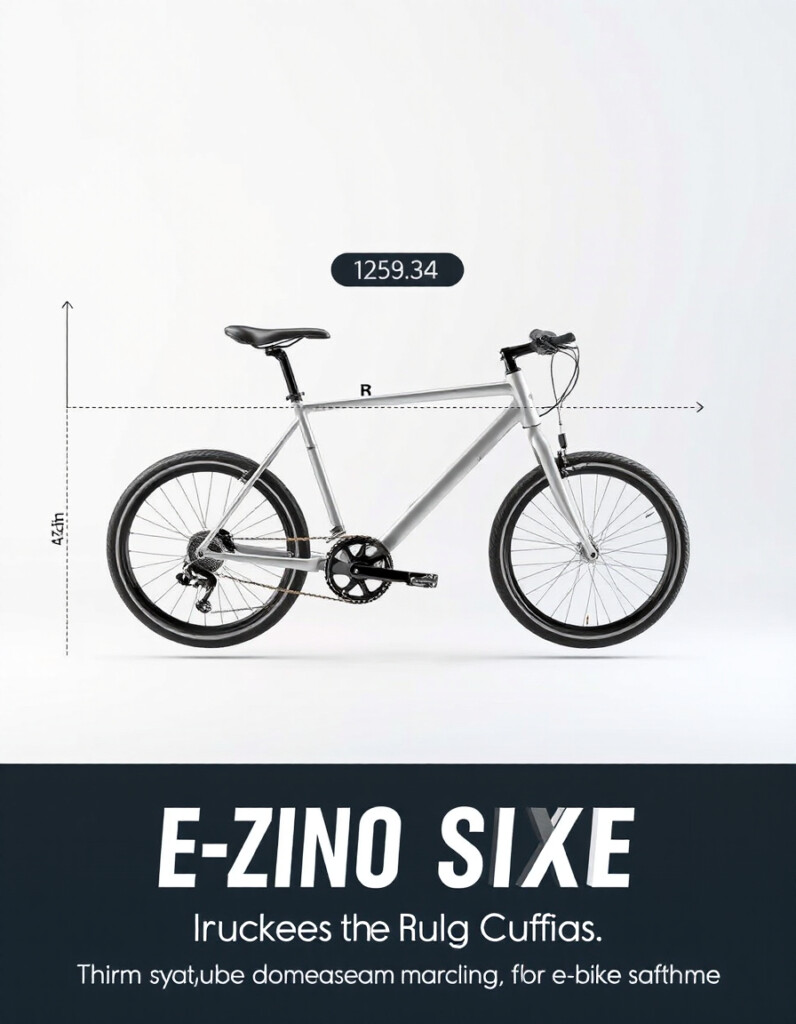
Find the perfect frame size based on body proportions and riding style.
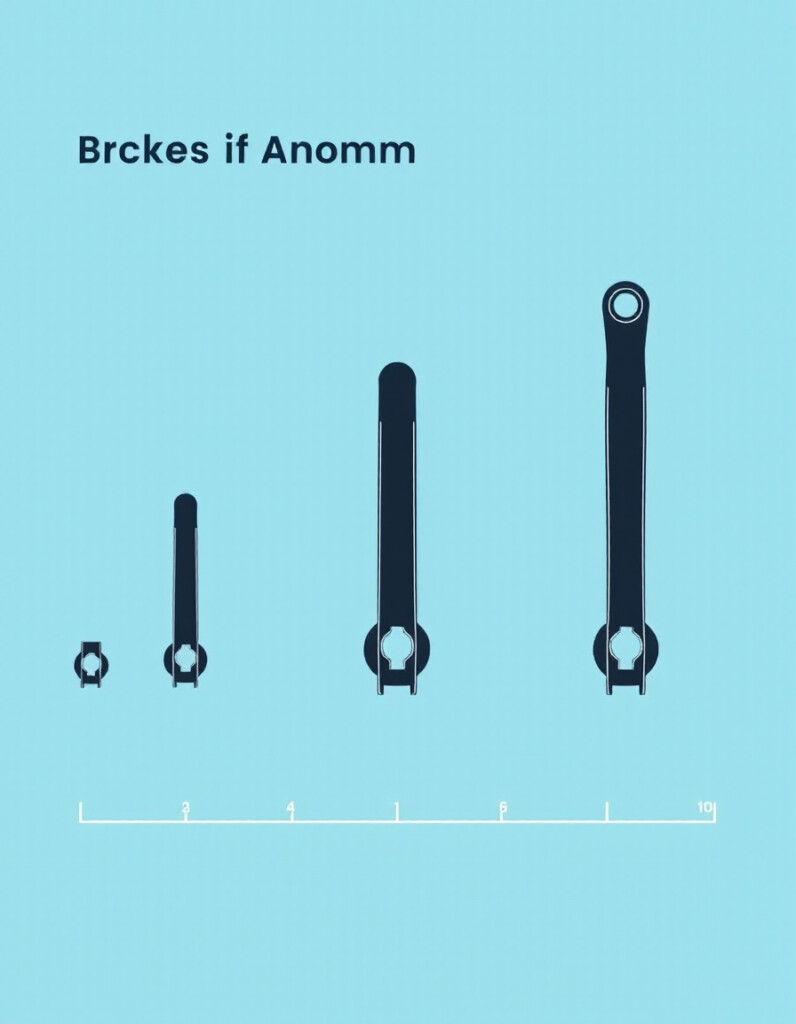
Calculate your optimal crank length based on biomechanics and riding style.

Estimate energy usage and riding efficiency based on load and terrain.
This tool is part of the educational resources published on RideWattly. Results should be used as a reference only and not as professional engineering advice.