⚡ Electric Drive Compatibility Calculator
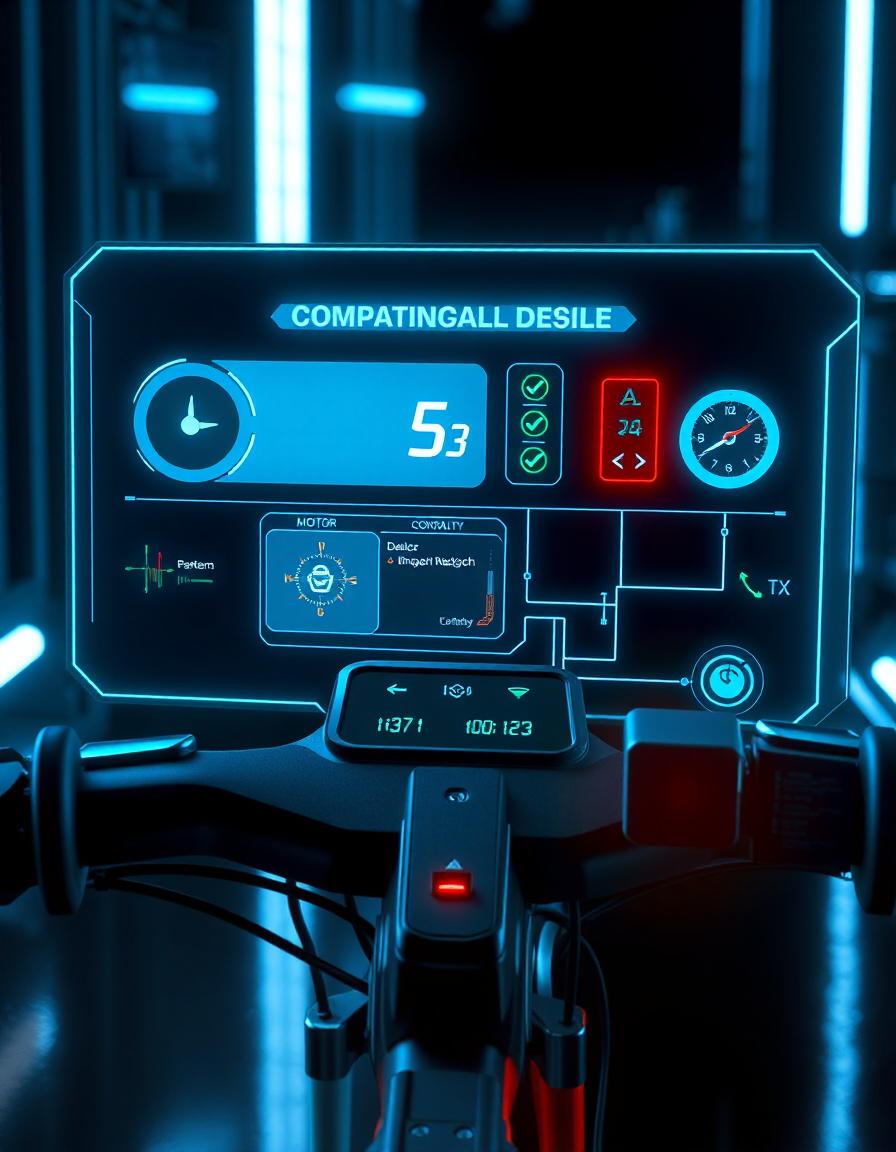
Matching your motor, controller, and battery correctly is the most critical step when building or upgrading an electric bike or scooter. A voltage mismatch, undersized controller, or insufficient battery discharge capability can cause overheating, poor performance, or even permanent damage.
RideWattly’s Electric Drive Compatibility Calculator instantly analyzes motor power, battery voltage, chemistry type, and efficiency factors to determine whether your system components are properly aligned. The tool calculates recommended controller current, required battery capacity (Ah), and estimated operating range — all in real time.
Whether you're building a 48V commuter setup, upgrading to a 60V performance system, or testing a 72V high-power configuration, this tool helps you avoid dangerous mismatches and optimize your electric drive system safely and efficiently.
Enter data to see recommendations.
Trends vs Motor Power (Line Chart)
±10% Combinations (Bubble)
FAQs & Tips
-
Mismatched components can cause overheating, voltage stress, reduced efficiency, or permanent damage. Proper compatibility ensures safe current flow, stable voltage, and optimal performance.
-
If the controller cannot supply enough current for your motor’s power rating, performance will be limited. Acceleration may feel weak, and peak power output will be restricted.
-
Only if both the motor and controller are rated for that voltage. Using higher voltage than supported may damage electronics or cause overheating.
-
Performance Mode simulates higher power demand, increasing recommended controller amperage and battery capacity to reflect sport or high-load riding conditions.
-
These advanced inputs allow experienced builders to simulate real-world inefficiencies, controller safety margins, and battery headroom for stress testing different configurations.
-
The tool provides engineering-based estimates using standard electric drive formulas. Always verify manufacturer specifications before final installation.
-
It visualizes safe operating combinations within a 10% tolerance range. Larger bubbles represent higher battery capacity (Ah), and the highlighted option shows the most balanced configuration.
-
Yes. Use the Export CSV or Export PDF buttons to save your compatibility analysis for documentation or workshop reference.
💎 Pro Tips for Safe Electric Drive Matching
-
Ensure your battery voltage matches both motor and controller ratings. A higher voltage than supported can damage electronics instantly.
-
Motor power (W) = Voltage × Current. If controller amperage is too low, your system will be bottlenecked and underperform under load.
-
Avoid running components at maximum rated capacity continuously. Add safety margin to prevent overheating and extend lifespan.
-
Li-ion and LiFePO4 cells have different discharge characteristics. Make sure your pack can safely deliver the required continuous current.
-
As wattage increases, thermal stress rises dramatically. Ensure adequate airflow, phase wire thickness, and controller cooling.
-
Toggle Performance Mode to simulate aggressive riding, hill climbs, and peak acceleration scenarios before committing to hardware.
-
Use the bubble chart to evaluate safe tolerance combinations. Small parameter changes can significantly affect system stability.
Related Tools & Resources
⚡ Motor Power vs Battery Output
Match motor wattage with real battery discharge capability and avoid current bottlenecks.

⚡ Voltage vs Amps Explorer
Understand how voltage and current interact to produce real motor power output.
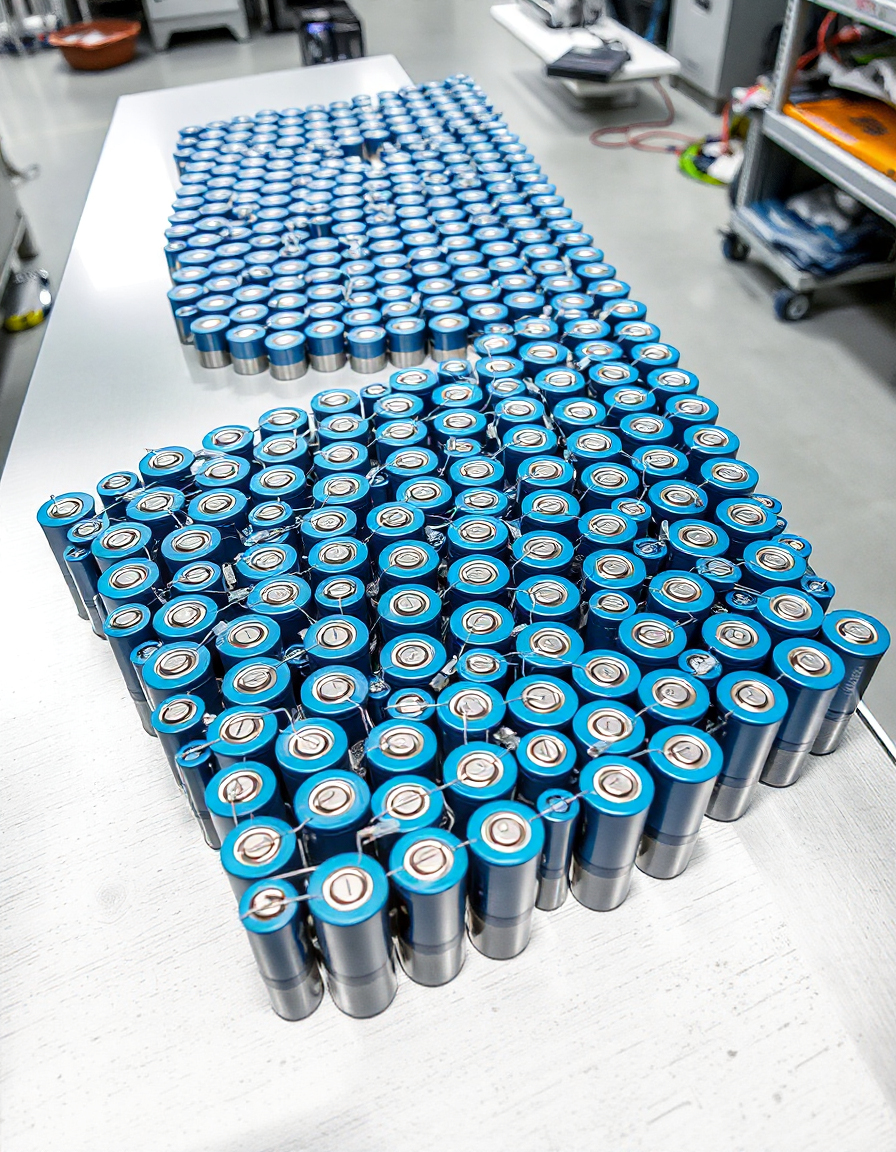
🔋 Battery Pack Builder
Design and visualize series/parallel battery configurations for safe power delivery.
🛠️ BMS Compatibility Checker
Verify that your Battery Management System supports your voltage and current requirements.
🧰 Battery Wiring Gauge Selector
Select the correct wire thickness (AWG) for safe high-current e-bike systems.

⚡ Battery Fuse Size Calculator
Determine proper fuse rating to protect your controller and battery pack.
🔧 Similar Tools
This tool is part of the educational resources published on RideWattly. Results should be used as a reference only and not as professional engineering advice.