💵 E-Bike Cost of Ownership
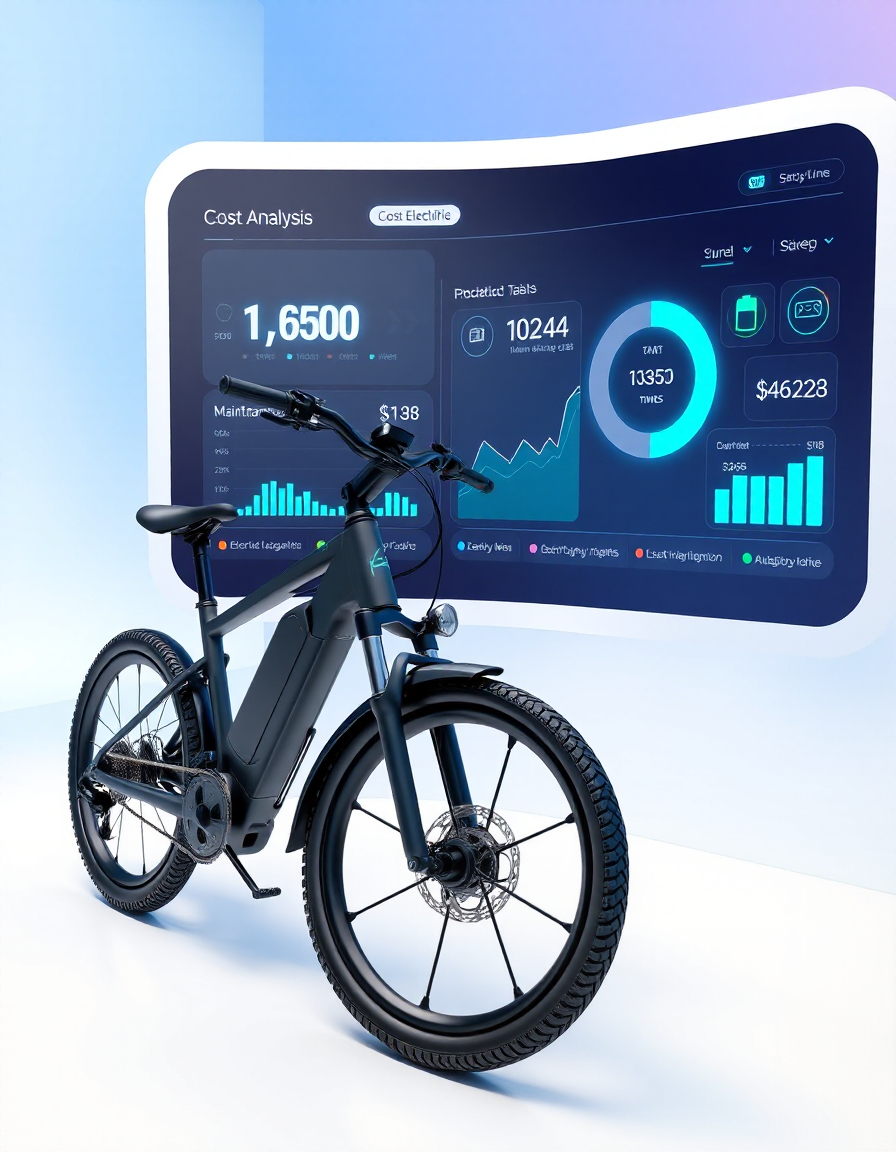
The cost of owning an e-bike includes much more than the initial purchase price. To understand the real financial impact of electric biking, riders must consider battery replacement, yearly maintenance, electricity costs, and riding distance. These factors determine the true long-term cost of an electric bike.
RideWattly’s E-Bike Cost of Ownership Calculator helps riders estimate the total annual and long-term cost of using an electric bicycle. By entering your bike price, battery lifespan, maintenance expenses, electricity cost per kilometer, and yearly riding distance, the tool calculates a realistic estimate of how much your e-bike actually costs per year.
This calculator is useful for commuters, e-bike enthusiasts, and electric mobility planners who want to compare transportation costs, analyze long-term savings, or determine whether an e-bike is more economical than a car, scooter, or public transportation.
Whether you're planning to buy your first electric bike or optimizing the economics of your current ride, this tool provides quick insights into annual ownership cost, battery replacement impact, and real cost per kilometer.
⚡ E-Bike Ownership Quick Facts
How the E-Bike Cost of Ownership Calculator Works
The E-Bike Cost of Ownership Calculator estimates the real cost of using an electric bike by combining several key financial factors. Instead of looking only at the purchase price, the calculator analyzes long-term expenses such as battery replacement, maintenance, and electricity usage.
By entering a few simple values, the tool calculates an estimated annual ownership cost and helps riders understand how much their electric bike actually costs over time.
Inputs Used in the Calculation
- Bike Purchase Price – The initial cost of the electric bike.
- Years of Use – The expected number of years you plan to use the bike.
- Battery Price – The cost of replacing the battery pack when it reaches the end of its lifespan.
- Battery Lifespan – The average number of years a battery lasts before replacement is required.
- Maintenance per Year – Estimated yearly costs for parts such as tires, brakes, chain, and servicing.
- Electricity Cost per Kilometer – The cost of charging the battery based on electricity prices and energy consumption.
- Kilometers per Year – The total distance you ride annually.
Using these values, the calculator estimates the total yearly cost of operating an e-bike and helps riders compare electric bike expenses with other transportation options such as cars, scooters, or public transit.
Why E-Bikes Are One of the Cheapest Vehicles to Own
Electric bikes are widely considered one of the most cost-efficient personal transportation options. Compared to cars, motorcycles, or even many scooters, e-bikes require significantly less energy, maintenance, and infrastructure to operate.
The primary expenses associated with owning an electric bike include the initial purchase price, occasional battery replacement, small yearly maintenance costs, and the electricity used to charge the battery. Because e-bike batteries are relatively small and efficient, the electricity cost per kilometer is usually extremely low.
For many riders, the cost of riding an e-bike can be only a few cents per kilometer. This makes electric bikes a popular choice for daily commuting, short urban trips, and eco-friendly mobility.
By understanding the full cost of ownership, riders can better compare an e-bike with other transportation methods and estimate potential savings over several years of use.
Typical E-Bike Ownership Cost Breakdown
The total cost of owning an electric bike usually consists of several key components. While the purchase price is the largest upfront investment, the long-term expenses are typically much smaller than other vehicles.
- Purchase Cost – The initial price of the electric bike.
- Battery Replacement – Most lithium e-bike batteries last between 2–5 years depending on usage.
- Maintenance – Components such as tires, brake pads, chains, and occasional servicing.
- Electricity for Charging – The cost of charging the battery based on energy consumption and electricity prices.
- Usage Distance – The more kilometers you ride each year, the lower the cost per kilometer usually becomes.
Understanding how these factors interact helps riders estimate their true annual e-bike cost and determine the long-term financial benefits of electric mobility.
FAQs & Tips
-
This tool estimates the real long-term cost of owning an electric bike. It calculates yearly expenses based on bike price, battery replacement, maintenance costs, electricity usage, and the number of kilometers you ride each year.
-
The calculator provides an estimate based on the values you enter. Actual costs may vary depending on electricity prices, riding conditions, battery quality, and maintenance needs.
-
Most lithium-ion e-bike batteries last between 2 and 5 years depending on riding habits, charging cycles, and storage conditions. Heavy daily commuting may shorten battery lifespan.
-
An electric bike usually consumes around 0.01 to 0.03 kWh per kilometer. This makes the electricity cost per kilometer extremely low compared to cars or motorcycles.
-
Typical yearly maintenance includes replacing brake pads, tires, chains, and occasional servicing. Compared to cars or motorcycles, e-bike maintenance costs are generally very low.
-
Yes. In most cases, the total cost of owning an e-bike is significantly lower than owning a car because there is no fuel cost, insurance, or expensive maintenance involved.
Advanced FAQs & Pro Tips
-
Ride efficiently, maintain proper tire pressure, charge the battery correctly, and avoid deep discharges. These habits can extend battery life and reduce long-term maintenance costs.
-
Electricity cost depends mainly on battery capacity, motor power, riding terrain, rider weight, and how often you use high assist levels.
-
The battery is usually the most expensive replacement component. Extending battery life from 3 to 5 years can significantly reduce the average yearly cost of owning an e-bike.
-
Common maintenance items include tires, brake pads, chains, cassettes, and occasional servicing. These costs are usually much lower than maintaining a car or motorcycle.
-
Yes. When you ride more distance each year, the fixed costs such as bike price and battery replacement are spread across more kilometers, lowering the cost per kilometer.
-
For many urban commuters, e-bikes can replace short car trips. This can dramatically reduce transportation expenses including fuel, parking, and insurance costs.
-
Riding uphill, carrying heavy loads, or using maximum assist levels increases energy consumption, which slightly increases electricity cost per kilometer.
-
Often yes. Higher-quality components and batteries tend to last longer, reducing maintenance and replacement costs over time.
Related Tools & Resources
📏 E-Bike Range Calculator
Estimate how far your e-bike can travel based on battery capacity, terrain, and rider weight.
🔋 E-Bike Consumption Calculator
Calculate energy usage and electricity consumption per kilometer for your electric bike.
💰 Battery Replacement Cost Predictor
Estimate future battery replacement costs based on battery lifespan and usage cycles.

💰 Battery Cycle Savings Calculator
Analyze how battery charging cycles affect long-term costs and energy savings.
⚡ E-Bike Motor Power Estimator
Estimate the required motor power for your e-bike based on weight, terrain, and desired speed for optimal performance.
🛞 Tire Pressure Advisor
Optimize tire pressure for better efficiency, ride comfort, and lower energy consumption.
🔧 Similar Tools
This tool is part of the educational resources published on RideWattly. Results should be used as a reference only and not as professional engineering advice.