Electric Bike Range Calculator
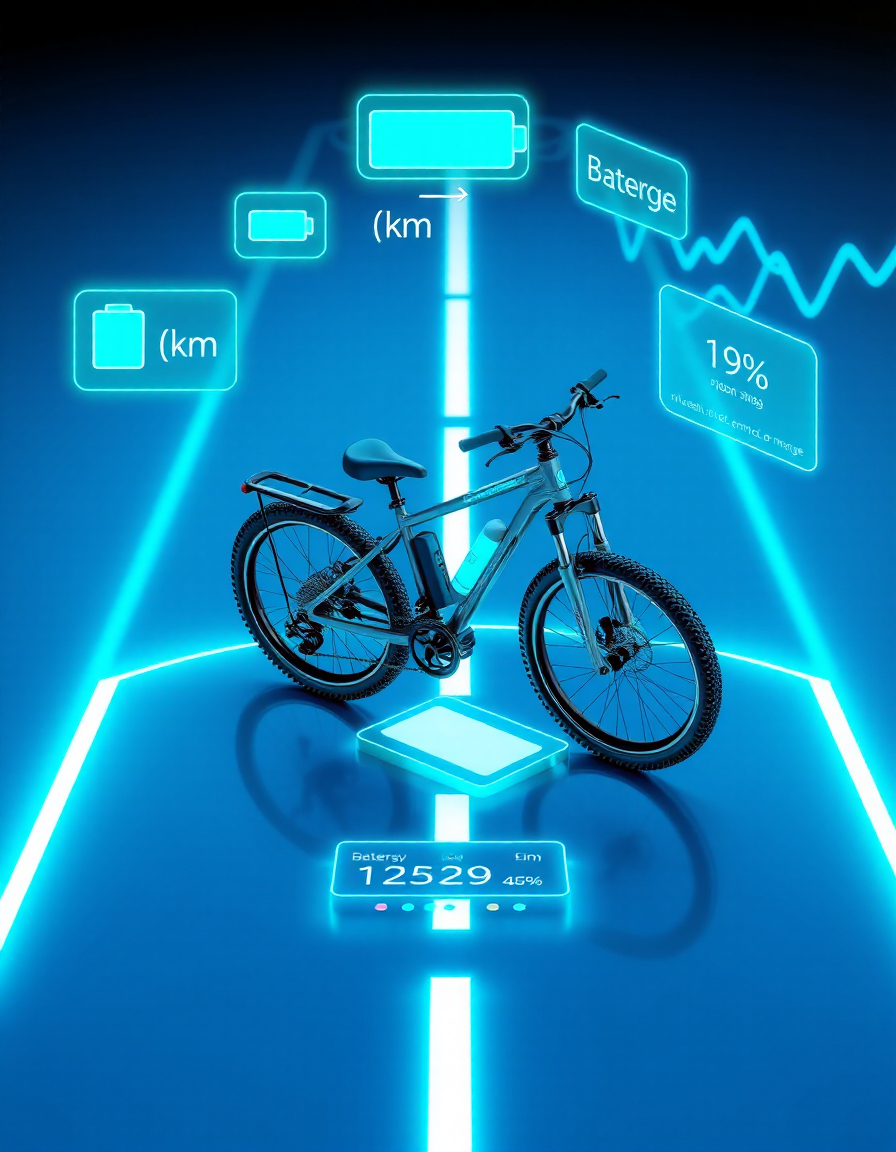
Understanding the real range of an electric bike is one of the most common questions for riders. Battery capacity alone does not determine how far an e-bike can travel. Factors like energy consumption (Wh/km), rider weight, terrain, and riding style all affect how quickly the battery is used.
RideWattly’s Electric Bike Range Calculator helps riders estimate their expected riding distance by combining battery capacity with real-world efficiency parameters. Instead of guessing how far your bike can go, the calculator converts battery energy into an estimated range based on your riding conditions.
Whether you are planning a commute, comparing battery sizes, or optimizing your e-bike setup, this tool provides a quick way to estimate how many kilometers your battery can realistically deliver. Simply enter your battery capacity, average energy consumption, rider weight, and terrain type to get an instant range estimate.
How the Electric Bike Range Is Calculated
The Electric Bike Range Calculator estimates how far your e-bike can travel by comparing the total energy stored in your battery with the average energy consumption per kilometer.
Battery capacity is typically expressed in watt-hours (Wh), which represents the total amount of energy available. Energy consumption is usually measured in watt-hours per kilometer (Wh/km), which indicates how much energy the motor uses for every kilometer of riding.
The basic range formula used in the calculator is:
Estimated Range = Battery Capacity (Wh) ÷ Consumption (Wh/km)
For example, if your battery stores 500Wh and your bike consumes 10Wh per kilometer, your theoretical maximum range would be about 50 km.
However, real-world riding conditions such as rider weight, terrain type, wind resistance, and riding style can significantly influence the final result. This calculator includes additional adjustments to produce a more realistic estimate.
Key Factors That Affect Electric Bike Range
Even with the same battery, the distance an electric bike can travel can vary widely depending on riding conditions. Understanding these factors helps riders estimate their real-world range more accurately.
-
Battery Capacity (Wh)
Larger batteries store more energy and therefore allow longer riding distances. For example, a 750Wh battery typically provides significantly more range than a 400Wh battery. -
Energy Consumption (Wh/km)
More efficient riding results in lower energy consumption and longer range. Aggressive acceleration or high speeds increase consumption and reduce distance. -
Rider Weight
Heavier riders require more motor power to maintain speed, which increases battery usage. -
Terrain
Flat urban roads require much less energy than steep hills or off-road terrain. Climbing hills is one of the biggest factors that reduces e-bike range. -
Assist Level
Higher motor assist levels provide more power but drain the battery faster. Lower assist levels significantly extend the riding distance.
Typical Electric Bike Energy Consumption
Electric bikes typically consume between 6Wh/km and 20Wh/km depending on speed, terrain, motor power, and rider weight. The table below shows common consumption ranges for different riding scenarios.
| Riding Scenario | Typical Consumption | Estimated Range (500Wh Battery) |
|---|---|---|
| Eco mode / flat city riding | 6 – 8 Wh/km | 60 – 80 km |
| Normal commuting | 9 – 12 Wh/km | 40 – 55 km |
| Mixed terrain riding | 12 – 15 Wh/km | 33 – 40 km |
| Hilly terrain | 15 – 18 Wh/km | 28 – 33 km |
| Aggressive riding / high assist | 18 – 22 Wh/km | 22 – 28 km |
These values are averages. Actual results depend on weather conditions, tire pressure, motor efficiency, and rider behavior. Use the calculator above to estimate a range that matches your specific setup.
FAQs & Tips
-
The calculator estimates how far an electric bike can travel using battery capacity (Wh), average energy consumption (Wh/km), rider weight, and terrain conditions. It converts battery energy into an estimated riding distance.
-
E-bike range is estimated by dividing the battery capacity in watt-hours (Wh) by the average energy consumption per kilometer (Wh/km). For example, a 500Wh battery using 10Wh/km may travel about 50 kilometers.
-
Most electric bikes can travel between 30 km and 80 km on a single charge. The exact distance depends on battery size, riding speed, terrain, assist level, and rider weight.
-
Typical electric bike energy consumption ranges from 6Wh/km to 20Wh/km. Efficient flat-road riding may use around 7–10Wh/km, while steep hills or aggressive riding may exceed 15Wh/km.
-
Yes. Heavier riders increase the load on the motor, which requires more energy and reduces the total riding range from the battery.
-
Absolutely. Riding uphill or on rough terrain requires more motor power and significantly increases energy consumption, reducing the total range.
-
Larger batteries such as 600Wh, 750Wh, or 1000Wh are better for long-distance rides because they store more energy and allow longer travel between charges.
-
Yes. Frequent acceleration, high speeds, and maximum assist levels can drain the battery much faster. Smooth riding with lower assist levels significantly improves range.
-
Low tire pressure increases rolling resistance, which forces the motor to use more energy. Properly inflated tires can improve efficiency and extend battery range.
-
Yes. RideWattly provides this calculator free of charge for riders, DIY builders, and e-bike enthusiasts who want to estimate battery performance and riding distance.
Advanced FAQs & Pro Tips
-
Real-world range can differ due to wind resistance, tire pressure, riding speed, temperature, and battery age. The calculator provides an estimate based on average efficiency values.
-
Lithium batteries lose efficiency in cold temperatures. Riding in cold weather can reduce available battery capacity by 10–30%, which shortens the total riding range.
-
Most e-bikes achieve the best efficiency between 18–25 km/h. Riding much faster increases aerodynamic drag and significantly increases energy consumption.
-
Use lower assist levels, maintain proper tire pressure, ride at steady speeds, reduce unnecessary weight, and avoid aggressive acceleration.
-
Yes. Higher power motors (750W or 1000W) can consume more energy when used aggressively, reducing range compared to smaller motors like 250W or 500W.
-
Voltage itself does not directly determine range. Range depends on total energy stored in the battery (Wh), which is calculated as Voltage × Amp Hours.
-
Regenerative braking can recover small amounts of energy when slowing down, but in most e-bikes it only increases total range by a few percent.
-
Range calculators provide useful estimates but cannot predict every real-world variable. They are best used for planning rides or comparing battery sizes.
Typical E-Bike Range by Battery Size
Electric bike range depends primarily on the total energy stored in the battery, usually measured in watt-hours (Wh). Larger batteries contain more energy and can power the motor for longer distances.
The table below shows typical estimated range values for common e-bike battery sizes based on average riding conditions.
| Battery Size | Typical Configuration | Estimated Range | Riding Conditions |
|---|---|---|---|
| 360Wh | 36V 10Ah | 25 – 40 km | Light city riding |
| 500Wh | 48V 10Ah / 36V 14Ah | 40 – 65 km | Urban commuting |
| 625Wh | 48V 13Ah | 50 – 80 km | Mixed terrain |
| 750Wh | 48V 15Ah | 60 – 100 km | Long rides |
| 1000Wh | 52V 19Ah | 80 – 140 km | Touring / long distance |
These values are averages based on consumption between 8Wh/km and 15Wh/km. Actual range may vary depending on rider weight, terrain, tire pressure, wind conditions, and motor assist level.
Use the Electric Bike Range Calculator above to estimate a range that matches your specific battery, riding style, and terrain conditions.
Understanding Battery Capacity: Wh vs Ah vs Voltage
Electric bike batteries are usually described using three key values: Voltage (V), Amp-hours (Ah), and Watt-hours (Wh). Understanding how these numbers work together helps you estimate the real range of your e-bike.
Voltage (V) represents the electrical pressure that powers the motor. Common e-bike systems use 36V, 48V, or 52V batteries.
Amp-hours (Ah) represent how much electrical charge the battery can store. A higher Ah value means the battery can deliver current for a longer time.
However, the most useful measurement for estimating range is Watt-hours (Wh), which represents the total energy stored in the battery.
The formula is simple:
Wh = Voltage × Amp Hours
For example:
- 36V × 10Ah = 360Wh
- 48V × 15Ah = 720Wh
- 52V × 19Ah = 988Wh
Higher watt-hour values usually mean longer riding range, assuming the same riding conditions. That is why most modern long-range e-bikes use batteries between 600Wh and 1000Wh.
Typical E-Bike Energy Consumption by Speed
The speed you ride at has a major impact on battery efficiency. As speed increases, aerodynamic drag grows quickly, which forces the motor to use more energy.
The table below shows typical energy consumption ranges for electric bikes at different speeds.
| Speed | Typical Consumption | Range with 500Wh Battery | Efficiency |
|---|---|---|---|
| 15 km/h | 6 – 8 Wh/km | 60 – 80 km | Very efficient |
| 20 km/h | 8 – 10 Wh/km | 50 – 65 km | Efficient commuting |
| 25 km/h | 10 – 13 Wh/km | 38 – 50 km | Typical assisted riding |
| 30 km/h | 13 – 16 Wh/km | 30 – 38 km | Higher power usage |
| 35 km/h | 16 – 20 Wh/km | 25 – 30 km | High consumption |
For the best balance between speed and efficiency, many riders cruise between 18–25 km/h, where the motor works efficiently and battery consumption remains relatively low.
Use the Electric Bike Range Calculator above to estimate how these consumption values affect your specific battery and riding conditions.
Real-World E-Bike Range Examples
The real distance an electric bike can travel varies depending on how the bike is used. Different riding styles, terrain types, and bike designs can significantly change energy consumption. Below are several typical real-world scenarios to help illustrate how battery capacity affects range.
| E-Bike Type | Battery Size | Typical Consumption | Estimated Range |
|---|---|---|---|
| City Commuter E-Bike | 500Wh | 8 – 10 Wh/km | 50 – 65 km |
| Urban Delivery / Cargo E-Bike | 750Wh | 12 – 16 Wh/km | 45 – 60 km |
| Mountain E-Bike (Trail Riding) | 625Wh | 14 – 18 Wh/km | 35 – 45 km |
| Long-Range Touring E-Bike | 1000Wh | 9 – 12 Wh/km | 80 – 110 km |
| High-Power Off-Road E-Bike | 1200Wh | 18 – 25 Wh/km | 45 – 65 km |
These examples demonstrate how the same battery capacity can produce very different range results depending on terrain, rider behavior, and bike design. Use the Electric Bike Range Calculator above to estimate the range based on your own battery, riding conditions, and efficiency values.
E-Bike Battery Voltage Comparison: 36V vs 48V vs 52V
Electric bike batteries commonly come in three voltage levels: 36V, 48V, and 52V. While voltage itself does not directly determine range, it affects motor performance, efficiency, and how power is delivered during acceleration and hill climbing.
When combined with battery capacity (Ah), voltage determines the total energy stored in the battery, measured in watt-hours (Wh). Higher watt-hour values generally provide longer riding range.
| Battery System | Common Capacity | Total Energy | Typical Range | Typical Use |
|---|---|---|---|---|
| 36V System | 36V 10–14Ah | 360–500Wh | 30 – 60 km | Light commuter e-bikes |
| 48V System | 48V 13–17Ah | 620–820Wh | 50 – 90 km | Standard commuter and trekking e-bikes |
| 52V System | 52V 17–20Ah | 880–1040Wh | 70 – 120 km | High-performance or long-range e-bikes |
Higher voltage systems can deliver power more efficiently and often provide better acceleration and hill-climbing performance. However, the total battery energy (Wh) remains the most important factor when estimating range.
Use the Electric Bike Range Calculator above to estimate how different battery configurations affect your real riding distance.
Related Tools & Resources
🔋 E-Bike Consumption Calculator
Calculate your e-bike energy consumption for precise range estimates.

📉 Battery Efficiency Loss Calculator
Understand how BMS, cables, and connectors affect real usable battery energy.
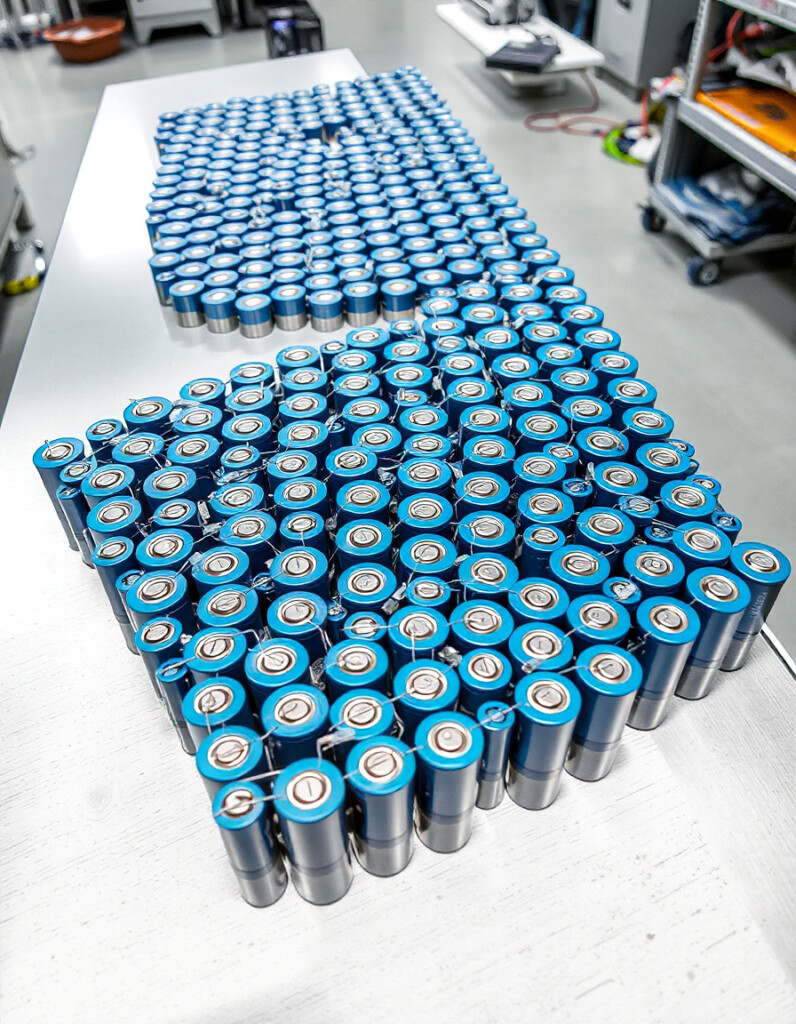
🧩 Battery Pack Builder Visualizer
Design and visualize battery packs for e-bikes and scooters.

📄 C-Rate Calculator
Calculate safe charge and discharge rates for your e-bike cells and packs.

🔋 Battery Voltage Drop Calculator
Estimate voltage drop under load to optimize e-bike performance.
🗺️ Smart Route Planner
Plan efficient e-bike routes with real-time terrain and energy consumption insights.
🔧 Similar Tools
This tool is part of the educational resources published on RideWattly. Results should be used as a reference only and not as professional engineering advice.