Find Your Perfect E-Bike
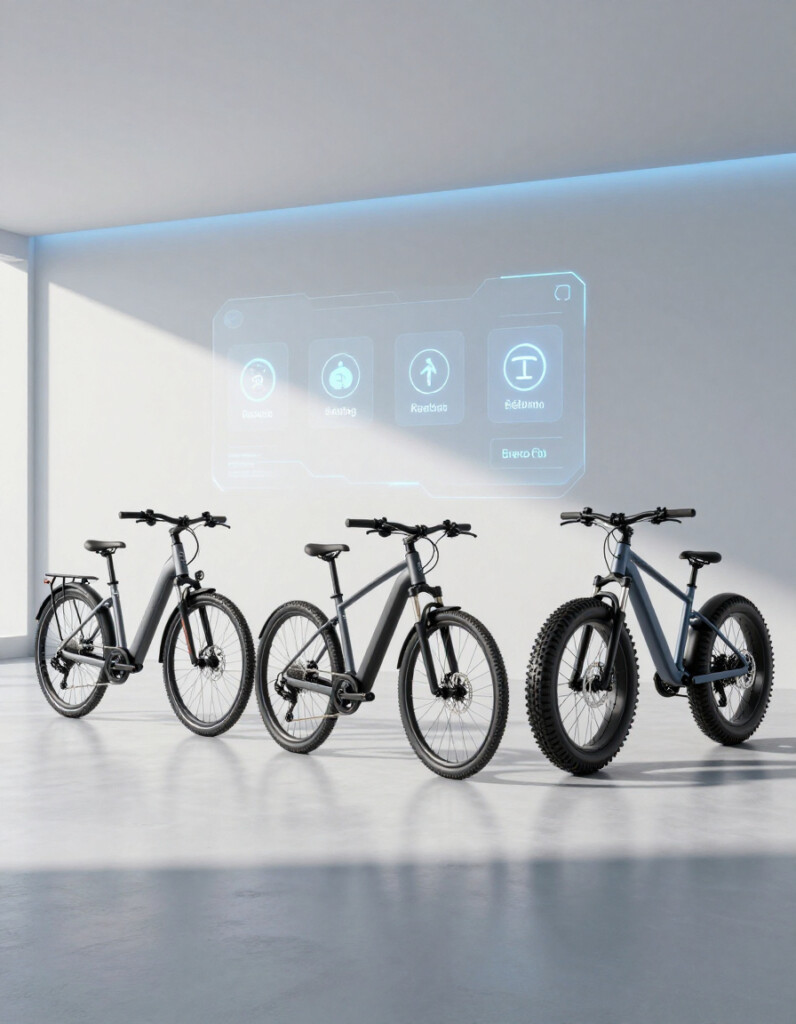
Choosing the right electric bike can be confusing. With hundreds of models available — from lightweight urban commuters to powerful mountain e-bikes — riders often struggle to match their riding style, terrain, range needs, and budget with the right bike.
RideWattly’s E-Bike Finder Tool helps simplify the process. By answering a few quick questions about how you ride, where you ride, and what features matter most, the tool analyzes your preferences and suggests the type of electric bike that fits you best.
Whether you're looking for a daily commuting e-bike, a rugged off-road mountain e-bike, a comfortable leisure bike, or a practical cargo model for errands and passengers, this smart matching tool provides a fast way to discover the ideal e-bike category for your needs.
Key Factors When Choosing an E-Bike
Before choosing an electric bike, it's important to understand the main factors that affect performance, comfort, and overall riding experience. Different riders have very different needs, and the best e-bike for one person may not be ideal for another.
-
Riding Purpose
Daily commuting, recreational riding, fitness training, and off-road adventures all require different types of e-bikes. Urban commuters typically prioritize comfort and efficiency, while mountain riders need durability and powerful motors. -
Terrain Type
Smooth paved roads allow for lighter and more efficient e-bikes, while rough terrain, gravel, and trails require suspension systems, wider tires, and stronger frames. -
Battery Range
Battery capacity determines how far you can ride on a single charge. Riders who travel long distances each day should prioritize larger batteries and efficient motor systems. -
Motor Power
Higher motor power helps with steep hills, cargo carrying, and off-road riding. Lower power systems are often lighter, quieter, and more efficient for city commuting. -
Comfort and Accessories
Features like suspension forks, ergonomic saddles, integrated lights, racks, and fenders can significantly improve everyday usability and riding comfort.
Common Types of Electric Bikes
Electric bikes come in several categories designed for different riding styles. Understanding these categories can help you quickly narrow down the best option for your needs.
-
Commuter E-Bikes
Designed for daily urban travel, commuter e-bikes focus on efficiency, comfort, and practical features like racks, lights, and fenders. They are ideal for replacing car trips and public transportation. -
Mountain E-Bikes (E-MTB)
Built for trails and rough terrain, mountain e-bikes feature powerful motors, wide tires, and suspension systems to handle steep climbs and technical trails. -
Folding E-Bikes
Compact and portable, folding e-bikes are perfect for riders who combine cycling with public transportation or need easy storage in apartments or offices. -
Cargo E-Bikes
Cargo e-bikes are designed to carry passengers, groceries, or heavy loads. They are popular among families and urban riders replacing car trips. -
Leisure and Comfort E-Bikes
These bikes prioritize relaxed riding positions, smooth handling, and comfort for casual weekend rides and recreational cycling.
How This E-Bike Finder Works
The RideWattly E-Bike Finder uses a simple smart-matching system to recommend the type of electric bike that best fits your riding needs. Instead of browsing through hundreds of models, the tool evaluates a few key factors that influence how an e-bike performs in real-world riding.
When you answer the questions in the tool, the system analyzes several aspects of your riding habits, including:
- Daily riding distance – determines the battery capacity and range you may need.
- Terrain type – helps identify whether a commuter bike, hybrid model, or mountain e-bike would perform better.
- Primary riding purpose – commuting, recreation, cargo carrying, or fitness riding all require different bike characteristics.
- Budget range – helps narrow down realistic categories and feature sets.
- Comfort and accessories – determines whether a minimalist setup or a fully equipped city e-bike is the better choice.
Based on your answers, the tool provides a recommended e-bike category that matches your riding style, helping you focus your search on the most suitable types of electric bikes available.
Who Should Use This E-Bike Finder Tool?
Choosing the right electric bike can be difficult, especially for new riders. This tool is designed to help different types of riders quickly understand which e-bike category best matches their needs.
-
First-time e-bike buyers
If you're new to electric bikes, this tool helps simplify the decision process and gives you a clear starting point before comparing specific models. -
Urban commuters
Riders who plan to replace car trips with an e-bike can use the tool to identify efficient commuter models designed for daily city travel. -
Adventure and trail riders
Cyclists interested in exploring off-road trails can discover whether a mountain e-bike or hybrid model is better suited for their terrain. -
Families and cargo riders
People who plan to carry passengers, groceries, or gear can learn whether a cargo-focused electric bike would be the most practical option. -
Casual recreational riders
Weekend riders looking for comfort and ease of use can quickly identify relaxed and comfortable e-bike categories.
Whether you're commuting daily, riding for fun, or replacing short car trips, this tool provides a quick and simple way to narrow down the best electric bike style for your lifestyle.
1. What is your primary purpose for using an e-bike?
2. How many kilometers do you ride on average per day?
3. What type of terrain will you mostly ride on?
4. What is your approximate budget?
5. Do you prefer a lightweight and compact e-bike or a powerful and sturdy one?
6. How important is ride comfort for you?
7. Do you want integrated accessories (like racks, lights, fenders)?
8. Will you need to carry passengers or cargo?
Recommended E-Bike Types Based on Your Riding Style
Electric bikes come in several categories designed for different riding styles and daily needs. Based on the answers you provide in the RideWattly E-Bike Finder, the tool suggests the category that best fits your riding habits, terrain, and expectations.
🚲 Commuter E-Bikes
Commuter electric bikes are ideal for daily city travel. They usually feature comfortable geometry, integrated lights, racks, and efficient motors designed for smooth riding on paved roads.
Best for riders who travel to work, run errands, or replace short car trips with an efficient and eco-friendly transportation option.
🏔 Mountain E-Bikes (E-MTB)
Mountain e-bikes are built for trails, hills, and rough terrain. They include powerful motors, suspension systems, and wide tires to provide control and stability on challenging surfaces.
Ideal for riders who enjoy off-road adventures, climbing steep terrain, and exploring forest trails or gravel paths.
🛍 Cargo E-Bikes
Cargo electric bikes are designed to carry passengers, groceries, or heavy loads. They feature strong frames, extended racks, and high-torque motors capable of handling additional weight.
Perfect for families, delivery riders, and anyone who wants to replace car trips with a practical electric bike solution.
🌿 Leisure & Comfort E-Bikes
Comfort-focused e-bikes prioritize relaxed riding positions, smooth handling, and easy usability. They are great for casual rides, weekend cycling, and recreational exploration.
Best suited for riders who value comfort, stability, and a relaxed riding experience rather than speed or performance.
Understanding these categories makes it easier to focus your search when comparing specific models, battery sizes, motor power levels, and additional features available in the market.
Common Mistakes When Choosing an E-Bike
Buying an electric bike is an important investment, but many riders make common mistakes when selecting their first model. Understanding these pitfalls can help you choose an e-bike that truly fits your daily needs and riding style.
-
Choosing based only on price
While budget is important, focusing only on the lowest price may lead to poor battery quality, weak motors, or limited range. A slightly higher investment can significantly improve durability and performance. -
Ignoring battery range
Many riders underestimate how far they travel each day. Choosing a bike with insufficient battery capacity may require frequent charging and reduce overall convenience. -
Picking the wrong type of e-bike
Commuter, mountain, cargo, and comfort e-bikes are built for very different purposes. Selecting the wrong category can affect both performance and riding comfort. -
Underestimating terrain difficulty
If your route includes steep hills or rough terrain, you may need a more powerful motor or a mid-drive system rather than a lightweight urban commuter bike. -
Overlooking comfort and accessories
Features like suspension forks, ergonomic saddles, racks, lights, and fenders can greatly improve everyday usability and comfort, especially for commuting riders. -
Not considering cargo or passenger needs
If you plan to carry groceries, children, or gear, choosing an e-bike with proper cargo capacity and frame strength is essential.
Tools like the RideWattly E-Bike Finder help riders avoid these mistakes by analyzing riding habits, terrain, and personal preferences to recommend the most suitable electric bike category.
FAQs & Tips
-
The tool analyzes your riding style, terrain, daily distance, budget, and comfort preferences to recommend the most suitable type of electric bike for your needs.
-
No. The tool focuses on identifying the most suitable e-bike category such as commuter, mountain, cargo, or leisure bikes so you can narrow your search before comparing specific models.
-
The recommendations are based on common riding patterns and e-bike design principles. They provide a helpful starting point, but final decisions should consider real specifications and test rides.
-
Yes. The tool is especially useful for beginners who are unsure which type of electric bike fits their lifestyle, commuting distance, or terrain conditions.
-
Key factors include riding distance, terrain type, motor power, battery range, comfort features, and whether you need cargo capacity or passenger capability.
-
Yes. RideWattly provides this tool free of charge to help riders better understand electric bike categories and choose the right type for their needs.
E-Bike Buying Questions
-
The best commuter e-bike typically has a comfortable upright riding position, reliable motor assistance, integrated lights, racks, and a battery range of at least 40–70 km. Commuter e-bikes are designed for efficiency, comfort, and daily urban travel.
-
Most modern e-bikes can travel between 30 km and 100 km on a single charge depending on battery capacity, rider weight, terrain, motor power, and assist level. Larger batteries and efficient riding styles increase the possible range.
-
For city commuting, 250W–500W motors are usually sufficient. Riders who climb steep hills, carry cargo, or ride off-road often prefer 500W–750W motors for stronger acceleration and climbing ability.
-
Yes. Electric bikes are excellent for hills because the motor provides pedal assistance. Mid-drive motors and higher torque motors are particularly effective for steep climbs and mountainous terrain.
-
Most beginners start with commuter or hybrid electric bikes because they provide a balanced combination of comfort, stability, and ease of use. These bikes are ideal for daily riding and learning how electric assistance works.
-
Choosing the right e-bike depends on several factors including your riding distance, terrain type, comfort preferences, cargo needs, and budget. Tools like the RideWattly E-Bike Finder help match these factors to the most suitable e-bike category.
Advanced E-Bike Tips
-
Most electric bikes offer between 30 km and 100 km of range depending on battery size, terrain, rider weight, assist level, and wind conditions.
-
Larger batteries increase range but also add weight and cost. The best choice depends on your daily riding distance and charging availability.
-
Riders in hilly areas often prefer 500W–750W motors or mid-drive systems because they provide higher torque and better climbing performance.
-
Mid-drive motors provide better weight distribution and climbing efficiency, while hub motors are simpler, quieter, and often more affordable.
-
Wider tires improve stability and comfort on rough terrain, while narrower tires roll faster and are more efficient on paved roads.
-
If you regularly carry heavy loads or passengers, cargo e-bikes provide stronger frames, higher torque motors, and extended racks for stability and safety.
-
Suspension improves comfort and control on rough terrain. For city commuting, a front suspension fork is usually sufficient.
-
The tool helps identify the best e-bike category for your needs, but test riding different models is still recommended before making a final purchase.
Frequently Asked Questions About Choosing an E-Bike
How do I choose the right electric bike for me?
The best way to choose an electric bike is to consider your riding purpose, terrain, travel distance, and comfort preferences. Commuting riders usually benefit from lightweight urban e-bikes, while off-road riders need mountain e-bikes with stronger motors and suspension. Tools like the RideWattly E-Bike Finder simplify the process by matching your needs with the most suitable bike type.
What type of e-bike is best for commuting?
Commuter e-bikes are typically lightweight, efficient, and designed for paved roads and bike paths. They often include practical features such as racks, lights, and fenders, making them ideal for daily transportation to work, school, or errands.
How far can an electric bike go on a single charge?
Most electric bikes can travel between 40 km and 120 km (25–75 miles) on a single charge, depending on battery size, motor power, terrain, rider weight, and assistance level. High-capacity batteries are recommended for longer commutes or frequent riding.
What motor power should an e-bike have?
Motor power depends on the terrain and riding style. Flat city commuting usually works well with 250W–500W motors, while hilly areas or off-road riding may benefit from more powerful motors or mid-drive systems that deliver better torque and climbing ability.
Are electric bikes good for long rides?
Yes. Many modern e-bikes are designed for long rides and touring. Comfortable frames, larger batteries, and adjustable assistance levels make them suitable for extended travel while reducing fatigue compared to traditional bicycles.
Is an e-bike worth it for everyday transportation?
For many riders, electric bikes are an excellent alternative to cars or public transportation. They reduce commuting time, lower transportation costs, and provide a convenient, eco-friendly way to travel around cities and suburbs.
Related Tools & Resources

📏 E-Bike Range Calculator
Estimate your e-bike range based on battery, motor, and terrain.

🎨 E-Bike Wiring Color Helper
Visual guide for wiring colors of motors, controllers, and sensors.
🛞 Tire Pressure Advisor
Check and optimize your e-bike or e-scooter tire pressure.
🗺️ Smart Route Planner
Plan efficient routes for e-bikes and scooters with real-time data.
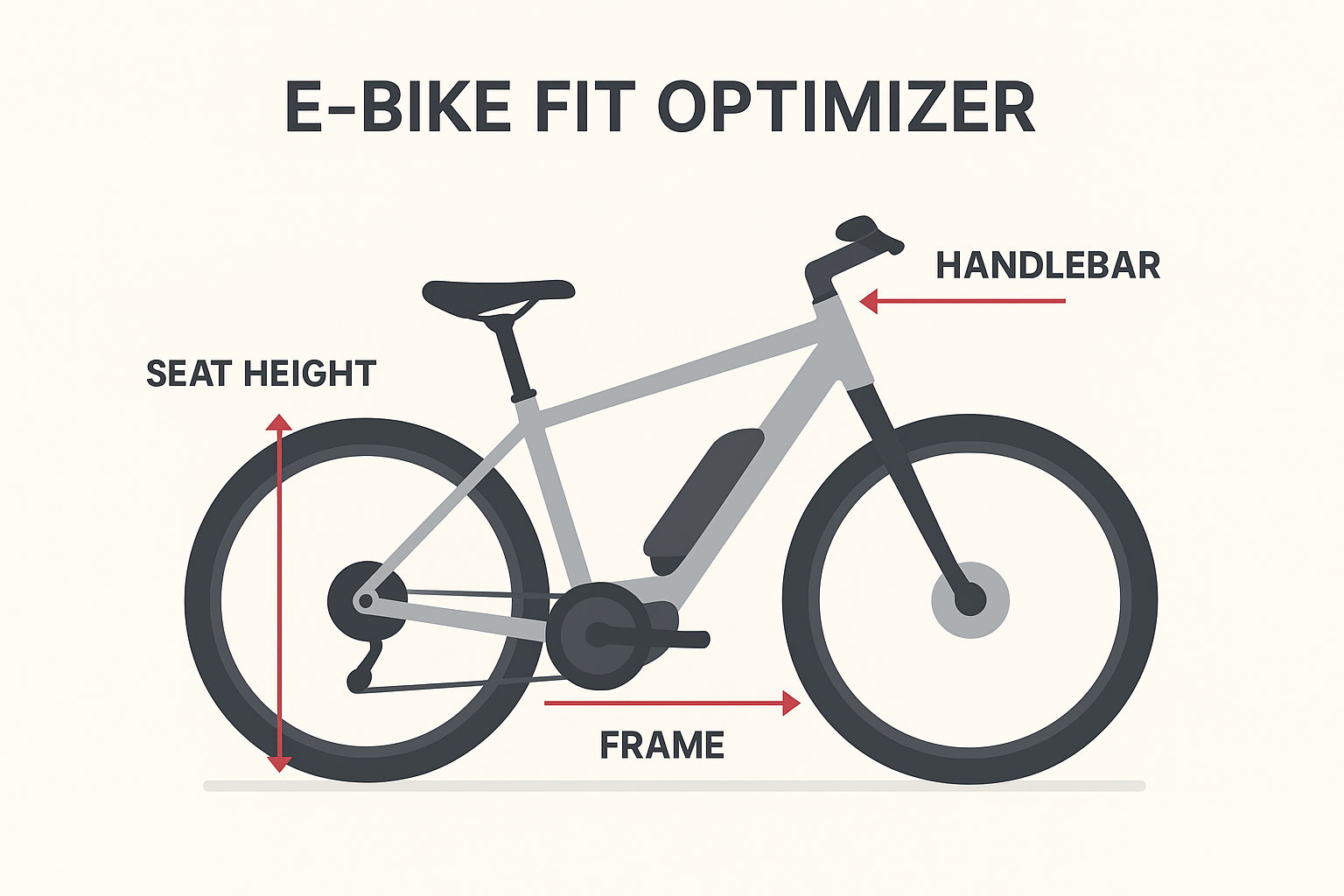
🚴♂️ E-Bike Fit Optimizer
Adjust your e-bike setup for comfort and efficient riding posture.
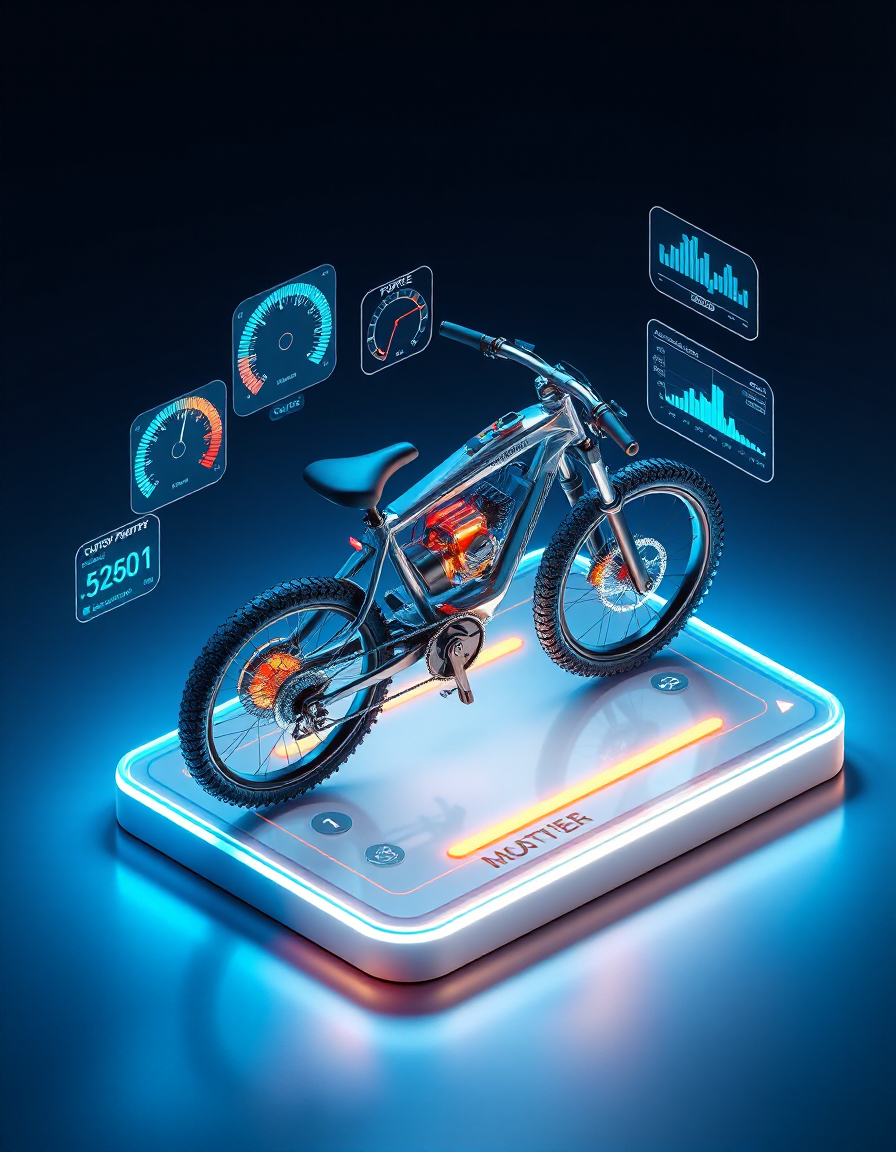
⚡ E-Bike Motor Power Estimator
Estimate the required motor power for your e-bike based on weight, speed, and terrain.
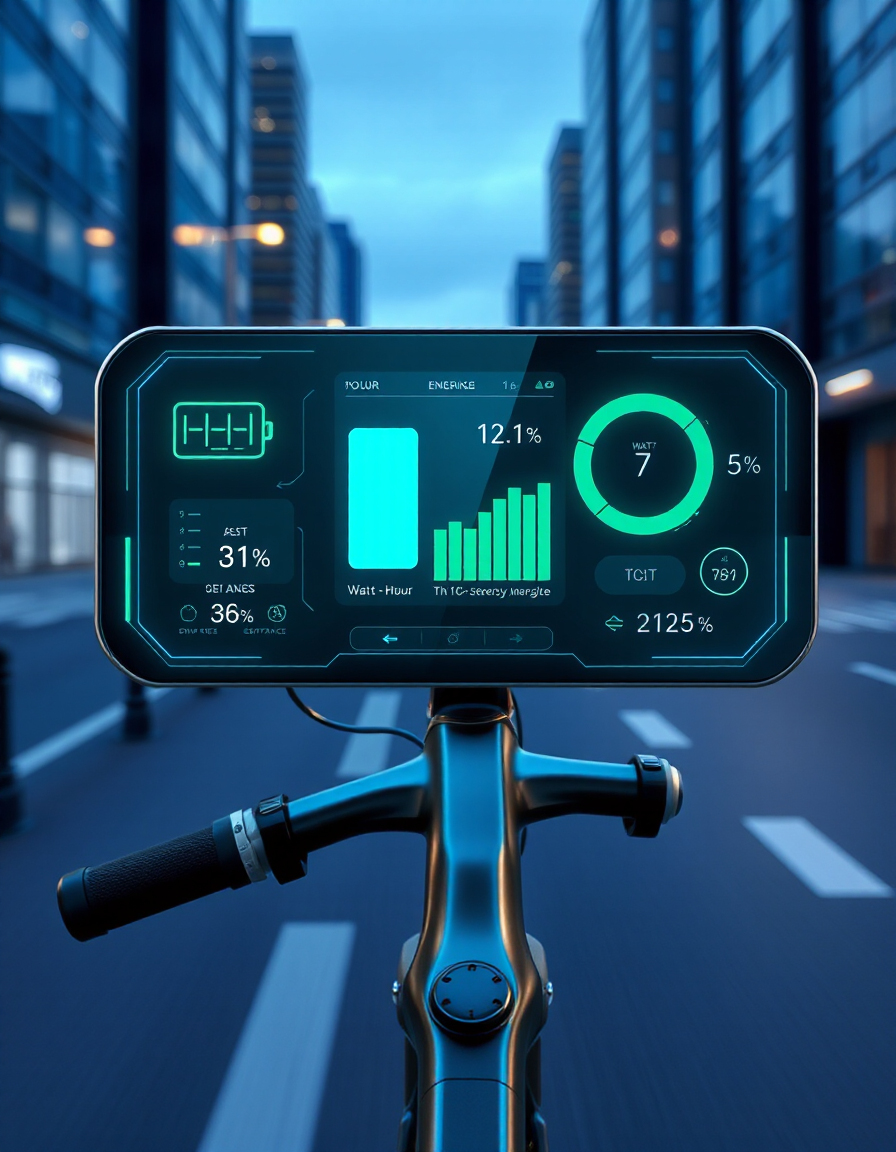
🔋 E-Bike Consumption Calculator
Calculate your e-bike's energy usage and efficiency for different rides.
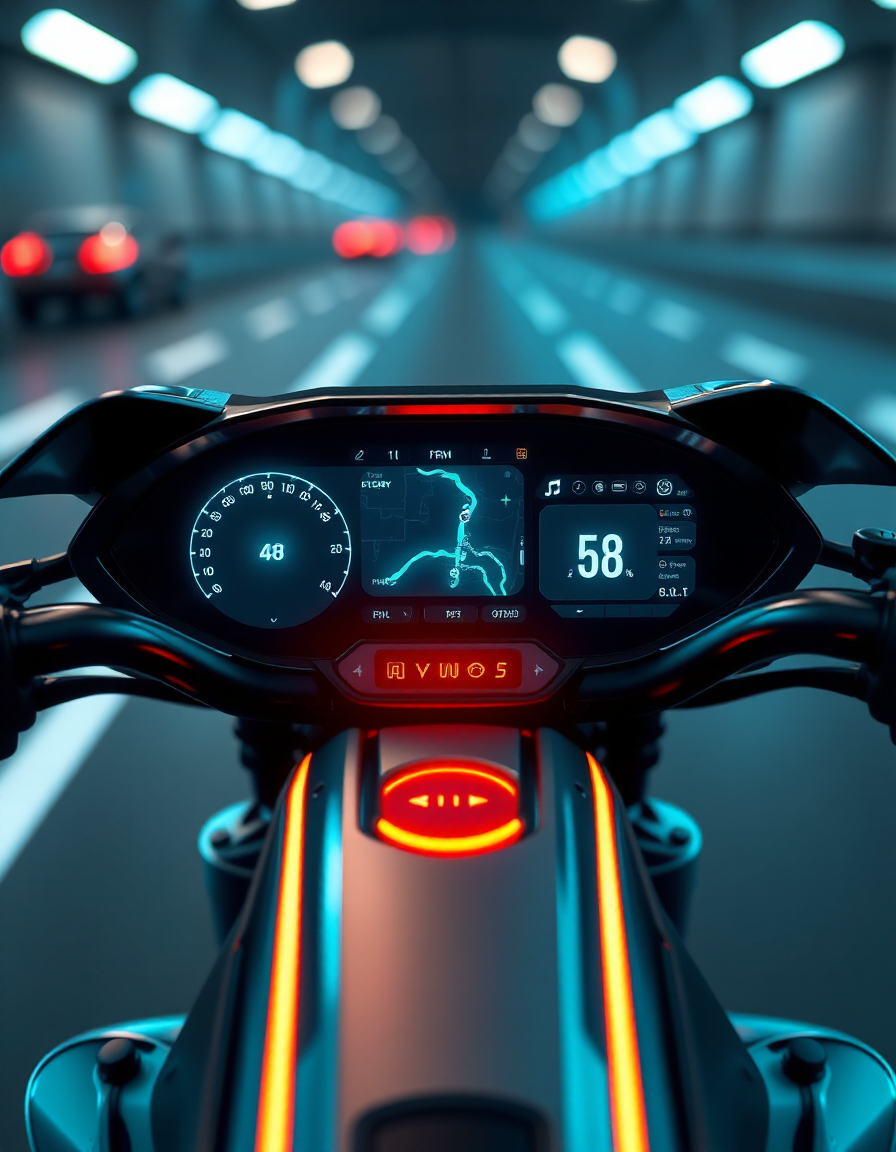
📊 E-Bike Dashboard
Monitor your e-bike stats, battery, speed, and performance in real-time.
🔧 Similar Tools
This tool is part of the educational resources published on RideWattly. Results should be used as a reference only and not as professional engineering advice.