Popular 250W Electric Bike Models — Price Overview
250W Electric Bike Models are among the most popular options for urban riders in Europe and beyond. They comply with EU e-bike regulations that limit e-bikes to 250 watts and 25 km/h assisted speed, making them road-legal without requiring a license or insurance in most regions. For daily commuters, city explorers, and casual riders, a 250W motor provides a balance of efficiency, comfort, and accessibility. This guide lists popular 250W Electric Bike Models, prices, and specs, along with video previews.
Why 250W? While higher-power motors like 500W e-bikes, 750W e-bikes, or 1000W e-bikes deliver faster acceleration, 250W Electric Bike Models focus on energy efficiency and legal compatibility. They typically offer smoother power delivery, longer battery life, and lighter overall weight. For riders who mainly travel in cities, towns, or moderately hilly areas, a 250W bike is usually more than enough. Another important factor is maintenance and reliability. Most 250W Electric Bike Models use drive systems from trusted manufacturers such as Bosch, Shimano, Brose, and Yamaha. These motors are tested for durability and supported by wide dealer networks, ensuring easy servicing. Many premium city and trekking bikes now use belt drives (e.g., Gates Carbon Drive) combined with a 250W mid-motor, which minimizes maintenance while providing a smooth ride.What to know about 250W Electric Bike Models in 2025
In 2025, 250W Electric Bike Models span city commuters, trekking hybrids, compact folders, and even lightweight road e-bikes. They balance torque, range, and weight to deliver confident everyday performance without overwhelming new riders. If you’re unsure where to start, see our guides on e-bike battery capacity & range and mid-drive vs. hub motors.Key specs to compare in 250W Electric Bike Models
- Motor type: Mid-drive vs. hub (rear/front). Mid-drives often climb better and feel natural; hubs are simple and affordable.
- Torque & assist modes: Look for responsive pedal-assist and useful eco/normal/turbo modes for varied terrain.
- Battery (Wh): Typical beginner setups range ~300–625Wh; higher Wh = more range but added weight. See the battery guide.
- Total weight: Lighter bikes feel more agile, especially in urban stop-and-go.
- Drivetrain & belt vs. chain: Belts reduce mess and maintenance; internal gear hubs are beginner-friendly.
- Brakes & tires: Hydraulic discs and 40–50mm tires add control, comfort, and safety for new riders.
- Fit & geometry: Step-through frames ease mounting; check reach/stack or use our frame size guide.
- Accessories: Racks, fenders, lights, kickstand—key for commuting with 250W Electric Bike Models.
Who should choose 250W—and when to step up
Choose 250W Electric Bike Models if you want legal compliance in the EU/UK, low running costs, and easy handling for city rides or moderate hills. Consider stepping up to 500W or 750W if you routinely face steep climbs, carry heavy cargo, or prefer brisk acceleration. Always verify local rules (e.g., UK EAPC rules) regarding throttles, speed limits, and where you can ride.Pricing & value in 2025
Entry-level 250W Electric Bike Models typically start around the lower mid-range, while premium commuters and trekking bikes with integrated batteries, high-capacity packs, and belt drives cost more. Look for strong warranties and app integrations (ride tracking, battery health, GPS security) to maximize long-term value. For folding or compact designs, explore our best 250W folding e-bikes shortlist. Below you’ll find an extensive table of 250W Electric Bike Models currently available in 2025, with descriptions, estimated prices, and video reviews for deeper insight. Use the search box to filter brands, motor types, or target use (commute/trekking/folding), then tap “Video” to open a quick preview. For safety and legal context, review the official EU guidance before buying. Estimated global/EU market prices in USD. Actual prices vary by region, year, and configuration.Last updated:
| Model | Description | Price Range (USD) | Video |
|---|---|---|---|
| Gazelle Ultimate C380+ | Premium city e-bike with Bosch 250W motor and belt/chain drive. | $4,000 – $5,500 | |
| Gazelle Arroyo C8 HMB | Comfortable step-through with Bosch Active/Performance 250W. | $3,200 – $4,200 | |
| Cube Kathmandu Hybrid | Trekking/touring bike with Bosch 250W mid-drive. | $3,500 – $4,800 | |
| Cube Touring / Touring Hybrid | Versatile city/touring bike with Bosch 250W motor. | $2,800 – $3,900 | |
| Specialized Turbo Vado | Urban hybrid with Brose/Specialized 250W mid-drive. | $3,500 – $5,000 | |
| Trek Verve+ | Comfort-focused hybrid with Bosch 250W system. | $2,900 – $3,800 | |
| Giant Quick E+ / Explore E+ | Hybrid/touring with Yamaha SyncDrive 250W. | $3,000 – $4,200 | |
| Orbea Gain | Lightweight road/urban e-bike with 250W hub motor. | $3,200 – $4,500 | |
| Riese & Müller Charger3 | High-end commuter/tourer with Bosch 250W. | $5,000 – $7,000 | |
| Riese & Müller Nevo / Multitinker | Urban/family cargo-capable 250W bikes. | $4,500 – $6,800 | |
| Brompton Electric | Folding city e-bike with 250W front hub motor. | $3,000 – $3,800 | |
| Gocycle G4 | Innovative folding e-bike with 250W motor. | $4,000 – $5,200 | |
| Haibike Trekking / Urban | German-built trekking/city with Bosch/Shimano 250W. | $3,200 – $4,500 | |
| KTM Macina City/Trekking | Reliable urban/trekking with Bosch 250W. | $3,500 – $4,800 | |
| Kalkhoff Endeavour / Agattu | German city/trekking with Bosch/Shimano 250W. | $3,000 – $4,200 | |
| Bulls E-Bike Series | Wide commuter/trekking range with Bosch 250W. | $3,200 – $4,600 | |
| Scott Sub Active / Silence | Commuter hybrids with Shimano/Bosch 250W. | $2,900 – $4,100 | |
| Cannondale Tesoro / Adventure Neo | Urban/trekking with Bosch 250W. | $3,200 – $4,500 | |
| Merida eSpresso / eBig Nine | Hybrid/MTB with Shimano 250W. | $2,800 – $4,000 | |
| Shimano Steps-equipped Models | Various brands with Shimano 250W mid-drives. | $2,800 – $4,500 | |
| Yamaha/Giant SyncDrive Models | Various Giant bikes with Yamaha 250W. | $2,900 – $4,400 | |
| BH Emotion / AtomX | Spanish urban/trekking/MTB 250W bikes. | $3,000 – $4,500 | |
| BMC Alpenchallenge / Roadmachine Hybrid | Premium Swiss hybrids/road bikes with 250W. | $4,000 – $5,800 | |
| Ribble Hybrid / e-Road | Lightweight road/hybrid 250W bikes. | $3,200 – $4,500 | |
| Mate City / Mate X | Folding urban bikes with EU-legal 250W. | $2,800 – $3,900 | |
| MiRider One | Compact folding 250W e-bike. | $2,500 – $3,200 | |
| Wilier Cento1 Hybrid | Italian performance road e-bike with 250W. | $4,500 – $6,200 | |
| Specialized Turbo Levo (EU Versions) | Electric MTB in EU-legal 250W. | $4,500 – $7,000 | |
| Local/OEM Brands | Various regional 250W bikes under local names. | $1,500 – $3,000 |
How to Choose the Right 250W Electric Bike — A Practical Guide to 250W Electric Bike Models
Selecting the right bike from today’s wide range of 250W Electric Bike Models starts with your real-world use: commute distance, hills, cargo, and comfort. For urban riders, a lightweight step-through or compact folder is ideal; for mixed city–trail riding or weekend tours, look for hybrid/trekking frames with larger batteries and stable handling. Always compare battery capacity (Wh), estimated range, total weight, and key comfort features before you buy.
Match the bike to your use case
- City commuting (5–20 km/יום): Step-through geometry, internal cabling, integrated lights, and fenders. Many 250W Electric Bike Models with hub motors keep it simple and low-maintenance.
- Hilly areas / heavier riders: Prefer mid-drive systems and higher torque (≈55–85 Nm). Consider wider tires (40–50 mm) for grip and comfort.
- Weekend trekking & longer rides: Hybrid/trekking frames, 500–625 Wh batteries, rack mounts, and relaxed geometry.
- Multi-modal / storage-limited: Compact folding 250W e-bikes with quick-release pedals and carry handles.
Key specs that matter in 250W Electric Bike Models
- Motor type: Mid-drive vs. hub. Mid-drives climb naturally and use bike gearing; hubs are lighter on maintenance and cost.
- Torque & sensors: Torque sensors feel intuitive; cadence sensors are simpler. Look for responsive assist modes (Eco/Normal/Turbo).
- Battery & range: 300–625 Wh covers most needs. Plan with our e-bike battery guide or try the Bosch Range Assistant.
- Total weight: City-commuter builds ≈23–26 kg; folders ≈17–20 kg improve portability.
- Drivetrain: Belt + internal gear hub = ultra-low maintenance; derailleurs offer broader gear range and lower cost.
- Brakes & tires: Hydraulic discs for control in wet traffic; 38–50 mm tires for comfort and puncture resistance.
- Fit & comfort: Step-through for easy mounting, adjustable stems, ergonomic grips/saddle. See our frame-size guide.
- Safety & utility: Daytime-running lights, reflective sidewalls, kickstand, rack (25 kg+) and secure battery locking.
Quick decision matrix for 250W Electric Bike Models
| Use case | What to prioritize |
|---|---|
| Flat-city commute | Hub motor, 360–500 Wh, step-through, 40–45 mm tires, integrated lights |
| Hills / heavier load | Mid-drive (≈60–85 Nm), 500–625 Wh, wide-range gears, 45–50 mm tires |
| Touring / trekking | Stable hybrid geometry, dual-mount racks, 500–625 Wh, comfort contact points |
| Folding / transit | 20″–24″ wheels, ≈17–20 kg, quick-fold hinges, magnetic dropouts |
Legal & when to consider more power
In the EU/UK, 250W Electric Bike Models with assist up to 25 km/h are typically road-legal without a license; always verify specifics locally (see EU guidance). If you carry heavy cargo, crave faster acceleration, or climb steep hills daily, compare with 500W and 750W e-bikes.
Bottom line: shortlist 2–3 250W Electric Bike Models that match your terrain and load, test ride if possible, and check after-sales support, warranty, and parts availability before purchasing.
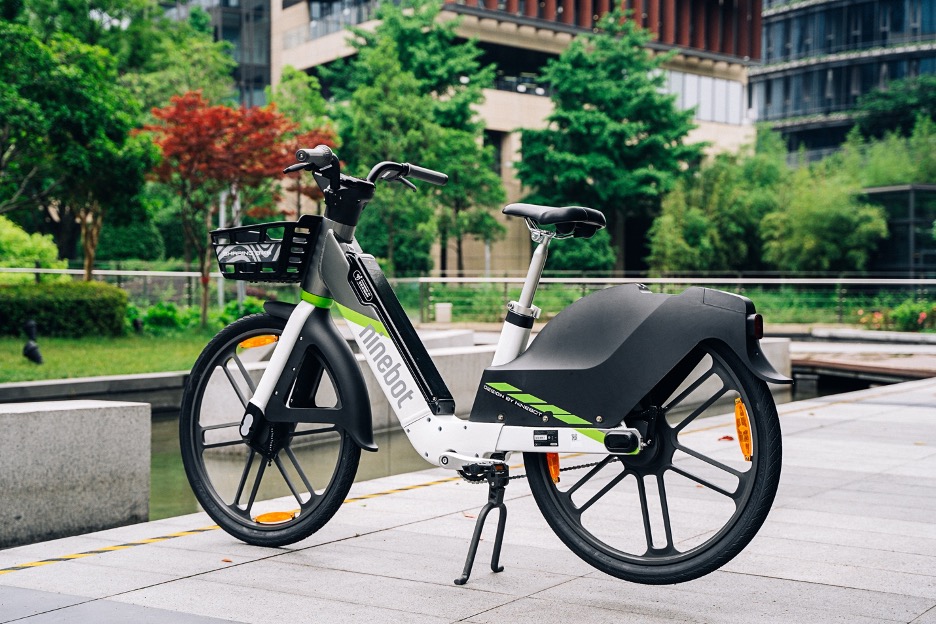
Who Are 250W E-Bikes Best For? — 250W Electric Bike Models for Real Riders
250W Electric Bike Models are ideally suited to riders who prioritise legality, efficiency, low running costs, and predictable everyday performance. In many jurisdictions these models meet the legal definition of an electrically assisted pedal cycle (EAPC), which means they can usually be used on bike lanes and public roads without a license or registration. Beyond the legal advantages, the real strengths of 250W bikes are usability and accessibility: they give helpful pedal assistance while preserving the natural feeling of cycling — a huge plus for beginners, commuters, seniors, and users who want a low-maintenance transport solution.
Ideal rider profiles for 250W Electric Bike Models
- Urban commuters (short–medium distances): Riders traveling 3–25 km each way on mostly flat routes benefit from lightweight step-through frames, integrated lights, and moderate battery capacity (≈300–500Wh).
- New riders & returners: Those new to e-bikes often prefer 250W models because assistance is gentle and predictable — easier to learn on and less intimidating than high-power alternatives.
- Seniors and mobility-limited riders: Smooth torque delivery, low step-through frames, and reliable braking systems make 250W Electric Bike Models an excellent mobility solution for older adults or people recovering from injury.
- Multi-modal commuters & city dwellers: Folding 250W e-bikes or compact frames work well where storage space is limited or where the rider combines cycling with trains/buses.
- Light cargo & shopper use: For grocery runs and small deliveries, a 250W model with a sturdy rack or small cargo platform delivers practical, efficient transport without the insurance/registration overhead of higher-powered cargo e-bikes.
- Eco-minded riders & cost-conscious users: Lower power consumption means lower electricity costs per km and often lower long-term service needs — attractive for everyday riders wanting a green, economical choice.
Benefits and trade-offs — what 250W Electric Bike Models deliver
Benefits:
- Legal clarity: In many markets a 250W motor + 25 km/h cut-off remains within the standard e-bike class, simplifying use on public roads and cycle infrastructure.
- Efficiency & range: Lower continuous power draw translates into better real-world range for a given battery size — useful for commuters and day trips.
- Lighter and more agile: Less motor mass and smaller battery options make handling and manoeuvring in traffic easier.
- Lower total cost of ownership: Simpler electronics, fewer regulatory costs, and widely available service/support lower running costs over time.
Trade-offs:
- Limited top-end acceleration: 250W models feel more relaxed off the line than 500W+ e-bikes — this is intentional but may disappoint riders expecting sporty acceleration.
- Hilly performance: On very steep or prolonged climbs a 250W motor will require more rider input; in steep-terrain regions a mid-drive or higher wattage model can be preferable.
- Payload limits: Carrying heavy loads or multiple passengers typically calls for higher torque systems designed for cargo duties.
Real-world scenarios — choosing the right 250W Electric Bike Model
Practical examples help clarify fit: a 10 km flat commute with occasional stops typically works perfectly with a 360–500Wh battery and a hub motor 250W model; a rider who faces frequent 10–15% gradients should prioritise a mid-drive 250W system with higher torque (or consider stepping to a 500W class if local rules allow). For mixed city and weekend touring, aim for a 500–625Wh battery and robust frame mounts for racks and panniers.
What to test in a trial ride for any 250W Electric Bike Models
- Acceleration from a standstill and response of pedal-assist modes (Eco/Normal/Turbo).
- Climb test on a representative hill — how much assistance vs. rider input is required.
- Comfort checks: saddle, handlebar reach, suspension (if present), and tire cushioning.
- Braking feel and modulation under load (with rider and typical cargo).
- Range sanity check: ask dealer for manufacturer estimates and compare with your planned daily distance.
- App & security features: smartphone integration, GPS tracking, and battery diagnostics.
Maintenance, warranty and after-sales — long term view for 250W Electric Bike Models
Choose brands and models with accessible dealer networks and clear warranty terms for the motor and battery. Decide between belt drive + internal hub (minimal maintenance) vs. derailleur systems (cheaper initial cost, more tuning). Check battery replacement policies and the expected lifecycle (cycle counts, warranty years). For commuter users the availability of fast service and spare parts can be more valuable than a small up-front saving.
Quick checklist before you buy any 250W Electric Bike Model
- Does the bike’s range fit your daily routes with a safety margin?
- Is the geometry comfortable for your height and riding style (test ride!)?
- Does the dealer/service network exist near you?
- Are racks/fenders/lighting included or easily added?
- What is the warranty on motor and battery, and are spare batteries available?
- Does the bike comply with local regulations where you ride?
Bottom line: 250W Electric Bike Models are an excellent first choice for the majority of urban and light-touring riders — they combine legal simplicity, everyday efficiency, and low maintenance with a natural cycling feel. If your routine involves heavy loads, steep daily climbs, or you demand sprint-level acceleration, evaluate higher-power classes; otherwise, start with a well-specified 250W model and enjoy simpler, more predictable e-biking.
Note: Specifications, ranges and legal definitions vary by country. Always verify local e-bike regulations and check manufacturer specs for exact torque, battery capacity, and certified top speed.


