7 Powerful Reasons E-Bike Battery Technology Is Transforming the Future of Riding
The Evolution of E-Bike Battery Technology: Past, Present, and the Near Future
Electric bicycle Technology has rapidly transformed from a niche component into the driving engine behind the global micromobility revolution.
What began as a handful of experimental battery systems in early electric bicycles has evolved into a sophisticated ecosystem of high-density cells, intelligent Battery Management Systems, and advanced safety mechanisms.
Today, E-Bike Battery Technology serves not only as the power source for modern riders but as a key performance factor that determines range, efficiency, acceleration, and long-term reliability.
The early days of Electric bicycle Technology were marked by heavy, inefficient lead-acid units that limited what electric bicycles could truly achieve.
As lithium-ion chemistries matured, the entire industry shifted toward lightweight, energy-dense solutions that redefined what was possible in daily commuting and long-distance riding.
This shift laid the foundation for today’s innovations—where E-Bike Battery Technology integrates smart sensors, real-time temperature monitoring, and cell health analytics, allowing riders to enjoy safer, stronger, and more predictable performance.
Looking ahead, the near future of Electric bicycle Technology promises even more dramatic changes.
Breakthroughs such as solid-state cells, ultra-fast charging capabilities, AI-enhanced BMS systems, and recyclable high-efficiency materials point toward a new era of sustainability and user control.
For manufacturers, these advancements will open doors to lighter frames, extended ranges, and enhanced energy retention.
For riders, the evolution of E-Bike Battery Technology means an increasingly smooth, intuitive, and powerful riding experience that continues to push the boundaries of what electric bikes can deliver.
Explore, monitor, and optimize your e-bike battery with these verified tools.
Track health, performance, and lifespan to get the most out of your ride.
-
Battery Calculator —
calculate capacity, energy, and runtime for any battery setup. -
Battery Cell Configurator —
design and test custom battery arrangements safely. -
Battery Cell Analyzer —
check individual cell health, voltage, and performance. -
Battery Lifespan Calculator —
predict how long your battery will last under different usage patterns. -
BMS Compatibility Checker —
ensure your battery management system is perfectly matched to your pack. -
Charging Heat Estimator —
optimize charging speed while keeping temperatures safe. -
Battery Replacement Cost Predictor —
estimate future replacement costs and plan your budget wisely.
Read More!
The Early Days of Electric bicycle Technology
When electric bicycles first emerged in the late 20th century, E-Bike Battery Technology was still at a very primitive stage,
far from the sophisticated systems we rely on today. Early adopters experienced the limitations of the technology firsthand,
as manufacturers had little precedent to build upon. The first generation of E-Bike Battery Technology depended almost entirely
on bulky lead-acid batteries, repurposed from automotive and industrial applications. Although affordable and widely available,
these batteries significantly restricted the potential of early electric bicycles. Their slow charging times, extremely limited range,
and excessive weight meant that riders often struggled to enjoy a practical or efficient riding experience.
As demand increased, the search for better E-Bike Battery Technology led to the adoption of Nickel-Metal Hydride (NiMH) batteries.
This transition marked an important milestone: NiMH batteries were lighter, offered improved energy density, and reduced the operational burden on riders.
However, they still fell short of modern expectations. Even with these improvements, early Electric bicycle Technology could not deliver long-term
durability, fast charging, or consistent high-power output. Riders commonly experienced capacity fade, reduced performance under load, and shortened lifespan.
The true turning point came with the global rise of **lithium-ion battery technology**, propelled by advancements in consumer electronics.
As smartphones, laptops, and mobile devices pushed manufacturers to innovate, the benefits quickly spilled over into E-Bike Battery Technology.
Lithium-ion chemistry provided a dramatic leap forward: higher energy density, reduced weight, longer cycle life, and vastly improved stability.
For the first time, Electric bicycle Technology could support realistic daily commuting, longer-range touring, and consistent power delivery —
laying the foundation for the high-performance electric bicycles we see today.
The Modern Era: Lithium-Ion at the Center of E-Bike Battery Technology
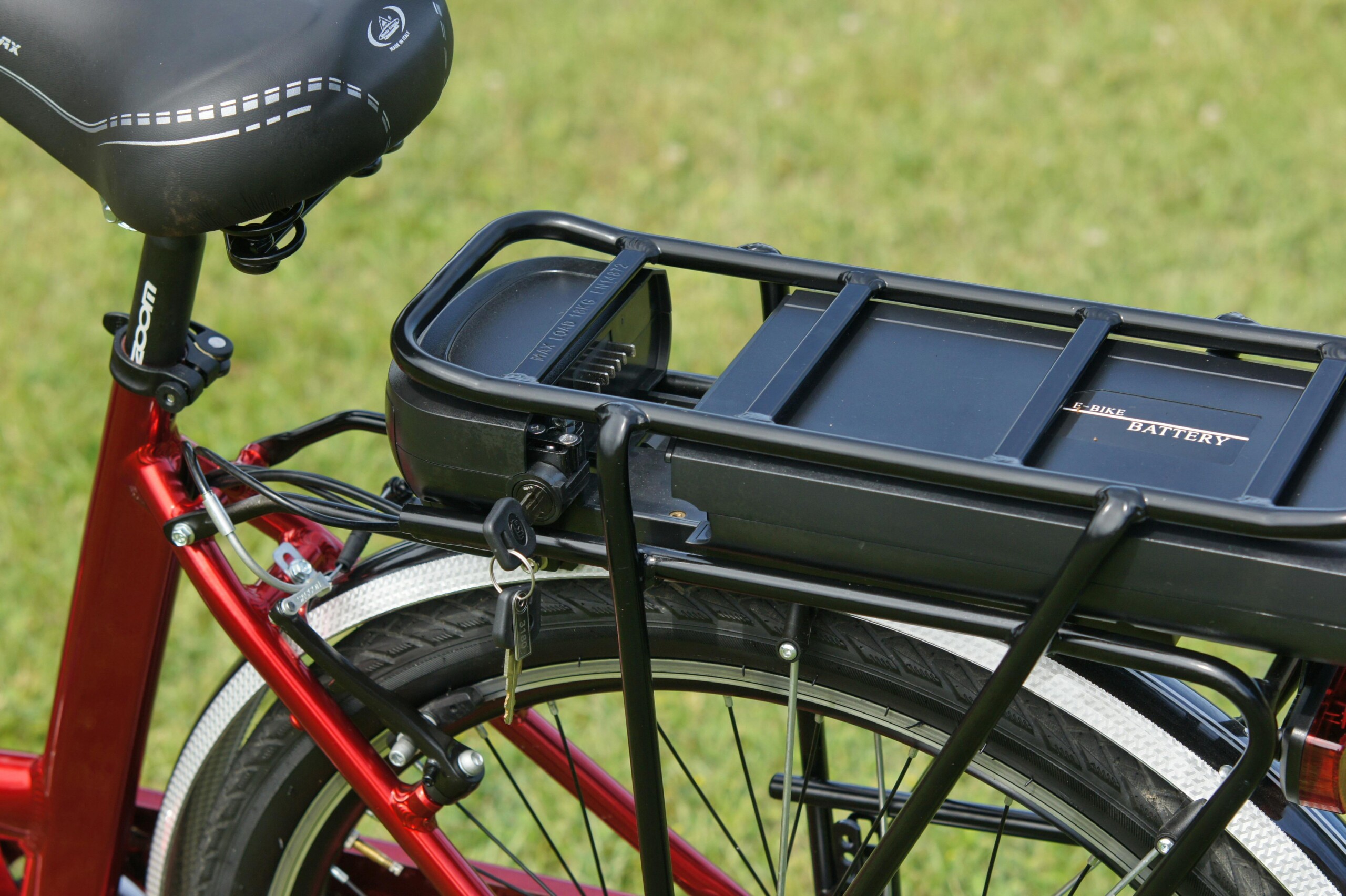
Today, nearly all reputable electric bicycles rely on advanced lithium-ion cells, typically in 18650 or 21700 formats,
and this shift has positioned Electric Bike Battery Technology at the core of modern micromobility. Lithium-ion chemistry revolutionized
the industry by delivering a combination of high energy density, long cycle life, lower weight, and greatly improved thermal stability.
These characteristics allow Electric Bike Battery Technology to support longer commutes, stronger acceleration, and consistent power output
in a wide variety of riding environments — from urban commuting to off-road performance.
Modern e-bike battery configurations typically range between 36V and 52V systems, with capacities extending from 10Ah to more than 20Ah.
These improvements reflect the rapid evolution of E-Bike Battery Technology, enabling riders to travel greater distances on a single charge,
tackle steep inclines with confidence, and enjoy predictable performance even under demanding load conditions. As energy density continues
to rise, manufacturers are also able to deliver slimmer designs and lighter battery packs without sacrificing range or durability.
Major global battery leaders such as
Panasonic,
Samsung, and
LG Chem continue to push the boundaries of E-Bike Battery Technology.
Their advancements in cell chemistry have led to better thermal stability, improved safety margins, and optimized internal resistance —
all crucial for delivering high-performance electric bikes. At the systems level, manufacturers now integrate highly sophisticated
Battery Management Systems (BMS) that work in harmony with modern Electric Bike Battery Technology. These intelligent systems monitor cell
health, manage charging, prevent overheating, and balance voltage in real time, ensuring maximum safety and extending battery lifespan.
With lithium-ion now firmly established as the industry standard, E-Bike Battery Technology continues to evolve at an impressive pace,
shifting from basic power delivery to an intelligent, data-driven energy ecosystem that enhances every aspect of the riding experience.
Safety and Performance: Core Priorities of E-Bike Battery Technology
As the global adoption of electric bicycles continues to grow, the safety and reliability of E-Bike Battery Technology
have become top priorities for manufacturers and regulatory bodies alike. Although fire incidents remain statistically rare,
they have accelerated the industry’s transition toward stricter compliance frameworks such as UL 2849 and EN 15194.
Modern Electric Battery Technology is increasingly engineered with multi-layered protection mechanisms that safeguard riders,
extend battery life, and prevent failures under extreme conditions.
To address these challenges, cutting-edge E-Bike Battery Technology incorporates a wide range of safety innovations, including:
- Enhanced thermal runaway prevention through advanced electrolyte formulations and heat-resistant separators
- Intelligent short-circuit, overcharge, and over-discharge protection embedded in high-precision BMS systems
- Accurate cell matching and active balancing to ensure uniform health across all cells in the pack, maximizing longevity
- High-performance structural materials that improve heat dissipation and maintain stability even under heavy load
Performance, too, is undergoing a major evolution. Riders increasingly demand smooth, predictable, and powerful energy delivery — and
E-Bike Battery Technology is rising to the challenge. With new chemistries, optimized internal resistance, and smarter power management,
the modern e-bike offers vastly superior real-world performance compared to earlier generations.
As a result, today’s expectations for high-performance Electric Bike Battery Technology include:
- Significantly faster charging times made possible by improved cell chemistry and advanced charge algorithms
- Longer riding range per charge thanks to higher energy density and efficient power delivery
- Consistent output under load, providing stable acceleration and hill-climbing power even at lower states of charge
- Greater cycle durability, with many packs now designed to exceed 800–1,200 full charge cycles
Together, these advancements demonstrate how E-Bike Battery Technology is becoming not just safer, but also smarter, stronger, and more
responsive to the needs of modern riders — laying the foundation for the next generation of electric mobility.
The Near Future of E-Bike Battery Technology
The near future of E-Bike Battery Technology is set to deliver innovations that will reshape the global micromobility landscape.
Over the next five years, breakthroughs in materials science, energy storage engineering, and digital intelligence will redefine
how riders charge, maintain, and interact with their e-bike batteries. As sustainability, performance, and safety continue to drive
industry priorities, Electric Bike Battery Technology will evolve faster than ever before — enabling electric bicycles to reach new levels
of reliability, capability, and everyday practicality.
1. Solid-State Batteries
Solid-state cells represent one of the most transformative advancements on the horizon for E-Bike Battery Technology. These batteries
replace the flammable liquid electrolyte found in lithium-ion systems with a solid ceramic or polymer alternative, dramatically
improving thermal stability and eliminating many common safety risks. The higher energy density of solid-state batteries means
lighter packs with longer range, while their superior cycle life reduces long-term cost of ownership. Industry giants like
Toyota and
QuantumScape are at the forefront of development, and although
current prices remain high, mass production is expected to make solid-state E-Bike Battery Technology accessible within a few years.
2. Ultra-Fast Charging Systems
Another major breakthrough in upcoming E-Bike Battery Technology is the rise of ultra-fast charging. New lithium chemistries, improved
anode materials, and highly adaptive BMS algorithms will enable riders to recharge a depleted battery in under 20 minutes — without
sacrificing cycle longevity. This evolution turns e-bikes into true “refuel-and-go” vehicles rather than slow-charging electronics.
Such convenience will revolutionize urban commuting, long-distance touring, and professional delivery operations alike.
3. Swappable Battery Ecosystems
Cities worldwide, particularly across Asia, are already piloting battery-swap infrastructures for scooters and commercial e-bikes,
and this model is expected to expand into the broader bicycle market. As Electric Bike Battery Technology becomes more standardized, riders
will be able to swap depleted packs for fully charged ones within seconds. Beyond convenience, smart swap stations will maintain
batteries at optimal temperature and state-of-charge conditions, improving overall lifespan and reducing electronic waste.
4. AI-Enhanced BMS
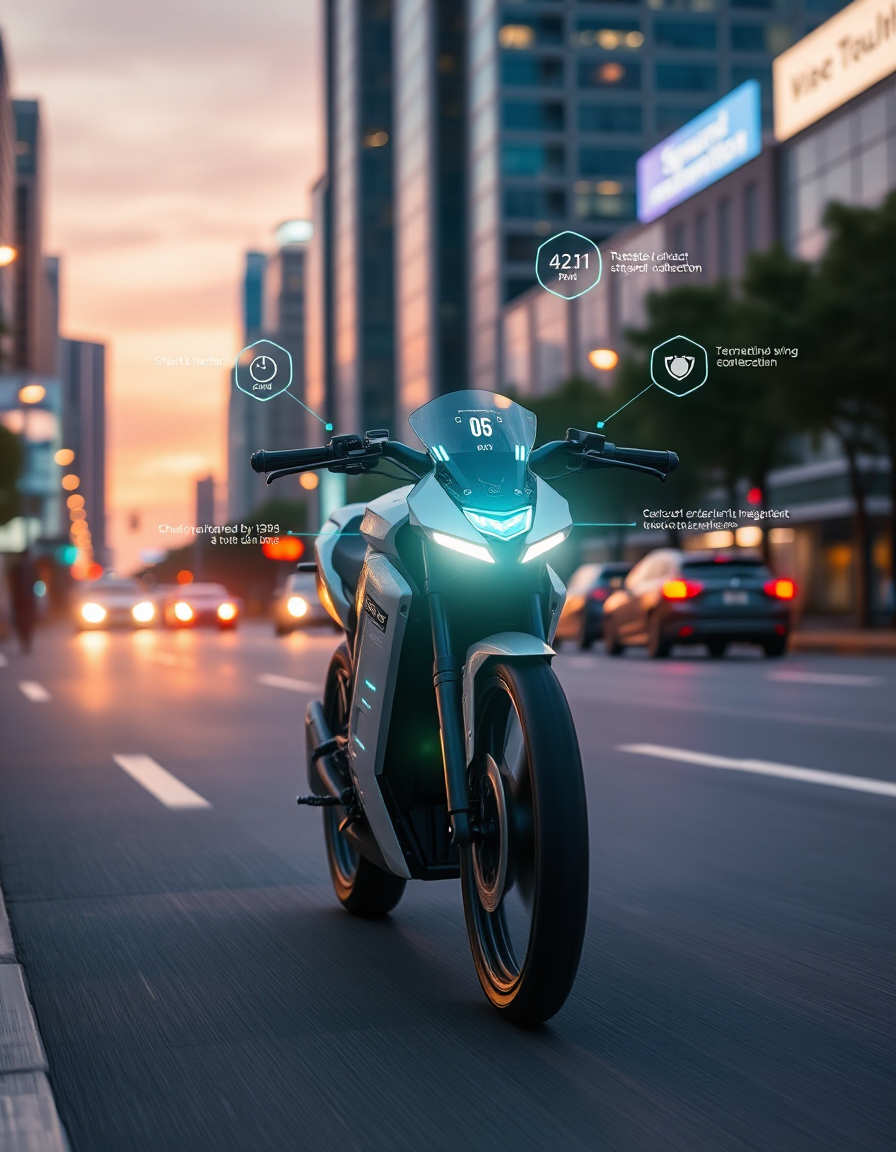
Artificial intelligence will play a crucial role in the next generation of E-Bike Battery Technology. Future Battery Management Systems
will extend beyond basic safety monitoring, using machine learning to predict cell degradation, detect micro-failures early,
and optimize charge cycles in real time. This predictive intelligence will significantly extend pack lifespan, maintain stronger
performance over time, and alert riders to potential issues long before they become dangerous. For manufacturers, AI-driven analytics
will also help refine future battery designs.
Together, these advancements signal a bold new chapter for E-Bike Battery Technology — one defined by faster charging, smarter systems,
safer materials, and more sustainable energy usage. The coming decade promises the biggest leap forward in the history of electric
bicycle power systems.
Suggested topics:
10 Mistakes to Avoid When Buying electric bikes
Complete U.S. E-Bike Laws Guide
E-Bikes and Batteries Recycling
AI and Smart Sensors
Smart Urban Riding Etiquette
🎥 Watch: This video explores the latest advances in E-Bike Battery Technology — from improved lithium‑ion cells to future developments — showing how battery design is changing the future of electric biking.
Conclusion: The Road Ahead for E-Bike Battery Technology
Electric Bike Battery Technology is evolving at a remarkable pace, transforming from the bulky, limited systems of the past
into one of the most dynamic and disruptive areas in modern mobility. What once delivered modest performance now stands
at the center of innovation, driven by rapid advancements in lithium-ion chemistry, enhanced thermal stability, and
increasing integration with intelligent electronic systems. Today, E-Bike Battery Technology not only powers electric
bikes—it defines the overall riding experience, influencing safety, efficiency, and long-term reliability.
As breakthroughs such as solid-state batteries, AI-enhanced BMS platforms, and ultra-fast-charging architectures
continue to mature, the future of E-Bike Battery Technology is set to accelerate even further. These next-generation
systems will offer riders longer range, greater durability, and vastly improved safety—making e-bikes more accessible
and dependable for daily commuting, adventure riding, and commercial use alike.
Looking ahead, one thing remains clear: the evolution of E-Bike Battery Technology is far from over. The coming years
will bring cleaner materials, smarter energy management, and designs that push the boundaries of what electric mobility
can achieve. With sustainability, freedom, and user experience at the forefront, E-Bike Battery Technology is poised to
shape a new era of transportation—lighter, safer, and more powerful than anything we’ve seen before.
❓ Frequently Asked Questions (FAQ) about E-Bike Battery Technology
What is E-Bike Battery Technology?
How safe are modern e-bike batteries?
What improvements are expected in the next generation of e-bike batteries?
What are solid-state batteries, and why are they important?
Can e-bike batteries charge faster in the future?
What is an AI-enhanced Battery Management System (BMS)?
Will swappable batteries become common?
How long does an average e-bike battery last?
What affects the lifespan of an e-bike battery?
Is solid-state technology going to replace lithium-ion in e-bikes?