Electric Mobility Comparison Guide: 5 Smart & Powerful Choices for E-Bikes, Scooters, and Motorcycles

Electric Mobility Comparison Guide: Who Should Choose an E-Bike, Electric Motorcycle, Scooter, or Hoverboard?
Choosing the right electric vehicle is no longer just about speed or price. In today’s rapidly evolving cities, electric mobility reflects lifestyle choices, commuting psychology, urban infrastructure, personal comfort levels, and long-term sustainability goals. Riders are no longer asking “what is the fastest option?” but rather “what truly fits my daily life?”.
This Electric Mobility Comparison Guide was created to answer that exact question. Instead of generic specs or marketing promises, this guide focuses on real-world usage scenarios — how different electric vehicles behave in traffic, how they integrate with public transportation, how much physical effort they require, and how they impact daily routines over time.
An e-bike, an electric motorcycle, a scooter, or a hoverboard may all be electric, but they serve fundamentally different purposes. This Electric Mobility Comparison Guide breaks down those differences by examining who benefits most from each option, who might struggle with it, and where each vehicle truly shines or falls short.
By using a practical, rider-centric approach, this Electric Mobility Comparison Guide helps you avoid costly mistakes, unnecessary upgrades, and mismatched purchases — empowering you to choose an electric ride that feels natural, efficient, and sustainable for your specific lifestyle.
Choosing the right electric vehicle and optimizing its performance is easier with the right tools.
These tools help you analyze, compare, and optimize e-bikes, electric scooters, motorcycles, and micro EVs efficiently.
- Compare E-Bikes & Scooters — evaluate features, speed, range, and battery performance between models.
- Electric Scooter Comparison Tool — analyze specifications, battery life, and efficiency for scooters.
- Compare Motors & Controllers — match the best motor power and controller for your vehicle.
- Electric Bike Range Calculator — estimate how far your e-bike can go based on battery and riding conditions.
- Battery Calculator — calculate voltage, capacity, and energy requirements for your battery pack.
- Battery Pack Builder — design and optimize your battery packs for safety and efficiency.
- Ride Efficiency Tracker — monitor your trips to improve energy usage and performance.
Read More!
Electric Mobility Comparison Guide: Understanding the Core Differences
At first glance, electric bikes, electric motorcycles, electric scooters, hoverboards, and other personal electric vehicles may appear to serve the same purpose — moving from point A to point B using electric power. In reality, each category is designed to solve a very specific mobility challenge, shaped by distance requirements, road conditions, legal limitations, and rider expectations.
This Electric Mobility Comparison Guide looks beyond surface-level specifications and marketing claims to examine the core differences that truly matter in everyday use. Factors such as typical riding range, terrain adaptability, regulatory constraints, storage practicality, physical engagement, and the learning curve all play a critical role in determining whether a vehicle feels empowering or frustrating over time.
For example, an electric scooter may excel in short urban trips but struggle on uneven roads, while an electric motorcycle offers stability and speed at the cost of licensing and higher commitment. By breaking down these contrasts, this Electric Mobility Comparison Guide helps riders understand not just what each vehicle can do, but what it is realistically meant to do.
Rather than asking “which electric vehicle is better?”, this Electric Mobility Comparison Guide reframes the decision with a more meaningful question: which electric vehicle fits your lifestyle, environment, and daily habits? The answer is rarely universal — but it becomes clear when the core differences are properly understood.
Electric Mobility Comparison Guide: Who Should Buy an Electric Bike (E-Bike)?
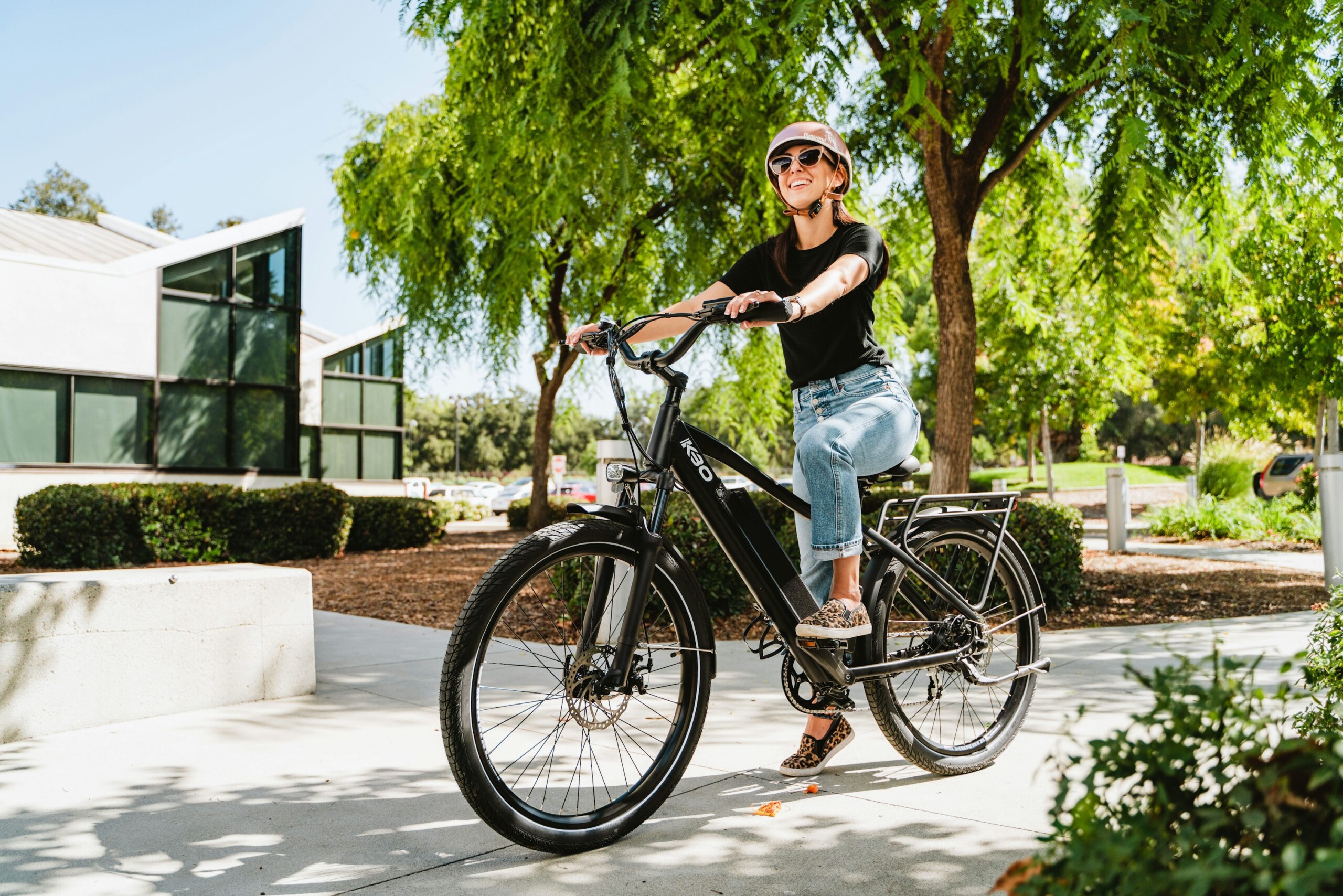
Electric bikes occupy a unique position within the electric mobility spectrum. They combine human effort with electric assistance, creating a hybrid experience that offers flexibility without the full commitment of a motorized vehicle. This balance makes e-bikes especially attractive to riders who want control, adaptability, and a sense of physical engagement in their daily travel.
From the perspective of this Electric Mobility Comparison Guide, e-bikes are best suited for daily commutes ranging between 5–25 km, particularly in cities with developed cycling infrastructure. They perform exceptionally well on bike paths, mixed-use lanes, and urban environments where traffic congestion and parking limitations are constant challenges.
One of the key advantages highlighted in this Electric Mobility Comparison Guide is the ability of e-bikes to adapt to the rider rather than forcing the rider to adapt to the vehicle. Pedal-assist systems allow users to regulate effort based on terrain, weather, fatigue, or time constraints — making the ride feel natural rather than demanding.
E-bikes are especially suitable for:
- Urban commuters seeking a reliable alternative to cars or public transport
- Riders who value light daily exercise without overexertion
- Users who need convenient storage at home or at work
- People who prefer minimal licensing, insurance, or regulatory barriers
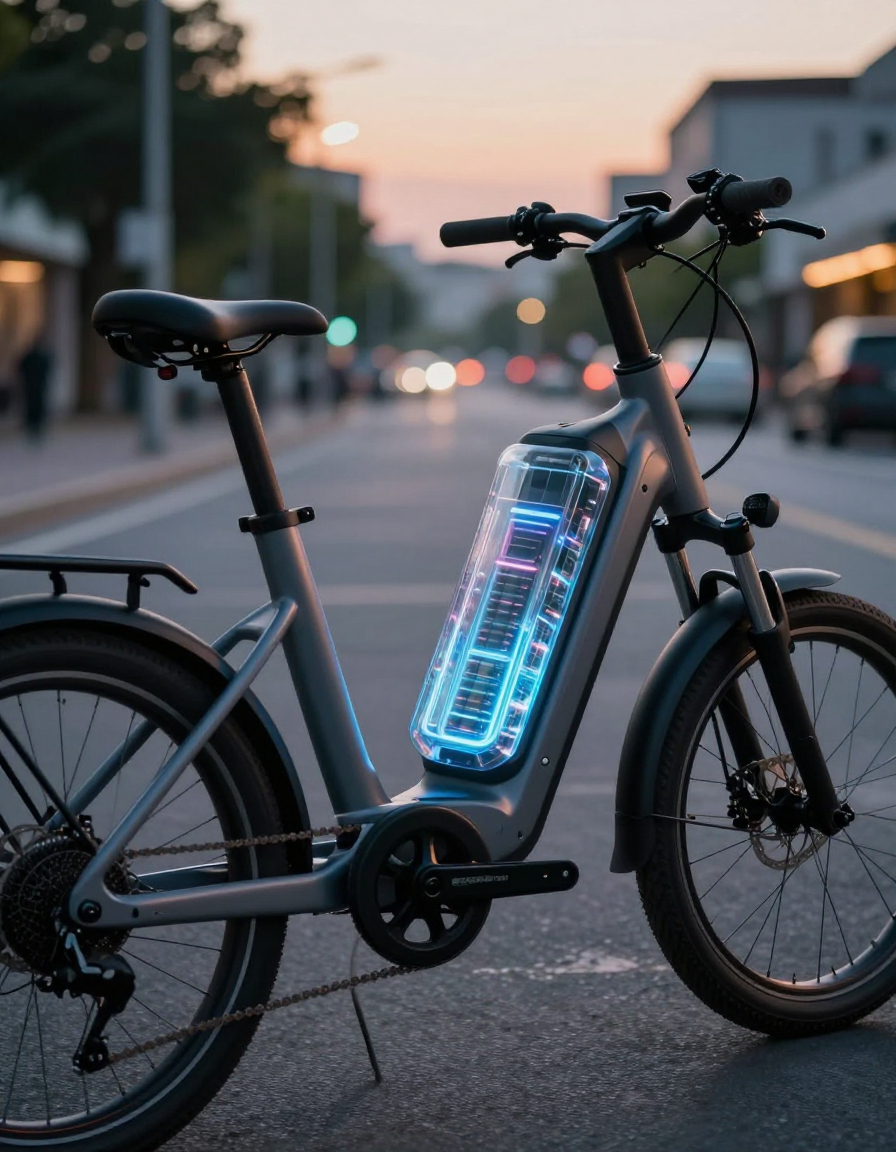
Modern electric bikes integrate advanced battery management systems, torque sensors, regenerative braking in some models, and intelligent displays that provide real-time feedback. As noted by the International Energy Agency, electric bicycles continue to rank among the most energy-efficient transportation solutions globally — reinforcing their position as a practical and sustainable choice in this Electric Mobility Comparison Guide.
Electric Mobility Comparison Guide: Who Should Choose an Electric Motorcycle?
Electric motorcycles represent the high-performance end of the electric mobility spectrum. They are designed for riders who demand speed, power, and long-range capability while still embracing emission-free transportation. Within this Electric Mobility Comparison Guide, electric motorcycles stand out as the closest electric alternative to traditional combustion-powered motorcycles — without the noise, vibration, or fuel dependency.
If your daily commute involves highways, sustained higher speeds, or travel distances that exceed typical urban limits, an electric motorcycle may be the most efficient and comfortable option. This Electric Mobility Comparison Guide emphasizes that these vehicles excel in scenarios where stability, acceleration, and road presence are critical for rider confidence and safety.
Electric motorcycles are best suited for:
- Experienced riders transitioning from gas-powered motorcycles
- Daily commuters covering 30–100 km or more
- Riders who prioritize instant torque and high-speed stability
- Users comfortable with licensing, insurance, and formal regulations
Unlike e-bikes or electric scooters, electric motorcycles require a higher level of commitment. This Electric Mobility Comparison Guide highlights considerations such as higher upfront cost, longer charging planning, and stricter regulatory compliance. However, the trade-off is significant: superior torque delivery, reduced mechanical complexity, and lower long-term maintenance.
Manufacturers such as Zero Motorcycles demonstrate how modern electric drivetrains can outperform internal combustion engines in both torque response and reliability. As shown throughout this Electric Mobility Comparison Guide, electric motorcycles are not merely eco-friendly alternatives — they are performance-driven machines built for serious riders.
Electric Mobility Comparison Guide: Who Is a Perfect Match for an Electric Scooter?
Electric scooters have emerged as the ultimate solution for urban riders who need agile, compact, and convenient transportation. According to this Electric Mobility Comparison Guide, scooters shine in dense city environments where trips are short, frequent, and often spontaneous. Their combination of portability, speed, and minimal parking requirements makes them ideal for bridging the gap between public transit and final destinations.
This Electric Mobility Comparison Guide emphasizes that electric scooters are not merely “fun gadgets” — they are practical tools for modern city life. Riders benefit from lightweight frames, foldable designs, and easy maneuverability, which allow them to seamlessly navigate crowded streets, tight sidewalks, and urban obstacles while reducing reliance on cars.
Electric scooters are ideal for:
- Short urban trips under 10 km, perfect for errands or quick commutes
- Last-mile connections from public transport stations to workplaces or campuses
- Students, young professionals, and city dwellers seeking efficient mobility solutions
- Riders who need fold-and-carry portability for storage at home, offices, or public spaces
The compact design of scooters allows storage under desks, in closets, or inside apartments. However, as this Electric Mobility Comparison Guide notes, their smaller wheels and lighter frames demand heightened rider awareness, particularly on uneven surfaces. Safety studies from the NHTSA highlight the importance of protective gear even at lower speeds, reinforcing that convenience and safety must go hand in hand.
Ultimately, this Electric Mobility Comparison Guide clarifies that electric scooters are for riders seeking flexible, last-mile solutions that blend seamlessly with urban infrastructure — delivering efficiency, accessibility, and a touch of fun without compromising safety or practicality.
Electric Mobility Comparison Guide: Who Should Consider a Hoverboard or Micro EV?
Hoverboards, self-balancing boards, and micro electric vehicles occupy a unique niche in the electric mobility landscape. According to this Electric Mobility Comparison Guide, these devices are less about conventional transportation and more about interactive experience, skill development, and mobility within controlled environments. Their design prioritizes portability, maneuverability, and user engagement over long-range travel or high-speed performance.
This Electric Mobility Comparison Guide emphasizes that hoverboards and micro EVs are ideal for settings such as indoor campuses, corporate facilities, warehouses, or recreational spaces where safety, space, and fun intersect. They allow riders to develop balance, coordination, and confidence while moving efficiently over short distances.
These devices suit:
- Short-range indoor or private-area travel where conventional vehicles are impractical
- Recreational riders seeking skill-based mobility experiences
- Young or beginner users under supervision who benefit from safe, controlled practice
- Situations where portability, easy storage, and maneuverability outweigh the need for extended range
While hoverboards and micro EVs are not designed for traffic, highways, or long commutes, this Electric Mobility Comparison Guide highlights their valuable role within the broader electric mobility ecosystem. They offer educational, recreational, and developmental opportunities that complement other electric vehicles, making them a compelling choice for riders focused on short-range versatility and experiential mobility.
Suggested topics:
10 Mistakes to Avoid When Buying electric bikes
Complete U.S. E-Bike Laws Guide
E-Bikes and Batteries Recycling
AI and Smart Sensors
Smart Urban Riding Etiquette
🎥 Watch: A clear comparison between electric scooters and electric motorcycles — helping you decide which ride matches your lifestyle and commuting needs, echoing the insights from our Electric Mobility Comparison Guide. :contentReference[oaicite:1]{index=1}
Electric Mobility Comparison Guide: Making the Right Decision
Choosing the right electric vehicle goes beyond specifications, marketing claims, or social trends. According to this Electric Mobility Comparison Guide, the best electric vehicle is the one that integrates seamlessly into your daily routine, aligns with your lifestyle, and supports your commuting and recreational habits. There is no universal “best option”—only the one optimized for your unique needs, environment, and personal preferences.
This Electric Mobility Comparison Guide encourages prospective buyers to consider key lifestyle and logistical factors before making a purchase. Ask yourself:
- How far do I typically travel each day, and how often?
- Do I prioritize speed, comfort, or flexibility in my commute?
- Where will I store, secure, and charge the vehicle?
- Which local regulations, licensing, and safety requirements apply to my chosen vehicle?
By systematically evaluating these questions through the lens of this Electric Mobility Comparison Guide, riders can avoid costly mistakes, unnecessary upgrades, and mismatched vehicles. Electric mobility is not a passing trend—it represents a transformative shift in how people move, interact with urban environments, and balance efficiency with sustainability.
Ultimately, selecting the right electric vehicle enables more than just smart commuting: it allows you to live smarter, with increased freedom, reduced environmental impact, and a seamless connection between mobility, lifestyle, and personal well-being. This Electric Mobility Comparison Guide ensures that every rider can make a confident, informed decision tailored to their individual circumstances.
❓ Frequently Asked Questions (FAQ) about Electric Mobility in 2026
Are e-bikes suitable for daily commuting?
Who should consider an electric motorcycle?
Are electric scooters good for last-mile commuting?
Can hoverboards be used for city commuting?
How do I decide which electric vehicle is right for me?
Are e-bikes energy-efficient?
Do electric scooters require special licensing?
Can electric motorcycles replace traditional motorcycles?
What are the storage requirements for hoverboards and micro EVs?
Is electric mobility just a trend?


Hey gamers, been seeing 777toofan around. Looks like a wild ride! Anyone tried it out? Let me know what you think. Check it out 777toofan.