Electric Bike Seats Comfort: The Ultimate Guide to Choosing the Best Saddle for Your E‑Bike
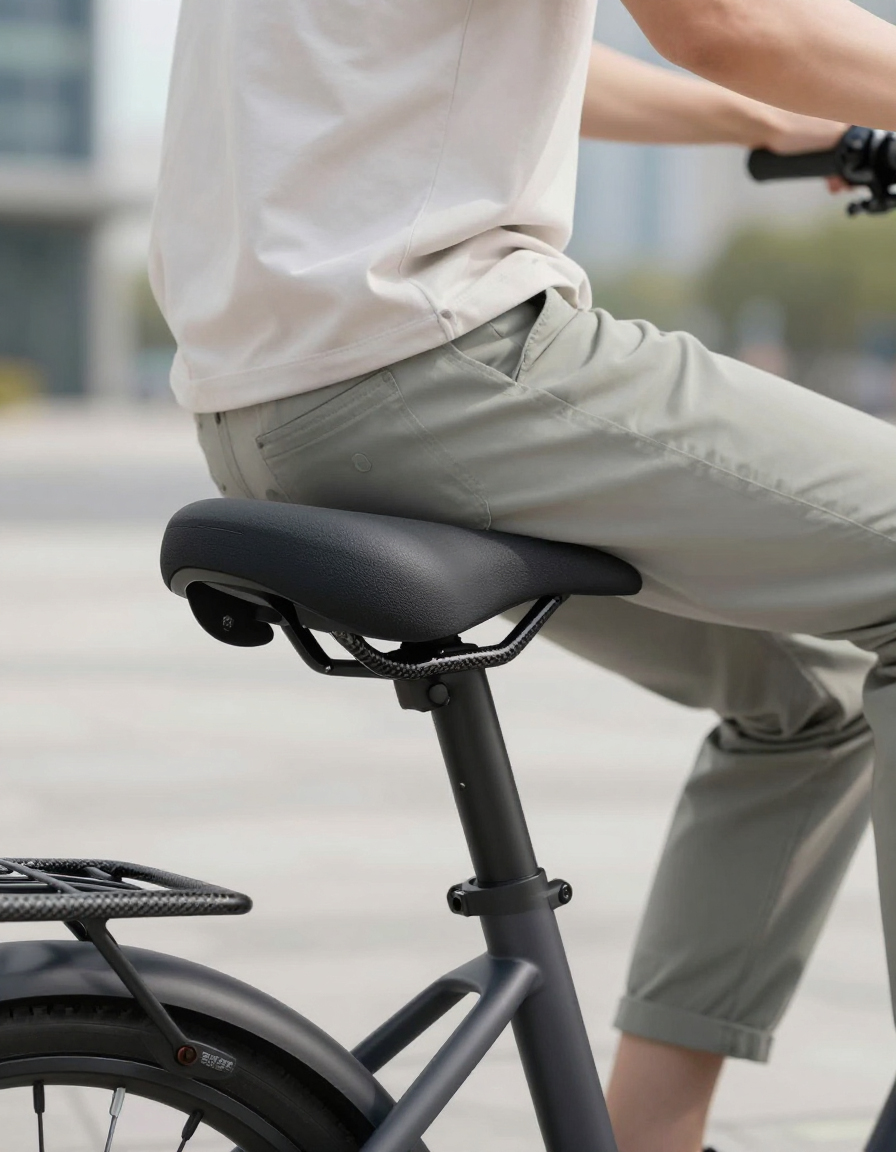
Electric Bike Seats Comfort: Everything You Need to Know About Materials, Design, and Future Trends
When it comes to enhancing your riding experience on an electric bike, one of the most critical yet often overlooked components is the electric bike seat. Achieving optimal electric bike seats comfort is not just about choosing a padded saddle — it’s about understanding how ergonomics, materials, and design come together to support your body over long distances.
Whether you’re commuting through city streets, exploring scenic routes, or embarking on long weekend adventures, the quality of your saddle can significantly influence your overall ride comfort and endurance. A poorly designed seat can cause discomfort, pressure points, and even numbness, while a seat engineered for Electric Bicycle Seat Comfort can transform your ride into a smooth, enjoyable experience.
Modern e‑bike saddles combine innovative materials such as high-density foam, gel inserts, and breathable synthetic covers with ergonomic designs that distribute weight evenly and reduce pressure on sensitive areas. Investing in a seat that prioritizes electric bike seats comfort ensures better posture, less fatigue, and enhanced riding pleasure — making it a cornerstone of any serious electric bike setup.
In this guide, we’ll dive deeper into the materials, design principles, and emerging trends that define electric bike seats comfort, helping you choose a saddle that truly matches your riding style and long-term comfort needs.
Achieve the ultimate riding comfort by understanding your e-bike saddle, tracking performance, and customizing your setup.
These tools help you optimize seat ergonomics, posture, and overall riding experience for every urban commute or adventure ride.
- E-Bike Fit Optimizer — adjust saddle height, tilt, and fore-aft position for maximum comfort.
- AI Ride Analyzer — monitor pressure points and posture to improve electric bike seats comfort over time.
- Maintenance Planner — keep your saddle and bike components in top condition for consistent comfort.
- E-Bike Consumption Calculator — understand your energy use and optimize weight distribution for better ride stability and comfort.
- Compare E-Bikes & Scooters — choose the best bike type and saddle combination for your riding style and comfort needs.
- E-Bike Riding Coach — learn techniques that reduce fatigue and improve ergonomic seating on long rides.
- E-Bike Dashboard — track speed, distance, and ride metrics to make informed adjustments for saddle comfort.
Read More!
Why Electric Bike Seats Matter More Than You Think
The rise of e‑bikes has transformed both commuting and recreational cycling, creating new demands on riders and their equipment. Unlike traditional bicycles, electric bikes often encourage longer rides, higher average speeds, and more frequent use — all factors that increase the time a rider spends seated. This makes electric bike seats comfort not just a luxury, but a critical component of overall ride quality and safety.
Investing in a saddle designed for Electric Bicycle Seat Comfort goes beyond choosing extra padding. Modern e‑bike seats are engineered to strike a precise balance between comfort, support, durability, and weight. A properly designed saddle helps reduce pressure on sensitive areas, prevents numbness, and minimizes fatigue during extended rides. In fact, prioritizing electric bike seats comfort can transform how you experience your e‑bike, making daily commutes more enjoyable and long-distance rides far less strenuous.
For commuters, adventure riders, and casual cyclists alike, selecting a seat that delivers superior electric bike seats comfort is as essential as choosing a reliable motor, a long-lasting battery, or advanced suspension. A well-chosen saddle supports proper posture, enhances pedaling efficiency, and ultimately contributes to a healthier, more enjoyable ride. The importance of electric bike seats comfort cannot be overstated — it is one of the most influential factors affecting both performance and enjoyment on any electric bike.
Key Focus Keyword: Electric Bike Seats Comfort
Throughout this guide, we place electric bike seats comfort at the forefront because it is arguably the single most important factor influencing every rider’s experience. Achieving true electric bike seats comfort involves a delicate balance between ergonomic design, high-quality materials, and individual rider anatomy. A saddle that fits perfectly can dramatically reduce pressure points, prevent numbness, and enhance posture, making every ride longer and more enjoyable.
Riding style plays a crucial role in electric bike seats comfort. Commuters who sit upright benefit from wider, well-padded saddles, while performance riders may prioritize narrower, lightweight designs that allow fluid movement. Material choice also directly affects comfort: high-density foam, gel inserts, and breathable synthetic covers all contribute to a seat that adapts to your body and riding conditions.
Ultimately, electric bike seats comfort is not just about softness — it is about how the seat supports your body over time, aligns with your riding posture, and integrates advanced materials and design. By understanding these factors, riders can make informed choices that maximize both performance and enjoyment on every ride.
What Materials Are Electric Bike Seats Made From?
Modern electric bike seats are engineered using a sophisticated mix of materials designed to maximize electric bike seats comfort, durability, and performance. Achieving optimal electric bike seats comfort depends heavily on how each material interacts with rider anatomy, weight distribution, and riding conditions.
- Foam Padding – High-density foam is a cornerstone of comfort, providing lightweight cushioning that adapts to your body shape over long rides. Properly designed foam layers can dramatically enhance electric bike seats comfort by absorbing shocks and reducing pressure points.
- Gel Inserts – Gel padding molds to the contours of your body, distributing weight evenly across the saddle. Many urban commuters and long-distance riders prefer gel for its superior shock absorption and contribution to sustained electric bike seats comfort on rough roads.
- Synthetic Leathers and Fabrics – High-quality synthetic covers protect the seat from water, UV exposure, and wear, while remaining breathable and soft. These materials are key to maintaining consistent electric bike seats comfort across different weather conditions.
- Carbon Fiber Rails – Premium e-bike seats incorporate carbon fiber rails to provide strength without adding weight. This combination improves stability and ergonomics, directly supporting long-term electric bike seats comfort for performance-oriented riders.
- Memory Foam and Multi-Layer Composites – Cutting-edge saddles use memory foam or layered composites that dynamically respond to changing pressure points. This technology fine-tunes electric bike seats comfort during every pedal stroke, adapting to both rider posture and terrain.
By understanding the role of materials in enhancing electric bike seats comfort, riders can make informed choices that match their riding style and distance requirements. For a deeper dive into how saddle materials affect performance and comfort, check out this comprehensive guide from REI’s Expert Advice Center.
Ergonomic Designs: More Than Just Padding
Electric bike seats have evolved far beyond simple foam and gel, with modern designs focusing on maximizing electric bike seats comfort through ergonomics and biomechanics. Achieving superior electric bike seats comfort is about understanding how a saddle interacts with body anatomy, riding posture, and even gender-specific considerations. A well-designed ergonomic seat ensures optimal weight distribution, reduces pressure on sensitive areas, and prevents discomfort during long rides.
- Cut‑outs and Pressure Relief Channels – Saddles with central cut-outs or grooves reduce pressure on soft tissue, improve blood flow, and significantly enhance electric bike seats comfort. This feature is particularly valuable for long-distance rides where numbness or soreness can compromise the experience.
- Wide vs. Narrow Profiles – Wide seats offer extra support for upright riders, making them ideal for city commuting and leisure riding. Narrower profiles, in contrast, allow more freedom of movement for sportier riders, helping maintain electric bike seats comfort without sacrificing pedaling efficiency.
- Drop‑Nose Saddles – These designs enable riders to shift forward during climbs or aggressive riding styles while still maintaining comfort. By aligning with natural leg movement, drop-nose saddles contribute to sustained electric bike seats comfort across varying terrains.
Choosing the right saddle begins with understanding your riding style. Urban commuters benefit most from comfort-oriented, wider saddles with extra padding that optimize electric bike seats comfort. Meanwhile, touring and performance riders may prioritize lightweight, ergonomic designs that enhance motion, efficiency, and long-term comfort. By selecting a saddle tailored to your needs, you ensure that electric bike seats comfort is maximized on every ride, transforming both daily commutes and long-distance adventures into enjoyable experiences.
Electric Bike Seats Comfort for Different Riding Styles
Not all riders are the same, and neither are e‑bike seats. Achieving optimal electric bike seats comfort depends heavily on matching your saddle to your individual riding style, body type, and typical ride duration. Understanding these differences ensures every ride is comfortable, efficient, and enjoyable.
- Commuters: Daily city riders benefit most from cushioned, wide saddles with gel inserts. These features enhance electric bike seats comfort by distributing weight evenly, absorbing shocks from uneven streets, and reducing fatigue during repeated daily rides.
- Touring Enthusiasts: Long-distance riders prioritize durable, ergonomic saddles that strike a balance between padding and lightweight construction. A well-designed touring seat ensures sustained electric bike seats comfort over hours on the road, preventing pressure sores and improving posture.
- Performance Riders: Sport-oriented riders often prefer narrow, tapered seats that facilitate pedaling efficiency and allow freedom of movement. Even in these lightweight designs, attention to ergonomics is crucial for maintaining electric bike seats comfort during aggressive or long-duration rides.
Choosing the wrong seat for your riding style can quickly lead to discomfort, fatigue, or even injury. To maximize electric bike seats comfort, riders should test multiple saddles, consider adjustable features that allow fine-tuning of tilt and height, and select designs that complement both their anatomy and riding habits. By aligning seat choice with personal needs, every ride becomes smoother, safer, and more enjoyable.
Future Trends in E‑Bike Seat Technology
Innovation in electric bike seats continues to evolve rapidly, with a strong focus on enhancing electric bike seats comfort through technology, materials, and design. As e-bikes become more popular and riders demand longer, more comfortable journeys, manufacturers are exploring solutions that make comfort adaptive, personalized, and sustainable.
- Smart Seating Sensors – The next generation of e-bike seats is expected to feature sensors that monitor pressure points in real time and dynamically adjust padding. These intelligent systems will significantly improve electric bike seats comfort by reducing fatigue, preventing numbness, and providing feedback to optimize rider posture.
- 3D‑Printed Saddles – Custom 3D-printed saddles tailored to the rider’s exact anatomy are on the horizon. By precisely matching the contours of each rider, these saddles promise unprecedented electric bike seats comfort, combining support and ergonomics in a fully personalized design.
- Eco‑Friendly Materials – Sustainability is shaping the future of saddle design. Seats made from recycled plastics, bio-based foams, and other environmentally conscious materials are emerging without compromising performance or electric bike seats comfort. These innovations ensure that riders can enjoy long-lasting comfort while reducing their environmental footprint.
One notable example of future-focused development is the integration of bio-based foams and recycled polymers, which combine shock absorption, durability, and ergonomic support. As technology and materials advance, riders can expect electric bike seats comfort to reach levels previously unattainable, making even the longest rides enjoyable. For more insight into sustainable bike components, see this detailed guide from Bicycling.com’s guide to sustainable components.
Tips for Maintaining Your Electric Bike Seat
Maintaining your e-bike seat properly is essential for preserving long-term electric bike seats comfort. A well-maintained saddle not only extends its lifespan but also ensures that every ride remains comfortable and supportive, whether you’re commuting or taking on long-distance adventures.
- Keep it clean — Regularly wipe down your seat after muddy or rainy rides to prevent dirt and moisture from breaking down the materials. Clean surfaces help maintain consistent Comfortable Electric Bike Saddles by avoiding stiffness or wear that can cause discomfort.
- Check tension and suspension — Seats with springs or built-in suspension elements may require periodic adjustment. Proper tension ensures the saddle supports your weight correctly, maximizing electric bike seats comfort and reducing pressure points over time.
- Protect from sun exposure — UV rays can degrade synthetic covers and padding, compromising both durability and comfort. Storing your e-bike in the shade or using a protective cover helps retain the ergonomic properties of your seat, ensuring ongoing Comfortable Electric Bike Saddles.
By following these simple maintenance practices, you can preserve the integrity, performance, and electric bike seats comfort of your saddle, making every ride smoother, safer, and more enjoyable.
Suggested topics:
10 Mistakes to Avoid When Buying electric bikes
E-Bikes and Batteries Recycling
E-Bike Storage Solutions
Puncture-Resistant E-Bike Tires
Smart Urban Riding Etiquette
🎥 Watch: 5 essential tips for choosing a comfortable e‑bike saddle — learn how to match saddle width, padding, and design to your riding style for ultimate electric bike seats comfort. :contentReference[oaicite:0]{index=0}
Conclusion: Investing in Comfort for Better Rides
Your choice of an electric bike seat is one of the most important factors in achieving long-term electric bike seats comfort and overall riding enjoyment. Prioritizing Comfortable Electric Bike Saddles means carefully evaluating materials, padding, ergonomic design, and even emerging technologies that can enhance support and reduce fatigue.
By understanding how different saddle features impact electric bike seats comfort, you can select a seat tailored to your anatomy, riding style, and typical routes. Whether you are a daily commuter navigating city streets or a weekend explorer tackling long-distance trails, investing in the right seat ensures that every ride is smoother, safer, and more pleasurable. Remember, a high-quality saddle that emphasizes electric bike seats comfort is not just a purchase — it is an investment in your health, posture, and long-term riding satisfaction.
Ultimately, focusing on Electric Bike Saddle Ergonomics transforms your e-bike experience. It allows you to ride longer, feel less fatigued, and enjoy every journey to its fullest potential.
❓ Frequently Asked Questions (FAQ) about Electric Bike Seats Comfort
What is the most important factor for electric bike seat comfort?
Which materials provide the best comfort for e-bike saddles?
Do ergonomic features really improve comfort?
How does riding style affect seat choice?
Are gender-specific e-bike seats worth it?
Can adjusting saddle height and angle improve comfort?
What maintenance helps preserve e-bike seat comfort?
What future trends will enhance electric bike seats comfort?
Do wider seats always mean better comfort?
How can I test a seat for comfort before buying?