Electric Scooter Safety: Key Factors That Affect Safety While Riding an Electric Scooter
Electric Scooter Safety: Essential Tips and Factors for Safe Riding
Electric scooters have rapidly become a top choice for urban mobility, offering convenience, affordability, and eco-friendly transportation. With this surge in popularity, electric scooter safety has become a critical concern for riders of all experience levels. Every rider, whether a beginner exploring city streets for the first time or an experienced commuter, must understand the key factors that impact safety on an electric scooter.
Electric scooter safety is not just about wearing a helmet or following traffic laws; it encompasses rider behavior, environmental awareness, equipment maintenance, and even knowledge of local regulations. Understanding these factors helps riders anticipate risks, avoid accidents, and ensure a smoother, more secure riding experience.
In this article, we dive deep into the essential elements of electric scooter safety, including protective gear, proper riding techniques, environmental considerations, and scooter maintenance tips. By mastering these aspects, you can significantly reduce the chances of injury and confidently enjoy the freedom and efficiency that electric scooters provide.
Staying safe while riding an electric scooter or e-bike requires awareness, preparation, and the right tools.
These resources help you monitor, analyze, and optimize your riding experience while prioritizing road safety, protective gear usage, and safe riding habits.
- Advanced Digital Speedometer — track your speed accurately to maintain safe riding limits.
- Advanced E-Bike Simulator — practice riding scenarios and understand the impact of speed, terrain, and traffic on safety.
- Compare E-Bikes & Scooters — choose a vehicle that suits your riding style and ensures better control and protection.
- E-Bike Riding Coach — improve your riding skills, balance, and situational awareness in urban traffic.
- AI Ride Analyzer — monitor your rides to identify risky behavior and optimize helmet and protective gear use.
- Compass — navigate safely through city streets and avoid sudden, dangerous maneuvers.
- Smart Alerts — receive notifications for speed, battery, and route conditions to ride safely and prevent accidents.
- Electric Scooter Comparison Tool — compare scooter models to find the safest and most reliable option for your commute.
- E-Scooter Battery Checker — ensure your battery is in optimal condition to prevent unexpected power loss or safety hazards.
- AI Image Prompt Generator — create realistic visualizations of safe riding scenarios for training or educational purposes.
Read More!
Why Electric Scooter Safety Matters
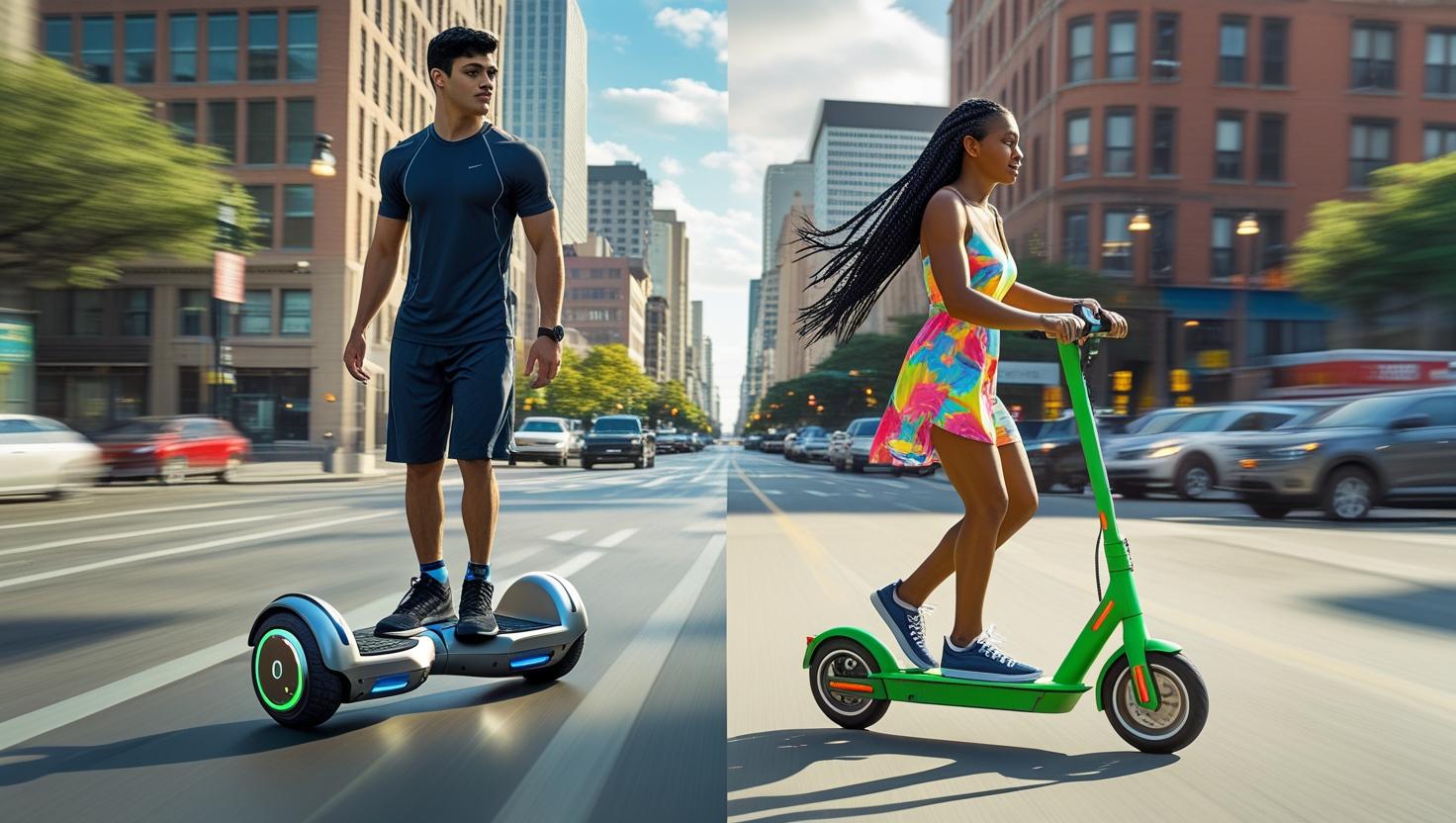
Electric scooter safety is more than a precaution — it is a necessity. Electric scooters can reach speeds of 15–30+ mph (24–48 km/h), and even minor collisions or falls at these speeds can lead to serious injuries. Riders who underestimate the risks or ignore basic safety practices significantly increase their chances of accidents. According to a study in the Journal of Transportation & Health, a large portion of scooter-related injuries result from a lack of protective gear and insufficient rider experience (source).
Focusing on electric scooter safety means understanding the combination of human behavior, environment, and equipment. Factors such as speed control, road conditions, visibility, and mechanical reliability all play a role in determining how safe your ride will be. Neglecting any of these can compromise rider protection and increase the likelihood of accidents.
By prioritizing electric scooter safety, riders can confidently navigate urban streets and bike lanes while minimizing risks. Implementing safety measures such as wearing a certified helmet, using reflective gear, checking your scooter before each ride, and staying aware of traffic patterns not only reduces the risk of injury but also enhances the overall riding experience.
Ultimately, understanding why electric scooter safety matters transforms your perspective from casual riding to proactive risk management, ensuring that every ride is as safe and enjoyable as possible.
1. Protective Gear: Your First Line of Defense
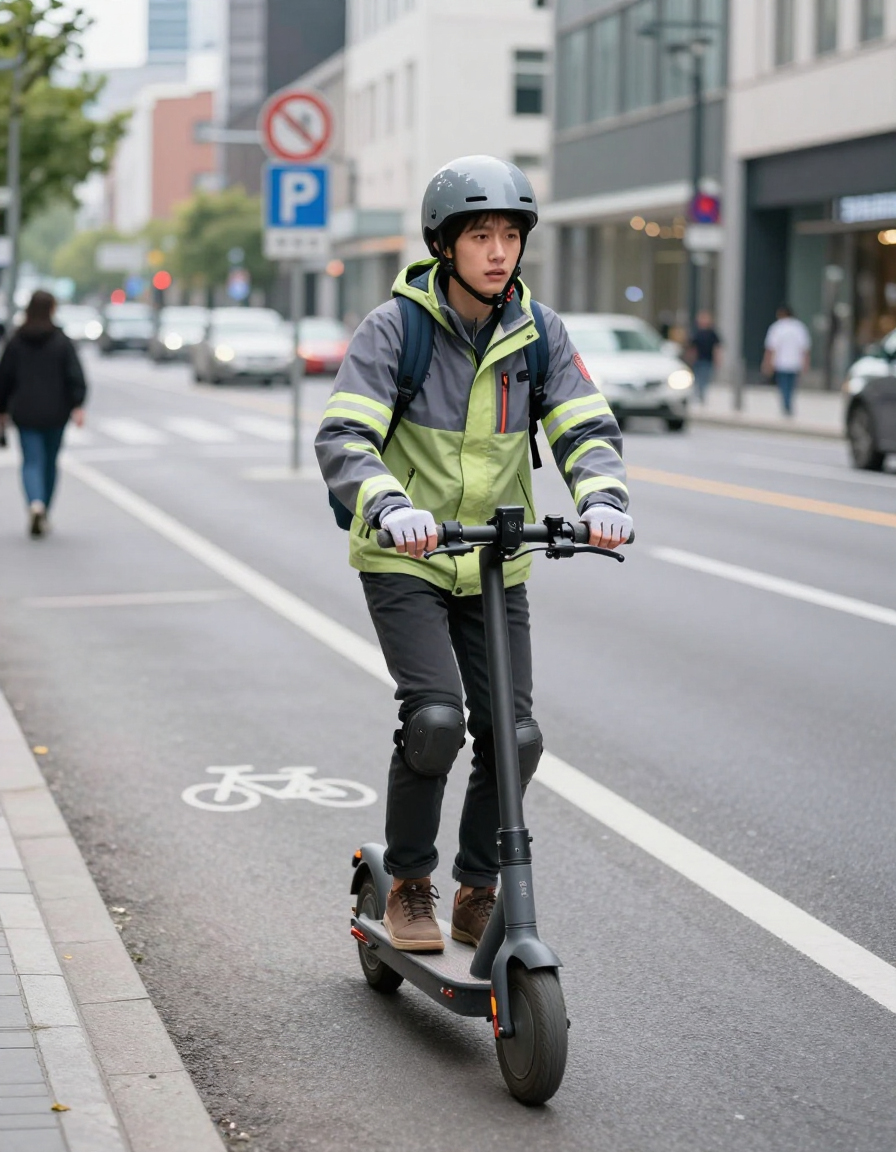
When it comes to electric scooter safety, the choice and use of protective gear is the most critical factor that riders can control. Protective gear acts as your first line of defense against injuries in the event of a fall, collision, or sudden stop. Proper equipment can mean the difference between a minor scrape and a serious injury.
Essential protective gear for electric scooter safety includes:
- Helmet: A certified helmet is the single most important piece of safety equipment. Helmets that meet standards such as CPSC, ASTM, or EN1078 significantly reduce the risk of head trauma during accidents.
- Gloves: Gloves not only improve grip on the handlebars but also protect your hands from cuts, scrapes, and abrasions if you fall.
- Reflective Clothing: Wearing reflective or brightly colored clothing increases visibility, especially in low-light conditions, and helps prevent collisions with cars or pedestrians.
- Knee and Elbow Pads: Especially useful for beginner riders or those traveling at higher speeds, these pads provide extra cushioning and protection in case of falls.
Investing in high-quality protective gear isn’t just a suggestion — it is a core principle of electric scooter safety. Research consistently shows that riders without helmets are at a much higher risk of severe injuries and head trauma (CDC Safety Facts).
By making protective gear a standard part of every ride, you strengthen your personal safety measures, reduce the likelihood of serious injuries, and embrace a mindset where electric scooter safety is always a top priority. Remember, being proactive with gear is one of the simplest and most effective ways to enjoy safe and confident rides every time.
2. Riding Environment: Roads, Sidewalks & Terrain
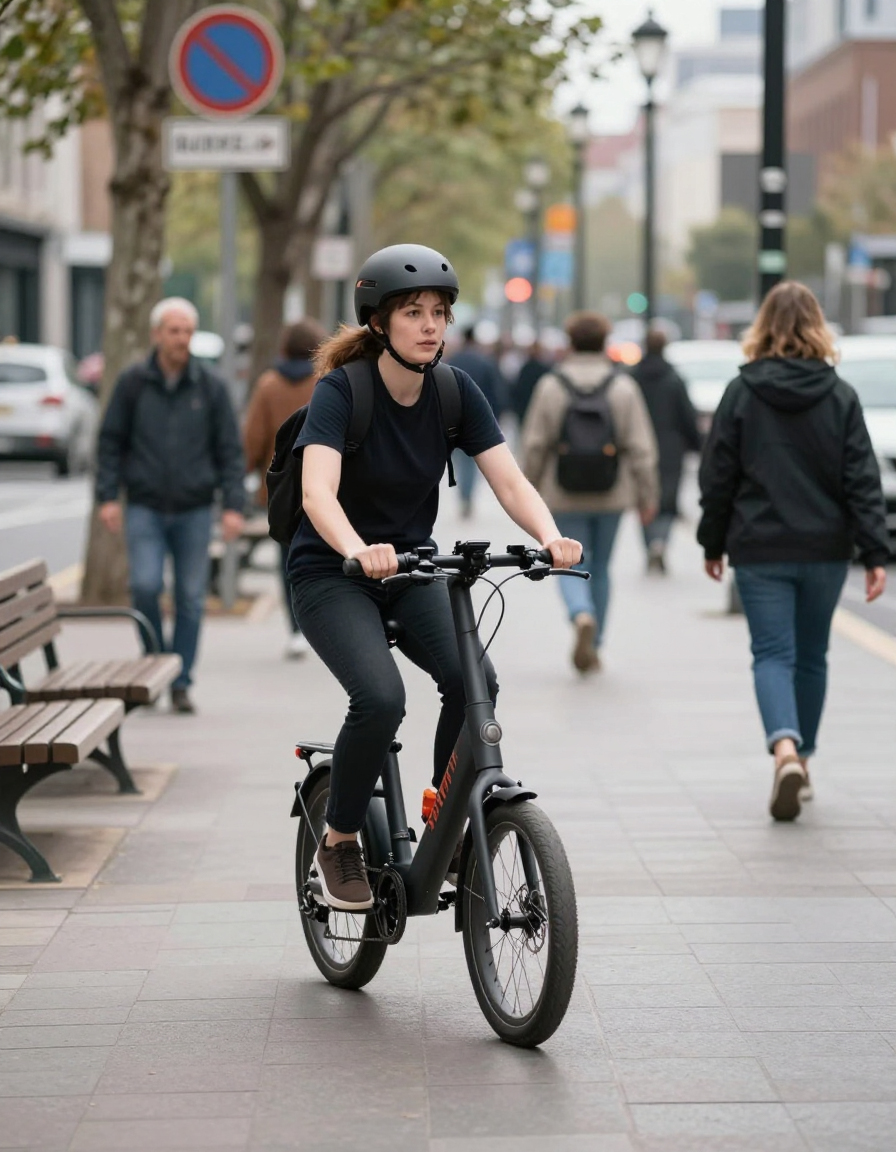
When discussing electric scooter safety, the environment in which you ride is one of the most influential factors. Electric scooters are designed to perform best on smooth, even surfaces like paved roads, bike lanes, and dedicated paths. Riding on uneven terrain, gravel, potholes, or rough sidewalks dramatically increases the risk of losing control and experiencing accidents.
To maintain optimal electric scooter safety, consider the following environmental factors:
- Busy Streets: High-traffic areas pose significant hazards. Riders must obey traffic signals, stay in designated lanes, and remain vigilant for cars, bicycles, and pedestrians.
- Potholes & Debris: Obstacles such as potholes, loose gravel, or fallen branches can easily destabilize a scooter. Constantly scanning your path and adjusting speed can prevent unexpected falls.
- Weather Conditions: Wet or slippery surfaces caused by rain, snow, or ice reduce tire traction. Avoid riding in hazardous weather whenever possible to maintain electric scooter safety.
Urban planning plays a critical role in supporting safe micromobility. Cities that invest in dedicated bike lanes and smooth, well-maintained paths report fewer scooter-related accidents. Awareness of local infrastructure and selecting safe routes significantly enhances electric scooter safety (Victoria Transport Policy Institute).
By choosing appropriate routes, adjusting speed according to conditions, and staying aware of environmental hazards, riders can greatly reduce their risk of accidents. Prioritizing the riding environment is a proactive step in making electric scooter safety a consistent part of every journey.
3. Rider Behavior: Speed and Awareness
One of the most significant factors affecting electric scooter safety is rider behavior. How you control your speed, your level of attention, and the maneuvers you attempt directly impact your risk of accidents. Even a well-maintained scooter can become dangerous if the rider is careless, distracted, or unaware of their surroundings.
To enhance electric scooter safety, riders should adopt the following best practices:
- Maintain a Safe Speed: Riding too fast reduces your ability to react to obstacles or sudden changes in traffic. Adjust your speed according to the environment, especially in crowded streets or pedestrian areas.
- Avoid Phone Use: Using a phone while riding distracts your attention and slows reaction time. Even a brief glance at a screen can significantly increase the chance of a collision.
- Use Hand Signals: Clearly communicating your intentions to other road users, such as turning or stopping, helps prevent misunderstandings and accidents.
Being predictable, maintaining situational awareness, and anticipating the actions of other riders, cyclists, and drivers are essential steps for ensuring electric scooter safety. Simple habits like scanning intersections, signaling turns, and respecting traffic rules make a tangible difference in accident prevention.
Ultimately, responsible rider behavior is at the core of electric scooter safety. By adopting a conscious, proactive approach to speed, attention, and communication, riders significantly reduce the risk of injury while enjoying a smoother and more confident ride.
4. Scooter Maintenance: Mechanical Safety Factors
Proper maintenance is a critical pillar of electric scooter safety. Even the most skilled rider can face serious risks if their scooter is not properly inspected and maintained. Mechanical issues, if ignored, can quickly turn a routine ride into a dangerous situation.
Key components to regularly check to ensure electric scooter safety include:
- Brakes: Test your brakes before every ride. They should respond smoothly and evenly. Faulty brakes are one of the leading causes of scooter accidents.
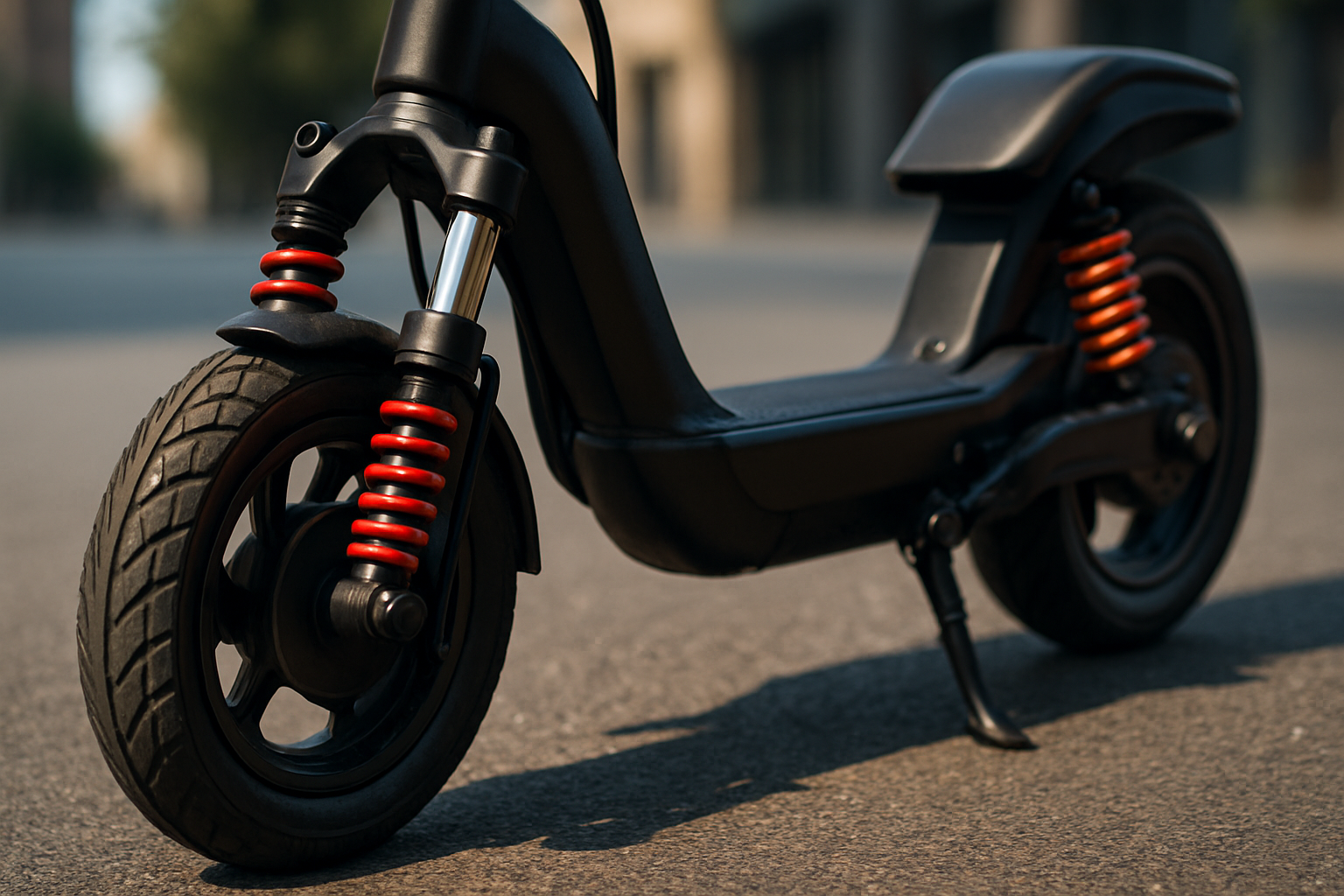
- Tires: Inspect tire pressure and tread depth. Under-inflated or worn tires reduce traction and stability, especially during sharp turns or wet conditions.
- Lights and Reflectors: Functional front and rear lights, along with reflectors, are essential for visibility at night or in low-light conditions. They help you be seen by cars, cyclists, and pedestrians, which directly impacts your electric scooter safety.
Beyond these basics, check for loose screws, worn-out decks, and unusual sounds that may indicate mechanical wear. Performing a quick pre-ride inspection establishes a habit of vigilance that is key to electric scooter safety.
By keeping your scooter in top mechanical condition, you not only protect yourself but also enhance overall ride performance and confidence. Regular maintenance transforms your scooter into a reliable and safe vehicle, making electric scooter safety a consistent and proactive part of every journey.
5. Local Laws and Regulations
Compliance with local laws and regulations is a vital aspect of electric scooter safety. Rules vary widely between cities and countries, and understanding them ensures that your rides are both safe and legal. Ignoring regulations can lead to accidents, fines, or even more serious legal consequences.
Common regulations that affect electric scooter safety include:
- Minimum Age Requirements: Many jurisdictions specify a minimum age for riding electric scooters. Following these rules helps ensure that riders have the necessary maturity and motor skills for safe riding.
- Designated Riding Areas: Some areas require scooters to stay on bike lanes, while others allow limited use on sidewalks or roads. Staying within designated zones minimizes conflicts with pedestrians and vehicles, enhancing electric scooter safety.
- Helmet Laws: Certain cities mandate helmets for all riders or for riders under a certain age. Wearing a helmet, even where not legally required, significantly improves safety outcomes.
Being aware of and adhering to local regulations not only helps avoid fines but also strengthens overall electric scooter safety. Most cities provide up-to-date scooter rules on their official transportation department websites or local government portals. Regularly reviewing these rules ensures you are informed about speed limits, restricted areas, and other safety requirements.
Ultimately, understanding local laws is a proactive measure that protects both you and others. By integrating compliance with regulations into your routine, you make electric scooter safety a consistent and responsible practice every time you ride.
6. Rider Education and Training
Proper education and training are crucial components of electric scooter safety. Many riders start riding without ever practicing basic maneuvers such as smooth acceleration, controlled braking, and safe turning techniques. Skipping this step increases the risk of accidents, especially in busy urban environments.
Investing time in rider training improves not only your confidence but also your ability to react to unexpected hazards. Beginners should practice in open, low-traffic areas to master essential skills, including:
- Smooth Starts and Stops: Learning to accelerate and decelerate gradually reduces the chance of losing balance.
- Turning Techniques: Practicing turns at safe speeds helps maintain control and avoid tipping over.
- Emergency Maneuvers: Knowing how to safely swerve or brake in sudden situations is key for electric scooter safety.
In addition to hands-on practice, riders can enhance electric scooter safety by taking advantage of instructional videos, online tutorials, or local workshops. These resources provide guidance on traffic awareness, proper use of safety gear, and legal considerations. By combining practice with education, riders develop the skills and habits needed for safer and more confident rides.
Ultimately, integrating regular training and ongoing education into your routine reinforces electric scooter safety as a mindset, not just a set of rules. Well-trained riders are better equipped to handle challenges on the road and enjoy the full benefits of micromobility without compromising safety.
Suggested topics:
🎥 Watch: Practical Electric Scooter Safety tips you can use today — from protective gear and speed control to real‑world riding advice for safer rides.
Conclusion: Electric Scooter Safety is a Mindset
Electric scooter safety goes far beyond simply wearing a helmet — it is a mindset that encompasses awareness, preparation, and proactive decision-making. True safety comes from understanding your environment, respecting traffic rules, using proper protective gear, and consistently maintaining your scooter. Each of these components plays a vital role in reducing the risk of accidents and ensuring a smooth, confident ride.
By internalizing electric scooter safety as a mindset, riders adopt habits that make every journey safer. This includes staying alert to road conditions, adjusting speed according to traffic and terrain, practicing safe riding techniques, and keeping up-to-date with local laws and regulations. Combining these habits with well-maintained equipment and thoughtful rider behavior creates a holistic approach to safety that protects both you and those around you.
Embracing electric scooter safety also means continuous learning. Whether it’s improving your maneuvering skills, participating in rider workshops, or staying informed about new safety technologies, ongoing education ensures that your rides remain safe and enjoyable over time.
For more expert tips on electric scooter safety, as well as recommendations for the best scooters and accessories, explore the extensive guides and articles available at RideWattly. Remember, making safety a priority transforms your ride from risky to reliable, and from stressful to enjoyable.
❓ Frequently Asked Questions (FAQ) about Electric Scooter Safety
What is the most important aspect of electric scooter safety?
Do I need a helmet for every ride?
Where is it safe to ride an electric scooter?
How does rider behavior affect safety?
What maintenance checks should I perform?
Are there local laws I need to follow?
Can practicing riding skills improve safety?
How do weather conditions impact scooter safety?
What gear improves visibility at night?
Is electric scooter safety just about equipment?





https://moldovalive.md/war-in-the-shadows-of-servers-how-a-russian-company-could-have-organized-an-attack-against-stark-industries-from-moldova/
Thanks for the help in this question, I too consider, that the easier, the better …
_ _ _ _ _ _ _ _
car hire los gigantes
Just that is necessary, I will participate. Together we can come to a right answer.
_ _ _ _ _ _ _ _
car rental berat