Magnesium vs Spoked Wheels: Which Gives You the Best Ride Experience?
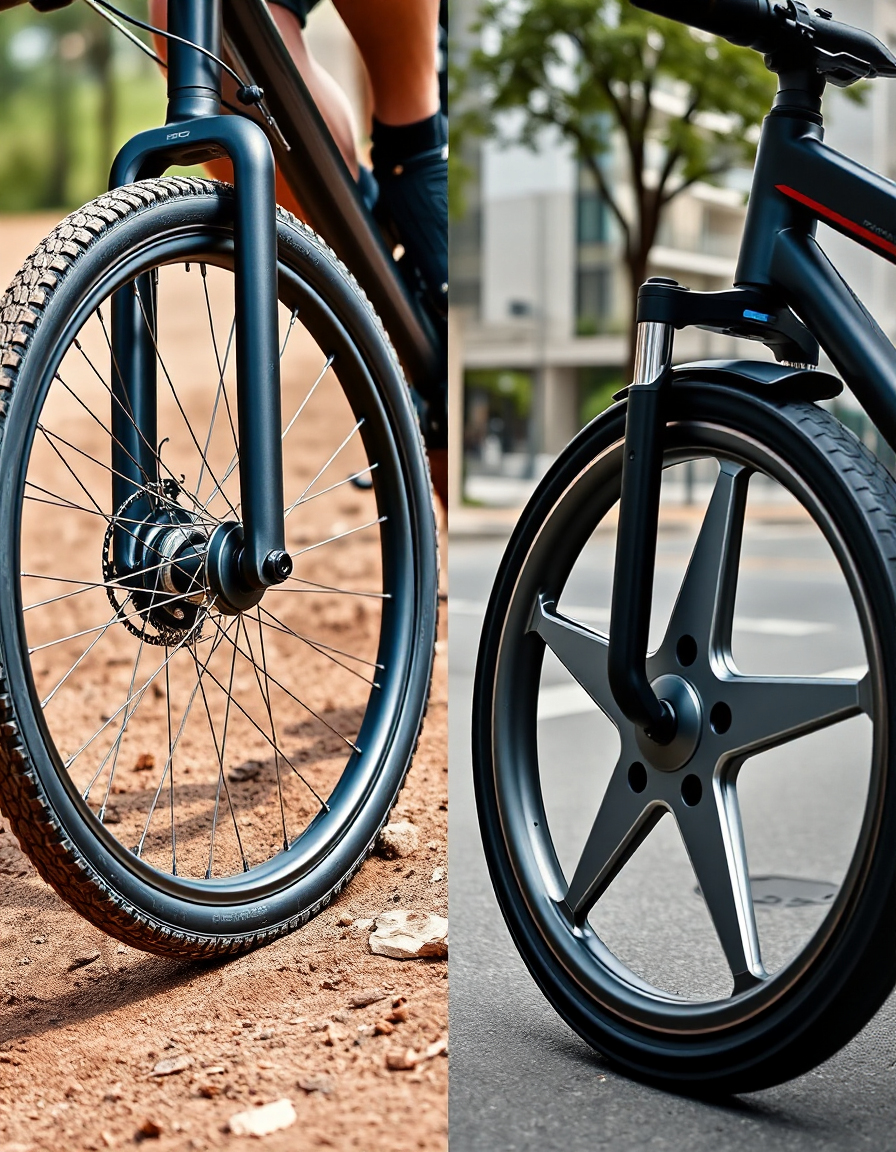
Magnesium vs Spoked Wheels
Choosing between magnesium vs spoked wheels is one of the most important decisions riders face when upgrading or purchasing an electric bike or scooter. The difference between these two wheel types is not just visual — it defines how your ride feels, performs, and lasts over time. In the ongoing debate of magnesium vs spoked wheels, factors like weight, aerodynamics, shock absorption, and maintenance all play a crucial role in overall ride quality and efficiency.
Understanding the magnesium vs spoked wheels comparison begins with how each is built. Spoked wheels use a network of metal spokes connected to a central hub, creating a flexible yet durable structure that excels on rough or uneven terrain. In contrast, magnesium wheels — often made from lightweight alloy blends — are solid, rigid, and designed for stability and modern aesthetics. This difference in construction leads to unique advantages for each type, depending on the rider’s environment and purpose.
When it comes to electric mobility, the magnesium vs spoked wheels discussion becomes even more significant. E-bikes and scooters require a perfect balance between strength and efficiency. Magnesium wheels offer aerodynamic benefits and reduced maintenance, while spoked wheels provide comfort, elasticity, and better shock absorption. Riders who prioritize smooth performance on city streets often prefer magnesium or cast alloy wheels, whereas adventure riders and off-road commuters tend to stay loyal to the classic spoked design.
Ultimately, the magnesium vs spoked wheels choice depends on what kind of rider you are. Do you value the lightweight precision and futuristic look of magnesium alloy wheels, or the time-tested flexibility and repairability of spoked wheels? Each option tells a different story about your riding style — one rooted in performance and design innovation, the other in tradition and resilience. In the sections below, we’ll explore how both types perform in real-world conditions and help you decide which wheel setup best fits your needs.
Read More!
🛞 What Are Spoked Wheels?
In the ongoing debate of Magnesium vs Spoked Wheels, it’s important to understand what makes spoked wheels such a timeless choice. Spoked wheels are built around a central hub connected to the rim by multiple thin metal spokes — typically made from stainless steel or aluminum — that are precisely tensioned to distribute weight evenly across the structure. This engineering approach provides an excellent balance between strength, flexibility, and shock absorption, making spoked wheels one of the most reliable designs ever created.
Unlike solid magnesium or cast alloy designs, the lightweight structure of spoked wheels allows them to flex slightly under pressure. This flexibility gives riders a smoother and more forgiving experience on rough roads, trails, or gravel surfaces. That’s why, when comparing Magnesium vs Spoked Wheels, many off-road enthusiasts, touring cyclists, and mountain e-bike riders continue to favor the spoked option. It’s a design that has evolved through over a century of real-world use — trusted by both traditional cyclists and modern electric riders who value comfort and reliability.
Another key point in the Magnesium vs Spoked Wheels comparison is repairability. Spoked wheels can be maintained and serviced with relative ease — if one spoke bends, loosens, or breaks, it can be replaced individually without discarding the entire wheel. This makes them cost-effective and practical, especially for riders who travel long distances or explore unpredictable terrain. On the other hand, magnesium or alloy wheels, while stronger in some respects, typically cannot be repaired once cracked or bent.
Regular maintenance is part of the spoked wheel experience. Tasks like truing (adjusting spoke tension), tightening nipples, and cleaning the rims help keep the wheel perfectly balanced and extend its lifespan. For riders who enjoy hands-on care or those living in regions with mixed terrain, this routine becomes part of the bond between rider and machine. In contrast, magnesium wheels appeal more to those who want a maintenance-free experience — a key distinction in the Magnesium vs Spoked Wheels discussion.
Ultimately, when weighing Magnesium vs Spoked Wheels, spoked wheels represent tradition, adaptability, and endurance. They may require a bit more attention, but their ability to handle real-world conditions with grace and resilience keeps them relevant even in the age of high-tech electric mobility. Their classic design continues to stand strong — proof that sometimes, the oldest ideas remain the most effective.
⚙️ What Are Magnesium/Alloy Wheels?
In the ongoing debate of Magnesium vs Spoked Wheels, magnesium wheels — also known as cast alloy wheels — represent the modern, technology-driven side of the spectrum. Unlike spoked wheels that rely on tensioned wires for structure, magnesium wheels are engineered as a single, solid piece of metal. They’re typically manufactured using precision casting or CNC machining techniques that create a perfectly balanced and highly rigid wheel, ideal for electric bikes, performance scooters, and high-speed motorcycles.
The key advantage in the Magnesium vs Spoked Wheels comparison lies in durability and design. A magnesium wheel doesn’t need spokes, nipples, or adjustments. This one-piece construction makes it resistant to deformation, perfectly round, and capable of handling higher torque from powerful e-bike motors. The result is smoother acceleration, reduced vibration, and superior stability — especially noticeable at higher speeds or on urban roads where surface consistency is predictable.
From a design perspective, magnesium alloy wheels offer a clean, futuristic aesthetic that gives modern electric vehicles their signature “premium” look. When evaluating Magnesium vs Spoked Wheels for urban commuting, magnesium designs often win the style and convenience categories. Their glossy, aerodynamic surfaces not only look good but also minimize air drag, contributing to improved energy efficiency and slightly longer battery range in some e-bike models.
Maintenance is another area where magnesium alloy wheels shine in the Magnesium vs Spoked Wheels analysis. Since there are no spokes to tighten or replace, the wheel requires virtually no upkeep apart from routine cleaning. For city riders or daily commuters who prefer a “ride-and-forget” approach, this low-maintenance advantage is hard to ignore. The solid structure also ensures that the wheel remains true over time — eliminating issues like spoke tension imbalance that can plague traditional wheelsets.
However, in the broader context of Magnesium vs Spoked Wheels, magnesium designs do have limitations. While incredibly strong, magnesium alloys can be brittle under extreme impact. If a magnesium wheel suffers a major crack or bend, it typically cannot be repaired safely and must be replaced entirely — unlike spoked wheels, where individual spokes can be serviced. Additionally, because magnesium wheels are less flexible, they transmit more vibration from the road, leading to a firmer, sometimes harsher ride on uneven terrain.
Despite these drawbacks, magnesium wheels have become a symbol of innovation and progress in the e-mobility industry. Their corrosion resistance, aerodynamic shape, and mechanical precision make them an ideal match for the growing generation of smart, efficient electric bikes and scooters. In the end, when comparing Magnesium vs Spoked Wheels, magnesium alloys stand as the clear choice for riders who value technology, performance, and modern design over traditional repairability and flexibility.
🔍 Comparison Table: Magnesium vs Spoked Wheels
When comparing Magnesium vs Spoked Wheels, the differences go far beyond appearance — they influence performance, maintenance, comfort, and long-term durability. Understanding these contrasts helps riders choose the right type of wheel based on their riding style, terrain, and budget. Below is a detailed breakdown of how each wheel type performs in key categories.
| Feature | Spoked Wheels | Magnesium/Alloy Wheels |
|---|---|---|
| 💸 Price | Typically more affordable and easier to find, especially for standard bicycles and touring e-bikes. | More expensive due to advanced casting processes and materials, but often worth it for urban and performance riders. |
| ⚖️ Weight | Usually lighter, depending on spoke material and rim construction, which improves acceleration and climbing efficiency. | Slightly heavier overall, yet more aerodynamic and stable at high speeds — a key advantage in the Magnesium vs Spoked Wheels debate. |
| 🛠️ Maintenance | Requires regular maintenance like truing and tightening but allows easy repairs — broken spokes can be replaced individually. | Maintenance-free design with no spokes to adjust, making it ideal for riders who prefer simplicity and reliability. |
| 🪨 Shock Absorption | Offers superior vibration absorption on uneven surfaces — perfect for off-road or mixed-terrain rides. | Provides a stiffer and more direct feel, enhancing control on smooth pavement but less forgiving on bumps. |
| 🌧️ Weather Resistance | Can rust or corrode over time if not made of stainless or properly coated steel. | Excellent corrosion resistance thanks to advanced magnesium alloys and protective coatings — another strong point for Magnesium vs Spoked Wheels comparisons. |
| 🧩 Aesthetics | Classic, rugged look that appeals to traditional riders and adventurers. | Modern, aerodynamic, and futuristic design that complements high-tech e-bikes and scooters. |
| ⛰️ Best For | Adventure touring, gravel riding, and off-road conditions where flexibility and shock absorption matter most. | Urban commuting, performance riding, and riders prioritizing design, speed, and low maintenance. |
In summary, the choice between Magnesium vs Spoked Wheels comes down to your priorities. Spoked wheels excel in flexibility, comfort, and repairability, while magnesium wheels shine in style, stability, and maintenance-free convenience. Understanding this balance ensures you get the optimal riding experience — whether on rugged trails or smooth city streets.
🚴 Real-World Performance: Magnesium vs Spoked Wheels – Which Feels Better?
When it comes to real-world performance, the debate of Magnesium vs Spoked Wheels becomes especially clear once you hit the road. On smooth urban streets or paved bike lanes, magnesium wheels truly stand out. Their rigid, unified construction translates pedal power into motion with minimal energy loss. Riders often describe the feel as “tight” and responsive — ideal for quick accelerations, precise cornering, and consistent speed on flat surfaces. In addition, magnesium wheels tend to roll more quietly, offering a clean and modern riding experience that suits e-bikes and high-speed commuters.
By contrast, spoked wheels reveal their strengths on rougher or mixed terrains. The natural flex of the spokes allows the rim to absorb shocks and vibrations that would otherwise travel up to the rider’s hands and body. This elasticity gives a noticeably smoother ride, especially on gravel, cobblestones, or mountain trails. For long-distance touring or off-road adventures, spoked wheels remain the preferred choice because they balance comfort with reliability.
In the ongoing Magnesium vs Spoked Wheels comparison, it’s not just about material — it’s about riding character. Magnesium alloy wheels deliver sharp precision and low maintenance for riders who value speed and style, while spoked wheels provide adaptability, comfort, and classic mechanical simplicity. Many professional cyclists and e-bike enthusiasts even choose a hybrid approach: spoked wheels for endurance rides or rugged terrain, and magnesium or cast-alloy wheels for daily commutes or performance-focused builds.
Ultimately, the “better feel” in the Magnesium vs Spoked Wheels debate depends on where and how you ride. Urban environments reward the stiffness and aerodynamic efficiency of magnesium wheels, while adventurous riders continue to rely on the forgiving and repairable nature of traditional spoked designs. The best choice comes from matching your wheel type to your terrain, comfort preference, and riding goals.
🏆 Which One Should You Choose? — Magnesium vs Spoked Wheels
After analyzing every aspect of Magnesium vs Spoked Wheels — from structure and maintenance to comfort and real-world performance — the right choice ultimately depends on your priorities as a rider. Both technologies have proven themselves in the world of electric mobility, yet each offers a distinct experience. Choosing wisely can dramatically affect how your e-bike or scooter handles, feels, and lasts over time.
- Choose Spoked Wheels if: you often ride on rough terrain, gravel paths, or mountain trails. The flexible spoke design absorbs shocks, protects the rim from impacts, and offers an unmatched level of comfort on uneven surfaces. Riders who value mechanical simplicity and the ability to perform easy repairs will find spoked wheels ideal for touring, adventure riding, and long-distance journeys. When comparing Magnesium vs Spoked Wheels, this classic design still reigns supreme in endurance and versatility.
- Choose Magnesium Wheels if: you prefer a sleek, modern, and low-maintenance setup that performs best on smooth urban roads. The rigidity of cast magnesium wheels ensures stability at higher speeds, precise cornering, and a polished aesthetic that fits premium e-bikes and city scooters. In the Magnesium vs Spoked Wheels comparison, magnesium wheels are the go-to choice for those who prioritize speed, aerodynamics, and hassle-free operation.
Ultimately, there is no single winner in the Magnesium vs Spoked Wheels debate — only the right choice for your riding style and environment. If your adventures take you off the beaten path, spoked wheels provide durability and comfort. If your rides are urban, fast, and style-driven, magnesium wheels deliver unmatched efficiency and aesthetics. Understanding these differences ensures that your next wheel upgrade isn’t just about looks — it’s about optimizing performance, safety, and enjoyment every time you ride.
Suggested topics:
10 Mistakes to Avoid When Buying electric bikes
Complete U.S. E-Bike Laws Guide
E-Bikes and Batteries Recycling
AI and Smart Sensors
Maintain Your E-Scooter
🎥 Watch: An in‑depth look at Magnesium vs Spoked Wheels on e‑bikes and scooters — understand how each wheel type affects ride comfort, performance, maintenance and terrain adaptation.
💡 Final Thoughts — The True Balance in Magnesium vs Spoked Wheels
When it comes to the ongoing debate of Magnesium vs Spoked Wheels, there’s no absolute winner — only the choice that fits your personal riding goals. Each type brings unique advantages that align with different styles of mobility. Magnesium wheels represent the evolution of e-bike and scooter design, offering a seamless, futuristic structure that eliminates the need for spoke adjustments or rim truing. Their rigidity ensures smoother acceleration on paved roads and enhances long-term durability under urban commuting conditions.
On the other hand, spoked wheels continue to dominate in versatility and real-world adaptability. Their ability to flex and absorb vibrations makes them ideal for riders tackling rough terrain or unpredictable surfaces. When weighing Magnesium vs Spoked Wheels, it’s clear that spoked designs provide unmatched shock absorption and easy field maintenance — a quality that off-road and touring enthusiasts truly appreciate.
In the end, your environment, riding frequency, and maintenance preference will determine the better fit in the Magnesium vs Spoked Wheels comparison. For sleek city riding with minimal upkeep, magnesium wheels are a forward-looking investment. For adventure seekers and long-distance explorers, spoked wheels deliver comfort and resilience that stand the test of time. Understanding the science behind each wheel type allows you to fine-tune performance, efficiency, and safety for every journey.
For further technical insights into materials and wheel dynamics, explore
Engineering Choice’s comprehensive guide on magnesium alloys, which explains why magnesium remains one of the most advanced lightweight materials used in today’s mobility engineering.
❓ Frequently Asked Questions (FAQ) about Magnesium vs Spoked Wheels
What is the main difference between magnesium and spoked wheels?
Which wheels are better for urban commuting?
Are spoked wheels more comfortable on rough terrain?
Can magnesium wheels be repaired if damaged?
Do magnesium wheels weigh more than spoked wheels?
Which wheel type requires more maintenance?
Are magnesium wheels resistant to corrosion?
Which wheels are better for high-speed riding?
Do spoked wheels offer better shock absorption?
How should I choose between magnesium and spoked wheels?






I don’t think the title of your article matches the content lol. Just kidding, mainly because I had some doubts after reading the article.
Your point of view caught my eye and was very interesting. Thanks. I have a question for you. https://www.binance.info/en-ZA/register?ref=B4EPR6J0
I don’t think the title of your article matches the content lol. Just kidding, mainly because I had some doubts after reading the article.
Downloaded the 355betapp is fast and useful. I love it!
Thank you for your sharing. I am worried that I lack creative ideas. It is your article that makes me full of hope. Thank you. But, I have a question, can you help me? https://www.binance.info/register?ref=QCGZMHR6
Your point of view caught my eye and was very interesting. Thanks. I have a question for you.
Can you be more specific about the content of your article? After reading it, I still have some doubts. Hope you can help me.
I don’t think the title of your article matches the content lol. Just kidding, mainly because I had some doubts after reading the article.