Profitable Electric Bike Import and Marketing: The Ultimate Strategic Guide for 2026
Electric Bike Import and Marketing: The Complete Strategic Guide for 2026
The rapid global transformation toward sustainable transportation has unlocked unprecedented momentum in E-Bike Supply Chain & Marketing. What was once considered a niche alternative for eco-conscious commuters has evolved into a multi-billion-dollar industry reshaping urban mobility, logistics, tourism, and last-mile delivery ecosystems.
Today, Electric Bike Import and Marketing is not simply about sourcing products from overseas manufacturers and reselling them locally. It is a complex strategic framework that integrates international supply chain management, regulatory compliance, lithium battery logistics, brand positioning, digital performance marketing, and long-term after-sales infrastructure.
As governments invest in cycling infrastructure and consumers actively seek cost-efficient alternatives to fuel-dependent transportation, the competitive landscape of Electric Bike Import and Marketing is becoming more sophisticated. Businesses entering this space must understand tariff structures, certification standards, quality control systems, and freight risk management—while simultaneously building a brand that communicates reliability, innovation, and sustainability.
For platforms like RideWattly, mastering E-Bike Supply Chain & Marketing means combining technical expertise with digital authority. It requires transforming raw imported inventory into a value-driven ecosystem supported by SEO-driven content, buyer education resources, community engagement, and data-informed advertising strategies.
This strategic guide delivers a structured and actionable deep dive into Electric Bike Import and Marketing, covering supplier sourcing, compliance frameworks, freight optimization, branding differentiation, pricing psychology, and scalable online distribution models. Whether you are launching a private label, expanding into new territories, or optimizing an existing portfolio, understanding the full architecture of E-Bike Brand & Distribution is essential for sustainable profitability in 2026 and beyond.
Efficient e-bike operations require smart planning, supplier evaluation, battery management, and marketing analytics.
These tools help you optimize your import strategy, assess product specs, and maximize profitability in urban mobility markets.
- Battery Pack Builder — design and configure battery packs for optimal performance and compliance.
- Battery Lifespan Calculator — estimate battery durability to plan after-sales support and replacements.
- Electric Bike Range Calculator — predict e-bike travel distances based on load, terrain, and battery configuration.
- Custom E-Bike Price Calculator — calculate profitable pricing for imported models considering costs, duties, and margins.
- Compare E-Bikes & Scooters — benchmark different models for specs, performance, and supplier evaluation.
- Aliexpress Link Extractor — quickly gather supplier information for sourcing and negotiation analysis.
- Blog Topic Cluster Builder — plan content marketing and SEO strategies to drive traffic for your e-bike brand.
- AI Ride Analyzer — analyze real-world performance and user behavior data for better product positioning.
- E-Bike Cost of Ownership — evaluate total expenses including maintenance, battery replacement, and insurance for business planning.
- Import Tax & Fees Calculator — calculate duties, VAT, and customs fees to maintain healthy profit margins.
Read More!
1. Market Overview: Why Electric Bike Import and Marketing Is Booming
The global electric bicycle industry has transitioned from a niche enthusiast segment into a dominant force within the broader mobility revolution. This transformation has significantly expanded the strategic importance of Electric Bike Import and Marketing for entrepreneurs, distributors, and digital-first brands seeking long-term growth opportunities.
Over the past decade, the demand curve has shifted dramatically. What began as a product category targeting early adopters and eco-conscious commuters has evolved into a mainstream transportation solution used by urban professionals, delivery fleets, students, tourists, and recreational riders. As a result, Electric Bike Import and Marketing is now directly connected to infrastructure policy, urban planning, and energy transition strategies.
Several macroeconomic and technological factors are accelerating the growth of E-Bike Brand & Distribution:
- Urban congestion and rising fuel costs – Major cities worldwide are experiencing traffic saturation, pushing consumers toward compact, cost-efficient electric mobility solutions.
- Government incentives and sustainability mandates – Subsidies, tax reductions, and green mobility grants are actively encouraging adoption, strengthening the commercial viability of Electric Bike Business Strategy.
- Advancements in lithium battery technology – Higher energy density, faster charging cycles, and improved safety certifications are making electric bikes more reliable and scalable for mass import operations.
- The expansion of micro-mobility ecosystems – Integration with smart city systems, shared mobility platforms, and IoT connectivity increases the long-term value proposition behind Electric Bike Import and Marketing.
According to global transport research published by the International Energy Agency (IEA), electric mobility adoption continues to accelerate across developed and emerging markets alike. This data reinforces a critical insight: Electric Bike Import and Marketing is not a temporary trend—it is a structural market shift aligned with decarbonization goals and evolving consumer behavior.
For businesses operating in this space, understanding these macro drivers is essential. Strategic Electric Bike Business Strategy requires anticipating regulatory evolution, forecasting demand spikes, optimizing supplier relationships, and aligning branding with sustainability narratives. Companies that position themselves early within this accelerating cycle gain competitive leverage, stronger supplier negotiation power, and greater long-term profitability.
In short, the boom in Electric Bike Import and Marketing reflects a deeper global transition toward efficient, decentralized, and technology-enhanced transportation systems—creating a rare window of opportunity for brands ready to scale intelligently.
2. Supplier Selection in Electric Bike Import and Marketing
One of the most decisive success factors in Electric Bike Import and Marketing is supplier selection. The quality, reliability, and scalability of your manufacturing partners directly determine product reputation, warranty costs, delivery timelines, and long-term brand credibility. In the competitive landscape of Electric Bike Business Strategy, choosing the wrong supplier can erode margins and damage customer trust within a single season.
Global production of electric bicycles is heavily concentrated in Asia—particularly China and Taiwan—where advanced supply chains, battery production facilities, and motor manufacturers are vertically integrated. However, while these regions offer cost efficiency and large-scale output, supplier standards vary significantly. Effective Electric Bike Import and Marketing requires rigorous evaluation beyond price comparison.
Key Supplier Evaluation Criteria
- Battery Certification & Compliance – Ensure full documentation for UN38.3, CE, RoHS, and other regional safety standards. Battery compliance is a core pillar of Electric Bike Import and Marketing due to shipping regulations and liability risks.
- Motor Brand & Component Quality – Established motor systems such as Bafang or Ananda often provide better durability, spare part availability, and global service support, which strengthens after-sales positioning in E-Bike Supply Chain & Marketing.
- Frame Engineering & Structural Testing – Request welding inspections, fatigue stress testing reports, and material composition data. Structural integrity reduces warranty claims and enhances long-term profitability.
- MOQ (Minimum Order Quantity) – Evaluate whether production minimums align with your inventory turnover strategy. Smart E-Bike Brand & Distribution balances economies of scale with cash flow flexibility.
- OEM / ODM Customization Capabilities – Private labeling, frame geometry adjustments, battery integration design, and branding flexibility are critical for differentiation in Electric Bike Import and Marketing.
Beyond technical specifications, operational transparency is essential. Conduct video factory audits, request live production walkthroughs, and verify export history. Platforms like Alibaba provide access to a wide supplier base, but professional Electric Bike Import and Marketing operations always include third-party inspections, pre-shipment quality checks, and structured supplier contracts.
Additionally, consider long-term partnership dynamics. Strong Electric Bike Business Strategy businesses negotiate not only price but also priority production slots, spare parts agreements, warranty component supply, and joint product development roadmaps. The goal is to move from transactional sourcing to strategic collaboration.
Ultimately, supplier selection in Electric Bike Import and Marketing is not about finding the cheapest manufacturer—it is about building a resilient supply foundation that supports compliance, brand positioning, scalable growth, and sustainable profitability in an increasingly competitive global market.

📍 Caption: A manufacturing scene representing global electric bicycle production and supply chain — relevant to import strategies and e-bike market operations.
3. Regulatory Compliance in Electric Bike Import and Marketing
Regulatory compliance is one of the most strategically sensitive pillars of E-Bike Supply Chain & Marketing. Unlike many consumer products, electric bikes operate at the intersection of transportation law, electrical safety standards, battery logistics regulation, and consumer protection frameworks. A single oversight in certification or classification can freeze shipments at customs, trigger financial penalties, or permanently damage brand credibility.
Because Electric Bike Import and Marketing operates across borders, regulatory complexity increases exponentially. Each target market defines electric bike categories differently, enforces unique power limitations, and requires specific labeling and documentation standards. Successful operators treat compliance not as a bureaucratic hurdle—but as a competitive advantage that protects margins and ensures scalable expansion.
United States
In the U.S., E-Bike Brand & Distribution must align with the federal three-class system (Class 1, Class 2, and Class 3). These classifications determine maximum assisted speed, throttle allowance, and infrastructure access permissions. While federal definitions provide baseline structure, individual states impose additional operational rules, including helmet mandates, age restrictions, and pathway access limitations.
Importers must also ensure compliance with consumer safety standards, labeling requirements, and battery transport regulations. Federal oversight guidance can be reviewed via the Consumer Product Safety Commission (CPSC). For Electric Bike Import and Marketing businesses targeting the U.S., documentation accuracy and product labeling precision are critical to avoid enforcement actions.
European Union
The European market enforces stricter harmonized technical standards. Electric bikes classified as EPAC (Electrically Power Assisted Cycles) must comply with EN15194 certification and CE marking requirements. Motor assistance must cut off at 25 km/h with a maximum nominal continuous rated power of 250W.
For Electric Bike Import and Marketing within the EU, conformity assessments, technical files, risk analysis documentation, and Declaration of Conformity (DoC) preparation are mandatory. Additionally, lithium battery compliance under transportation directives must be validated before shipment. Non-compliant products may be seized or prohibited from distribution across EU member states.
Israel and the Middle East
In Israel and neighboring markets, Electric Bike Import and Marketing must align with locally defined speed limits, motor wattage caps, helmet regulations, and battery certification requirements. Import licenses, standards institute approvals, and customs documentation are often required prior to commercial release.
Regulatory shifts in this region can occur rapidly, making continuous monitoring essential. Importers engaged in Electric Bike Business Strategy should maintain direct communication with customs brokers and legal advisors to anticipate policy updates that could impact inventory planning.
Ultimately, regulatory misalignment in E-Bike Supply Chain & Marketing can result in shipment delays, unexpected storage fees, increased customs duties, forced product modifications, or full-scale recalls. Advanced operators mitigate this risk by conducting pre-import compliance audits, verifying supplier documentation authenticity, and consulting regional regulatory specialists before issuing purchase orders.
In a competitive industry where margins depend on smooth supply chain execution, regulatory mastery is not optional—it is foundational. Strategic Electric Bike Import and Marketing integrates legal validation at every stage, transforming compliance from a reactive burden into a proactive growth safeguard.
4. Logistics & Freight Strategy in Electric Bike Import and Marketing
Logistics is the operational backbone of Electric Bike Business Strategy. While branding and sourcing shape market perception, freight strategy determines whether margins remain intact. Because electric bikes contain lithium-ion batteries classified as potentially hazardous goods, shipping within Electric Bike Import and Marketing requires structured planning, regulatory awareness, and cost optimization expertise.
Unlike standard consumer products, E-Bike Brand & Distribution logistics must integrate battery compliance documentation, packaging certification, transport risk mitigation, and customs precision. A poorly planned freight strategy can eliminate profit through demurrage fees, inspection delays, damaged inventory, or rejected shipments.
Core logistics considerations in Electric Bike Import and Marketing include:
- Sea Freight vs. Air Freight Cost Structures – Sea freight offers lower per-unit cost and is ideal for bulk container orders, making it the dominant option in scalable Electric Bike Business Strategy operations. Air freight, while significantly more expensive, may be used for sample shipments, urgent replenishment, or high-margin premium models.
- Battery Shipping Regulations (IATA / IMDG Compliance) – Lithium batteries fall under strict transport classifications. Electric Bike Import and Marketing shipments must comply with UN38.3 testing requirements, proper labeling, and dangerous goods documentation depending on transport mode.
- HS Codes & Customs Declarations – Accurate Harmonized System (HS) classification ensures correct duty calculation and prevents customs disputes. Misclassification in E-Bike Supply Chain & Marketing can trigger audits, fines, or unexpected tariff adjustments.
- Insurance Coverage for Battery and Transit Risks – Given the fire risk associated with lithium batteries, comprehensive cargo insurance is critical. Electric Bike Import and Marketing businesses should verify policy coverage for hazardous goods and potential port storage incidents.
- Port Handling, Warehousing & Last-Mile Distribution – Efficient container unloading, bonded warehousing options, and streamlined domestic distribution reduce storage costs and accelerate time-to-market in Electric Bike Import and Marketing.
Beyond transportation mode selection, strategic Electric Bike Import and Marketing requires forecasting-based inventory planning. Overstocking ties up capital and increases warehouse congestion, while understocking damages brand reliability and sales continuity. Advanced operators integrate demand forecasting tools, reorder point systems, and seasonal sales modeling into their logistics framework.
Partnering with freight forwarders experienced in electric mobility is a major competitive advantage. Specialists familiar with E-Bike Brand & Distribution understand battery compliance nuances, documentation preparation, port inspection protocols, and customs negotiation processes. This expertise significantly reduces risk exposure and shipment friction.
Ultimately, logistics in Electric Bike Import and Marketing is not merely about transportation—it is about building a resilient, cost-efficient supply chain architecture that protects profitability, ensures compliance, and supports scalable international growth.

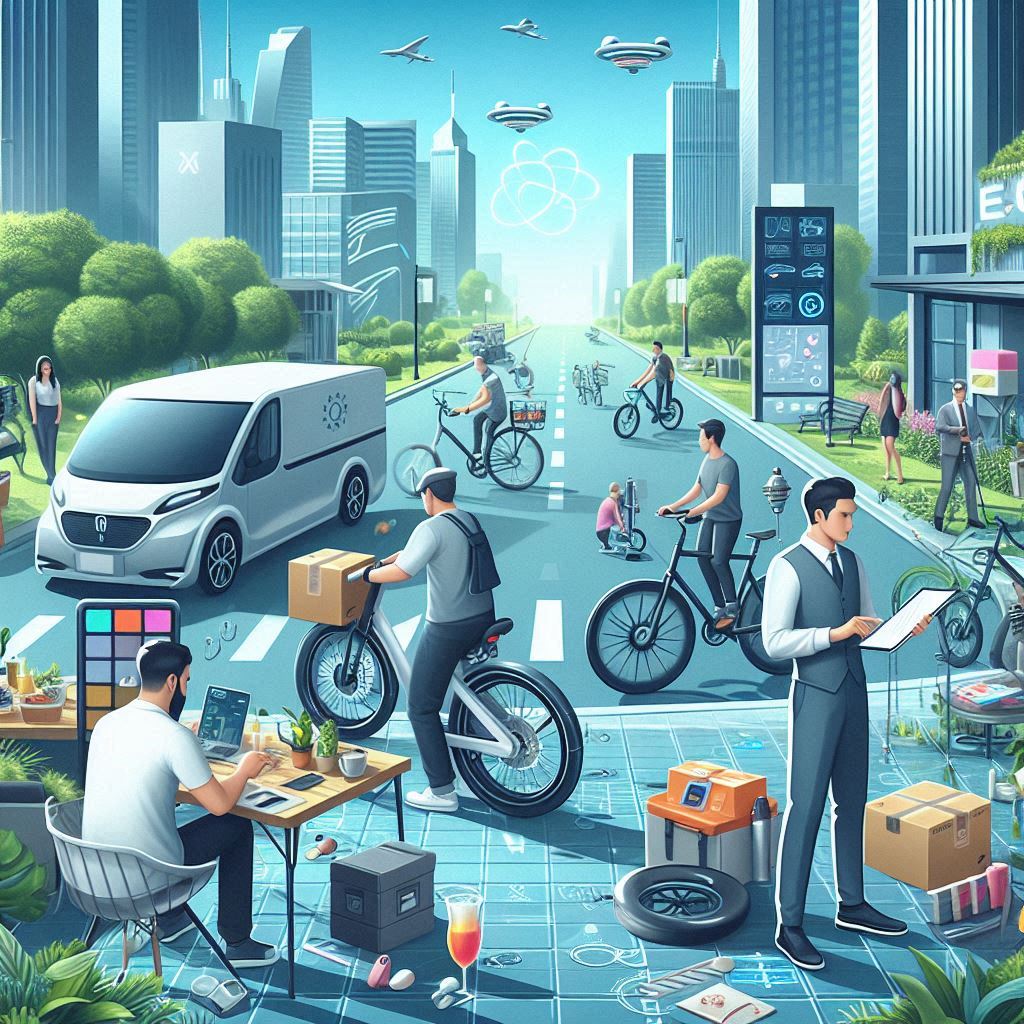
📍 Caption: A city scene featuring electric bicycles in an urban environment, representing trends in sustainable mobility, market growth, and commercial opportunities in the electric bike import and marketing sector.
5. Branding Strategy for Electric Bike Import and Marketing
In the competitive arena of Electric Bike Import and Marketing, importing quality products is only the operational foundation. True long-term profitability is created through strategic brand positioning. Without a clear identity, Electric Bike Import and Marketing businesses risk becoming price-driven resellers competing in a race to the bottom. With strong branding, however, the same imported product transforms into a differentiated, premium asset.
Branding in E-Bike Supply Chain & Marketing is not limited to logos and color palettes. It is a multidimensional strategy that integrates product design, messaging, target audience clarity, customer experience, warranty confidence, and digital presence. The objective is to move from “importer” to “authority brand” within the electric mobility ecosystem.
Brand Differentiation Tactics
- Focused Market Niche – Successful Electric Bike Import and Marketing brands rarely target everyone. Instead, they specialize: urban commuters seeking efficiency, off-road adventure riders demanding torque and suspension strength, cargo bike users focused on family logistics, or delivery fleets prioritizing durability. Niche positioning strengthens marketing clarity and improves conversion rates.
- Distinctive Design Language – Frame geometry, battery integration style, display interface, and even packaging contribute to perceived value. In Electric Bike Import and Marketing, subtle visual differentiation can justify higher pricing and reinforce brand memorability.
- Localized Warranty & Service Infrastructure – Offering clear warranty policies, accessible repair centers, and spare part availability transforms E-Bike Brand & Distribution from transactional commerce into trust-based relationships.
- Community-Driven Ecosystem – Building rider communities through social media groups, organized rides, educational content, and customer spotlight campaigns elevates E-Bike Supply Chain & Marketing into a lifestyle brand rather than a product catalog.
Modern consumers purchasing electric bikes are not merely evaluating motor wattage or battery range. They are investing in identity, sustainability alignment, urban freedom, and technological empowerment. Therefore, Electric Bike Import and Marketing must communicate emotional value alongside technical specifications.
Content marketing plays a central role in this strategy. Educational blog articles, comparison tools, maintenance guides, and transparent battery safety explanations position the brand as a trusted advisor. When Electric Bike Import and Marketing is supported by SEO authority, the brand gains organic traffic, credibility, and long-term digital equity.
Ultimately, the strongest Electric Bike Import and Marketing companies build brands that stand independently of manufacturing origin. The supplier may produce the bike—but the brand defines its meaning, market perception, and profitability ceiling.
6. Digital Marketing Engine for Electric Bike Import and Marketing
In today’s competitive landscape, the true accelerator of E-Bike Brand & Distribution is not just product quality—it is digital visibility. The brands that dominate this sector are those that control attention, search rankings, and buyer education. Without a structured digital marketing engine, even the most efficient Electric Bike Import and Marketing operation will struggle to scale.
For a platform like RideWattly, E-Bike Supply Chain & Marketing must be supported by a multi-layered digital ecosystem that combines SEO authority, data-driven advertising, educational positioning, and conversion-focused architecture. The objective is to transform traffic into trust, and trust into long-term customer value.
A high-performance digital strategy for Electric Bike Import and Marketing should integrate:
- SEO-Optimized Content Targeting Buyer-Intent Keywords – Long-form guides, comparison pages, “best electric bike for…” articles, and technical breakdowns establish topical authority. Strategic keyword clustering around Electric Bike Import and Marketing strengthens domain relevance and improves organic ranking stability.
- Interactive Product Comparison Tools – Allowing users to compare motor power, battery capacity, range, weight, and pricing increases engagement time and boosts conversion probability within Electric Bike Import and Marketing funnels.
- Educational Guides on Battery Maintenance & Safety – Informational content addressing charging cycles, storage practices, and lifespan optimization builds credibility and reduces post-purchase friction.
- Email Automation Funnels – Structured sequences for new subscribers, abandoned cart recovery, product education, and warranty follow-up enhance lifetime value in Electric Bike Import and Marketing operations.
- Influencer & Micro-Influencer Collaborations – Partnering with urban mobility advocates, cycling reviewers, and sustainability creators expands brand reach and reinforces positioning within the Electric Bike Import and Marketing ecosystem.
Beyond organic SEO, performance marketing channels such as paid search, social media ads, and retargeting campaigns amplify Electric Bike Import and Marketing reach during peak demand seasons. Data analytics tools should continuously track cost per acquisition (CPA), return on ad spend (ROAS), and funnel drop-off points.
Search behavior analytics further validate the opportunity. Data from Google Trends consistently shows increasing global interest in electric mobility-related queries. This upward trajectory confirms that Electric Bike Import and Marketing is aligned with evolving consumer intent and long-term transportation shifts.
Ultimately, the digital marketing engine transforms E-Bike Supply Chain & Marketing from a supply-based business into a demand-driven brand ecosystem. The companies that invest in content authority, conversion optimization, and data intelligence will control not only traffic—but market leadership.

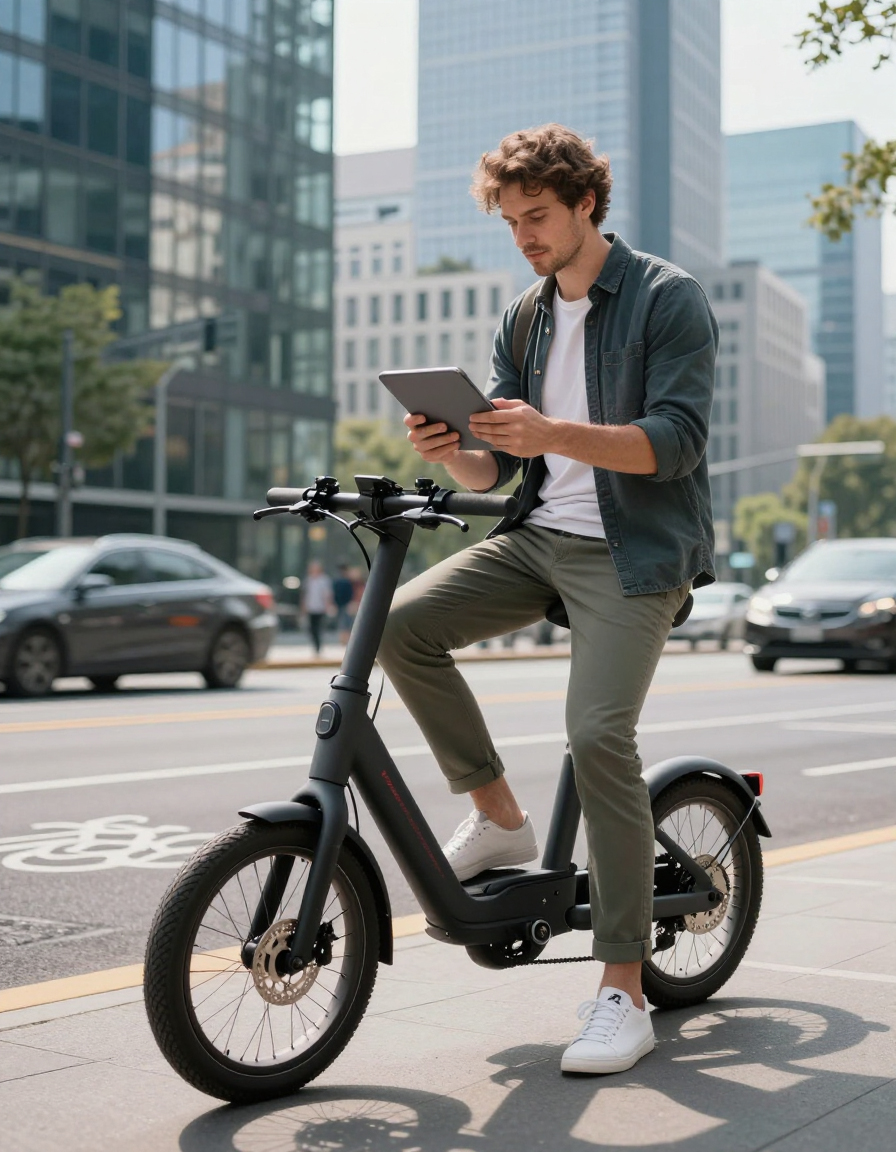
🎯 Caption: An urban e-bike representing the professional import and marketing of electric bicycles, highlighting sustainable mobility trends and business operations in the modern e-bike market.
7. After-Sales Infrastructure in Electric Bike Import and Marketing
In the competitive landscape of E-Bike Brand & Distribution, the initial sale is only the beginning. Long-term profitability, brand loyalty, and market authority are built on a robust after-sales infrastructure. Without it, even premium products risk negative reviews, returns, and reduced customer lifetime value.
Effective after-sales systems in E-Bike Supply Chain & Marketing encompass several strategic components:
- Spare Parts Inventory – Maintaining a readily available stock of motors, batteries, displays, tires, and other critical components ensures that repairs and replacements can be handled promptly. For Electric Bike Import and Marketing, this minimizes downtime for customers and strengthens perceived reliability.
- Certified Repair Partners – Partnering with qualified service centers or certified technicians guarantees quality maintenance. Electric Bike Import and Marketing operations that integrate certified repair networks enhance trust and reduce liability risk.
- Battery Replacement Programs – Batteries are the most sensitive and costly component of electric bikes. Structured replacement programs, including trade-in or recycling options, not only comply with environmental regulations but also reinforce a sustainable brand image in Electric Bike Import and Marketing.
- Transparent Warranty Policy – Clearly defined warranty terms for frames, motors, and electronics build confidence. Communicating warranty coverage, process steps, and service turnaround times is critical for converting first-time buyers into repeat customers within Electric Bike Import and Marketing.
Beyond individual components, after-sales infrastructure in E-Bike Supply Chain & Marketing creates a feedback loop that informs product development, supplier selection, and inventory planning. Customer complaints, repair patterns, and warranty claims provide actionable insights that strengthen both operational efficiency and market positioning.
Ultimately, trust is the currency of Electric Bike Import and Marketing. Brands that deliver fast, reliable, and transparent after-sales service convert one-time buyers into loyal advocates, increase referral potential, and establish sustainable competitive advantage. In this sector, after-sales excellence is not optional—it is a core differentiator that separates market leaders from commodity-level resellers.
8. Financial Planning and Profit Margins in Electric Bike Import and Marketing
Financial planning is a cornerstone of sustainable success in Electric Bike Import and Marketing. While the industry offers attractive gross margins—typically ranging from 20% to 45% depending on brand positioning, product differentiation, and operational efficiency—profitability is highly sensitive to import costs, logistics, marketing spend, and inventory strategy.
Key financial considerations for Electric Bike Import and Marketing include:
- Import Duties and VAT – Accurate calculation of tariffs, value-added taxes, and customs clearance fees is critical. Misestimating these costs can significantly erode projected profit margins and impact pricing strategy within Electric Bike Import and Marketing.
- Marketing Cost per Acquisition (CPA) – Digital marketing drives scale, but unoptimized campaigns can inflate CPA, reducing overall profitability. Monitoring CPA across SEO, paid ads, email automation, and influencer partnerships ensures that E-Bike Supply Chain & Marketing campaigns maintain a positive ROI.
- Inventory Turnover Rate – Excess stock ties up capital, increases warehousing costs, and risks obsolescence. Conversely, low inventory turnover can lead to missed sales opportunities. Strategic Electric Bike Import and Marketing balances order volume with demand forecasting and seasonal trends.
- Customer Lifetime Value (LTV) – After-sales service, warranty programs, and community engagement increase repeat purchases and referrals. High LTV enables brands in Electric Bike Import and Marketing to justify premium pricing, invest in marketing, and scale sustainably.
Advanced operators in Electric Bike Import and Marketing combine lean supply chains with premium brand positioning. By negotiating favorable supplier terms, optimizing shipping logistics, and strategically deploying marketing resources, businesses can maintain healthy margins while delivering high-value products. Furthermore, integrating predictive financial modeling and scenario analysis allows companies to anticipate cash flow fluctuations, mitigate risks from tariff changes, and make informed investment decisions.
Ultimately, in E-Bike Supply Chain & Marketing, disciplined financial planning is not just about cost control—it is about creating a scalable, resilient, and profitable business model that can compete globally while sustaining premium brand perception.
Suggested topics:
10 Mistakes to Avoid When Buying electric bikes Complete U.S. E-Bike Laws Guide E-Bikes and Batteries Recycling AI and Smart Sensors Smart Urban Riding Etiquette
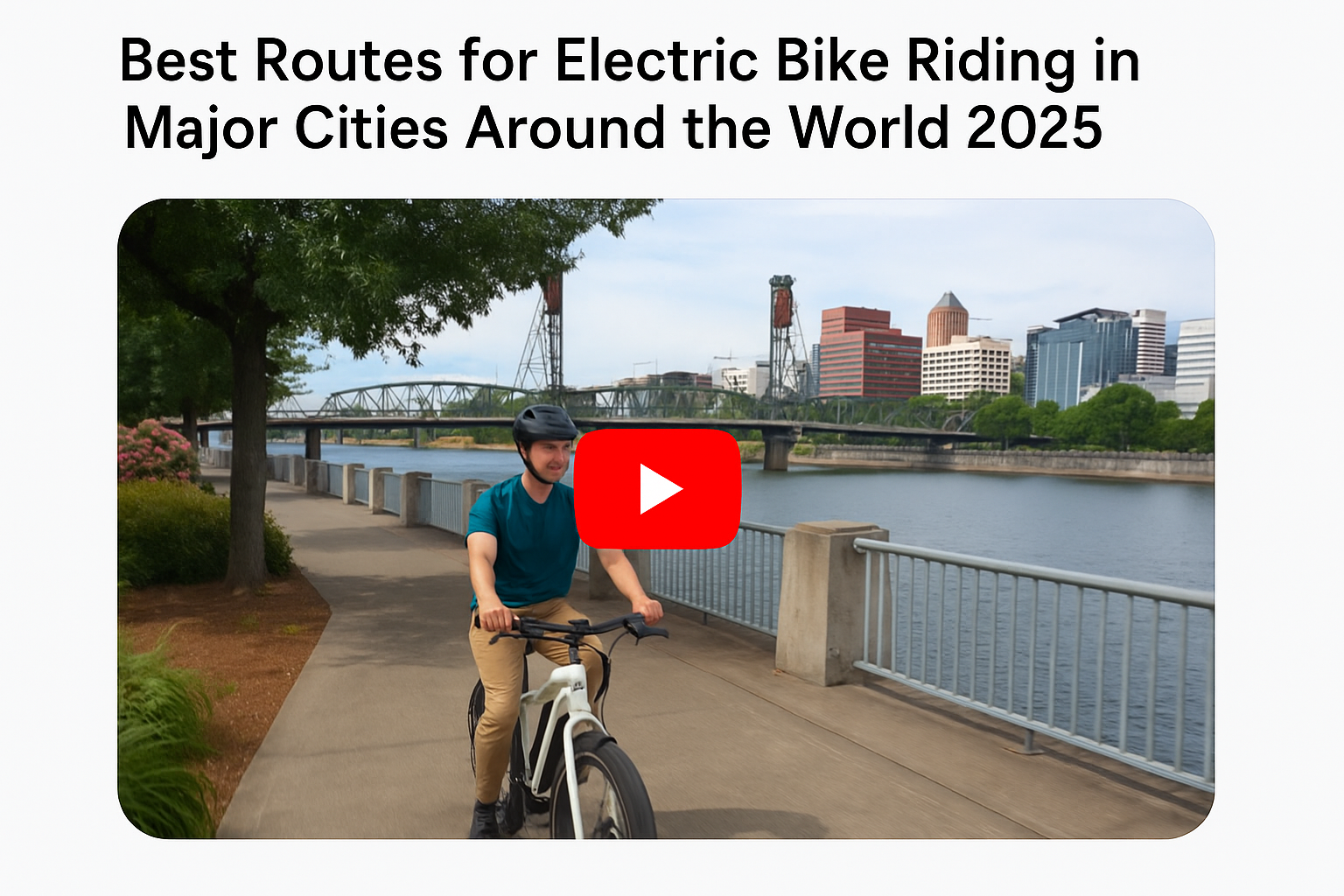
🎥 Watch: An overview of the e‑bike market in 2025, highlighting industry growth trends, demand shifts, and opportunities
for businesses involved in importing and selling electric bikes — perfect context for your article on Electric Bike Import and Marketing.
9. Future Trends in Electric Bike Import and Marketing
The future of Electric Bike Import and Marketing is being shaped by rapid technological innovation, evolving consumer expectations, and a global shift toward sustainable urban mobility. Companies that anticipate and integrate these trends will secure competitive advantage, higher margins, and stronger brand loyalty.
- Smart IoT-Enabled Bikes – Integration of GPS tracking, app-based diagnostics, ride analytics, and anti-theft systems is redefining user experience. For Electric Bike Import and Marketing, IoT features not only differentiate products but also create opportunities for recurring subscription services, connected maintenance alerts, and real-time fleet management for commercial clients.
- Subscription-Based Ownership Models – Monthly rental or lease programs are transforming the traditional purchase model. Forward-thinking Electric Bike Import and Marketing businesses can leverage these models to reduce upfront costs for consumers, stabilize recurring revenue, and enhance fleet utilization in urban areas.
- Battery Swapping Ecosystems – Rapid adoption of swappable battery systems allows riders to extend range without waiting for long charging cycles. Implementing this model within E-Bike Supply Chain & Marketing operations requires partnerships with local swap stations, standardized battery design, and smart logistics planning.
- AI-Powered Predictive Maintenance – Machine learning algorithms can analyze rider behavior, battery health, and motor performance to predict maintenance needs before failures occur. Electric Bike Import and Marketing companies that deploy predictive maintenance platforms improve customer satisfaction, reduce warranty costs, and reinforce brand reliability.
Additional emerging trends influencing E-Bike Brand & Distribution include sustainable material sourcing, urban mobility integration with public transport apps, and blockchain-based supply chain transparency. Brands that position themselves at the intersection of technology, sustainability, and community engagement will define the market leaders of the next decade.
Ultimately, the companies dominating Electric Bike Import and Marketing in the coming years will be those that combine advanced digital ecosystems, innovative business models, and deep customer insight. Staying ahead requires continuous monitoring of global mobility trends, proactive supplier collaboration, and agile adaptation to regulatory, technological, and consumer shifts.
Conclusion: Building Authority Through Electric Bike Import and Marketing
Electric Bike Business Strategy has evolved from a transactional activity into a comprehensive strategic ecosystem. Success in this space requires mastery across multiple interconnected domains: manufacturing intelligence, rigorous regulatory compliance, optimized logistics, distinctive brand positioning, and advanced digital marketing architecture. Companies that excel simultaneously in these areas do more than sell products—they set the standard for industry excellence.
For a platform like RideWattly, positioning as both an authority and an intelligence hub within Electric Bike Import and Marketing creates significant competitive advantage. By curating data-driven insights, supplier benchmarks, regulatory updates, and trend forecasting, RideWattly can empower businesses and consumers alike while reinforcing its own market leadership. This dual role—as marketplace facilitator and thought leader—amplifies credibility, drives repeat engagement, and strengthens long-term brand equity.
Building authority in E-Bike Supply Chain & Marketing also involves proactive innovation. This includes investing in predictive analytics, IoT integration, subscription-based ownership models, and sustainable battery ecosystems. Companies that anticipate market shifts, leverage digital ecosystems, and communicate value beyond product specifications will dominate the sector.
Ultimately, the opportunity extends far beyond importing bikes. Strategic Electric Bike Import and Marketing is about architecting the future of smart, sustainable, and connected urban mobility. By integrating operational excellence with thought leadership, RideWattly and similar forward-thinking platforms can define the trajectory of the industry, create lasting customer trust, and secure a resilient, high-margin market position for the decade ahead.
❓ Frequently Asked Questions (FAQ) about E-Bike Import and Marketing
What are the main challenges in importing e-bikes?
How do I select reliable suppliers for e-bike imports?
Which countries are leading in e-bike manufacturing?
What regulatory standards should I follow when importing e-bikes?
What is the best logistics strategy for e-bike imports?
How can branding improve profitability in e-bike imports?
Which digital marketing tactics work best for e-bike businesses?
Why is after-sales infrastructure important for e-bike brands?
How do financial planning and profit margins affect e-bike import businesses?
What future trends will impact e-bike import and marketing?