The Silent Pollution: The Shocking Truth About Electric Bike Tires and Brakes
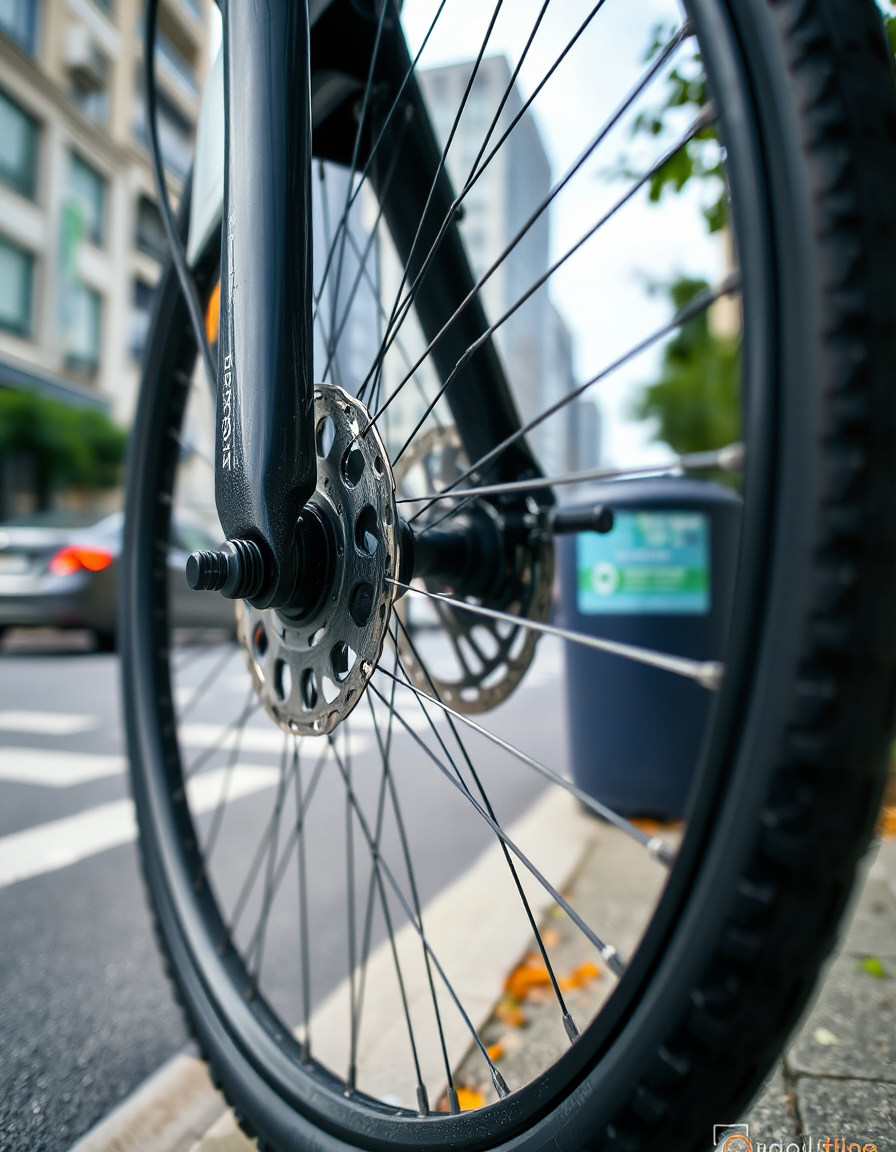
Unmasking The Silent Pollution: What Every E-Bike Rider Should Know
While electric bikes are celebrated for reducing greenhouse gas emissions and offering a cleaner alternative to traditional vehicles, there’s a lesser-known environmental concern that riders should be aware of: The Silent Pollution. This term refers to the microplastics, heavy metals, and fine particulate matter released into the environment through the wear and tear of e-bike tires and brake pads.
According to a study published in Science of the Total Environment, tire wear particles (TWPs) are considered a significant source of microplastic pollution. These particles, originating from the degradation of synthetic rubber, contribute to the flow of microplastics into the environment.
Read the study.
The European Environment Agency estimates that tire wear alone releases hundreds of thousands of tons of microplastics into the oceans annually.
Forbes report.
These particles are carried by wind and rain, accumulating in remote areas like the Arctic and oceans.
Wired article.
Brake pads, especially those containing copper, also contribute to The Silent Pollution. A study highlighted by The Guardian found that microscopic particles emitted from brake pads can be more toxic than those from diesel exhaust emissions.
The Guardian report.
These particles can pollute soil and air, exacerbating environmental issues.
Understanding The Silent Pollution is essential for riders who want to make truly sustainable choices. This article will explore which e-bike components are the most environmentally impactful, the types of materials used in tires and brakes, and practical strategies riders can adopt to reduce their footprint.
Keep your tires and brakes in top condition to reduce wear, noise, and pollution.
These verified tools help monitor performance, detect issues early, and maintain safety.
-
Tire Pressure Advisor —
maintain correct tire pressure to reduce wear, noise, and rolling resistance. -
Noise Analyzer —
detect squeaks, grinding, or brake noise to prevent further damage and reduce pollution. -
Chain & Alignment Checker —
ensure drivetrain and wheels are properly aligned for smoother, quieter rides. -
Maintenance Planner
—
get a tailored maintenance schedule for tires, brakes, and drivetrain. -
Cleanliness Score Tool —
check how clean your brakes and tires are to prevent dust, debris, and brake wear.
Read More!
🚴 Tire Wear & Microplastics – A Key Source of The Silent Pollution
Every time an e-bike rider hits the road, tires gradually erode, releasing tiny rubber fragments that contribute to The Silent Pollution. These microplastics eventually wash into waterways, settle in soil, and enter urban ecosystems. The problem is more pronounced in densely populated cities, where frequent stop-and-go riding and hard braking increase abrasion rates. Studies such as those by the United Nations Environment Programme (UNEP) suggest that tire wear is one of the largest single contributors to microplastic pollution worldwide, responsible for up to 30% of all microplastics entering the oceans annually.
The Silent Pollution from tire wear is not just a local problem. Microplastic particles are carried by rainwater into storm drains, rivers, and eventually oceans, where they persist for decades and pose a risk to aquatic life. Recent research indicates that marine species can ingest these particles, which then enter the food chain, potentially impacting human health as well.
- Rubber degradation: As e-bike tires wear down, they release microscopic rubber particles into streets, rivers, and seas, adding to the global microplastic load.
- Material types: Most tires are made from synthetic rubber derived from petroleum, carbon black, and plastic composites that do not biodegrade, contributing heavily to The Silent Pollution.
- Urban vs. off-road: Urban commuting accelerates tire wear due to frequent braking and cornering, while off-road tires shed more rubber from rough terrains.
- Alternative options: Some brands now offer tires made with partially recycled or natural rubber compounds, helping to reduce the environmental footprint and mitigate The Silent Pollution.
Riders can further reduce microplastic emissions by maintaining proper tire pressure, choosing durable tire compounds, avoiding aggressive riding styles, and rotating tires regularly. Adopting these practices helps limit the contribution of e-bikes to The Silent Pollution, making electric mobility truly greener for both cities and natural ecosystems.
🛑 Brake Pad Emissions – The Silent Pollution in Urban Air
Brake systems are another significant but often overlooked contributor to The Silent Pollution. During braking, friction causes minute particles of metals, resins, and other compounds to detach from the pads and disperse into the air. Unlike tailpipe emissions, these particles are largely unregulated, yet they can seriously degrade urban air quality, particularly in densely populated areas with heavy e-bike traffic.
The Silent Pollution from brake pads includes fine metallic dust containing copper, iron, and zinc, as well as resin and ceramic particles. These pollutants settle on streets, infiltrate soil, wash into storm drains, and ultimately contaminate waterways. Long-term exposure to these particles can pose respiratory and cardiovascular health risks for humans, and toxic metals can affect aquatic life when washed into rivers and oceans.
- Disc brakes: Widely used on modern e-bikes, disc brakes create fine metallic dust during operation, especially from copper or resin-based pads, contributing heavily to The Silent Pollution.
- Environmental risks: These particles can contaminate soil, air, and water. Inhaling metallic dust is linked to respiratory and cardiovascular problems, while runoff into waterways affects aquatic ecosystems.
- Hydraulic vs. mechanical: Hydraulic brakes tend to last longer, which can reduce the total emissions of particles over time compared to cheaper mechanical discs.
- Eco-friendly pads: Organic brake pads made from natural fibers, ceramics, or non-toxic binders offer a cleaner alternative, generating less harmful dust and mitigating The Silent Pollution.
Research from cities like London and San Francisco has shown that brake dust contributes significantly to urban air pollution, sometimes rivaling emissions from vehicles. According to studies published in Atmospheric Environment, metallic particles from brake pads worsen respiratory health and accumulate in urban soils. For e-bike riders, switching to organic or ceramic pads, maintaining brakes properly, and avoiding aggressive braking are some of the most effective steps to reduce their personal contribution to The Silent Pollution.
🌱 Ways to Reduce The Silent Pollution Impact
The good news is that both e-bike riders and manufacturers can take meaningful steps to reduce The Silent Pollution caused by tires and brakes. While no material or component is completely impact-free, smarter choices can significantly cut down harmful emissions, protect urban air quality, and reduce microplastic contamination in waterways.
- Choose low-wear tires: Select tires rated for high mileage and designed with sustainable compounds. Premium or eco-friendly tires may cost more upfront but last longer, shedding fewer microplastics and reducing The Silent Pollution over time.
- Opt for organic brake pads: When not riding in extreme downhill or racing conditions, organic or ceramic brake pads provide sufficient stopping power without contributing metallic dust to streets, air, and soil.
- Maintain proper inflation: Underinflated tires wear out faster, releasing more microplastics into the environment. Regularly checking and inflating tires to the recommended pressure reduces emissions and extends component lifespan.
- Regular maintenance: Cleaning your bike reduces buildup of pollutants on tires and brakes, while proper storage in cool, dry conditions helps preserve materials and lowers environmental impact.
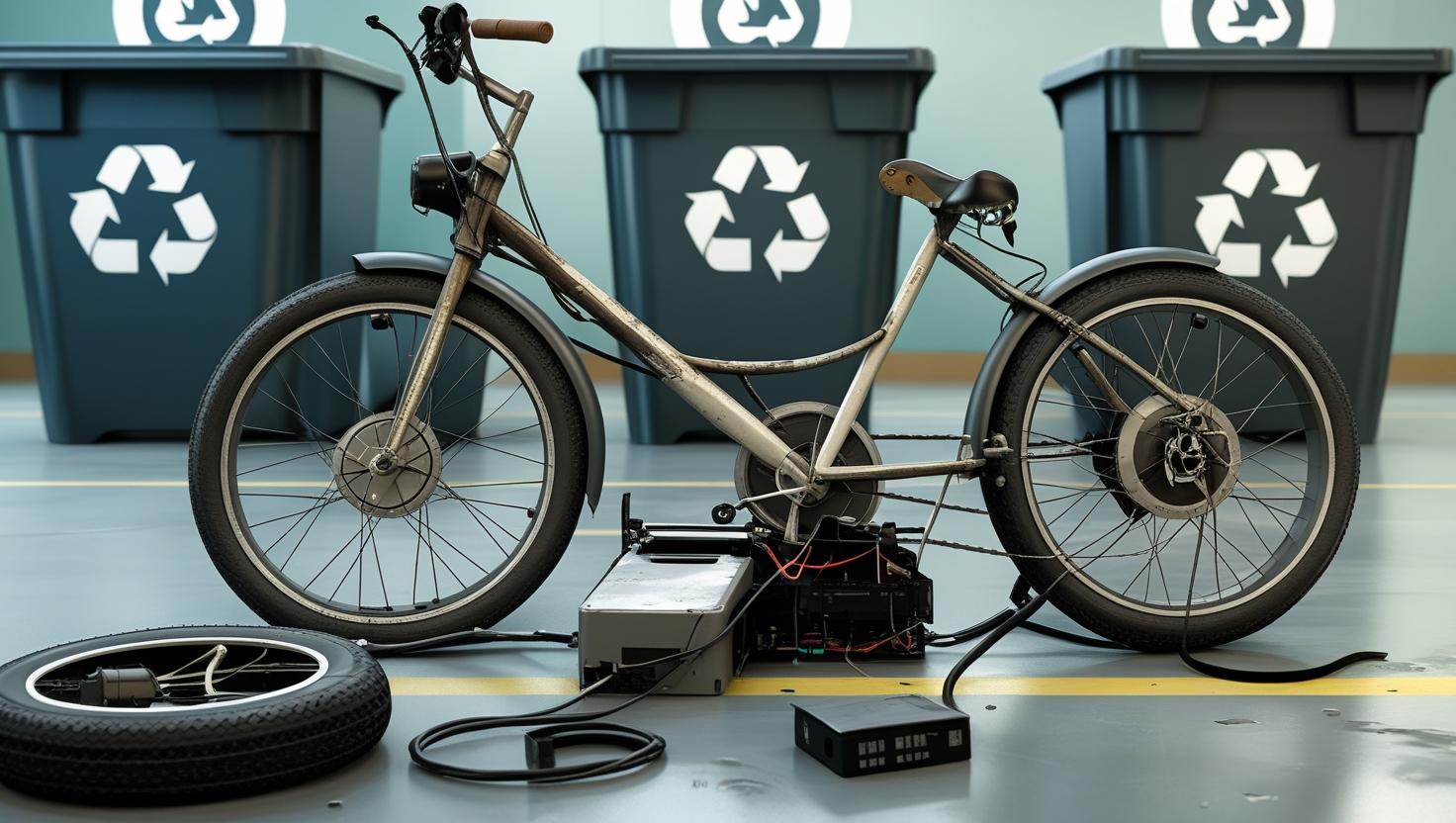
- Recycle components: Many local bike shops accept used tires and brake pads for recycling, keeping harmful materials out of landfills and helping to reduce The Silent Pollution.
- Support green brands: Choose companies that invest in eco-materials, transparent supply chains, and sustainability certifications, encouraging innovation to tackle microplastics and brake dust pollution industry-wide.
Beyond personal actions, growing consumer demand for eco-friendly components pressures manufacturers to innovate. Just as the automotive industry is addressing tailpipe emissions, the cycling industry is beginning to confront The Silent Pollution from tires and brake pads, developing materials and systems that reduce environmental impact without compromising performance.
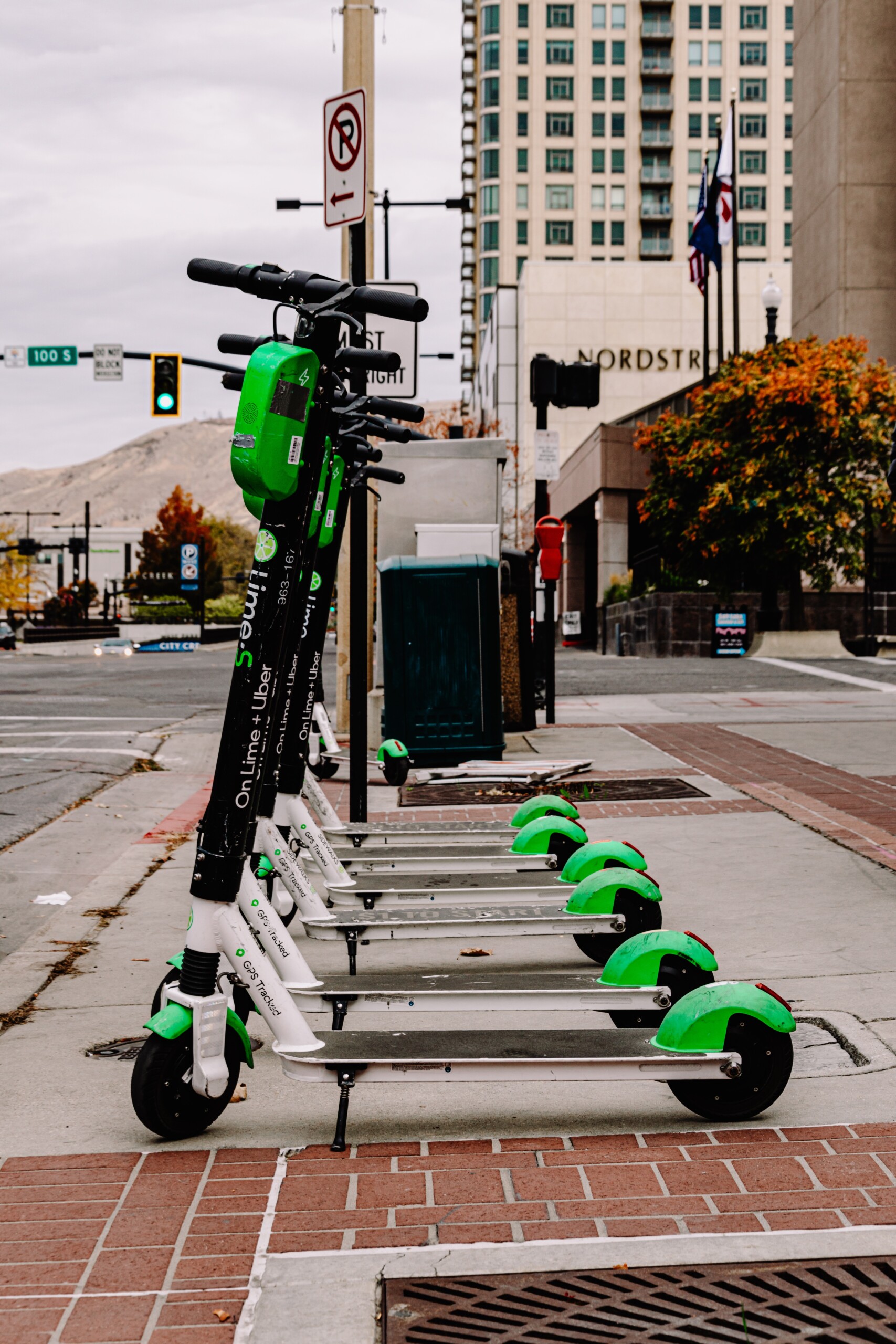
📊 Materials Comparison Table – Understanding The Silent Pollution
Not all e-bike components are created equal when it comes to environmental impact. The Silent Pollution from conventional tires, brake pads, chains, and frames can accumulate over time, affecting urban air, waterways, and soil. The table below compares traditional materials with eco-friendly alternatives, highlighting how smarter choices can reduce the ecological footprint of electric mobility.
| Component | Conventional Material | Eco-Friendly Alternative | Environmental Impact |
|---|---|---|---|
| Tires | Synthetic Rubber, Carbon Black | Natural Rubber, Recycled Rubber | Moderate to High – contributes to microplastic The Silent Pollution |
| Brake Pads | Copper, Resin | Organic Fibers, Ceramic | High – metallic dust significantly contributes to urban The Silent Pollution |
| Chains & Lubricants | Petroleum-based Oils | Biodegradable Plant-based Oils | Moderate – reduces soil and water contamination |
| Frames & Forks | Aluminum, Carbon Fiber | Recycled Aluminum, Recycled Carbon | Low to Moderate – reduces mining and energy consumption |
“Riding electric doesn’t mean riding clean — not unless we consider what’s beneath the wheels and behind the brakes, and the impact of The Silent Pollution.”
Looking for Sustainable Parts?
Visit our guide to the most eco-conscious tires, brake pads, and accessories for e-bikes that reduce The Silent Pollution.
Suggested topics:
E-Bikes and Batteries Recycling
AI and Smart Sensors
Smart Urban Riding Etiquette
E-Bike Storage Solutions
Puncture-Resistant E-Bike Tires
🎥 The Silent Pollution: How E-Bike Tires and Brakes Impact the Environment
🎥 Watch: See how innovative technology captures microplastic pollution from e-bike tires and why it matters for urban environments, reducing The Silent Pollution.
🌍 Final Thoughts – Confronting The Silent Pollution
Electric bikes represent a critical step toward reducing transportation emissions, alleviating traffic congestion, and promoting healthier, more active lifestyles.
Yet, the environmental benefits of e-bikes are only part of the story. To truly embody green living, we must acknowledge and address the hidden reality of The Silent Pollution — the microplastics from tire wear, metallic and resin dust from brakes, and the broader ecological impact of the materials used in manufacturing.
By making conscious choices, riders can significantly reduce their contribution to The Silent Pollution. This includes selecting low-wear and eco-friendly tires, using organic or ceramic brake pads, maintaining proper tire pressure, and performing regular maintenance to limit pollutant runoff. Meanwhile, manufacturers have a responsibility to innovate with sustainable compounds, recycled materials, and biodegradable lubricants, ensuring that the shift to electrification does not trade one environmental problem for another.
The future of sustainable mobility goes beyond simply replacing gasoline with batteries. It extends to the lifecycle of every component, the micro-pollutants we emit daily, and the conscious choices we make as a community of riders. Only by tackling The Silent Pollution at every level — from materials to riding habits — can e-bikes truly deliver on their promise of clean, responsible, and eco-friendly urban transportation.
In conclusion, e-bikes are not just a mode of transport — they are a statement of environmental stewardship. Recognizing The Silent Pollution and actively working to mitigate it transforms every ride into an opportunity to protect the environment, preserve public health, and inspire a greener future for all.
❓ Frequently Asked Questions (FAQ) about The Silent Pollution
What is “The Silent Pollution” from e-bikes?
It refers to microplastics, heavy metals, and particulate matter released from e-bike tires and brake pads,
which affect air and water quality.
Are e-bike tires harmful to the environment?
Conventional synthetic rubber tires release microplastics as they wear down.
Opting for natural or recycled rubber tires can reduce this impact.
Do brake pads contribute to pollution?
Yes. Disc brakes, especially with copper or resin pads, emit fine metallic dust that can pollute soil and air.
Organic brake pads are a cleaner alternative.
How can riders reduce their impact?
Choose low-wear tires, use organic brake pads, and maintain your e-bike regularly to minimize pollutant runoff.
Do e-bikes cause less pollution than cars overall?
Yes. Despite tire and brake emissions, e-bikes have a significantly smaller environmental footprint compared to cars,
since they use less material, produce fewer greenhouse gases, and take up less road space.
Are there innovations to make e-bike components more eco-friendly?
Absolutely. Researchers are developing biodegradable tires, copper-free brake pads, and advanced recycling systems
to reduce microplastic and metal pollution from e-bikes.







Hello team!
I came across a 151 very cool website that I think you should visit.
This site is packed with a lot of useful information that you might find helpful.
It has everything you could possibly need, so be sure to give it a visit!
[url=https://bizminton.com/best-smartphones-for-the-best-photographies/]https://bizminton.com/best-smartphones-for-the-best-photographies/[/url]
And do not overlook, guys, that you at all times are able to within this piece locate answers for the most the absolute complicated questions. We made an effort to lay out all content via the most most easy-to-grasp way.
I don’t think the title of your article matches the content lol. Just kidding, mainly because I had some doubts after reading the article.
I don’t think the title of your article matches the content lol. Just kidding, mainly because I had some doubts after reading the article. https://accounts.binance.info/it/register-person?ref=P9L9FQKY
Alright, gave ABCVIPU888 a shot. The selection is decent, and I managed to snag a few wins. Worth checking out if you’re looking for something new: abcvipu888.
Thank you for your sharing. I am worried that I lack creative ideas. It is your article that makes me full of hope. Thank you. But, I have a question, can you help me? https://www.binance.com/register?ref=IXBIAFVY
Thank you for your sharing. I am worried that I lack creative ideas. It is your article that makes me full of hope. Thank you. But, I have a question, can you help me?