E-Bike Lighting Guide: 7 Essential Tips to Illuminate Your Ride Safely and Effectively
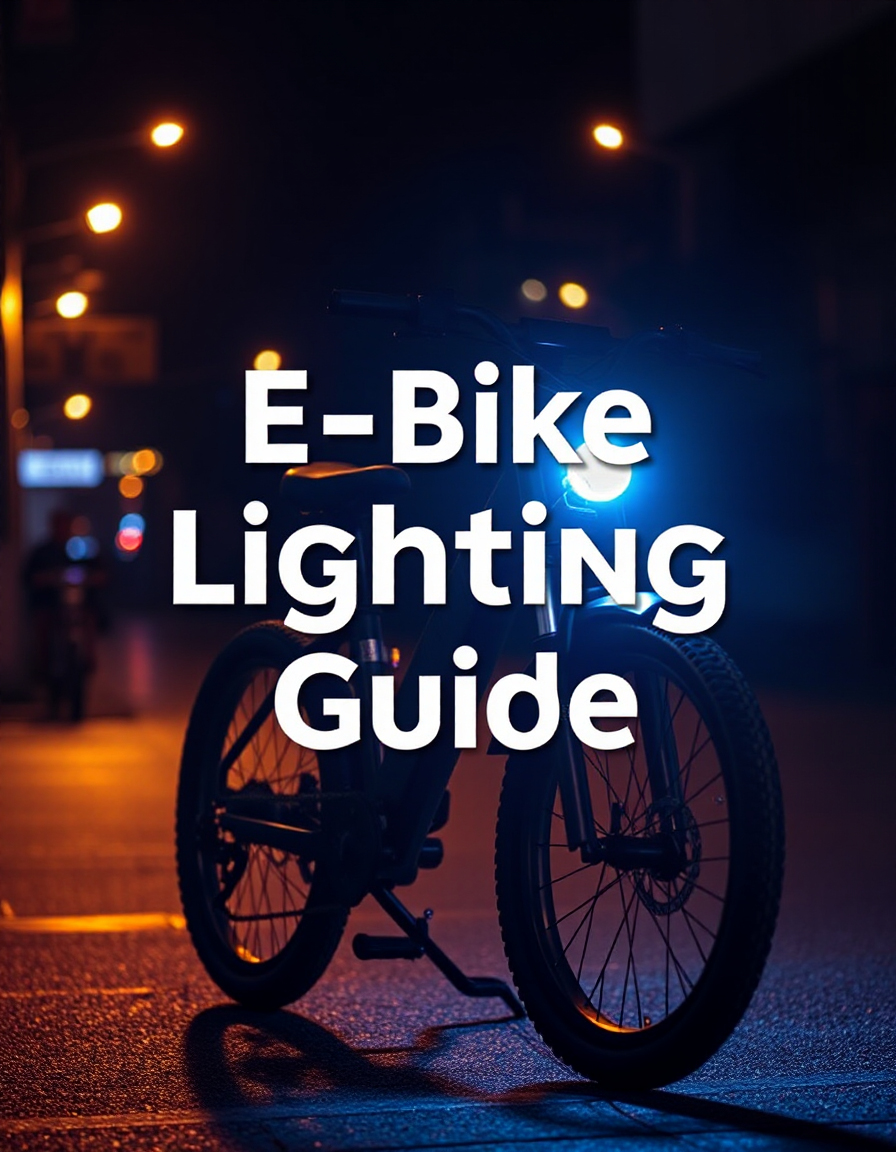
E-Bike Lighting Guide: Illuminate Your Ride Safely and Effectively
Proper e-bike lighting is essential for every rider, whether you commute daily, explore after sunset, or ride in low-visibility conditions. Effective lighting not only makes you visible to others but also helps you see the road clearly, avoiding obstacles and hazards. In this E-Bike Lighting Guide, we will cover everything you need to know to optimize your bike’s lighting setup and ensure maximum safety on every ride.
The first step in understanding the right lighting for your e-bike is knowing the different types of lights available. From powerful front headlights that illuminate the path ahead, to rear taillights that signal your presence to traffic, and additional side or wheel lights that enhance visibility from all angles, this E-Bike Lighting Guide breaks down the options and explains their specific uses. Choosing the correct combination of lights depends on your riding style, typical routes, and local traffic conditions.
Placement and alignment are equally critical. Front lights should be positioned to cast a broad beam without blinding oncoming traffic, while rear lights need to be visible from a distance. Reflectors and auxiliary lights can further improve your visibility. Our E-Bike Lighting Guide provides step-by-step recommendations on optimal placement, ensuring that every ride is both safe and comfortable, whether you’re cycling in urban streets, country roads, or forest trails.
Legal requirements vary by region, and understanding them is crucial for compliance and safety. This guide explains the standard rules for brightness, color, and usage of e-bike lights, helping you avoid fines and ride confidently. Additionally, we share maintenance tips to keep your lighting system reliable, including battery care, weatherproofing, and regular checks. Finally, our E-Bike Lighting Guide highlights the top-rated lights for 2025, combining performance, durability, and affordability to suit any e-bike setup.
By following the advice in this E-Bike Lighting Guide, you can illuminate your ride effectively, enhance your visibility, and enjoy every journey safely, day or night. Investing in proper e-bike lighting is not just a matter of convenience—it is a crucial step toward responsible and secure cycling.
Read More!
E-Bike Lighting Guide: Why It Matters for Your Safety
Riding an e-bike often means sharing roads with cars, pedestrians, and fellow cyclists. Proper lighting is not just a convenience—it is a critical safety measure. According to research, cyclists equipped with both front and rear lights are significantly less likely to be involved in accidents, particularly during low-light conditions such as dawn, dusk, fog, or nighttime rides. This E-Bike Lighting Guide emphasizes why investing in high-quality lighting can make a real difference in your riding safety.
Beyond being seen by others, effective e-bike lighting allows you to see clearly yourself. A well-illuminated path helps detect potholes, uneven surfaces, debris, pedestrians, and road signs in advance, enabling smoother navigation and faster reaction times. In this E-Bike Lighting Guide, we explore how different types of lights—such as high-lumen front headlights, focused spotlights, rear safety lights, and reflective accessories—can enhance visibility and reduce risks on every ride.
Furthermore, safety regulations in many regions require certain lighting standards for e-bikes, including brightness levels, positioning, and visibility angles. This E-Bike Lighting Guide provides detailed recommendations for compliance, helping riders stay within the law while maximizing their safety. Properly installed and maintained lights not only protect you from potential accidents but also improve your confidence during challenging or nighttime rides.
In short, following the advice in this E-Bike Lighting Guide ensures that your e-bike is equipped for maximum visibility, allowing you to enjoy your rides safely, whether commuting in the city or exploring trails after sunset.
Types of E-Bike Lighting to Consider
Choosing the right lighting setup is crucial for safety, visibility, and comfort on every ride. This E-Bike Lighting Guide explores the main types of e-bike lights, their purposes, and how to select the best options for your needs.
- Front Lights: Typically bright white LEDs that illuminate your path ahead. High-quality front lights offer adjustable brightness levels, multiple beam patterns, and wide coverage to ensure you can see obstacles, road signs, and pedestrians clearly. In this E-Bike Lighting Guide, we recommend considering lights with rechargeable batteries or dynamo options for longer rides.
- Rear Lights: Red lights that alert drivers and riders behind you. Flashing or pulse modes significantly enhance visibility in traffic, especially in urban areas or during poor weather. Our E-Bike Lighting Guide emphasizes the importance of mounting rear lights at a visible height, such as on the seat post or rear rack, for maximum safety.
- Helmet Lights: Mounted on your helmet, these lights follow your line of sight, illuminating turns, intersections, and areas your main front light might miss. According to this E-Bike Lighting Guide, helmet lights are ideal for off-road trails or winding paths, providing additional awareness and helping you spot hazards quickly.
- Side and Wheel Lights: Often decorative, these lights serve a critical safety function by increasing lateral visibility. Adding lights to your wheels or bike frame ensures that drivers approaching from the side can see you, reducing the risk of side collisions. This E-Bike Lighting Guide highlights side lighting as a valuable addition, particularly for city commuting or cycling in areas with high traffic.
By understanding the different types of lights and their specific benefits, riders can create a comprehensive lighting setup tailored to their riding style. Following this E-Bike Lighting Guide ensures that every ride is safer, more visible, and enjoyable, whether you commute daily or explore new trails after dark.
Best Placement for E-Bike Lighting
Proper positioning of e-bike lighting is one of the most critical factors for rider safety and visibility. In this E-Bike Lighting Guide, we explain where and how to mount your lights for optimal effectiveness. Front lights should ideally be mounted on the handlebars or the front fork, positioned to illuminate the road directly ahead without blinding oncoming traffic. Rear lights should be attached to the seat post or rear rack at roughly eye level for drivers, ensuring maximum visibility from a distance. Helmet-mounted lights complement your field of vision by following the direction of your gaze, which is especially useful on turns or off-road trails. Additionally, side lights on wheels or the frame enhance lateral visibility, providing near 360-degree awareness and making you more noticeable in urban traffic or poorly lit areas.
Rechargeable vs Battery-Powered E-Bike Lighting
When selecting e-bike lighting, the power source plays a key role in convenience, runtime, and sustainability. Rechargeable lights, typically USB-charged, are eco-friendly, cost-effective over time, and easy to maintain, making them a popular choice for daily commuters. Battery-powered lights often offer longer runtimes, which can be advantageous for long-distance or off-grid rides, but they require spare batteries and careful monitoring to avoid running out mid-ride. This E-Bike Lighting Guide emphasizes choosing a solution that aligns with your riding style, frequency, and personal maintenance preferences, ensuring your lighting system remains reliable whenever you hit the road.
Following the recommendations in this E-Bike Lighting Guide for proper placement and power selection guarantees that your e-bike is equipped for maximum visibility. Strategic positioning combined with the right power source not only improves your safety but also enhances your confidence, allowing you to ride comfortably in any conditions, from city streets to rural paths.
Legal Requirements for E-Bike Lighting in Different Regions
Understanding the legal requirements for e-bike lighting is essential for both compliance and safety. Regulations vary across countries, states, and even cities, but most jurisdictions share some common rules. Typically, riders are required to equip their e-bikes with a white front light and a red rear light when riding at night. In addition, some regions mandate the use of reflectors, side lights, or flashing modes to increase visibility in low-light conditions. This E-Bike Lighting Guide provides an overview of these legal requirements to help you ride confidently and avoid fines.
In Europe, for example, e-bikes must meet the EN 15194 standard, which specifies minimum lighting intensity, reflector placement, and visibility angles. In the United States, state-specific laws often reference general bicycle regulations, requiring front and rear lights during nighttime or low-visibility conditions. Some areas go further, requiring helmets with integrated lights or additional reflective elements. Following these guidelines not only ensures legal compliance but also greatly enhances your safety. This E-Bike Lighting Guide explains how to check local regulations and choose lights that meet or exceed the legal standards in your area.
It’s important to stay up to date, as lighting regulations can change with new safety initiatives. For authoritative guidance, consult the National Highway Traffic Safety Administration (NHTSA) website in the U.S., or your local transportation authority. By following this E-Bike Lighting Guide, you can ensure that your e-bike lighting setup is fully compliant while maximizing your visibility and safety on every ride.
How to Maintain Your E-Bike Lighting System
Proper maintenance of your e-bike lighting system is crucial for safety, visibility, and the longevity of your equipment. This E-Bike Lighting Guide provides detailed tips and best practices to ensure your lights perform reliably in all conditions, whether commuting at night, riding on trails, or navigating urban streets.
- Charge rechargeable lights regularly: Keep your USB-rechargeable lights fully charged and ready for use. If you have battery-powered lights, always carry spare batteries to avoid running out during a ride. The E-Bike Lighting Guide recommends setting a consistent charging schedule to prevent unexpected power loss.
- Clean lenses frequently: Dirt, dust, and grime can significantly reduce light output. Wipe lenses with a soft, damp cloth regularly to maintain maximum brightness and beam clarity, as emphasized in this E-Bike Lighting Guide.
- Check mounting brackets: Ensure all lights are securely fastened before every ride. Loose or misaligned lights can reduce visibility or fall off during motion. Following the advice in this E-Bike Lighting Guide helps prevent accidents caused by unstable lighting setups.
- Test lights prior to low-light rides: Before heading out at night or in foggy conditions, test all front, rear, helmet, and side lights. This E-Bike Lighting Guide emphasizes routine checks to confirm that all lights function at optimal brightness and flash modes.
- Inspect wiring and connectors: For integrated e-bike lighting systems, regularly examine wiring, connectors, and attachment points for wear, corrosion, or damage. Proper inspection, as recommended in this E-Bike Lighting Guide, ensures safe and uninterrupted operation.
By following the maintenance practices outlined in this E-Bike Lighting Guide, you can ensure that your e-bike lights remain effective, reliable, and safe for every ride, day or night.
Top E-Bike Lighting Products and Features to Look For
Choosing the right lighting products can make a significant difference in both safety and riding experience. This E-Bike Lighting Guide highlights leading brands known for quality, reliability, and innovative features. Top options include Lezyne, which is renowned for durable, high-lumen rechargeable lights; CatEye, offering ergonomic designs and versatile mounting options; and Nitefox, featuring smart integration with apps, customizable flash modes, and performance tracking. Following the advice in this E-Bike Lighting Guide will help you choose lights that suit your riding style and safety needs.
When evaluating e-bike lights, consider the features that maximize visibility, convenience, and durability. High lumen output is essential for illuminating roads, trails, and obstacles clearly. Multiple beam settings allow you to adjust the spread and intensity of light depending on your environment. Water resistance, indicated by an IPX rating, ensures performance in rain or wet conditions. Long battery life or quick-charging options reduce downtime, and easy installation or removal makes switching between bikes effortless. This E-Bike Lighting Guide explains why these features matter and how to prioritize them based on your typical rides.
- High lumen output for maximum brightness and clear visibility
- Multiple beam settings for adaptable lighting in different conditions
- Water resistance (IPX rating) for reliable performance in wet weather
- Long battery life or quick charging for extended rides
- Easy installation and removal for convenience and flexibility
By choosing lights that meet these criteria, as recommended in this E-Bike Lighting Guide, you can enhance both your safety and riding experience. Investing in quality e-bike lighting ensures you remain visible, confident, and prepared for all conditions, from city streets to off-road trails.
Smart E-Bike Lighting Guide: The Future of Ride Safety
The evolution of e-bike lighting has entered the era of smart technology, offering riders unprecedented levels of safety, convenience, and customization. This E-Bike Lighting Guide explores modern smart lighting systems that go beyond traditional front and rear lights. Features such as automatic brightness adjustment adapt to ambient light conditions, ensuring optimal visibility without manual intervention. Brake-activated rear lights signal sudden deceleration to vehicles behind you, reducing the risk of collisions, while integrated turn signals communicate your intentions clearly in traffic.
Many smart e-bike lights now connect to smartphone apps, providing control over light patterns, flash modes, and battery monitoring. Some systems even offer GPS-based adaptive lighting, adjusting beam direction and intensity based on speed, direction, and road type. According to this E-Bike Lighting Guide, these innovations significantly enhance rider awareness and interaction with other road users, especially in busy urban environments or on multi-use paths.
Incorporating smart lighting into your e-bike setup, as recommended in this E-Bike Lighting Guide, not only improves visibility but also adds a layer of proactive safety. By leveraging technology, riders can navigate streets and trails with greater confidence, reduce the risk of accidents, and enjoy a more connected and intelligent cycling experience.
Suggested topics:
10 Mistakes to Avoid When Buying electric bikes
Complete U.S. E-Bike Laws Guide
E-Bikes and Batteries Recycling
AI and Smart Sensors
Smart Urban Riding Etiquette
🎥 Watch: Step‑by‑step tutorial from this E‑Bike Lighting Guide on how to install and position your front and rear lights correctly, plus tips on wiring and mounts for maximum safety.
Explore More E-Bike Accessories for a Complete Ride Setup
Interested in elevating your e-bike experience to the next level? This E-Bike Lighting Guide is just one part of ensuring a safe, enjoyable, and fully equipped ride. To complement your lighting system, explore our comprehensive guide to e-bike accessories, which covers essential gear such as helmets, reflective clothing, locks, panniers, and maintenance tools. By integrating these accessories with a proper lighting setup, as outlined in this E-Bike Lighting Guide, you can enhance both your safety and convenience on every ride.
Accessories like handlebar mirrors, turn signal indicators, and smart mounts can further improve visibility and rider awareness, aligning perfectly with the principles of this E-Bike Lighting Guide. Whether you commute daily, explore new trails, or ride after sunset, combining high-quality lights with the right accessories creates a safer and more enjoyable cycling experience.
❓ Frequently Asked Questions (FAQ) about E-Bike Lighting in 2025
Why is proper e-bike lighting important?
What types of e-bike lights are essential?
Where should I place my e-bike lights?
Should I use rechargeable or battery-powered lights?
Are there legal requirements for e-bike lighting?
How do I maintain my e-bike lights?
Which e-bike lighting brands are recommended?
What are smart e-bike lighting features?
Can helmet lights improve safety?
How do e-bike accessories complement lighting?







Thank you for your sharing. I am worried that I lack creative ideas. It is your article that makes me full of hope. Thank you. But, I have a question, can you help me? https://www.binance.com/register?ref=IXBIAFVY