Shocking E-Bike Prices in 2026 and Beyond: Will Electric Bike Prices Drop and How They’re Really Set?
E-Bike Prices in 2026 and Beyond: Shocking Trends Every Rider Must Know
Focus Keyword: E-Bike Prices in 2026 and Beyond
The global electric bicycle industry is undergoing a transformative period, and the central question on every rider’s mind is: what will happen to E-Bike Prices in 2026 and Beyond?
Gone are the days when e-bike prices were determined solely by motor power, battery capacity, or frame material. Today, a complex mix of global supply chain dynamics, technological innovation, government regulation, market competition, and evolving consumer expectations all play a role in shaping costs.
Understanding E-Bike Prices in 2026 and Beyond requires a close look at several critical factors. From the stabilization of lithium-ion battery costs to the increasing sophistication of motor and sensor systems, each element affects final retail prices. Moreover, emerging trends like modular battery designs, subscription-based ownership models, and software-enabled upgrades are redefining how e-bike prices are perceived by buyers and sellers alike.
This comprehensive guide will explore not only how E-Bike Prices in 2026 and Beyond are set but also whether rising competition among manufacturers will drive prices down or create a new tiered market. By analyzing these trends, riders, enthusiasts, and potential buyers can gain a clear understanding of what to expect, where value lies, and how to make informed purchasing decisions in the rapidly evolving electric bike landscape.
As we dive deeper into E-Bike Prices in 2026 and Beyond, it becomes evident that price fluctuations are influenced as much by innovation and market strategy as by raw production costs. For example, while entry-level e-bike prices may gradually decrease due to scale and automation, premium models packed with advanced electronics, high-end motors, and lightweight carbon frames may maintain or even increase their prices, offering riders higher performance and longer-lasting value.
Understanding E-Bike Prices in 2026 and Beyond goes beyond specs — it’s about optimizing your ride, safety, and investment.
These tools help riders evaluate bikes, simulate performance, compare options, and plan for long-term ownership while staying safe on the road.
- Advanced Digital Speedometer — monitor your speed accurately to assess performance and compliance with local regulations.
- Advanced E-Bike Simulator — test different e-bike setups virtually and understand how battery and motor affect your ride experience.
- Compare E-Bikes & Scooters — compare models, prices, and features to choose the best value for your budget and riding needs.
- Custom E-Bike Price Calculator — estimate realistic costs based on motor, battery, and component choices.
- E-Bike Cost of Ownership — calculate long-term expenses including maintenance, battery replacement, and energy costs.
- AI Ride Analyzer — analyze your rides to optimize efficiency, battery usage, and safe riding practices.
- Battery Lifespan Calculator — predict battery degradation and plan replacements to avoid unexpected costs.
- Motor Power Estimator — evaluate motor performance to understand speed, hill-climbing ability, and energy efficiency.
- Smart Alerts — receive notifications on battery, speed, and route hazards to ensure safer urban commuting.
- E-Bike Dashboard — centralize metrics for speed, range, battery, and ride history to make informed buying and riding decisions.
Read More!
How E-Bike Prices Are Determined Today
Understanding E-Bike Prices in 2026 and Beyond requires a closer look at the multiple factors that drive cost. At first glance, e-bike prices might seem inconsistent — two bikes with similar specifications can differ by thousands of dollars. However, beneath the surface, pricing is influenced by a complex combination of technology, design, brand strategy, and market dynamics.
Here are the primary factors shaping E-Bike Prices in 2026 and Beyond:
- Battery technology: The battery remains the single most expensive component, often representing 35–45% of total e-bike prices. Advanced lithium-ion cells with higher energy density and longer lifespan significantly increase costs but also improve performance and range.
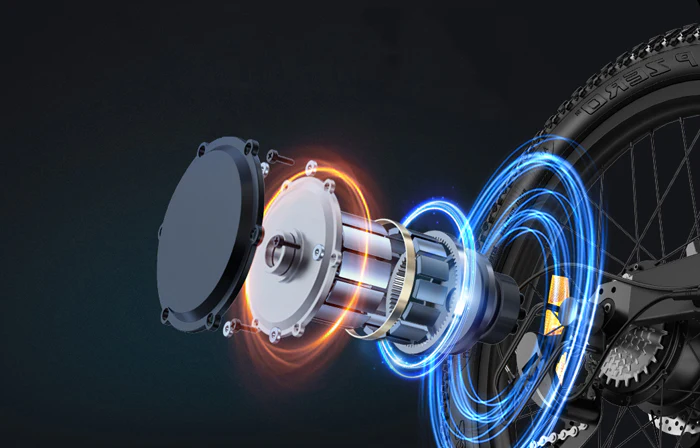
- Motor systems: Mid-drive and hub motors from leading brands like Bosch, Shimano, or Brose enhance reliability and ride quality but raise E-Bike Prices in 2026 and Beyond substantially. Motors with integrated sensors, smart connectivity, or adaptive torque control are increasingly common in mid-to-premium segments.
- Frame engineering: Lightweight alloys, carbon fiber, and innovative suspension systems not only reduce weight but also add engineering and material costs. Buyers often pay a premium for frames optimized for aerodynamics, strength, and durability.
- Electronics & software: Modern e-bike prices reflect sophisticated electronics, including digital displays, GPS, connectivity apps, advanced torque sensors, and firmware updates. These “smart” features are now essential for premium models and influence pricing more than ever.
- Brand positioning & market strategy: Reputation, marketing, and perceived quality can inflate E-Bike Prices in 2026 and Beyond by 20–30%. Premium brands command higher prices through trust, warranty policies, and brand loyalty, while emerging manufacturers often compete on value and features.
In essence, E-Bike Prices in 2026 and Beyond are determined by a mix of tangible and intangible factors. They reflect not just the bike’s mechanical and electronic performance, but also long-term reliability, brand reputation, and consumer confidence. Understanding these underlying drivers helps riders and buyers make informed decisions and anticipate how market trends may affect future e-bike prices.
Will E-Bike Prices Drop in the Next Few Years?
The question of E-Bike Prices in 2026 and Beyond is on the minds of every rider, enthusiast, and potential buyer. The short answer is: partially — but not evenly across all segments. Market dynamics, technology advancements, and consumer demand will shape different price tiers in unique ways.
Entry-level and mid-range E-Bike Prices in 2026 and Beyond are already experiencing downward pressure. Economies of scale, higher production efficiency, and aggressive global competition are pushing manufacturers to offer more value at lower price points. Riders can expect better batteries, stronger motors, and enhanced features for prices similar to previous years’ models. Conversely, premium and high-performance e-bikes are moving in the opposite direction, with advanced electronics, lightweight materials, and proprietary software maintaining or even increasing their costs.
Several forces are actively influencing E-Bike Prices in 2026 and Beyond:
- Battery cost stabilization: After the spikes in lithium-ion prices during 2022–2023, raw material costs are normalizing, which slightly reduces the base cost of e-bikes but still impacts the overall pricing structure.
- Manufacturing automation: Factories in Asia and Europe are increasingly automated, allowing higher output per labor hour and lowering unit costs. This efficiency helps push entry-level e-bike prices down without sacrificing quality.
- Direct-to-consumer brands: By bypassing traditional retail channels, manufacturers reduce markups, offering more competitive pricing and improved value for riders looking at mid-range e-bikes.
- Technological innovation: Advanced motor systems, smart displays, modular batteries, and connected apps are becoming standard, influencing E-Bike Prices in 2026 and Beyond even as entry-level costs decrease.
Despite these factors, some pressures prevent dramatic drops in E-Bike Prices in 2026 and Beyond. Rising labor costs in manufacturing hubs, tighter safety and regulatory standards, insurance for high-voltage systems, and ongoing software development all contribute to maintaining a minimum price floor. In other words, while affordable, entry-level e-bikes may see small price reductions, riders should not expect a dramatic collapse in costs for premium or feature-rich models.
In conclusion, understanding E-Bike Prices in 2026 and Beyond requires looking beyond simple cost of materials. It’s about balancing production efficiency, technological innovation, regulation, and consumer expectations. Riders who stay informed about these trends can anticipate smarter purchasing decisions, maximizing both value and performance in the evolving e-bike market.
The Role of Competition in Shaping E-Bike Prices
As the global electric bicycle market heats up, E-Bike Prices in 2026 and Beyond are increasingly influenced by intense competition. Hundreds of new brands are entering the market each year, and this growing rivalry is forcing manufacturers to innovate, optimize costs, and redefine value for riders worldwide.
Competition is now a central factor determining E-Bike Prices in 2026 and Beyond. While some may assume more competitors automatically lead to lower prices, the reality is more nuanced. The effects of competition vary across market segments, from entry-level to premium high-performance bikes.
Here’s a snapshot of current competitive trends affecting E-Bike Prices in 2026 and Beyond:
- Chinese manufacturers: Offering feature-rich e-bikes at aggressive, often disruptive, price points, these brands are driving efficiency in manufacturing and setting new expectations for affordability.
- European brands: Emphasizing premium quality, regulatory compliance, and advanced safety features, European e-bike makers often maintain higher E-Bike Prices in 2026 and Beyond while delivering long-term reliability and brand trust.
- Startup and niche brands: Targeting specialized riders with optimized designs, lightweight materials, and innovative software, these companies focus on delivering maximum value per dollar without compromising on features.
Importantly, increased competition doesn’t always translate into lower e-bike prices. Instead, it often improves the overall value proposition: riders now enjoy more powerful motors, larger and more efficient batteries, smarter electronics, and enhanced safety systems for prices comparable to older models. In essence, E-Bike Prices in 2026 and Beyond are being reshaped not just by cost reductions but by the constant push to deliver greater technology, performance, and reliability within the same price range.
Understanding the role of competition is key for buyers and investors alike. The ongoing rivalry encourages innovation, drives market segmentation, and ultimately ensures that E-Bike Prices in 2026 and Beyond reflect both technological advancement and consumer expectations.
Regulation, Safety Standards, and Their Impact on E-Bike Prices
Regulation and safety standards play a subtle but crucial role in determining E-Bike Prices in 2026 and Beyond. As governments across Europe, North America, and Asia tighten classification rules, safety mandates, and certification requirements, manufacturers are forced to invest heavily in compliance measures. These investments directly influence the cost structure of both entry-level and premium e-bikes.
The main regulatory factors impacting E-Bike Prices in 2026 and Beyond include:
- Battery certification and thermal protection: High-voltage lithium-ion batteries require strict testing and quality assurance, increasing manufacturing costs.
- Motor power limitations: Legal caps on motor wattage and torque ensure safety but can also limit economies of scale in motor production.
- Speed control software: Integrated firmware that enforces maximum speeds or throttle limits adds both development and maintenance costs.
- Frame and brake testing: Compliance with crash standards, brake efficiency, and load-bearing requirements contributes to material and labor expenses.
While these regulations enhance rider safety and reliability, they also establish a price floor for e-bike prices. Ultra-cheap models that ignore compliance or skimp on quality are increasingly rare in regulated markets. Consequently, E-Bike Prices in 2026 and Beyond reflect a balance between affordability and mandated safety standards, ensuring that consumers receive reliable, durable, and legally compliant bicycles.
For buyers, understanding how regulation impacts E-Bike Prices in 2026 and Beyond is essential. It clarifies why some models may cost more despite similar specifications, highlighting that part of the price premium is dedicated to safety, certification, and long-term durability.
Future Trends That Could Redefine E-Bike Prices
Looking ahead, several emerging innovations are poised to significantly influence E-Bike Prices in 2026 and Beyond. These trends go beyond simple cost reductions — they may fundamentally reshape the way riders perceive value, ownership, and performance in the electric bicycle market.
Some of the most impactful trends shaping E-Bike Prices in 2026 and Beyond include:
- Modular batteries: Modular designs allow riders to upgrade battery capacity independently of the bike frame, reducing replacement costs and extending the lifecycle of the e-bike. This flexibility can stabilize e-bike prices while offering more long-term value to consumers.
- Software-based performance enhancements: As e-bikes become increasingly connected, features such as adaptive pedal assist, customizable torque settings, or performance unlocks can be added via firmware updates rather than new hardware. This approach may change how E-Bike Prices in 2026 and Beyond are structured, shifting part of the cost from upfront purchase to ongoing software services.
- Subscription and mobility services: Companies are exploring models where riders pay lower upfront costs in exchange for monthly subscription plans covering maintenance, software updates, and battery swaps. Such services can reduce initial e-bike prices while providing predictable ongoing expenses, making high-performance bikes more accessible.
- Smart integration and IoT connectivity: The next generation of e-bikes will include GPS tracking, theft protection, and integration with city mobility networks. These connected features may slightly increase E-Bike Prices in 2026 and Beyond but also add significant value in convenience, security, and performance analytics.
Collectively, these trends suggest that E-Bike Prices in 2026 and Beyond will not just reflect hardware costs. Instead, pricing will increasingly incorporate software, services, modular upgrades, and connected experiences. Riders can expect more flexible options that make e-bikes both affordable and technologically advanced, without compromising manufacturer sustainability or margins.
What This Means for Buyers in 2026–2028
For anyone anticipating a dramatic drop in E-Bike Prices in 2026 and Beyond, the reality is more nuanced. While some cost reductions are expected, particularly in entry-level segments, buyers should focus on value rather than simply the lowest price tag. Understanding market trends helps consumers make smarter, long-term decisions in a rapidly evolving industry.
Here’s what riders can realistically expect regarding E-Bike Prices in 2026 and Beyond:
- Stable or slightly lower entry-level e-bike prices: Mass production, improved supply chain efficiency, and competition will continue to put mild downward pressure on basic models, making them more accessible without sacrificing quality.
- Enhanced mid-range value: Mid-tier e-bikes are likely to offer more advanced features, including larger batteries, smarter motor systems, and connectivity options, at prices comparable to current models. This means better value per dollar rather than cheaper e-bike prices alone.
- Higher prices for premium, software-rich models: Cutting-edge bikes with lightweight frames, integrated IoT systems, and advanced firmware customization may see stable or slightly higher E-Bike Prices in 2026 and Beyond due to R&D and innovation costs, reflecting both performance and long-term reliability.
Ultimately, the most informed buyers will not chase the lowest e-bike prices. Instead, they will prioritize long-term value, durability, and technological advancements. By understanding how E-Bike Prices in 2026 and Beyond are shaped by competition, regulation, and innovation, riders can make smarter purchasing decisions, selecting e-bikes that offer both performance and lasting investment in the years 2026–2028.
Suggested topics:
10 Mistakes to Avoid When Buying electric bikes
Complete U.S. E-Bike Laws Guide
E-Bikes and Batteries Recycling
AI and Smart Sensors
Smart Urban Riding Etiquette
🎥 Watch: Key trends and market analysis shaping E‑Bike Prices in 2026 and Beyond, including price shifts, new models, and what riders should expect as the e‑bike industry evolves.
Final Thoughts: Are E-Bike Prices Really the Problem?
Discussions about E-Bike Prices in 2026 and Beyond often focus narrowly on the sticker price, but this perspective misses the broader picture. As e-bikes increasingly replace cars, reduce commuting costs, and transform urban mobility, their true value goes far beyond the initial purchase. Understanding e-bike prices in this context is key to appreciating the evolving landscape of electric transportation.
The real question surrounding E-Bike Prices in 2026 and Beyond isn’t simply whether prices will drop — it’s whether they will continue to deliver greater freedom, efficiency, and sustainability per dollar spent. With innovations like modular batteries, software-based performance upgrades, subscription services, and connected features, riders are seeing increasing value for the same or slightly higher e-bike prices. This demonstrates that future pricing will likely balance accessibility with advanced technology and long-term durability.
From a market perspective, E-Bike Prices in 2026 and Beyond are influenced not only by raw materials and manufacturing costs but also by regulatory compliance, competition, brand positioning, and technological innovation. Buyers who focus solely on price risk missing opportunities to invest in higher-value bikes that provide performance, safety, and long-term satisfaction. In other words, the conversation should shift from “how much does an e-bike cost?” to “what does an e-bike truly deliver per dollar?”
For those interested in detailed industry insights and up-to-date data on E-Bike Prices in 2026 and Beyond, trusted resources include
Statista,
Bosch eBike Systems, and
International Energy Agency. These sources provide in-depth market analyses, price trends, and forecasts that help riders and investors make informed decisions.
❓ Frequently Asked Questions (FAQ) about E-Bike Prices in 2026 and Beyond
What factors determine e-bike prices today?
Will e-bike prices drop in the next few years?
How does competition affect e-bike prices?
What role do regulations play in e-bike pricing?
How will technology trends influence future e-bike prices?
Are premium e-bikes likely to become cheaper?
What should buyers prioritize in 2026–2028?
Can subscription services affect e-bike affordability?
How does urban mobility impact the perceived value of e-bikes?
Where can I find reliable data on e-bike prices and trends?