7 Powerful Reasons Electric Bike and Scooter Suspension Is the Key to Comfort, Safety, and Control

Electric Bike and Scooter Suspension: The Hidden Technology That Defines Comfort, Safety, and Control
In the rapidly evolving world of micromobility, most riders focus on battery range, motor power, or top speed. Yet one critical component quietly determines how safe, comfortable, and controlled your ride truly is: electric bike and scooter suspension. As electric bikes and electric scooters become faster, heavier, and more integrated into daily commuting, suspension systems have shifted from optional upgrades to a fundamental pillar of ride quality and safety.
Modern electric bike and scooter suspension does far more than absorb bumps. It directly influences braking stability, steering precision, rider fatigue, and even long-term component durability. Without a properly designed suspension system, vibration and impact forces travel through the frame, battery housing, and electronics — compromising performance and shortening the lifespan of critical components.
This in-depth guide examines electric bike and scooter suspension from a fresh, rider-centric perspective. We break down how suspension systems work, why they are uniquely important in electric vehicles, how different suspension designs affect comfort, efficiency, and control, and how to choose the right electric bike and scooter suspension setup based on real-world riding conditions rather than marketing claims.
Read More!
Why Electric Bike and Scooter Suspension Matters More Than Ever
Unlike traditional bicycles, electric bikes and electric scooters operate under entirely different physical conditions. Higher system weight, stronger acceleration, and sustained cruising speeds place significantly greater stress on both the rider and the vehicle. In dense urban environments, potholes, cracked asphalt, curb drops, cobblestones, and uneven pavement continuously challenge ride stability, making electric bike and scooter suspension more critical than ever before.
Without properly engineered electric bike and scooter suspension, impact forces travel directly through the wheels into the frame, handlebars, and foot platform. Over time, this constant vibration not only increases rider fatigue and reduces control, but also accelerates wear on sensitive components such as battery cells, electronic controllers, connectors, and mounting points.
A well-designed electric bike and scooter suspension system acts as a protective interface between the road and the entire vehicle. By absorbing and managing shock loads before they propagate upward, suspension improves braking stability, maintains consistent tire contact, and enhances steering precision. The result is a safer, more predictable ride, extended component lifespan, and the confidence to ride daily — regardless of surface quality or riding conditions.
Understanding Electric Bike and Scooter Suspension Systems
At its core, electric bike and scooter suspension is engineered to manage and dissipate kinetic energy generated when wheels encounter uneven or unpredictable terrain. Unlike human-powered bicycles, electric vehicles introduce higher mass, torque, and sustained speed, which dramatically increase the forces acting on the suspension system. To control these forces, modern electric bike and scooter suspension systems rely on a carefully balanced interaction between spring elements and damping mechanisms.
Springs — typically coil or air-based — are responsible for absorbing vertical impacts, while damping systems regulate how quickly the suspension compresses and rebounds. In properly tuned electric bike and scooter suspension, this balance prevents excessive bouncing, wheel chatter, or harsh bottom-outs, resulting in a smoother ride and consistent tire contact with the ground.
Front Suspension in Electric Bikes and Scooters
Front suspension is often the rider’s first point of contact with electric bike and scooter suspension. By isolating the handlebars from road-induced vibration, front suspension systems significantly improve steering accuracy, braking confidence, and long-term wrist and shoulder comfort — especially during extended urban rides.
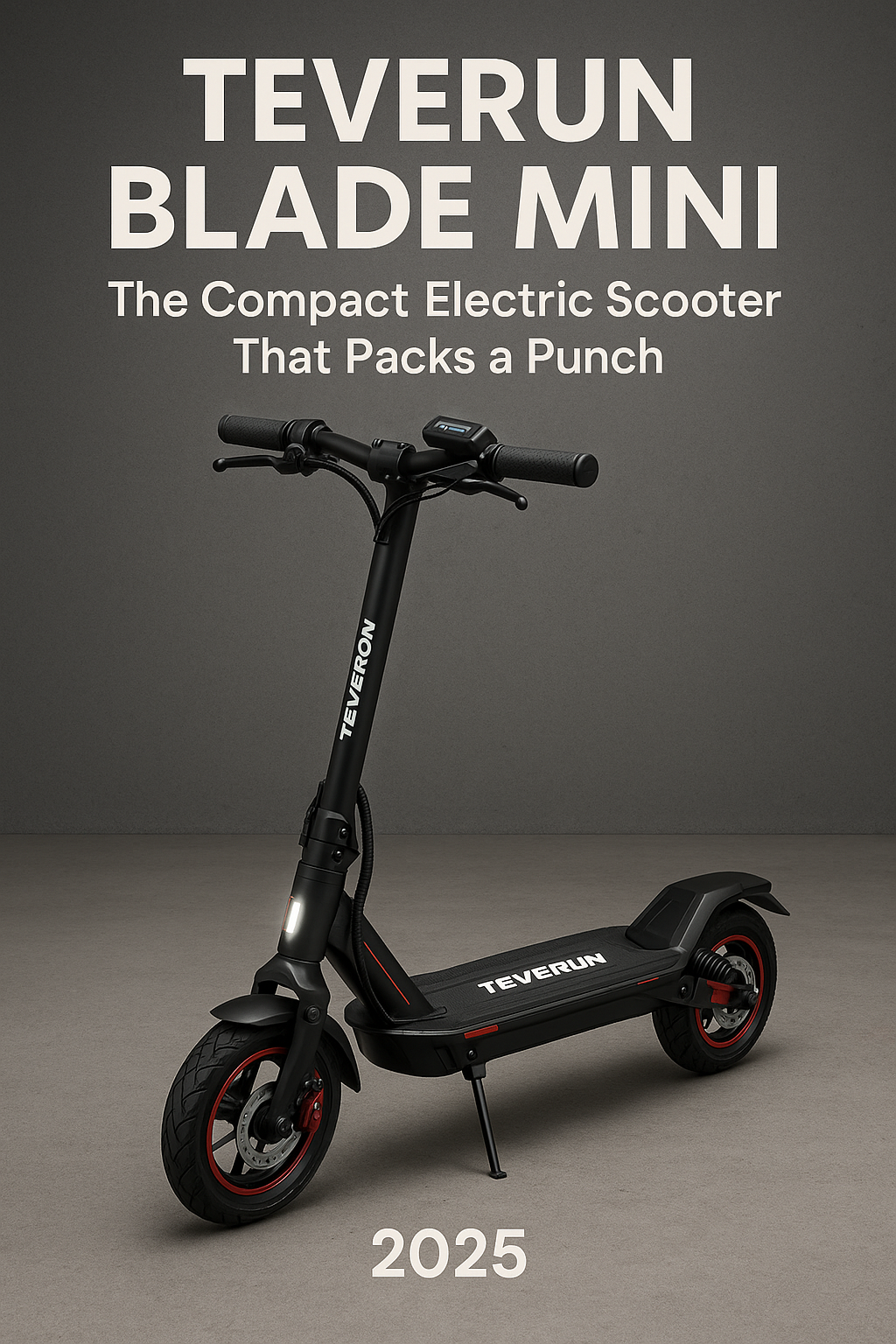
In electric scooters, spatial constraints lead to compact front suspension designs such as spring-based linkages, elastomer cartridges, or short-travel hydraulic systems. Although minimal in appearance, a well-calibrated front electric bike and scooter suspension setup can dramatically reduce harsh impacts and improve directional stability at higher speeds.
Rear Suspension and Full Suspension Designs
Rear suspension is where electric bike and scooter suspension delivers its most noticeable performance gains. By managing load transfer during acceleration, braking, and surface transitions, rear suspension systems help maintain continuous tire contact, which directly enhances traction, balance, and rider confidence.
Full suspension electric bikes utilize rear shock absorbers to distribute forces across the frame rather than concentrating them at a single contact point. Similarly, high-performance electric scooters increasingly adopt dual-suspension architectures, combining front and rear systems to create a stable riding platform. This approach not only improves control at speed, but also significantly reduces rider fatigue and structural stress over long-term use.
Urban vs Off-Road: Suspension Requirements Are Not the Same
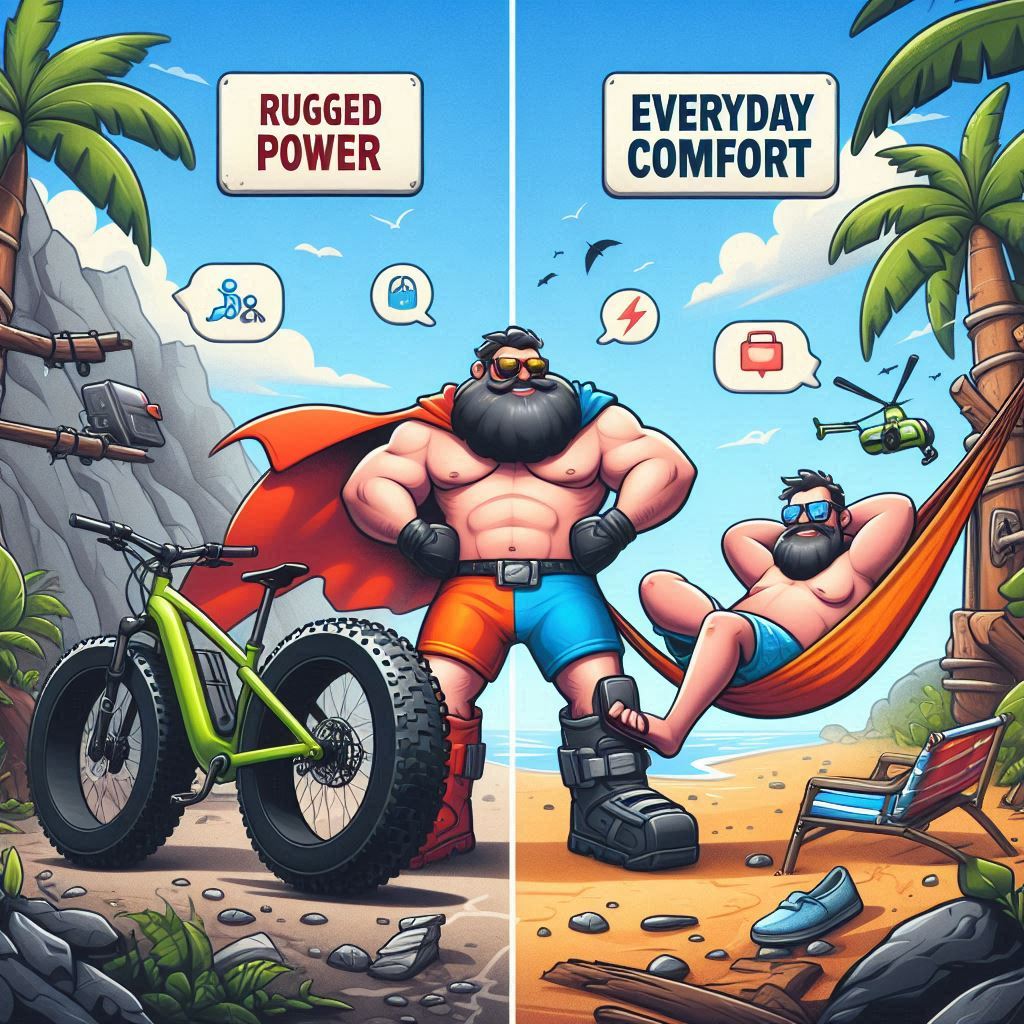
When it comes to electric bike and scooter suspension, one size does not fit all. Riding environments place fundamentally different demands on suspension behavior, making proper system selection critical for both performance and efficiency. Urban commuters typically ride on paved roads with frequent stops, curb transitions, and small surface imperfections, while off-road riders face loose terrain, sharp impacts, and continuous elevation changes.
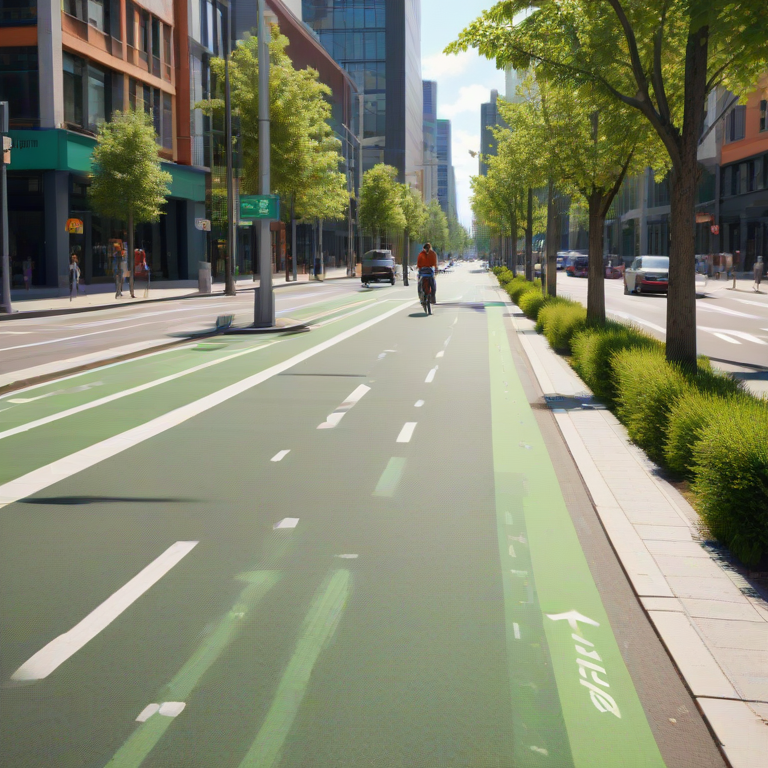
In city environments, electric bike and scooter suspension systems are best tuned with shorter travel and firmer damping. This configuration prioritizes responsiveness, energy efficiency, and precise handling, allowing riders to accelerate smoothly, brake predictably, and maintain momentum without excessive suspension movement. Over-suspension in urban settings can introduce unnecessary energy loss, reduce pedaling efficiency on electric bikes, and create a vague or “floaty” ride feel.
Off-road conditions demand a very different approach to electric bike and scooter suspension. Longer suspension travel, progressive spring rates, and slower rebound damping are essential to absorb large impacts, maintain traction, and prevent loss of control on uneven or loose surfaces. Insufficient suspension in these environments increases the risk of instability, rider fatigue, and long-term structural stress on frames, batteries, and mounting points.
Ultimately, optimizing electric bike and scooter suspension for its intended terrain ensures the right balance between comfort, control, and efficiency. Riders who match suspension design to real-world conditions experience smoother rides, improved safety, and longer-lasting components — regardless of whether the journey takes place on city streets or off the beaten path.
How Suspension Affects Range, Efficiency, and Battery Health
One of the most overlooked advantages of properly tuned electric bike and scooter suspension is its direct influence on range and energy efficiency. When suspension systems fail to control vibration and wheel movement, energy is lost through excessive oscillation, increased rolling resistance, and inconsistent power transfer between the motor and the ground. Over long distances, these micro-losses accumulate and can noticeably reduce overall riding range.
Optimized electric bike and scooter suspension keeps wheels consistently planted on the riding surface, allowing motors to deliver power more efficiently and predictably. By minimizing unnecessary bounce and wheel chatter, suspension systems help maintain smooth torque delivery, reduce traction losses, and improve real-world energy efficiency — especially during stop-and-go urban riding.
Beyond efficiency, electric bike and scooter suspension plays a crucial role in long-term battery health. Repeated shock loads and high-frequency vibration place stress on battery cells, weld points, and internal connectors. Over time, this mechanical stress accelerates cell degradation and increases the risk of electrical faults. Effective suspension reduces these shock forces before they reach the battery enclosure, helping preserve battery integrity and extend the usable lifespan of the entire electric drivetrain.
In practical terms, investing in high-quality electric bike and scooter suspension is not only about ride comfort — it is a strategic choice that supports greater range consistency, improved efficiency, and more durable battery performance throughout the vehicle’s life cycle.
Maintenance and Tuning: The Overlooked Advantage
Even the most advanced electric bike and scooter suspension system cannot perform at its best without proper maintenance. Over time, dust, moisture, and continuous load cycles affect seals, bushings, and damping performance. Regular inspection, correct lubrication, and timely servicing ensure that electric bike and scooter suspension systems continue to absorb impacts predictably rather than transmitting unwanted vibration to the rider and the vehicle.
One of the most underestimated aspects of electric bike and scooter suspension is tuning. Small adjustments to sag, rebound, and compression settings can dramatically alter ride behavior. Proper sag ensures that suspension operates within its optimal range, while correct damping prevents excessive bouncing or harsh bottom-outs — both of which directly affect stability and control.
When electric bike and scooter suspension is correctly tuned, riders experience improved braking consistency, more confident cornering, and smoother weight transfer during acceleration. These benefits become especially noticeable at higher electric speeds, where even minor suspension inefficiencies can compromise control and rider confidence.
In practical terms, maintaining and tuning electric bike and scooter suspension is not just a technical task — it is a performance upgrade that enhances safety, comfort, and long-term reliability without changing a single hardware component.
Choosing the Right Electric Bike and Scooter Suspension
Selecting the optimal electric bike and scooter suspension requires a careful evaluation of multiple factors that directly impact ride quality, safety, and efficiency. Riders should assess total vehicle weight, anticipated terrain, average speed range, and personal comfort preferences. Urban commuters often benefit from compact, low-maintenance suspension setups that emphasize responsiveness and efficiency, while performance-oriented riders may prioritize advanced adjustability, longer travel, and progressive damping to handle more aggressive riding conditions.
The choice of electric bike and scooter suspension also affects overall handling, braking performance, and long-term component durability. A suspension system tuned for the wrong riding environment can compromise energy efficiency, reduce comfort, and accelerate wear on critical parts such as battery cells, controllers, and frame mounts. Proper alignment of suspension type to intended use ensures that the system absorbs impacts effectively without introducing unwanted energy loss or instability.
For riders seeking deeper technical insights before making a purchase, trusted resources include
bicycle suspension fundamentals,
RockShox, and
FOX Suspension. These platforms provide detailed information on spring types, damping mechanisms, and design philosophies that heavily influence modern electric bike and scooter suspension systems worldwide.
Ultimately, choosing the right electric bike and scooter suspension is not just about hardware—it is about tailoring ride dynamics, maximizing comfort, and extending the longevity of your electric mobility system for years of reliable performance.
The Future of Electric Bike and Scooter Suspension
As micromobility technology advances, electric bike and scooter suspension is poised for a transformative leap. Next-generation systems are integrating adaptive damping, lightweight composite springs, and AI-assisted tuning to provide unprecedented levels of ride customization and performance. These innovations allow the suspension to respond dynamically to rider weight, speed, and terrain conditions in real time, optimizing both comfort and control without manual intervention.
Future electric bike and scooter suspension may also incorporate predictive algorithms that analyze riding patterns, road quality, and environmental conditions to preemptively adjust damping and spring rates. This intelligent approach has the potential to turn electric bikes and scooters into responsive, self-optimizing mobility platforms, offering riders a seamless combination of safety, efficiency, and ergonomic precision.
In essence, the evolution of electric bike and scooter suspension represents more than just mechanical refinement — it signals a paradigm shift toward vehicles that are not only faster and more powerful but also smarter, smoother, and inherently tuned to the rider’s needs. Investing in or understanding these advanced systems today prepares riders for a future where suspension is as critical to micromobility as battery range or motor power.
Suggested topics:
10 Mistakes to Avoid When Buying electric bikes
Complete U.S. E-Bike Laws Guide
E-Bikes and Batteries Recycling
AI and Smart Sensors
Smart Urban Riding Etiquette
🎥 Watch: Learn whether suspension truly matters on electric bikes and how different shock systems affect ride comfort, control, and safety — essential viewing if you’re exploring electric bike and scooter suspension systems.
Final Thoughts
In today’s world of advanced micromobility, electric bike and scooter suspension is far more than an optional feature—it is a cornerstone of ride quality, safety, and vehicle longevity. Choosing the right suspension system impacts not only comfort, but also control, braking precision, component durability, and energy efficiency. Riders who invest in a high-quality electric bike and scooter suspension system gain a tangible advantage in daily commuting, long-distance rides, and challenging terrains alike.
At RideWattly, we recognize that the future of micromobility isn’t solely about speed or power. It is about intelligent design, refined engineering, and responsive systems that adapt to the rider. A well-engineered electric bike and scooter suspension transforms every ride into a smoother, safer, and more efficient experience, ultimately enhancing rider confidence and long-term satisfaction.
🎥 Watch: A clear introduction to electric scooter suspension — how different suspension types work, why they improve comfort and control, and how suspension impacts ride quality on electric scooters and e‑bikes alike.
❓ Frequently Asked Questions (FAQ) about Electric Bike and Scooter Suspension
What is electric bike and scooter suspension?
Do all electric bikes and scooters have suspension?
Why is suspension important for e-bikes and scooters?
How does suspension affect battery life?
Should urban commuters use full suspension?
How do front and rear suspension differ?
Can suspension be adjusted or tuned?
Does suspension affect energy efficiency?
How do I choose the right suspension for my electric bike or scooter?
What is the future of electric bike and scooter suspension?







222winlogin, all right… Pretty straightforward login process, which is a huge win in my book. No one wants to spend 20 minutes just trying to get into a site! Solid start. 222winlogin