Electric Bike Design and Performance: The Powerful Advantage of Smart E-Bike and E-Scooter Design
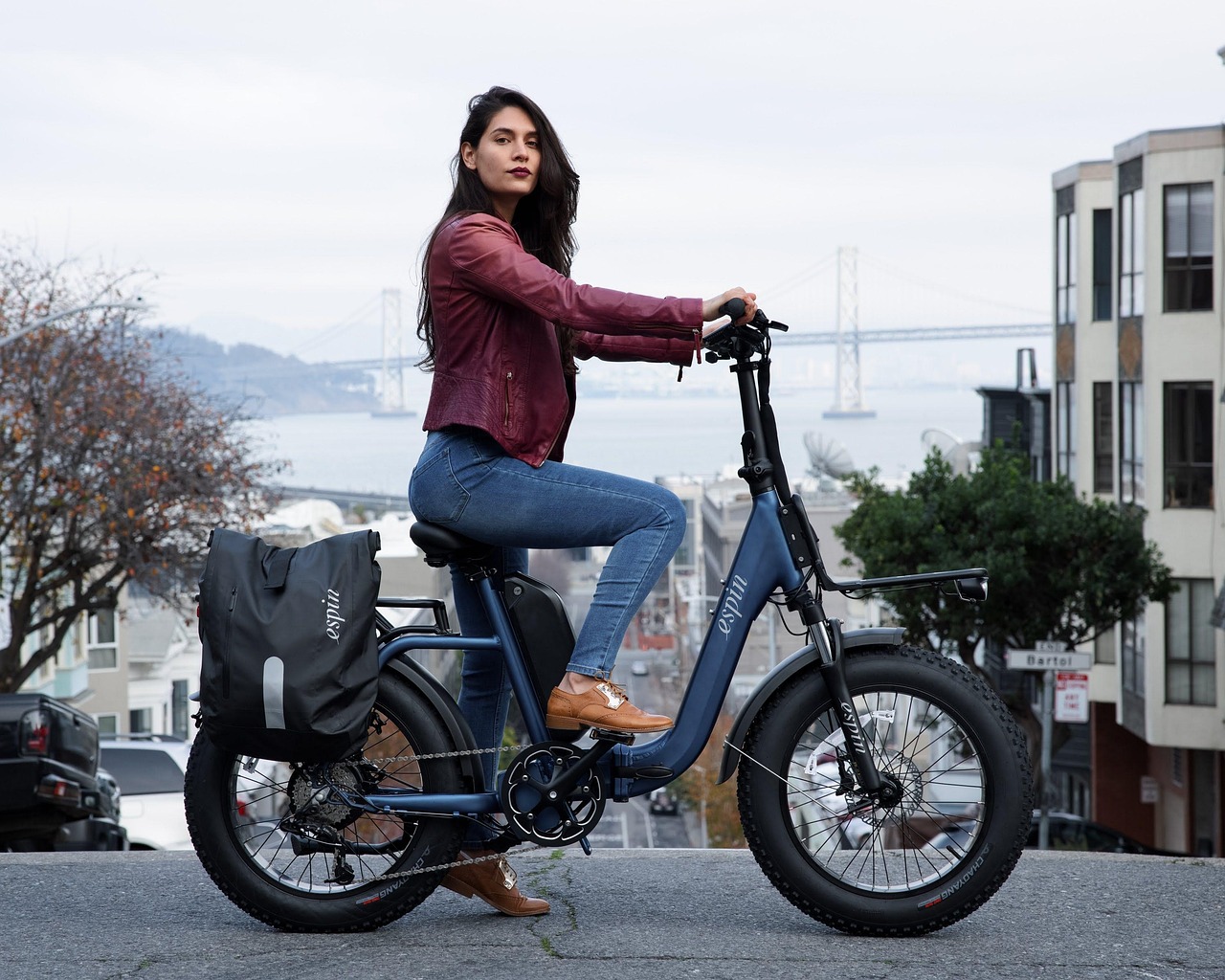
Electric Bike Design and Performance: Does the Look of an E-Bike or E-Scooter Really Matter?
At first glance, the design of an electric bike or electric scooter might appear to be just a matter of aesthetics. Sleek frames, aerodynamic lines, hidden batteries, bold color schemes, or rugged off-road silhouettes often capture attention and shape a rider’s first impression long before any technical specifications are considered. However, for anyone serious about electric mobility, understanding the relationship between electric bike design and performance is crucial.
Every curve, angle, and structural choice in an e-bike or e-scooter serves a functional purpose. A low-slung frame may indicate a focus on speed and efficiency, while a reinforced, angular design can hint at durability and the ability to handle high torque or challenging terrain. Even subtle elements such as battery integration, tube thickness, and handlebar placement reveal insights into motor power, acceleration capability, and stability at high speeds. In essence, electric bike design and performance are not just related—they are inseparable.
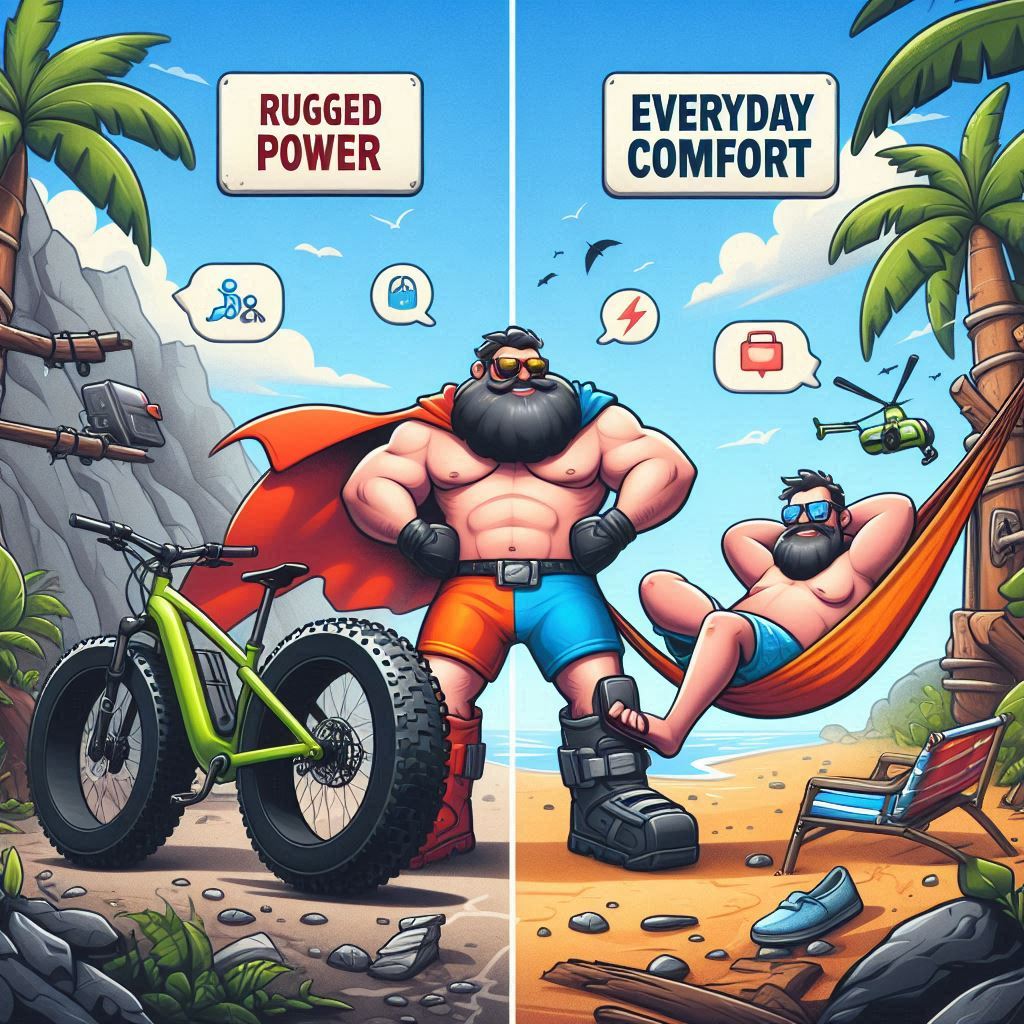
Moreover, the visual language of an electric vehicle communicates its intended use. Commuter-oriented e-bikes with minimalist designs prioritize lightness and maneuverability, making them ideal for city streets and frequent stops. In contrast, aggressive-looking off-road e-bikes or scooters often conceal advanced suspension systems, high-capacity batteries, and powerful motors optimized for rough trails and rapid acceleration. By observing the design, riders can infer the performance characteristics without even reading the spec sheet.
Understanding this connection is essential for both novice and experienced riders. While style certainly matters, the aesthetic choices in e-bike and e-scooter design act as a functional guide, revealing clues about speed, handling, range, and power output. Recognizing these subtle signals allows riders to make informed decisions and select a vehicle that aligns with their needs and riding style.
Understanding electric bike design and performance requires more than just reading specs. These tools help riders analyze frame geometry, battery systems, motor power, and riding behavior to optimize efficiency, safety, and comfort.
- Advanced Digital Speedometer — track real-time speed to match design expectations and rider capability.
- Advanced E-Bike Simulator — visualize how frame, battery, and wheel design affect acceleration and handling.
- Compare E-Bikes & Scooters — evaluate different designs and their impact on performance and urban usability.
- Motor Power Estimator — calculate expected motor output based on frame and battery setup.
- Battery Pack Builder — plan and understand battery capacity and placement effects on stability and range.
- Battery Discharge Curve Simulator — learn how design affects energy usage and motor endurance.
- E-Bike Fit Optimizer — match frame geometry to rider ergonomics for better comfort and control.
Read More!
Electric Bike Design and Performance: More Than Just Style
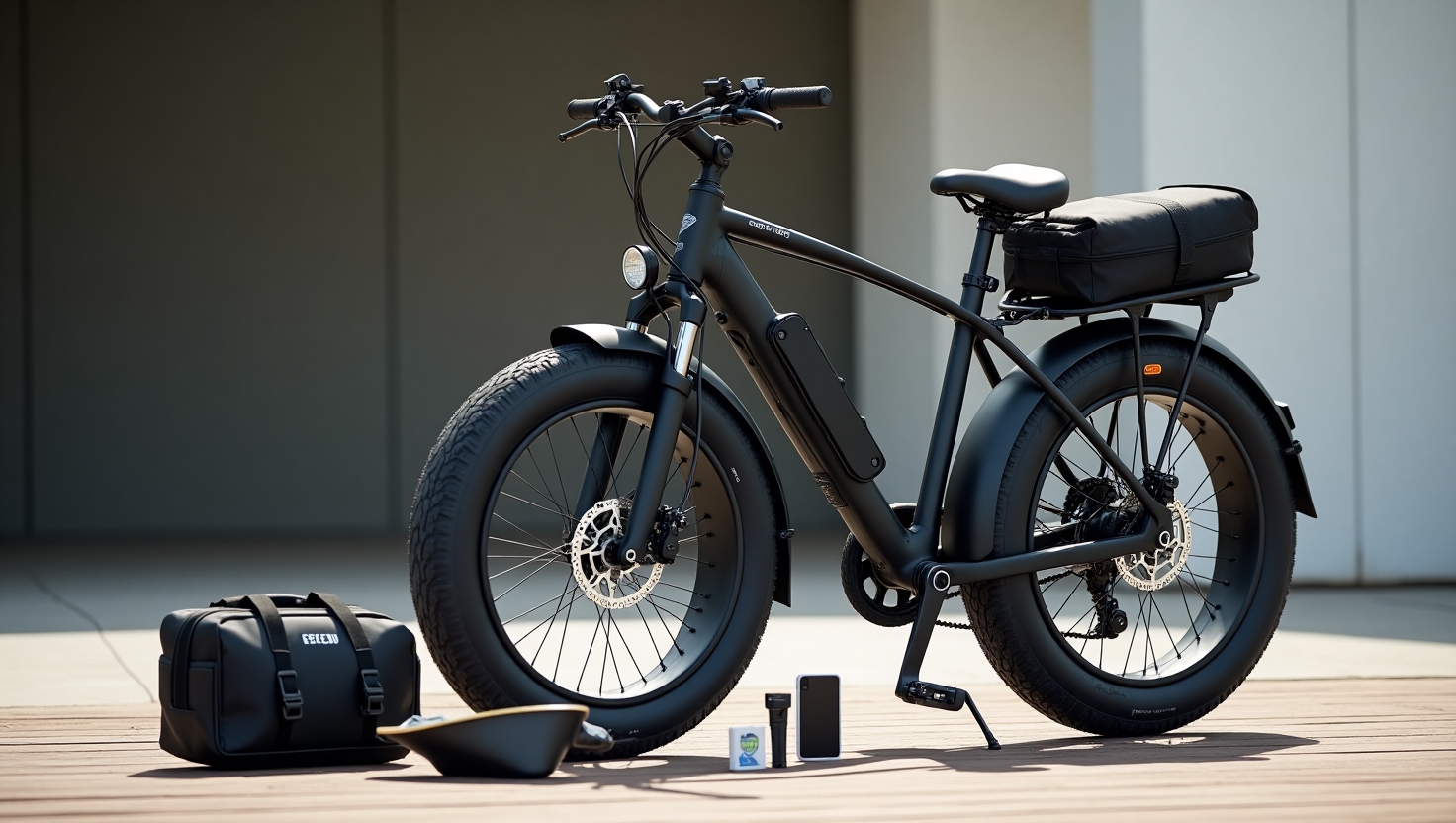
In the rapidly evolving world of electric mobility, electric bike design and performance are never accidental. Every curve, tube thickness, and component placement is carefully considered to balance aesthetics with functionality. Manufacturers use visual cues to signal the intended purpose of each e-bike or e-scooter. For example, a bulky frame with reinforced tubing, wide tires, and high ground clearance often indicates a machine built for high torque, rapid acceleration, and off-road durability. These design choices are a direct reflection of the vehicle’s capabilities, showing riders what it can handle before they even read the technical specifications.
Conversely, slim frames, lightweight materials, and minimalistic designs usually highlight efficiency and maneuverability, prioritizing urban commuting and daily convenience over brute power. A sleek, low-profile e-bike may feature a smaller motor or mid-range battery, optimized for speed consistency, aerodynamic efficiency, and ease of storage. Such designs communicate performance priorities visually, giving riders immediate insight into the type of ride experience they can expect.
In essence, electric bike design and performance are two sides of the same coin. The design serves as a silent specification sheet, translating engineering decisions into a readable visual language. It informs riders about acceleration potential, stability under different conditions, expected range, and even comfort level. By understanding these design signals, both novice and experienced riders can make smarter decisions, choosing an electric bike or scooter that truly matches their riding needs and lifestyle.
Ultimately, the appearance of an e-bike or e-scooter is not just a matter of style; it is a reflection of engineering intent. Recognizing how design elements influence electric bike design and performance empowers riders to align expectations with reality, ensuring they select a vehicle that delivers both aesthetically and functionally.
What the Frame Shape Says About Power and Speed
When discussing electric bike design and performance, frame geometry is one of the most telling visual indicators of a vehicle’s capabilities. The shape, length, and angle of the frame directly influence how power is delivered, how the e-bike or e-scooter handles, and how it responds at high speeds. Long wheelbases paired with reinforced head tubes are typical of high-power e-bikes and performance-oriented electric scooters. These design choices are not merely aesthetic—they ensure structural integrity under heavy acceleration, maintain stability during sharp cornering, and allow the vehicle to safely reach and sustain higher speeds.
The frame also affects braking dynamics. A well-engineered geometry can distribute weight effectively between the front and rear wheels, preventing instability during sudden stops. Reinforced frames signal that the vehicle is built to handle more than just casual rides; they indicate durability, the ability to support larger motors, and a higher maximum torque output—all of which are key components in evaluating electric bike design and performance.
On the other hand, compact frames with steep angles typically emphasize agility over brute strength. These designs excel in urban settings, where frequent stops, tight corners, and variable traffic conditions demand responsive handling. Lightweight frames and sharper steering angles allow riders to maneuver through crowded streets effortlessly, sacrificing some top-end speed and raw power for enhanced control and efficiency. This design approach communicates to the rider that the focus is on convenience, comfort, and ease of navigation rather than on maximum acceleration or high-speed stability.
Ultimately, understanding how frame shape relates to performance is essential for anyone evaluating an e-bike or e-scooter. Electric bike design and performance are encoded into the geometry itself; the lines, angles, and proportions of the frame tell a story about speed potential, stability, and intended use. Riders who can read these visual cues are better equipped to select a vehicle that matches their riding style, whether that means fast, powerful rides on open roads or nimble, efficient commuting through city streets.
Battery Visibility: Hidden vs Exposed Energy
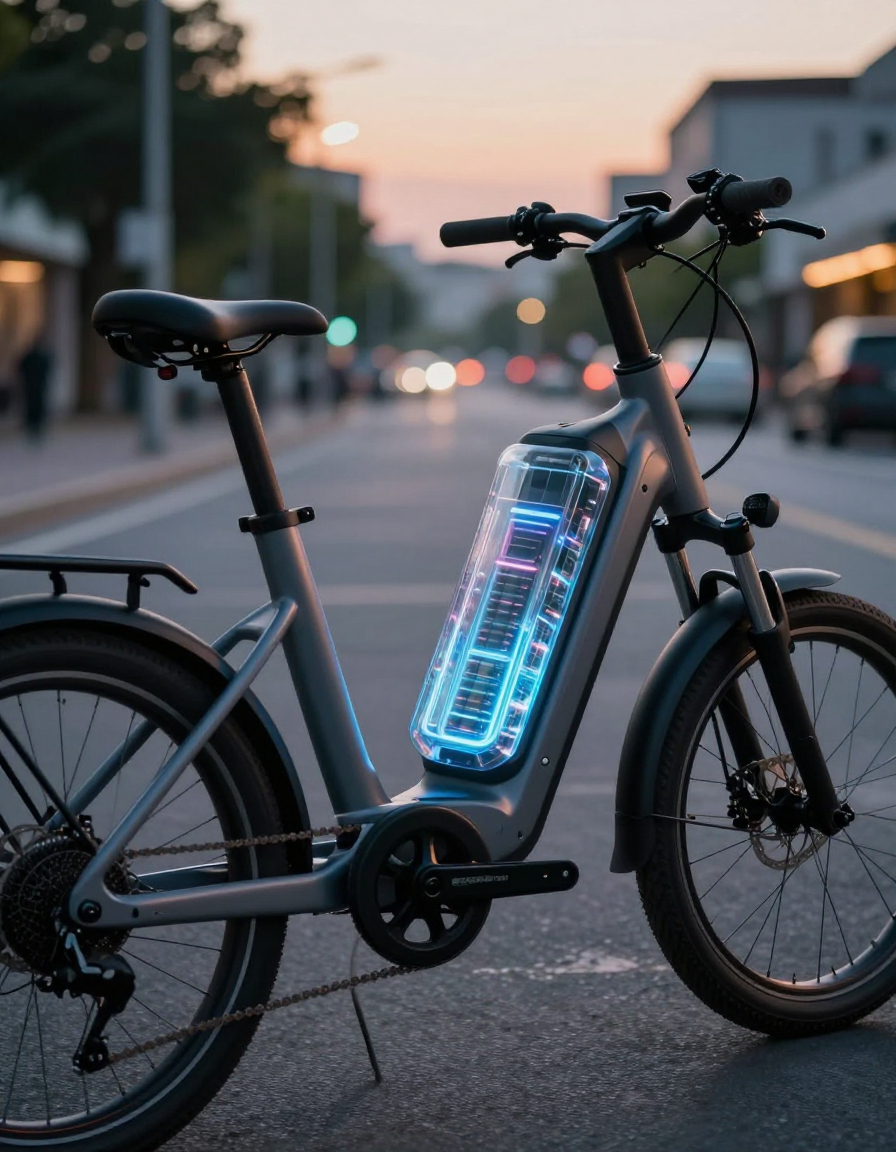
When analyzing electric bike design and performance, battery placement is one of the most telling indicators of a vehicle’s capabilities. How a manufacturer positions the battery not only affects the visual style of the e-bike or e-scooter but also has profound implications for handling, stability, and efficiency. Integrated or hidden batteries, cleverly tucked into the frame, often signal an emphasis on aerodynamic efficiency, sleek aesthetics, and balanced weight distribution. These designs typically pair with mid-range power systems, optimized for urban commuting and smooth acceleration, while maintaining a clean, futuristic appearance.
On the other hand, exposed or oversized battery packs are far from just a stylistic choice. They often indicate higher capacity systems, extended range capabilities, and support for more powerful motors capable of handling steep inclines, heavy loads, or off-road terrain. Such design choices communicate the vehicle’s purpose at a glance, providing insights into expected power output, endurance, and long-distance performance. Riders familiar with these cues can anticipate the behavior of the e-bike before even turning it on.
Beyond aesthetics and range, battery visibility directly impacts electric bike design and performance in several technical ways. Hidden batteries typically lower the center of gravity, enhancing cornering stability and reducing wobble at high speeds. They also tend to benefit thermal management, protecting cells from direct exposure to sun or debris, which increases longevity and safety. Conversely, exposed batteries may require additional reinforcements and cooling solutions to maintain performance and durability, reflecting engineering priorities designed to maximize power and endurance.
In essence, the placement and visibility of a battery serve as a functional language within electric bike design and performance. By understanding these design choices, riders can make informed decisions, selecting an e-bike or scooter that aligns with their desired balance of style, power, range, and ride quality.
Wheel Size, Tires, and the Illusion of Speed
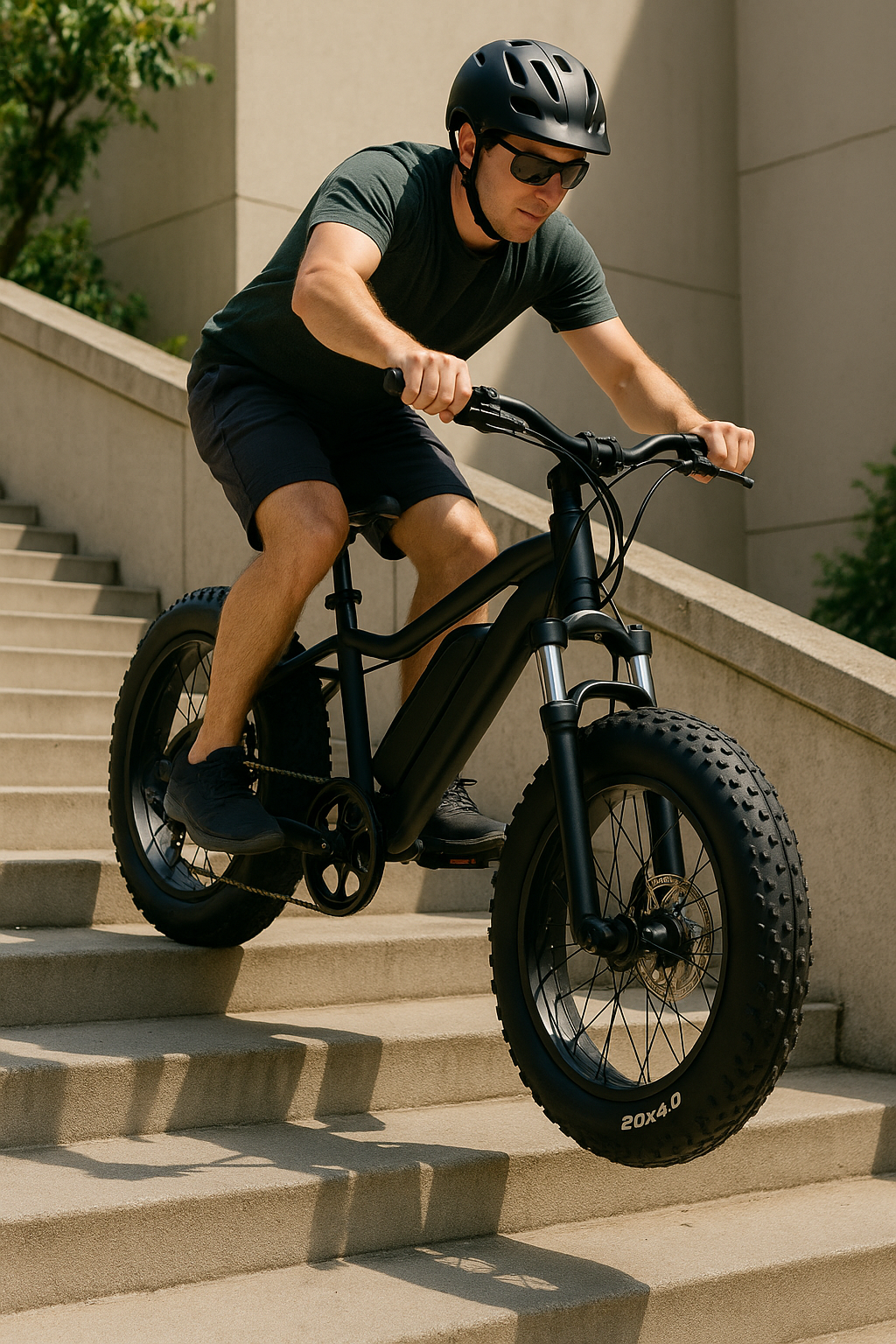
When exploring electric bike design and performance, wheel size and tire choice are critical visual and functional indicators. Large wheels with thick, rugged tires immediately convey stability, control, and an ability to handle uneven terrain. These “fat tires” are commonly paired with off-road e-bikes or powerful scooters, where torque-heavy motors are used to conquer steep hills or rough trails. While they provide exceptional traction and confidence on challenging surfaces, they often come with a trade-off: lower top speeds due to increased rolling resistance and additional weight. Observing the size and profile of the tires gives riders an immediate sense of what the vehicle prioritizes—traction and durability over raw speed.
In contrast, slim tires with larger diameters, typically found on road-focused e-bikes, suggest efficiency, speed, and optimized energy use. These designs reduce rolling resistance, improve acceleration response, and allow riders to maintain higher sustained speeds on smooth surfaces. The geometry and profile of these wheels also influence rider posture and pedaling efficiency, making them ideal for urban commuting or long-distance rides. Here, design is not just about aesthetics—it communicates functional priorities that affect everyday performance.
Tire width, tread pattern, and wheel diameter all directly affect electric bike design and performance. Heavier, thicker wheels increase stability but demand more from the motor, impacting acceleration and range. Lighter, streamlined wheels enhance speed and efficiency but may compromise comfort and traction on rough surfaces. By understanding these visual and technical cues, riders can infer the balance between stability, agility, and speed before ever taking the bike or scooter for a spin.
Ultimately, wheel and tire design serve as a silent performance guide. They reflect engineering decisions and give riders essential insights into what to expect in terms of handling, comfort, and overall riding experience, reinforcing the inseparable link between electric bike design and performance.
Electric Scooter Design: Aggressive Looks, Real Consequences
In the context of electric bike design and performance, the aggressive, angular styling of many modern electric scooters serves as more than just an aesthetic statement. Scooters featuring sharp lines, reinforced decks, and bold structural elements often house dual motors, high-capacity batteries, and advanced suspension systems. These visual cues are deliberate: they signal that the vehicle is engineered to handle rapid acceleration, higher top speeds, and demanding riding conditions. In other words, what appears aggressive is a reflection of real engineering priorities, where performance drives the design rather than style alone.
An overbuilt or muscular-looking scooter is rarely overhyped. The reinforced frame ensures structural integrity during high-speed rides and under heavy rider weight, while robust suspension components absorb shocks from uneven surfaces, improving both safety and comfort. Dual motors and larger battery packs, often hinted at by bulkier frames or extended decks, require additional support and precise weight distribution—another reason why aggressive designs are functional as much as visual. These elements directly impact handling, torque delivery, and rider confidence, demonstrating that electric bike design and performance principles apply equally to scooters.
Understanding these design signals allows riders to anticipate performance characteristics without needing to scrutinize the specifications. A scooter’s aggressive look often communicates power potential, stability, and resilience. In essence, the visual language of a scooter serves as a practical guide to what the vehicle can achieve, reinforcing the idea that in electric mobility, appearance and function are inseparable aspects of electric bike design and performance.

Image by u_d7hddm5o from Pixabay
Does Design Affect Motor Power?
When analyzing electric bike design and performance, motor power and frame design are intrinsically linked. While the wattage of a motor is a technical specification, the physical design of an e-bike or e-scooter often provides clear visual clues about the type and capacity of the motor. High-power hub motors, for example, require larger housings, reinforced dropouts, and robust frames to safely handle the torque and stress generated during acceleration and high-speed rides. These structural adjustments are visible in the thickness of the frame tubes, the size of the rear triangle, and the overall build quality, giving riders subtle hints about the underlying power system.
Mid-drive motors, on the other hand, necessitate changes in the frame around the crank area, often resulting in bulkier downtubes or reinforced bottom brackets. This design not only supports the mechanical load of a central motor but also contributes to improved weight distribution and better handling dynamics. Observing these features allows riders to infer the motor’s potential without consulting the spec sheet, reinforcing the principle that electric bike design and performance are inseparable.
Conversely, lightweight, minimalistic frames are rarely compatible with extremely high-power motors such as 2000W systems. Physics dictates that excessive power in a delicate frame can compromise stability, safety, and structural integrity. Therefore, even subtle design choices—tube thickness, frame geometry, and component placement—can indicate the upper limits of motor capacity. By understanding these visual cues, riders gain insights into acceleration potential, torque delivery, and overall performance, making the connection between aesthetics and engineering both visible and meaningful.
In essence, the design of an e-bike or e-scooter is a practical indicator of motor capability. Recognizing these patterns is key to assessing electric bike design and performance, allowing riders to select vehicles that match their power expectations and intended riding style.
Psychology of Design: How Looks Change Rider Behavior
One of the most fascinating aspects of electric bike design and performance is how visual cues influence rider behavior. The design of an e-bike or electric scooter goes beyond aesthetics; it sends psychological signals about power, speed, and intended use. Aggressive, muscular-looking e-bikes often encourage riders to push the limits, ride faster, and take more risks, reflecting the vehicle’s engineered potential for high torque and rapid acceleration. The angular lines, bold colors, and reinforced frames communicate confidence and capability, subtly shaping the rider’s expectations and actions.
Conversely, minimalist and sleek designs tend to promote calm, commuter-oriented riding. Riders on lightweight, elegantly designed e-bikes often prioritize comfort, efficiency, and controlled speed. The understated visual cues suggest a focus on maneuverability, urban commuting, and practicality rather than raw power. In this way, electric bike design and performance is not just about technical specs; it is encoded into the psychological experience of the rider.
The interaction between design and behavior is reciprocal. A rider who perceives their vehicle as powerful or aggressive may unconsciously adapt their riding style to match, while a vehicle that looks subtle or streamlined can encourage relaxed, mindful riding. Understanding this psychological effect allows both manufacturers and riders to better align expectations, ensuring that the chosen e-bike or scooter matches the desired balance of excitement, efficiency, and safety. In essence, the visual language of an electric bike communicates performance and subtly guides the way it is used, highlighting yet another layer of electric bike design and performance.
Innovation Trends in Electric Bike Design and Performance
In today’s rapidly evolving electric mobility market, electric bike design and performance are increasingly defined by a blend of power, efficiency, and subtle aesthetics. Modern e-bikes and scooters emphasize clean, sophisticated designs that conceal technical complexity while delivering top-tier functionality. Features such as internal cable routing, hidden battery integration, and sleek, minimalistic frames not only enhance visual appeal but also optimize aerodynamics, improve weight distribution, and protect critical components from environmental wear. These innovations allow manufacturers to deliver high-performance vehicles that remain approachable and visually understated.
Smart displays and integrated control systems represent another frontier in innovation. They provide riders with detailed performance metrics, battery status, and navigation assistance without cluttering the vehicle’s design. The combination of advanced electronics with thoughtful engineering ensures that electric bike design and performance evolve in harmony, providing both superior ride quality and user-friendly interfaces.
Additionally, the trend toward modularity and adaptability is shaping the industry. Some modern e-bikes feature customizable frame geometry, interchangeable battery packs, and upgradeable motor systems, allowing riders to tailor their vehicles to personal performance preferences. This approach underscores a fundamental principle: design is no longer just about appearance—it is a key driver of functionality, safety, and overall rider satisfaction.
For those interested in the latest global design standards, safety guidelines, and emerging trends in e-bike engineering, reputable sources such as
Electrive and
Cycling Industry News provide up-to-date information and industry insights.
Ultimately, the convergence of technology and thoughtful design demonstrates that electric bike design and performance is not merely a technical specification—it is a holistic experience, where appearance, functionality, and rider psychology all play a role in shaping the future of electric mobility.
Suggested topics:
10 Mistakes to Avoid When Buying electric bikes
Complete U.S. E-Bike Laws Guide
E-Bikes and Batteries Recycling
AI and Smart Sensors
Maintain Your E-Scooter
🎥 Watch: A comprehensive look at the best electric bikes of 2026, highlighting how innovative design impacts performance, comfort, and real‑world riding experience — a great visual companion to Electric Bike Design and Performance.
So, Does the Look Really Matter?
Absolutely. The appearance of an electric bike or scooter is far more than a matter of personal taste — it is a functional language that conveys essential information about power, speed, stability, and intended use. Every curve, angle, and design choice sends subtle signals about the engineering priorities behind the vehicle. Riders who understand electric bike design and performance can interpret these visual cues to anticipate acceleration potential, handling characteristics, and even the type of terrain the vehicle is optimized for, often without ever consulting a specification sheet.
From the thickness of frame tubes to battery integration, wheel choice, and component placement, each design element plays a role in communicating what the e-bike or scooter can deliver. Aggressive, muscular lines suggest high torque and rapid acceleration, while sleek, minimalistic designs imply efficiency, comfort, and urban maneuverability. Recognizing these patterns empowers riders to select a vehicle that aligns perfectly with their riding style, goals, and environment.
In the realm of electric mobility, design is not mere decoration — it is visible engineering. By learning to read and interpret these design signals, enthusiasts and everyday riders alike can make informed decisions, ensuring that both aesthetics and performance expectations are met. Ultimately, mastery of electric bike design and performance transforms a simple purchase into a conscious choice, combining functionality, style, and confidence on every ride.
❓ Frequently Asked Questions (FAQ) about Electric Bike Design and Performance
What does the design of an e-bike reveal about its performance?
Do aggressive-looking e-bikes and scooters perform better?
How does frame geometry affect electric bike performance?
Does battery placement matter?
How do wheel size and tire type influence ride experience?
Can the look of an e-bike affect rider behavior?
Does design indicate motor power?
What are the latest innovation trends in e-bike design?
Is the appearance of an e-bike purely cosmetic?
Why should riders understand electric bike design?