Revolutionary Electric Bikes and Scooters in Israel: Current Trends and Future Prospects
Electric Bikes and Scooters in Israel: Current Trends and Future Prospects
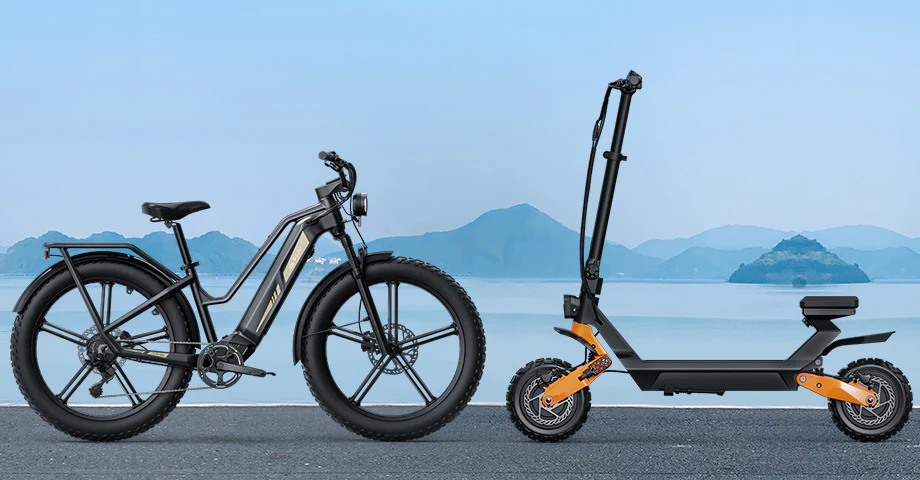
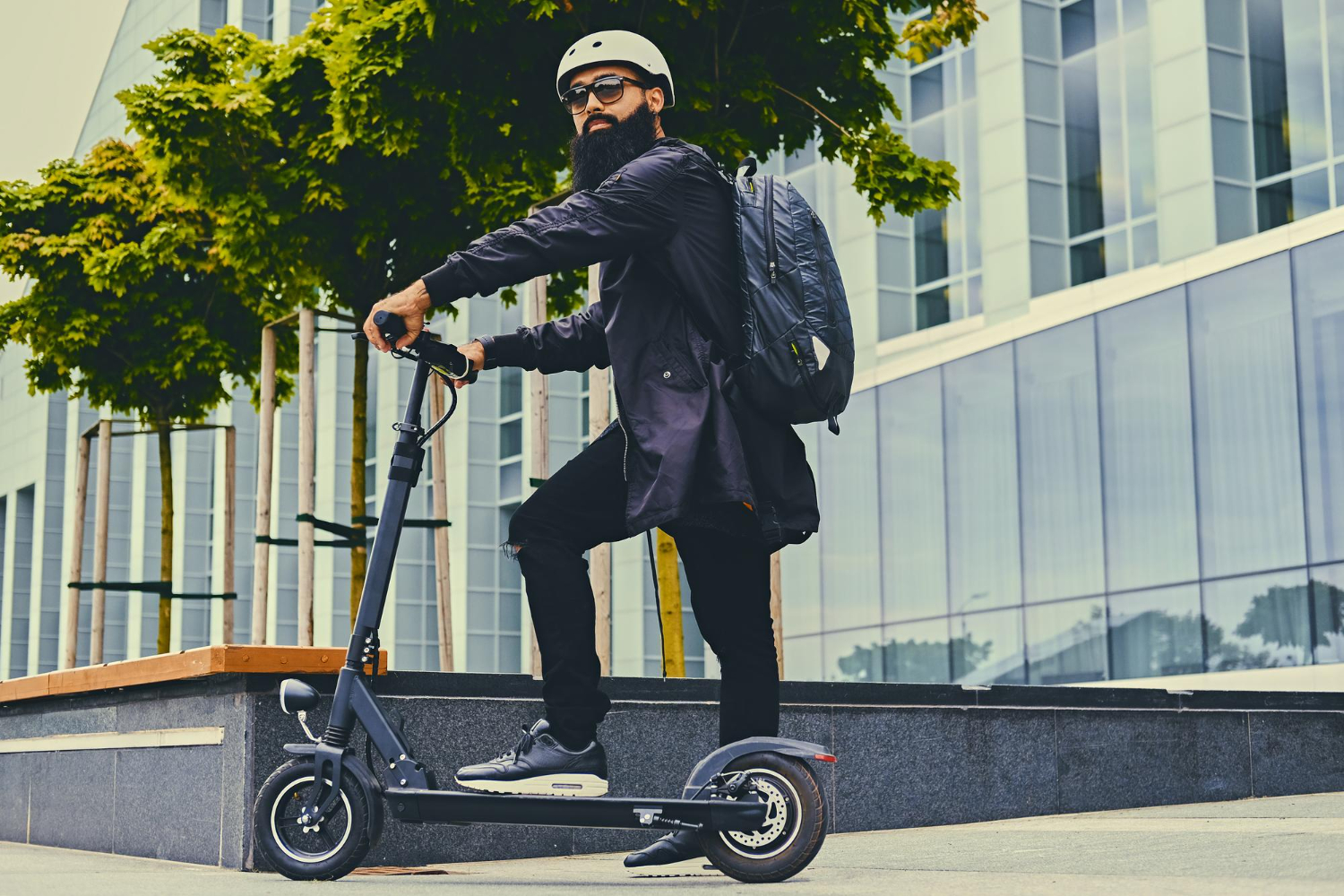
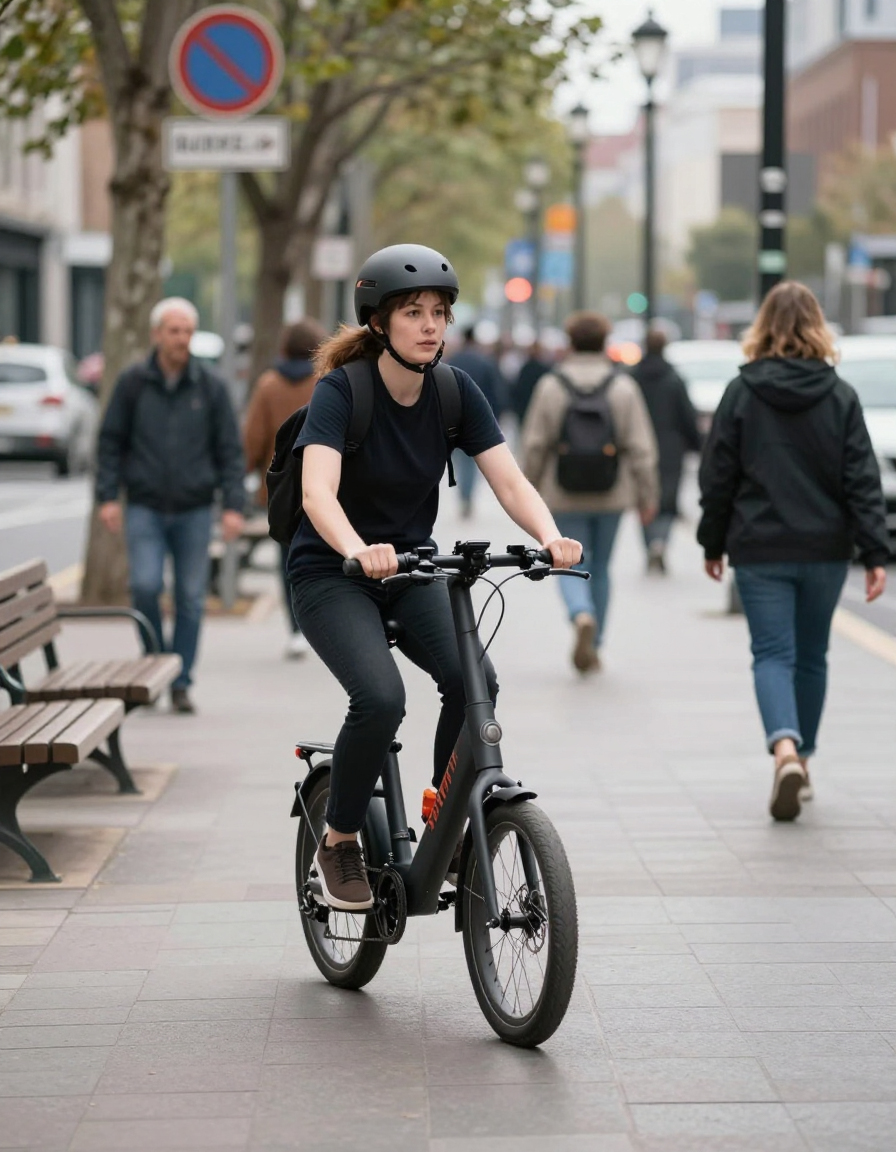
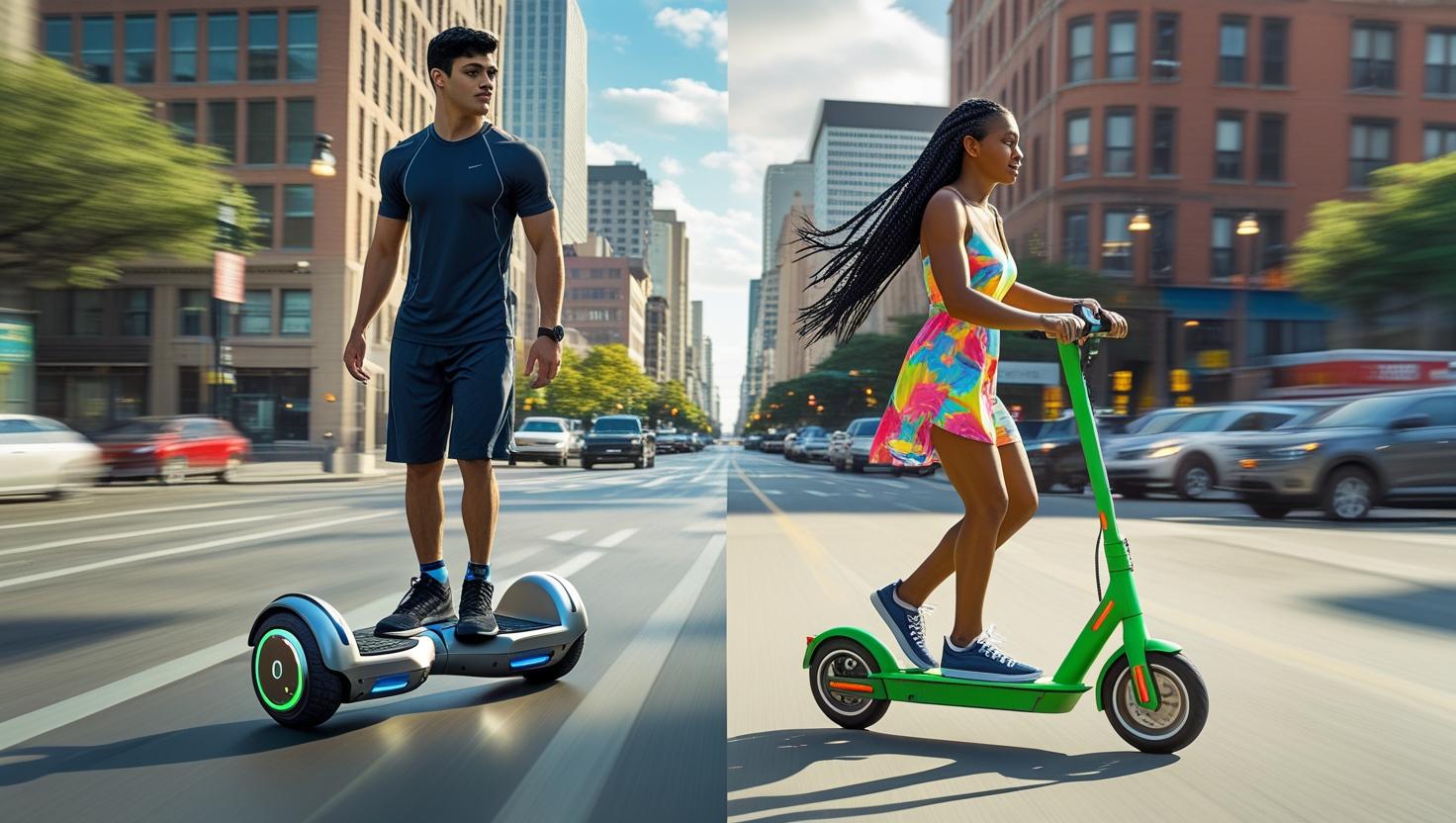
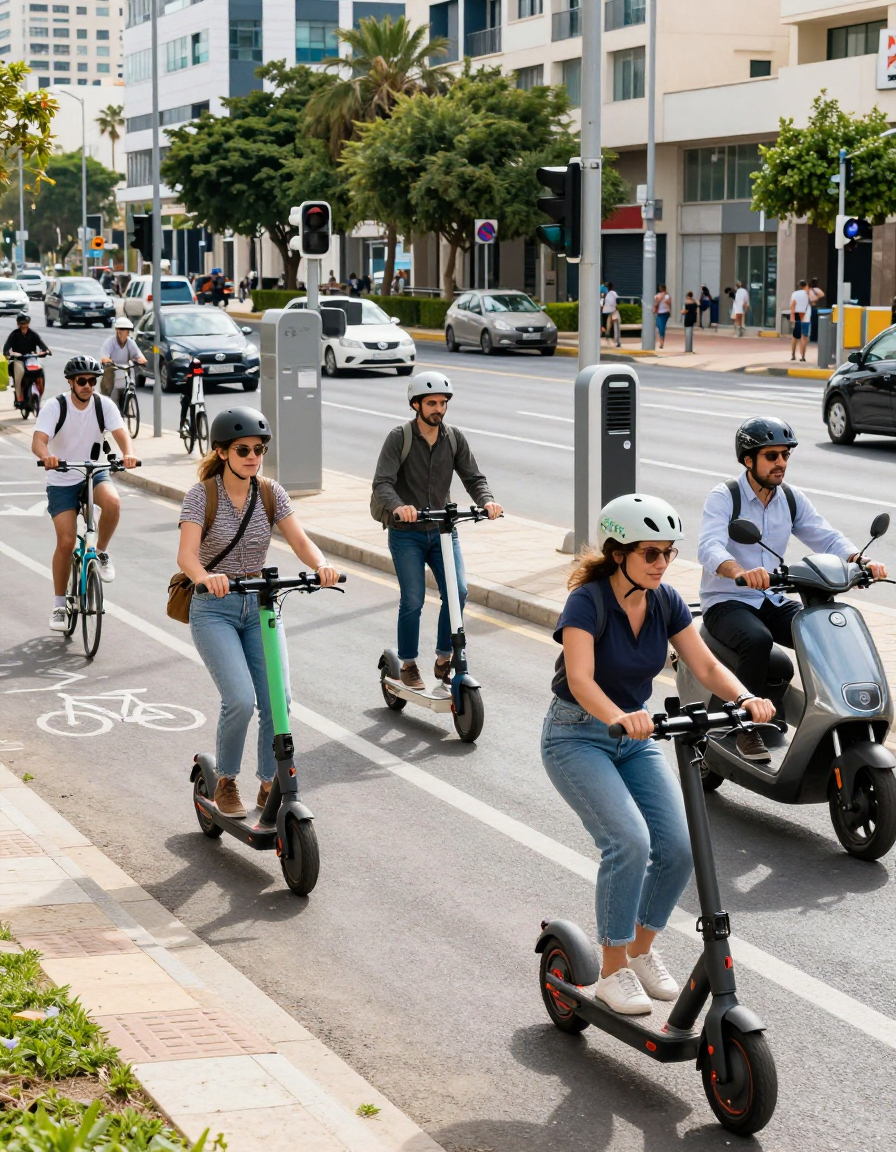
The landscape of urban mobility in Israel is undergoing a significant transformation, with electric bikes and scooters in Israel leading the charge. These innovative vehicles are no longer niche gadgets—they have become essential tools for daily commuting, especially in densely populated cities like Tel Aviv, Haifa, and Jerusalem. By combining speed, convenience, and eco-friendly design, electric bikes and scooters in Israel are changing the way residents navigate urban environments, offering a compelling alternative to traditional cars and public transportation.
Recent trends show a surge in both private ownership and shared micromobility services. Local companies and start-ups are designing solutions specifically for Israeli streets, addressing challenges like hilly terrain, battery range, and safety. This focus on localized innovation has led to smart electric bikes with enhanced battery management systems, foldable designs for apartment living, and integrated apps that track routes, performance, and maintenance schedules.
The impact of electric bikes and scooters in Israel goes beyond convenience—it also addresses environmental concerns. With rising traffic congestion and increasing air pollution in major cities, these zero-emission vehicles provide a sustainable transport solution that reduces carbon footprints and encourages a healthier, more active lifestyle. Moreover, they empower users with flexibility, allowing commuters to bypass traffic jams, park easily, and connect seamlessly with public transit.
Looking ahead, the future of electric bikes and scooters in Israel appears promising. As infrastructure improves—with expanded bike lanes, charging stations, and supportive regulations—these vehicles are set to play a central role in Israel’s smart city initiatives. Local innovations, combined with growing public awareness and demand for sustainable mobility, ensure that electric bikes and scooters will continue to transform the way Israelis move, making urban commuting faster, greener, and more efficient than ever before.
The rapid growth of Electric Bikes and Scooters in Israel is driven not only by innovation in vehicles,
but also by smart digital tools that help riders, buyers, and tech enthusiasts make data-driven decisions.
From battery optimization to range estimation and market comparisons, these advanced tools support the future
of urban micromobility and sustainable transportation.
- Electric Bike Range Calculator — estimate how far your e-bike can travel based on terrain, rider weight, and battery specs.
- Energy Consumption Range Calculator — analyze real-world efficiency for electric bikes and scooters in Israel’s urban conditions.
- E-Bike Cost of Ownership — calculate long-term expenses including charging, maintenance, and battery replacement.
- Battery Lifespan Calculator — predict how long your battery will last under Israeli climate and commuting patterns.
- Charging Time Calculator — determine optimal charging durations for daily city commuting.
- Compare E-Bikes & Scooters — evaluate performance, specs, and features before choosing your next ride.
- Electric Scooter Comparison Tool — compare top scooter models popular in Israel’s micromobility market.
- Motor Power Estimator — understand how motor wattage impacts hill climbing and acceleration.
- Carbon Offset Calculator — measure the environmental benefits of switching from cars to electric bikes and scooters in Israel.
- E-Mobility Trend Radar — stay updated on trends shaping the Israeli electric mobility landscape.
Read More!
The Rise of Electric Mobility in Israel
Over the last decade, electric bikes and scooters in Israel have experienced an unprecedented surge in adoption, reflecting a broader shift toward sustainable and flexible urban mobility. Major cities such as Tel Aviv, Haifa, and Jerusalem have emerged as hubs for micromobility, supported by dedicated bike lanes, urban charging infrastructure, and shared scooter programs. This rapid growth has positioned electric bikes and scooters in Israel not just as recreational devices but as essential tools for daily commuting in a country facing increasing traffic congestion and limited parking availability.
According to Statista, global urban populations are embracing electric micro-mobility solutions at record rates, and Israel mirrors this trend with a growing number of residents choosing electric bikes and scooters for work, school, and errands. The appeal of electric bikes and scooters in Israel lies in their combination of speed, maneuverability, and eco-friendliness, allowing riders to bypass traffic bottlenecks, reduce greenhouse gas emissions, and enjoy a convenient commuting experience.
Furthermore, the rise of electric bikes and scooters in Israel has created significant opportunities for local innovation. Israeli start-ups and technology companies are developing solutions tailored for the unique needs of Israeli commuters, including longer-lasting batteries, modular bike designs, foldable scooters for apartment storage, and mobile apps that monitor ride statistics, energy consumption, and safety alerts. These innovations are transforming the local micromobility market, making electric bikes and scooters in Israel increasingly practical, reliable, and attractive for a wide range of users.
As adoption continues to grow, electric bikes and scooters in Israel are poised to become an integral part of urban transportation ecosystems, shaping the future of city planning, sustainable commuting, and smart mobility initiatives across the country.
Local Innovations and “Israeli Pioneers”
Israel is globally recognized for its technological innovation, and the micromobility sector exemplifies this reputation. The market for electric bikes and scooters in Israel has seen a surge of local creativity, with start-ups and established companies developing solutions specifically tailored to Israeli urban environments. These innovations are redefining commuting experiences, integrating cutting-edge technology to enhance safety, convenience, and performance.
Several local pioneers are leading the way. Some focus on smart electric scooters equipped with AI-based safety systems, predictive maintenance alerts, and geofencing capabilities to comply with city regulations. Others are designing modular electric bikes that allow riders to swap batteries, upgrade components, or customize their rides for both short city trips and longer commutes. These developments are shaping the future of electric bikes and scooters in Israel, ensuring they meet the practical demands of everyday users while staying on the cutting edge of technology.
Notable local innovations include:
- Advanced battery management systems that optimize ride range and longevity, critical for hilly terrains common in Israeli cities.
- Compact, foldable electric bikes and scooters tailored for apartment living and urban storage constraints.
- Mobile app integration for real-time route tracking, energy consumption monitoring, maintenance alerts, and performance analytics.
- Smart connectivity features enabling vehicle-to-vehicle communication, promoting safer navigation in busy urban streets.
The impact of these innovations on the electric bikes and scooters in Israel market is profound. By combining local insight with advanced technology, Israeli pioneers are not just following global trends—they are actively setting them. These developments are making micromobility safer, more efficient, and increasingly appealing for urban commuters, while positioning Israel as a hub for electric mobility innovation.
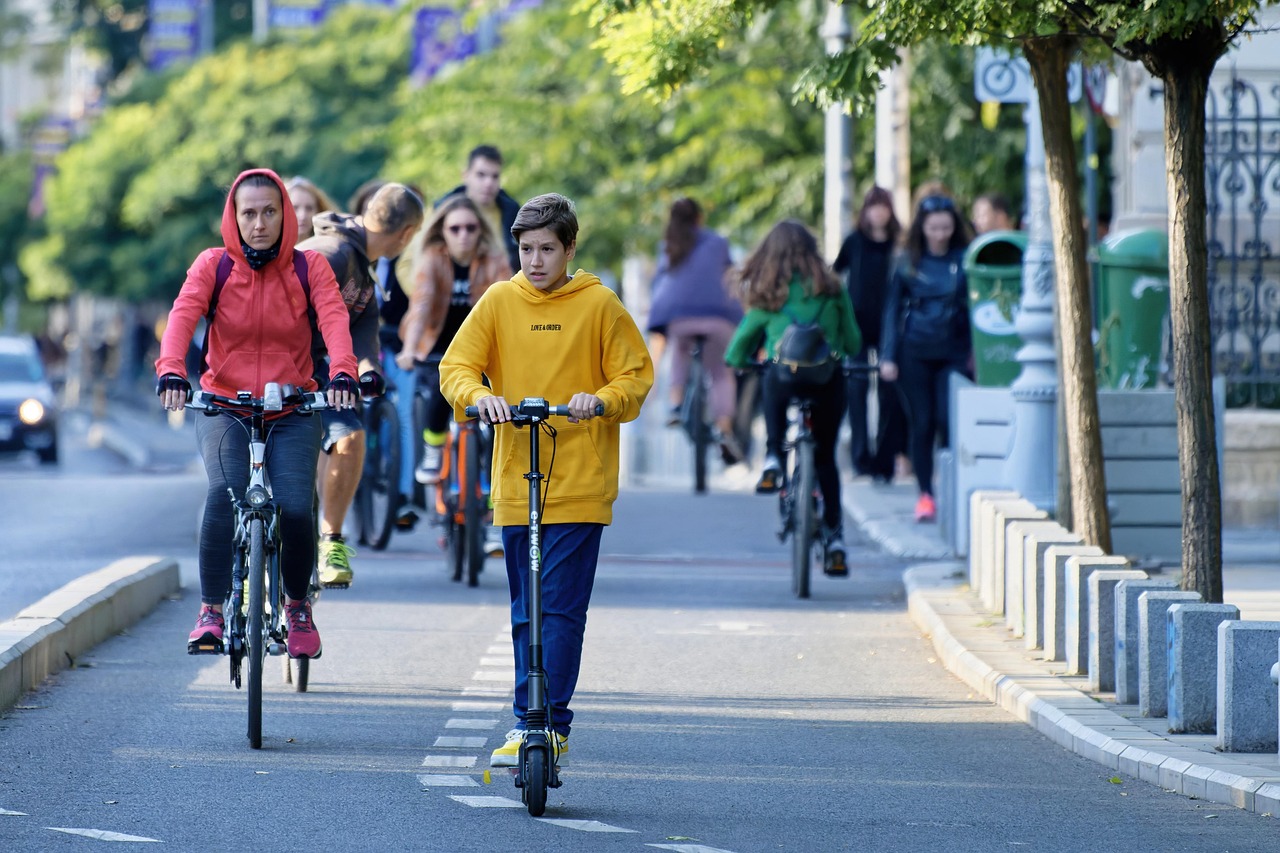
Image by Mircea Iancu from Pixabay
Challenges and Opportunities
Despite the rapid growth of electric bikes and scooters in Israel, the industry faces several key challenges that require careful consideration. Regulatory frameworks are still evolving, and cities are working to integrate these vehicles safely into existing transportation infrastructures. Critical issues include helmet and safety regulations, speed limits in urban areas, and designated parking and charging solutions. Without clear guidelines, the rapid adoption of electric bikes and scooters in Israel could lead to safety concerns, congestion on sidewalks, and public resistance.
However, these challenges also create significant opportunities. Israel’s densely populated cities, combined with a tech-savvy population, provide a fertile environment for innovation in micromobility. By addressing regulatory hurdles and creating supportive infrastructure, companies can improve accessibility, safety, and convenience for users of electric bikes and scooters in Israel. Public transport integration, battery swapping stations, smart parking solutions, and collaboration with local tech firms can elevate the user experience and drive further adoption.
Moreover, solving these challenges positions companies and municipalities to become leaders in the evolving urban mobility market. The successful implementation of safety standards, infrastructure improvements, and technological innovations will not only enhance the reputation of electric bikes and scooters in Israel but also ensure sustainable growth for years to come. As a result, both private and public stakeholders have a unique opportunity to shape the future of urban commuting while fostering a greener, more efficient transportation ecosystem.
Future Trends: Where Is the Market Heading?
The future of electric bikes and scooters in Israel is poised for rapid evolution, driven by technological innovation, government support, and increasing public demand for sustainable urban mobility. Several key trends are expected to shape the next phase of this market, offering both challenges and opportunities for manufacturers, start-ups, and city planners.
- Smart Connectivity: Advanced integration of AI, IoT, and GPS technologies will optimize ride efficiency, provide real-time maintenance alerts, and enable predictive analytics for fleet management. These innovations are making electric bikes and scooters in Israel smarter, safer, and more responsive to commuter needs.
- Shared Micromobility Expansion: Rental programs and city-wide scooter fleets are expected to grow significantly, allowing residents and tourists alike to access electric bikes and scooters in Israel without ownership. This shift enhances urban mobility while reducing congestion and pollution.
- Green Infrastructure: Cities are increasingly investing in dedicated bike lanes, urban charging stations, and eco-friendly planning. The expansion of green infrastructure ensures that electric bikes and scooters in Israel can operate safely and efficiently, promoting a sustainable commuting culture.
- Local Manufacturing: Israeli start-ups are developing high-quality scooters and bikes tailored for local conditions, including modular designs, long-range batteries, and foldable models for urban living. This focus on local production strengthens the market for electric bikes and scooters in Israel and supports technological self-reliance.
As adoption continues to accelerate, the integration of smart technologies, public infrastructure improvements, and locally driven innovation will transform electric bikes and scooters in Israel into a core component of urban mobility. Early adopters, forward-thinking start-ups, and municipalities that embrace these trends are likely to gain a competitive advantage, ensuring that Israel remains at the forefront of the global micromobility revolution.
Suggested topics:
10 Mistakes to Avoid When Buying electric bikes Complete U.S. E-Bike Laws Guide E-Bikes and Batteries Recycling AI and Smart Sensors
Smart Urban Riding Etiquette
🎥 Watch: How electric bikes and scooters are transforming urban mobility in Israel — from bike lanes to micromobility adoption in cities like Tel Aviv. :contentReference[oaicite:0]{index=0}
Conclusion
The sector of electric bikes and scooters in Israel is undergoing a profound and transformative evolution. The combination of local technological innovations, growing adoption among urban commuters, and increasing government support for sustainable transport initiatives signals a robust and promising future. Electric bikes and scooters in Israel are not merely convenient alternatives—they are rapidly becoming essential components of Israel’s urban mobility ecosystem, redefining commuting patterns and setting new standards for eco-friendly transportation.
Looking forward, the continued expansion of dedicated bike lanes, smart charging stations, and integrated mobility apps will further solidify the role of electric bikes and scooters in Israel in daily city life. As start-ups and established companies innovate with longer-lasting batteries, AI-driven safety features, and modular designs, these vehicles will become even more practical, efficient, and appealing to a wide range of users. The sustained growth of electric bikes and scooters in Israel will not only enhance commuting efficiency but also contribute significantly to reducing traffic congestion and carbon emissions across major urban centers.
In summary, electric bikes and scooters in Israel represent a dynamic and rapidly maturing sector with tremendous potential for technological innovation, environmental impact, and societal benefit. For further insights on global micromobility trends and innovations, visit Ride Electric International.
❓ Frequently Asked Questions (FAQ) about Electric Bikes and Scooters in Israel
Are electric bikes and scooters in Israel suitable for daily commuting?
What are the main trends in electric bikes and scooters in Israel?
Are there local innovations in electric bikes and scooters in Israel?
What infrastructure is required to support electric bikes and scooters in Israel?
How do electric bikes and scooters in Israel impact the environment?
Can tourists use electric bikes and scooters in Israel?
What challenges do electric bikes and scooters in Israel face?
Are there local companies manufacturing electric bikes and scooters in Israel?
How is technology shaping electric bikes and scooters in Israel?
What does the future hold for electric bikes and scooters in Israel?