7 Powerful Breakthroughs in Electric Scooter Delivery Systems That Will Transform Urban Logistics
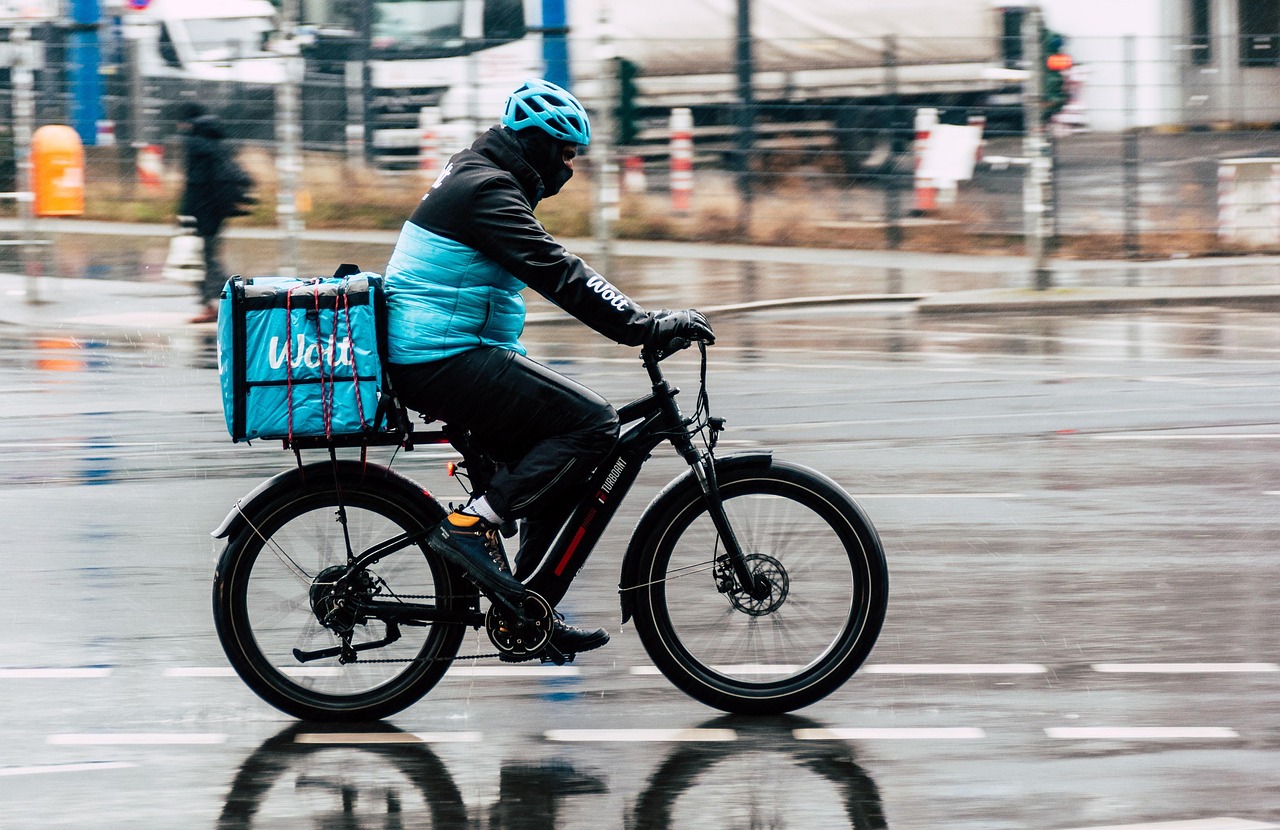
Electric Scooter Delivery Systems: The Intelligent Future of Electric Bike and Scooter Delivery Networks
Focus Keyword: Smart Scooter Delivery Platforms
The rapid evolution of Electric Scooter Logistics Networks is redefining how modern cities move goods, services, and value. Unlike traditional logistics models that rely on heavy vehicles and centralized infrastructure, Electric Bike and Scooter Delivery Networks operate as agile, data-driven networks designed for speed, sustainability, and urban adaptability.
As cities become more crowded and consumer expectations shift toward instant delivery, electric scooter delivery systems are emerging as a strategic solution to the last-mile challenge. These systems integrate electric scooters, electric bikes, cloud-based platforms, and AI-powered routing algorithms to create a seamless flow of micro-deliveries across dense urban environments.
Beyond efficiency, electric scooter delivery systems represent a deeper transformation in urban mobility philosophy. They reduce carbon emissions, minimize noise pollution, and reshape the economic structure of delivery services. In this new paradigm, electric scooters and e-bikes are no longer supplementary tools—they are becoming core infrastructure elements that connect businesses, consumers, and smart cities into a single intelligent logistics ecosystem.
In the coming decade, electric scooter delivery systems will not only accelerate delivery speeds but also redefine how cities are designed, how digital platforms manage physical movement, and how sustainable mobility becomes a competitive advantage. What began as a mobility trend is rapidly evolving into a foundational layer of the global logistics revolution.
Efficient and safe urban delivery with electric scooters and e-bikes requires the right tools.
These resources help you monitor fleet performance, analyze energy consumption, simulate routes, and optimize last-mile logistics in smart city environments.
- Advanced Digital Speedometer — track scooter and bike speeds to ensure timely and safe deliveries.
- Advanced E-Bike Simulator — simulate delivery routes and traffic conditions for planning and training purposes.
- Compare E-Bikes & Scooters — evaluate vehicles for cargo capacity, range, and efficiency to optimize your fleet.
- AI Ride Analyzer — analyze performance metrics and route data to improve delivery speed and reduce energy consumption.
- Battery Calculator — calculate battery needs, charging schedules, and lifespan for your delivery fleet.
- Charging Time Calculator — plan efficient charging cycles to keep your electric scooters and e-bikes ready for urban deliveries.
- E-Bike Consumption Calculator — monitor energy usage per route, helping reduce costs and emissions.
Read More!
What Are Electric Scooter Delivery Systems?
Electric Bike and Scooter Delivery Networks are advanced, technology-driven logistics frameworks that leverage electric scooters and electric bikes to solve the most complex challenge in modern delivery: the last mile. At their core, electric scooter delivery systems connect physical mobility with digital intelligence, creating adaptive networks capable of responding to real-time urban dynamics.
Unlike simple courier fleets, Electric Bike and Scooter Delivery Networks integrate multiple layers of technology, including cloud-based dispatch platforms, AI-powered route optimization, smart battery management, IoT-enabled vehicle tracking, and predictive fleet analytics. Together, these components transform electric scooters and e-bikes into intelligent delivery nodes within a broader urban logistics ecosystem.
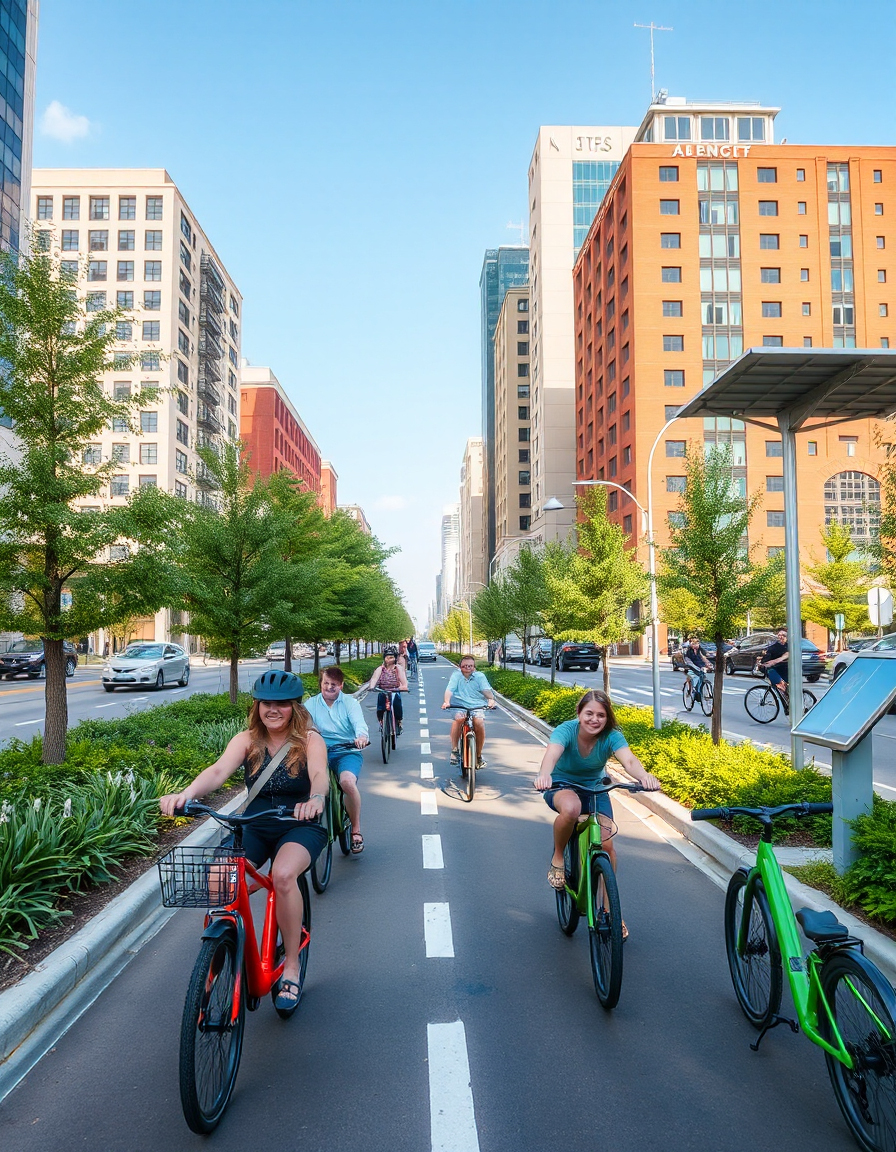
From an operational perspective, electric scooter delivery systems offer unparalleled flexibility. They can navigate narrow streets, bypass traffic congestion, and operate efficiently in areas where traditional vans and motorcycles struggle. This makes Electric Bike and Scooter Delivery Networks particularly effective in megacities, smart cities, and rapidly urbanizing regions where speed and sustainability are equally critical.
Leading global companies are already exploring the potential of Smart Scooter Delivery Platforms to reshape their logistics strategies. Platforms such as Uber, DoorDash, and DHL are experimenting with electric micromobility solutions to reduce operational costs, minimize carbon emissions, and increase delivery density in urban areas.
Beyond efficiency and sustainability, electric scooter delivery systems represent a structural shift in how goods move through cities. They blur the boundaries between transportation, digital platforms, and urban infrastructure. As these systems mature, Electric Bike and Scooter Delivery Networks will evolve from experimental mobility solutions into essential components of future smart-city logistics architectures.
Why Electric Scooter Delivery Systems Are Growing So Fast
The explosive growth of Electric Bike and Scooter Delivery Networks is not accidental—it is the result of a powerful convergence of technological innovation, urban transformation, and shifting consumer expectations. In today’s hyper-connected cities, Smart Scooter Delivery Platforms are emerging as one of the most scalable and resilient solutions for modern logistics.
Unlike traditional delivery infrastructures that struggle with congestion and rising operational costs, Electric Scooter Delivery Systems offer a lightweight, decentralized, and digitally optimized alternative. This structural advantage explains why Electric Scooter Delivery Systems are expanding at a pace unmatched by conventional logistics models.
Several global forces are accelerating the adoption of Electric Bike and Scooter Delivery Networks:
- Urbanization: As megacities grow vertically and horizontally, Electric Bike and Scooter Delivery Networks outperform traditional vehicles in dense urban environments.
- Sustainability: By reducing reliance on fossil fuels, Urban Micro-Mobility Delivery support global climate goals and low-carbon urban strategies.
- Speed: With the ability to navigate narrow streets and avoid traffic bottlenecks, Electric Scooter Delivery Systems significantly reduce delivery times.
- Cost Efficiency: Lower energy consumption, reduced maintenance, and scalable fleet models make Urban Micro-Mobility Delivery economically superior to fuel-based delivery fleets.
- Digitalization: Integration with AI, IoT, and cloud platforms enables Urban Micro-Mobility Delivery to operate as intelligent, self-optimizing networks.
According to data from the International Energy Agency (IEA), global electric mobility adoption is accelerating rapidly. This trend reinforces the idea that Electric Scooter Delivery Systems are not a temporary innovation but a fundamental shift in the architecture of transportation and logistics.
As urban economies evolve and consumer demand for instant delivery intensifies, Urban Micro-Mobility Delivery are poised to become a dominant force in the future of last-mile logistics, reshaping how cities move goods, data, and value.
Architecture of Modern Electric Delivery Networks
At the core of modern urban logistics, Urban Micro-Mobility Delivery function as complex, multi-layered digital infrastructures rather than simple mobility fleets. Today, Electric Scooter Delivery Systems combine hardware, software, and data intelligence into unified platforms that continuously adapt to dynamic city environments.
Unlike traditional delivery models, where vehicles operate as isolated units, Urban Micro-Mobility Delivery operate as interconnected nodes within a real-time digital network. Each electric scooter or e-bike becomes a data-generating asset, feeding information into centralized systems that optimize performance, efficiency, and scalability.
The architecture of advanced Electric Scooter Delivery Systems typically includes the following core components:
- Smart Fleet Management Software: Centralized platforms that monitor, coordinate, and scale Smart Scooter Delivery Platforms in real time.
- AI-Powered Route Optimization: Machine-learning algorithms that enable Urban Micro-Mobility Delivery to dynamically adjust routes based on traffic, weather, and demand patterns.
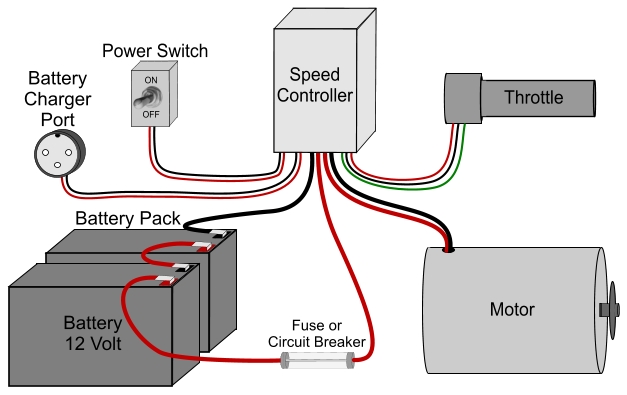
- Battery Infrastructure: Fast-charging hubs and battery-swapping stations that ensure continuous operation of Electric Micro-Mobility Delivery Systems.
- IoT and Real-Time Tracking: Sensors and connectivity layers that transform Urban Micro-Mobility Delivery into transparent, measurable, and controllable networks.
- Data-Driven Analytics: Predictive models that help Electric Micro-Mobility Delivery Systems anticipate demand, reduce downtime, and maximize operational efficiency.
In addition, electric bike delivery fleets are increasingly integrated into cloud-based ecosystems that synchronize with Electric Scooter Delivery Systems. These platforms forecast demand, automate fleet distribution, and balance operational loads across urban zones, creating self-optimizing delivery networks.
As technology evolves, Electric Micro-Mobility Delivery Systems are gradually transforming into autonomous, AI-driven infrastructures. This architectural shift positions Electric Scooter Delivery Systems not merely as logistics tools but as foundational layers of future smart-city economies.
Electric Bikes vs. Electric Scooters in Delivery Systems
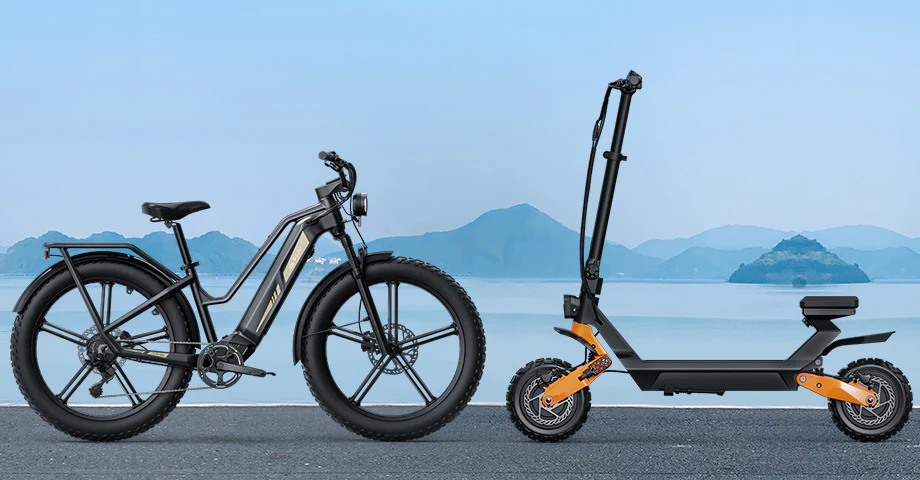
Within modern urban logistics, electric bikes and electric scooters are not competitors but complementary components of Electric Micro-Mobility Delivery Systems. Together, they form a flexible micro-mobility layer that enables Electric Scooter Delivery Systems to adapt to diverse delivery scenarios, from dense city centers to suburban routes.
From a strategic perspective, Electric Scooter Courier Networks rely on the distinct strengths of each vehicle type to maximize efficiency, speed, and cost-effectiveness. The choice between electric bikes and electric scooters is not random—it is driven by payload requirements, distance, terrain, and real-time demand.
- Electric Bikes: In Smart Scooter Delivery Platforms, electric bikes are optimized for heavier payloads, longer distances, and complex routes. Their higher torque and stability make them ideal for bulk deliveries and extended operational cycles within Electric Scooter Delivery Systems.
- Electric Scooters: In contrast, electric scooters are designed for ultra-fast, short-range missions within Electric Scooter Courier Networks. Their agility, low energy consumption, and rapid deployment make them perfect for high-frequency, last-minute deliveries.
The true power of Electric Scooter Delivery Systems emerges in hybrid delivery architectures where electric bikes and scooters operate as a synchronized fleet. In such models, Electric Scooter Delivery Systems dynamically allocate tasks between bikes and scooters based on data-driven insights, transforming micro-mobility into an intelligent, self-optimizing delivery ecosystem.
As cities evolve and delivery demands intensify, Smart Scooter Delivery Platforms will increasingly depend on this hybrid approach, where electric bikes and scooters function not as separate tools but as interconnected elements of a unified urban logistics infrastructure.
The Role of AI and Automation in Electric Scooter Delivery Systems
Artificial intelligence is rapidly becoming the cognitive engine behind modern Electric Scooter Delivery Systems. Rather than operating as static delivery fleets, Electric Scooter Courier Networks increasingly rely on AI-driven decision-making to transform raw mobility data into real-time operational intelligence.
In advanced Electric Scooter Delivery Systems, AI algorithms continuously analyze traffic flows, weather conditions, urban density, and customer behavior. This allows Electric Scooter Delivery Systems to dynamically optimize routes, predict demand peaks, reduce idle time, and improve delivery accuracy at scale.
Automation further amplifies the capabilities of Electric Scooter Courier Networks. Automated dispatch systems assign tasks to scooters and e-bikes based on live performance metrics, while smart scheduling engines balance workloads across fleets. As a result, Electric Scooter Delivery Systems evolve into self-optimizing networks capable of learning from every delivery cycle.
The next phase of innovation in Electric Scooter Courier Networks will be driven by autonomous mobility. Self-driving electric scooters, robotic couriers, and AI-controlled micro-vehicles are poised to integrate directly into Sustainable Electric Delivery Solutions, reducing human dependency and enabling 24/7 logistics operations. Companies such as Nuro and Starship Technologies are already pioneering autonomous delivery technologies that could seamlessly merge with Smart Scooter Delivery Platforms.
Beyond efficiency, AI-powered Sustainable Electric Delivery Solutions are redefining the economic logic of urban logistics. By predicting demand, minimizing operational friction, and orchestrating fleets with algorithmic precision, Electric Scooter Delivery Systems are shifting delivery networks from reactive systems into proactive, intelligent infrastructures.
As artificial intelligence continues to evolve, Electric Scooter Delivery Systems will move beyond optimization toward autonomy, becoming a foundational layer of smart-city ecosystems where digital intelligence and physical mobility operate as a single integrated system.
Economic Impact of Sustainable Electric Delivery Solutions
The rapid expansion of Electric Scooter Delivery Systems is reshaping the economic foundations of urban logistics. More than a technological innovation, Electric Scooter Delivery Systems are creating entirely new value chains that connect gig workers, micro-logistics startups, platform companies, and urban infrastructure providers into a unified digital economy.
At the labor level, Sustainable Electric Delivery Solutions are redefining employment models. Gig workers increasingly operate within Sustainable Electric Delivery Solutions, benefiting from lower entry barriers, flexible working hours, and reduced operational costs compared to traditional delivery jobs. Simultaneously, startups specializing in fleet management, battery technology, and data analytics are emerging as critical players within Electric Scooter Delivery Systems.
From a business perspective, Sustainable Electric Delivery Solutions offer companies a powerful competitive advantage. By replacing fuel-based fleets with micro-mobility networks, businesses significantly reduce energy expenses, maintenance costs, and last-mile inefficiencies. Moreover, Electric Scooter Delivery Systems enable faster delivery times and higher service reliability, directly enhancing customer satisfaction and brand loyalty.
On a macroeconomic scale, Electric Scooter Logistics Networks contribute to the transformation of urban economies. Cities that integrate Electric Scooter Delivery Systems into their transportation and logistics strategies benefit from reduced traffic congestion, lower carbon emissions, and more efficient use of public space. Over time, Sustainable Electric Delivery Solutions also stimulate investment in smart infrastructure, digital platforms, and sustainable mobility ecosystems.
Ultimately, Electric Scooter Logistics Networks are not merely optimizing delivery operations—they are redefining the economic logic of cities. As adoption accelerates, Electric Scooter Delivery Systems will increasingly influence how value is created, distributed, and monetized within future smart-city economies.
Challenges Facing Electric Scooter Delivery Networks
Despite their transformative potential, Electric Scooter Delivery Systems face a complex set of technical, regulatory, and operational challenges. As Sustainable Electric Delivery Solutions scale across cities worldwide, these obstacles increasingly shape how fast and how effectively such networks can evolve.
One of the most critical limitations of Electric Scooter Delivery Systems is energy infrastructure. Battery capacity, charging speed, and the availability of swapping stations directly affect the reliability and scalability of Sustainable Electric Delivery Solutions. Without robust energy ecosystems, even the most advanced Electric Scooter Delivery Systems struggle to maintain consistent performance.
- Battery and Infrastructure Constraints: Limited battery lifespan and uneven charging infrastructure remain major bottlenecks for Sustainable Electric Delivery Solutions.
- Regulatory Uncertainty: In many regions, evolving laws and unclear policies create barriers to the expansion of Electric Bike and Scooter Delivery Networks.
- Safety and Urban Conflict: The rapid deployment of Electric Scooter Delivery Systems often leads to friction with pedestrians, vehicles, and existing transport systems.
- Security Risks: Vandalism, theft, and misuse of vehicles pose ongoing operational challenges for Electric Scooter Delivery Systems.
- Data and Platform Complexity: Managing real-time data flows and integrating digital platforms add technical complexity to large-scale Electric Scooter Delivery Systems.
Yet, these challenges are also catalysts for innovation. Advances in battery technology, AI-driven fleet management, and smart-city regulations are gradually strengthening Sustainable Electric Delivery Solutions. As cities adopt more sophisticated mobility policies and digital infrastructure, Electric Scooter Delivery Systems are evolving from experimental networks into resilient, scalable pillars of urban logistics.
In the long term, overcoming these challenges will determine whether Electric Bike and Scooter Delivery Networks become niche solutions or dominant forces in global last-mile delivery ecosystems.
The Future Vision of Electric Scooter Delivery Systems
The future of Sustainable Electric Delivery Solutions extends far beyond simply accelerating deliveries—it represents a paradigm shift in how cities design, manage, and optimize urban logistics. In the coming decade, Electric Scooter Delivery Systems are poised to transform every layer of urban mobility, from micro-warehousing to predictive logistics.
Key trends shaping the evolution of Autonomous Scooter Delivery Systems include:
- Fully Integrated Smart-City Delivery Networks: Electric Scooter Delivery Systems will interconnect with traffic management, public transportation, and urban infrastructure to form seamless delivery ecosystems.
- AI-Driven Predictive Logistics: Advanced AI will allow Electric Scooter Delivery Systems to anticipate demand, dynamically allocate fleets, and optimize routes in real time.
- Wireless Charging and Advanced Battery Technologies: Next-generation energy solutions will enable Autonomous Scooter Delivery Systems to operate continuously without downtime, supporting 24/7 urban deliveries.
- Decentralized Micro-Warehouses Across Cities: Electric Scooter Delivery Systems will integrate with urban micro-hubs, reducing delivery distances, improving speed, and lowering operational costs.
- Carbon-Neutral Delivery Ecosystems: By combining zero-emission vehicles, smart routing, and renewable energy infrastructure, Electric Scooter Delivery Systems will help cities meet aggressive sustainability goals.
As Electric Scooter Delivery Systems mature, electric scooters and e-bikes will become indispensable urban infrastructure, on par with roads, power grids, and digital networks. Cities that embrace Electric Scooter Delivery Systems early will gain a decisive competitive advantage, achieving faster, greener, and more resilient logistics while fostering innovation in urban mobility.
Ultimately, the vision of Electric Scooter Delivery Systems is not merely about transportation—it is about reimagining the very architecture of cities, where mobility, technology, and sustainability converge to create intelligent, adaptive urban ecosystems for the 21st century.
Suggested topics:
10 Mistakes to Avoid When Buying electric bikes
Complete U.S. E-Bike Laws Guide
E-Bikes and Batteries Recycling
AI and Smart Sensors
Smart Urban Riding Etiquette
🎥 Watch: How electric scooters are used for cargo and last‑mile delivery — a practical look at how Electric Scooter Delivery Systems are transforming urban logistics and micro‑mobility networks. :contentReference[oaicite:0]{index=0}
Conclusion: Electric Scooter Delivery Systems as the Backbone of Future Logistics
Electric Scooter Delivery Systems are more than a technological innovation—they are the structural backbone of tomorrow’s urban logistics. By integrating electric scooters, electric bikes, AI-powered routing, IoT-enabled tracking, and smart infrastructure, Electric Scooter Delivery Systems are creating a new paradigm where speed, efficiency, and sustainability coexist seamlessly.
As cities embrace Electric Scooter Delivery Systems, delivery networks become decentralized, adaptive, and intelligent. Electric scooters and e-bikes will no longer serve as supplementary tools—they will be essential components of an interconnected urban ecosystem, capable of responding to dynamic demand patterns, minimizing environmental impact, and optimizing operational costs in real time.
The long-term impact of Electric Scooter Delivery Systems extends beyond logistics efficiency. These systems are shaping a new economic model for gig workers, startups, and urban infrastructure providers, while simultaneously redefining the environmental and social footprint of last-mile delivery. In essence, Electric Scooter Delivery Systems are enabling cities to become smarter, greener, and more resilient.
In conclusion, the future of urban mobility and delivery is electric, data-driven, and decentralized. At the heart of this transformation, Electric Scooter Delivery Systems stand as the core pillars of next-generation logistics, guiding cities toward a sustainable, intelligent, and highly efficient future.
❓ Frequently Asked Questions (FAQ) about Electric Scooter Delivery Systems
What are Electric Scooter Delivery Systems?
How do Electric Scooter Delivery Systems differ from traditional delivery fleets?
What advantages do Electric Scooter Delivery Systems offer to businesses?
Are electric scooters or bikes better for delivery?
How does AI improve Electric Scooter Delivery Systems?
What are the main challenges facing Electric Scooter Delivery Systems?
How sustainable are Electric Scooter Delivery Systems?
What is the future of Electric Scooter Delivery Systems?
Which companies are leading in Electric Scooter Delivery Systems?
How do Electric Scooter Delivery Systems impact city planning?