7 Powerful Electric Transportation Advantages Transforming Modern Cities

7 Powerful Electric Transportation Advantages Transforming Modern Cities
The global transition toward cleaner mobility is gaining momentum, fundamentally reshaping how people navigate dense urban environments. As cities continue to struggle with rising congestion, traffic-related pollution, and the growing demand for affordable and accessible transportation, the conversation is increasingly centered around the most impactful Electric Transportation Advantages. These advantages go far beyond simply replacing gasoline vehicles—they represent a holistic shift toward smarter, cleaner, and more efficient mobility ecosystems.
From dramatically reducing greenhouse gas emissions to improving everyday commuting comfort, the Electric Transportation Advantages offered by modern e-bikes, e-scooters, and lightweight electric vehicles are transforming urban life. They enable riders to bypass traffic gridlock, reduce pressure on public transit, and move with flexibility that traditional vehicles cannot match. In cities where infrastructure is already stretched to its limits, these Electric Transportation Advantages are becoming essential tools for sustainability, public health, and economic vitality.
This article breaks down seven key Electric Transportation Advantages—environmental, social, and practical benefits—that are driving the shift toward a more innovative and resilient urban future. Whether you’re a commuter, policymaker, or simply curious about smarter mobility, understanding these advantages is crucial for recognizing how electric transportation is rapidly becoming the backbone of the next-generation urban lifestyle.
Read More!
1. Electric Transportation Advantages: A Cleaner, Healthier Urban Environment
The shift toward electric mobility represents one of the most impactful Electric Transportation Advantages for modern cities. Unlike gas-powered vehicles that continuously emit harmful pollutants, electric bikes, scooters, and compact EVs eliminate tailpipe emissions entirely. This is especially transformative for dense metropolitan areas struggling with chronic smog, particulate matter, and respiratory-related health issues. By integrating these cleaner modes of travel into daily life, cities immediately benefit from reduced exposure to NOx, PM2.5, and CO₂—pollutants directly linked to asthma, cardiovascular disease, and premature mortality. According to the World Health Organization, millions of deaths each year are attributed to poor air quality, highlighting how crucial these Electric Transportation Advantages are for global public health. (Source: WHO)
1.1 Lower Carbon Footprint
Among the most transformative Electric Transportation Advantages is the dramatically lower carbon footprint associated with lightweight electric vehicles. E-bikes and e-scooters require only a fraction of the energy consumed by traditional cars, often needing no more electricity than a household device used briefly. When charged through renewable energy sources—such as solar, wind, or hydro—their environmental impact becomes even smaller. This synergy between clean energy and micromobility creates a scalable path toward truly carbon-neutral transportation networks.
1.2 Reduced Noise Pollution
Another often underestimated aspect of the Electric Transportation Advantages movement is the reduction of urban noise pollution. Traditional vehicles generate continuous engine noise, braking noise, and low-frequency vibrations that contribute to stress, sleep disturbances, and cognitive fatigue. Electric mobility, with its quiet and vibration-free operation, reshapes the urban soundscape into something calmer and more livable. Research consistently shows that quieter streets lead to improved well-being, enhanced concentration, and a more relaxed daily experience for residents.
2. Smart Solutions for Dense Urban Mobility
As modern cities expand at an unprecedented pace, traditional transportation systems often fail to keep up with the growing demand for fast, flexible, and space-efficient mobility. One of the most impactful Electric Transportation Advantages in this context is the ability of lightweight electric vehicles to operate effectively within dense urban environments where cars frequently struggle. Electric bikes, scooters, and compact EVs can maneuver through narrow streets, avoid gridlock, and offer a level of agility that conventional vehicles simply cannot match. These capabilities position electric mobility as an essential tool for cities seeking smarter, more resilient transportation systems.
2.1 Solving Last-Mile Transportation
The well-known “last mile” challenge—connecting commuters from major transit hubs to their final destinations—has long been a critical inefficiency in urban mobility. This challenge costs cities billions in lost productivity and discourages riders from relying on public transit altogether. One of the standout Electric Transportation Advantages is how seamlessly e-bikes and e-scooters close this gap. Their compact form, affordability, and ease of access allow riders to extend the reach of buses, trains, and subways, creating a fluid end-to-end transportation experience. As a result, residents are more likely to embrace public transit when the final stretch becomes effortless and enjoyable.
2.2 Reduced Traffic Congestion
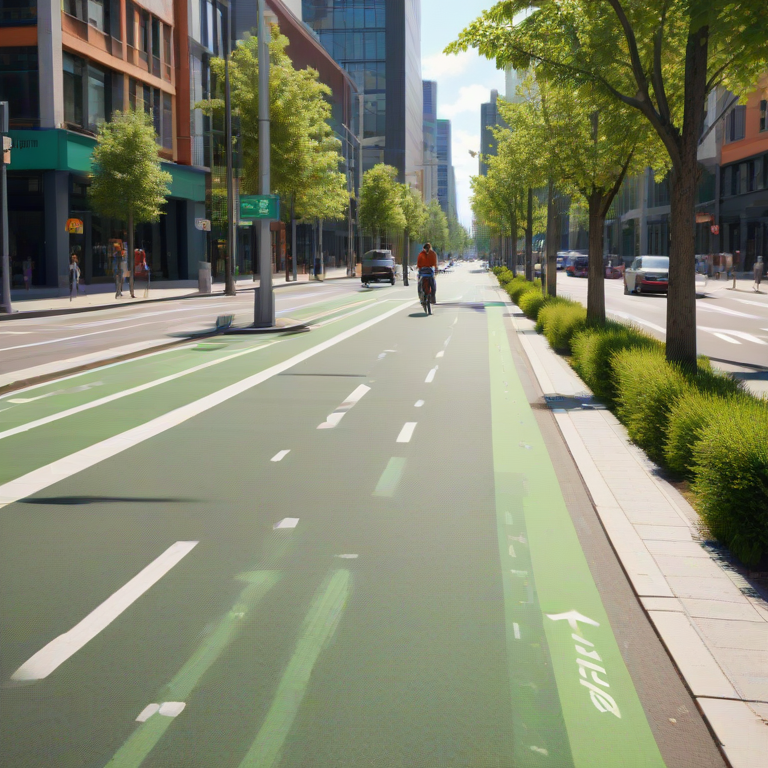
Urban traffic congestion remains one of the most persistent mobility challenges worldwide. Studies such as the INRIX Traffic Scorecard reveal that drivers in major cities can waste more than 150 hours per year sitting in traffic—time that could otherwise be spent on productivity, leisure, or rest. Among the most practical Electric Transportation Advantages is the reduction of congestion made possible by lightweight electric vehicles. They occupy far less road space, accelerate more efficiently in stop-and-go conditions, and offer alternative routing opportunities through bike lanes and mixed-use pathways. As more commuters shift from private cars to electric micromobility, cities experience immediate relief on their busiest corridors.
2.3 Easier Parking and Less Land Use
Parking infrastructure consumes an astonishing amount of valuable urban land—often more than parks, plazas, or community spaces. A key element of the Electric Transportation Advantages framework is the minimal space required for parking electric scooters and e-bikes. These vehicles can be parked responsibly in compact areas, near transit stations, or even within designated micro-parking zones, removing the need for massive car parks or multi-story garages. This not only reduces frustration for commuters but also allows cities to repurpose valuable land for greener, more community-focused purposes such as parks, pedestrian areas, and safe cycling networks.
3. Social and Economic Electric Transportation Advantages
Electric mobility doesn’t just reshape how people move—it reshapes how communities function. Among the most influential
Electric Transportation Advantages are the social and economic benefits that emerge when cities reduce their dependence on private cars. From lowering household expenses to expanding access for underserved populations, electric transportation is becoming a key driver of modern urban development.
3.1 More Affordable Mobility
Electric scooters and e-bikes dramatically reduce the cost of getting around. Unlike cars—whose expenses include fuel, insurance, parking, and ongoing maintenance—electric micromobility requires only minimal upkeep and extremely low charging costs. These financial savings highlight one of the strongest
Electric Transportation Advantages: the ability to provide sustainable, reliable, and affordable transportation for individuals and families. For workers, students, and daily commuters, this cost efficiency can translate into hundreds or even thousands of dollars saved annually.
3.2 Increased Access and Mobility for All
One of the meaningful
Electric Transportation Advantages is the improved accessibility it brings to diverse communities. E-bikes enable riders to travel longer distances with less physical effort, opening new mobility possibilities for older adults, individuals with physical limitations, and people who cannot afford a private car. This inclusive mobility model helps cities become more responsive to human needs and ensures that transportation is not a barrier to employment, education, or social participation.
3.3 Boosting Local Economies
Electric mobility also drives economic growth at the local level. Riders of e-bikes and scooters tend to make more frequent stops at cafés, small shops, and service providers along their routes. This creates a steady flow of neighborhood commerce and supports small businesses—another important example of
Electric Transportation Advantages in action. According to research from the Institute for Transportation & Development Policy, micromobility users often contribute more consistent spending than car drivers. (Reference: ITDP) This shift helps strengthen community economies while reducing car dependence.
4. A Sustainable and Scalable Future
The global momentum behind electric mobility is undeniable, and it is increasingly shaping the long-term vision for urban transportation. One of the most critical aspects of this transformation lies in the numerous Electric Transportation Advantages that scale with city growth. As infrastructure evolves—including widespread charging stations, protected bike lanes, and integrated mobility platforms—the cumulative benefits of electric mobility continue to expand, delivering measurable environmental, social, and economic improvements.
Among the key Electric Transportation Advantages is the ability to create sustainable urban ecosystems. By reducing reliance on fossil fuels, cities lower their carbon emissions, improve air quality, and mitigate the impacts of climate change. At the same time, the scalability of electric mobility ensures that new neighborhoods and growing urban areas can be seamlessly integrated into a clean and efficient transportation network, without the congestion and pollution associated with traditional car-centric planning.
Furthermore, the Electric Transportation Advantages extend beyond environmental gains. Cities adopting electric mobility enjoy enhanced social equity, providing accessible and affordable transportation for all residents, while also stimulating local economies and supporting small businesses. These benefits demonstrate how electric mobility is not only an alternative to traditional vehicles but a foundational pillar of a sustainable, resilient, and livable urban future.
Suggested topics:
10 Mistakes to Avoid When Buying electric bikes
Complete U.S. E-Bike Laws Guide
E-Bikes and Batteries Recycling
AI and Smart Sensors
Smart Urban Riding Etiquette
🎥 Watch: How micromobility (e‑bikes, e‑scooters) and public transit combine to deliver powerful Electric Transportation Advantages — cleaner cities, more efficient commuting, and smarter urban mobility.
Conclusion
From reducing carbon emissions to improving public health, and from easing traffic congestion to creating more inclusive and accessible transportation options, the Electric Transportation Advantages are fundamentally reshaping urban life across the globe. Each new adoption of electric bikes, scooters, and lightweight EVs reinforces the multiple benefits cities can achieve, from cleaner air and quieter streets to more efficient, reliable, and equitable mobility systems.
The Electric Transportation Advantages are not limited to environmental improvements—they also drive economic growth, strengthen local communities, and support sustainable city planning. As cities continue to prioritize electric mobility infrastructure, including bike lanes, charging networks, and integrated transit solutions, the transformative impact of these advantages becomes increasingly visible.
Ultimately, electric transportation is more than just an alternative to conventional vehicles. The Electric Transportation Advantages make it a cornerstone of the modern urban future, offering cities a scalable, sustainable, and socially beneficial path forward for generations to come.
❓ Frequently Asked Questions (FAQ) about Electric Transportation Advantages
What are the main Electric Transportation Advantages in urban environments?
How do e-bikes and e-scooters reduce carbon emissions?
Can electric micromobility solve last-mile transportation problems?
Do light electric vehicles help reduce traffic congestion?
Are electric transportation options more affordable than cars?
Do electric vehicles reduce noise pollution in cities?
How does electric mobility improve public health?
Is parking easier with electric bikes and scooters?
Are electric mobility options accessible for all age groups?
Do electric micromobility users support local businesses?