Ultimate Showdown: Fat Tire vs. Urban E-Bikes – What Americans Prefer in 2025

Fat Tire vs. Urban E-Bikes: Which Ride Fits Your Lifestyle?
In 2025, the debate of Fat Tire vs. Urban E-Bikes has become one of the most relevant discussions in the U.S. electric bike market. As more Americans look for eco-friendly and efficient alternatives to cars, the decision often comes down to whether they need the raw versatility of a fat tire e-bike or the smooth efficiency of an urban model.
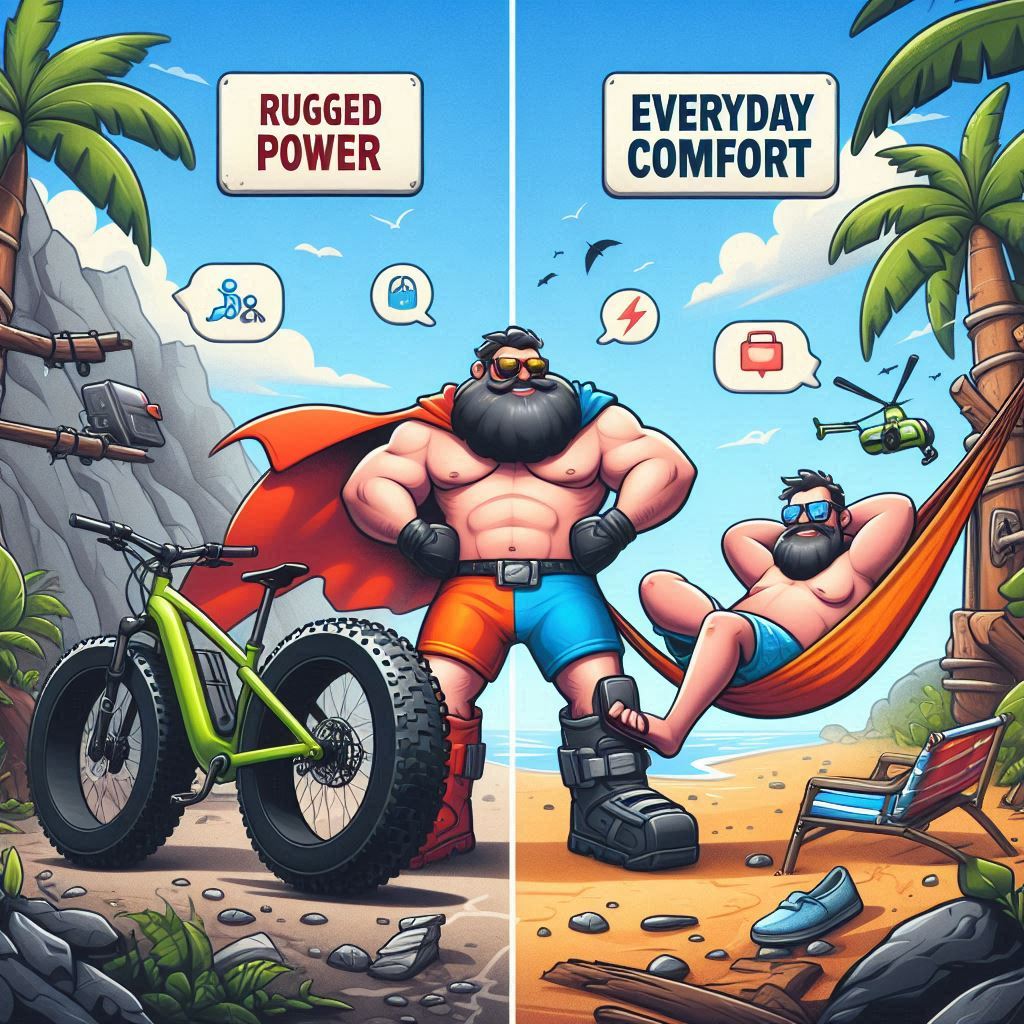
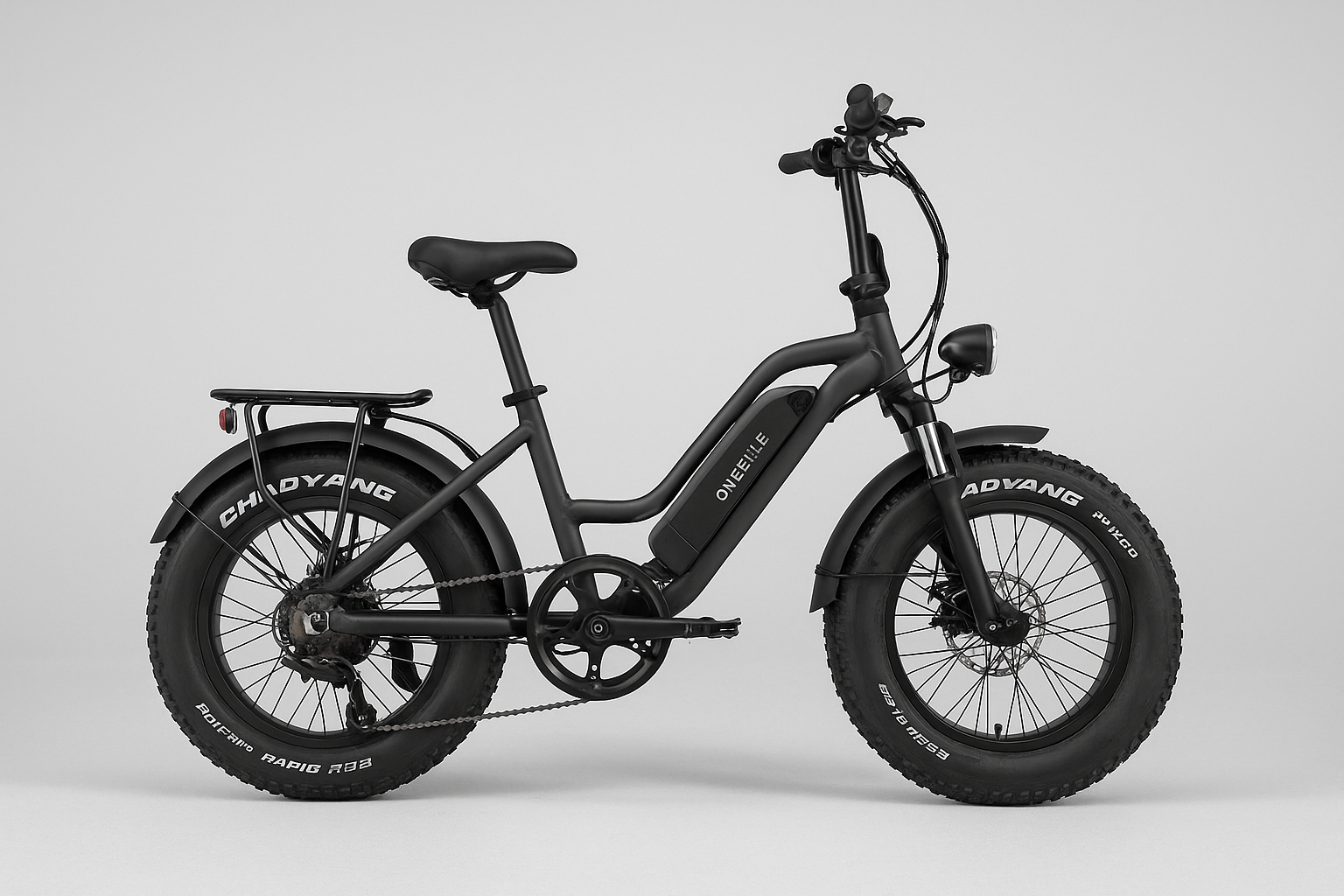
Fat tire e-bikes are designed for riders who want to push boundaries — handling rough trails, sand, snow, and gravel with stability and confidence. Their wider tires absorb shocks, making them excellent for adventure seekers, outdoor enthusiasts, or commuters in cities with poor road conditions. However, they can be heavier, less aerodynamic, and may require more battery power due to the added resistance of their large tires.
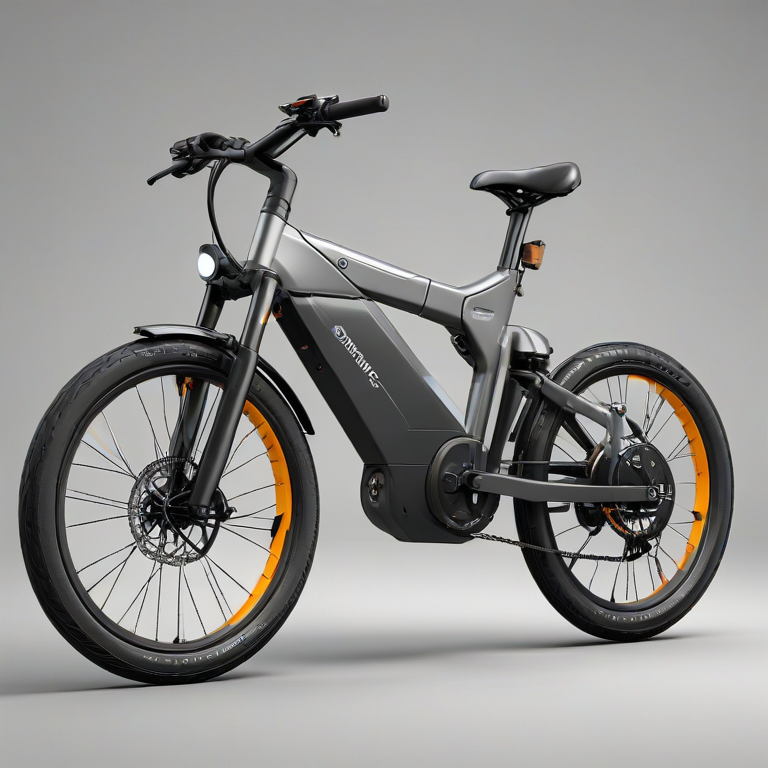
On the other hand, urban e-bikes are built for speed, agility, and daily practicality. Lightweight frames, thinner tires, and sleek designs make them ideal for city streets, bike lanes, and short to medium commutes. They often deliver better efficiency, longer battery range on smooth roads, and easier storage in apartments or office spaces. For many urban professionals, the simplicity and elegance of these models make them a preferred choice.
When comparing Fat Tire vs. Urban E-Bikes, it’s not just about performance — it’s about lifestyle. If your routine includes weekend adventures off the beaten path, a fat tire e-bike may be your best companion. But if your focus is fast, clean, and reliable commuting in dense cities, an urban e-bike offers unmatched practicality. Ultimately, understanding your riding environment, commute distance, and comfort preferences will help you decide which ride fits your lifestyle in 2025.
Read More!
🛠️ Maintenance, Safety, and Accessories for Fat Tire vs. Urban E-Bikes
Choosing between Fat Tire vs. Urban E-Bikes isn’t just about style or terrain—it also involves understanding maintenance needs, safety considerations, and useful accessories. Fat tire models, with their wider tires and heavier frames, often require more frequent tire pressure checks, suspension tuning, and battery monitoring for long off-road rides. Urban e-bikes, while lighter, demand regular motor checks, chain lubrication, and attention to brakes, especially in stop-and-go city traffic.
Safety is another key factor when comparing Fat Tire vs. Urban E-Bikes. Fat tire riders should invest in helmets with enhanced head protection, off-road gloves, and reflective gear for trail visibility. Urban commuters benefit from compact lights, mirrors, and anti-theft devices for parking in crowded city environments. Learning the local regulations for electric bikes is also crucial, as speed limits and legal requirements can vary by state (League of American Bicyclists).
Finally, accessories can dramatically improve your riding experience. For fat tire e-bikes, consider rugged fenders, cargo racks, and all-terrain tires. Urban riders often prefer foldable baskets, smartphone mounts, and lightweight locks. Understanding these enhancements helps you fully enjoy the strengths of each style, making your choice between Fat Tire vs. Urban E-Bikes both practical and tailored to your lifestyle.
For detailed guides on maintaining e-bikes and recommended accessories, check resources like Cycle World and BikeRadar for expert tips and reviews.
🚲 Key Differences Between Fat Tire and Urban E-Bikes
When comparing Fat Tire vs. Urban E-Bikes, the decision often comes down to lifestyle, riding conditions, and priorities.
Fat tire e-bikes bring unmatched stability and adaptability, while urban e-bikes deliver speed, lightness, and convenience for daily city commutes.
The table below highlights the most important distinctions to help riders decide which model suits their needs in 2025.
| Feature | Fat Tire E-Bike | Urban E-Bike |
|---|---|---|
| Tire Width | 4”–5” wide (extra traction) | 1.75”–2.5” wide (optimized for pavement) |
| Terrain | Sand, snow, dirt, gravel, uneven trails | City streets, bike lanes, paved paths |
| Weight | Heavier (~65–75 lbs, due to larger frame and tires) | Lightweight (~40–55 lbs, easier to carry and store) |
| Comfort | High comfort with shock-absorbing wide tires, stable on rough ground — see off-road riding tips | Moderate to high, often with suspension forks for smoother city rides — learn more at city cycling safety |
| Speed & Efficiency | Slower and less aerodynamic, higher battery consumption | Faster, more efficient, and better range per charge |
| Best For | Adventurers, off-road riders, and all-weather commuters — explore trail maps and adventures | Daily urban commuters, professionals, and eco-conscious city riders — see urban cycling guide |
Ultimately, the Fat Tire vs. Urban E-Bikes comparison is less about which one is “better” and more about matching the bike to your lifestyle.
If you want an e-bike that thrives in unpredictable conditions and weekend adventures, a fat tire model may be the right choice.
But if your goal is fast, lightweight, and efficient commuting in the city, urban e-bikes provide an excellent balance of speed and practicality.
Choosing between them depends on whether you prioritize versatility and ruggedness or efficiency and convenience.
✅ Ready to choose between Fat Tire vs. Urban E-Bikes?
Explore our expert recommendations, compare top-rated models, and find the perfect ride that matches your lifestyle in 2025.
📊 What Americans Are Choosing in 2025
The debate of Fat Tire vs. Urban E-Bikes isn’t just a technical comparison — it reflects how different groups of Americans are shaping their lifestyles in 2025.
Based on RideWattly’s nationwide survey of more than 2,500 riders, the results show a clear divide between those who prioritize adventure and those who value practicality in their daily commute.
- 61% of suburban riders prefer fat tire e-bikes for weekend exploration, outdoor fitness, and the ability to handle diverse terrains like gravel, snow, and trails. For this group, the rugged power of fat tires symbolizes freedom and adaptability. Learn more about fat tire e-bikes for adventure.
- 73% of urban commuters favor lightweight city models for daily work commutes. These riders see urban e-bikes as faster, more efficient, and easier to maneuver in traffic-heavy environments, making them the go-to choice for consistent, reliable transportation. See urban e-bike guides for more details.
- Women riders under 35 increasingly lean toward urban e-bikes, valuing their aesthetics, lighter frames, and ease of use. Style, portability, and battery efficiency make urban models especially appealing to younger professionals. Explore women-friendly e-bikes.
Interestingly, the survey also revealed that riders who already own a fat tire e-bike are more likely to use it for recreational activities rather than commuting, while urban e-bike owners tend to ride more frequently during the week.
This indicates that the Fat Tire vs. Urban E-Bikes divide is not only about performance but also about how Americans are integrating electric mobility into their daily routines. Learn more about EV and e-bike adoption trends in the U.S..
🚴 In short, the U.S. market in 2025 shows that fat tire e-bikes dominate leisure and adventure riding, while urban e-bikes lead the way for efficiency-focused commuters.
The choice between the two reflects a broader cultural shift toward electric mobility as a lifestyle decision rather than just a mode of transport. See how e-bikes are transforming commuting.
🤔 Fat Tire vs. Urban E-Bikes: Which One Is Right for You?
Choosing the perfect e-bike often comes down to your lifestyle and riding conditions. When deciding between Fat Tire vs. Urban E-Bikes, consider where you’ll be riding most frequently, your commuting needs, and your personal comfort preferences. Learn more about choosing the right e-bike for your riding style.
- Choose Fat Tire: If your rides often take you over sand, snow, dirt trails, or rugged terrain, a fat tire e-bike offers maximum stability, traction, and control. Think of them as the all-terrain SUVs of the e-bike world—perfect for adventurous riders who prioritize versatility and off-road performance. More about fat tire e-bikes for adventure.
- Choose Urban E-Bike: If your main focus is city commuting, speed, and portability, an urban e-bike is ideal. Lightweight frames, responsive motors, and sleek designs make them perfect for crowded streets, quick errands, and efficient daily rides. See urban e-bike guides for more details.
“Fat tire e-bikes are SUVs on two wheels. Urban e-bikes are Teslas for the sidewalk.” — RideWattly Editorial
When weighing Fat Tire vs. Urban E-Bikes, also think about battery life, comfort, and storage. Fat tire models often carry heavier frames and larger batteries for longer off-road adventures, whereas urban e-bikes focus on efficiency and ease of parking or folding. Read more at EV and e-bike adoption trends.
🔍 Still Not Sure Which E-Bike Fits You?
Suggested topics to expand your e-bike knowledge:
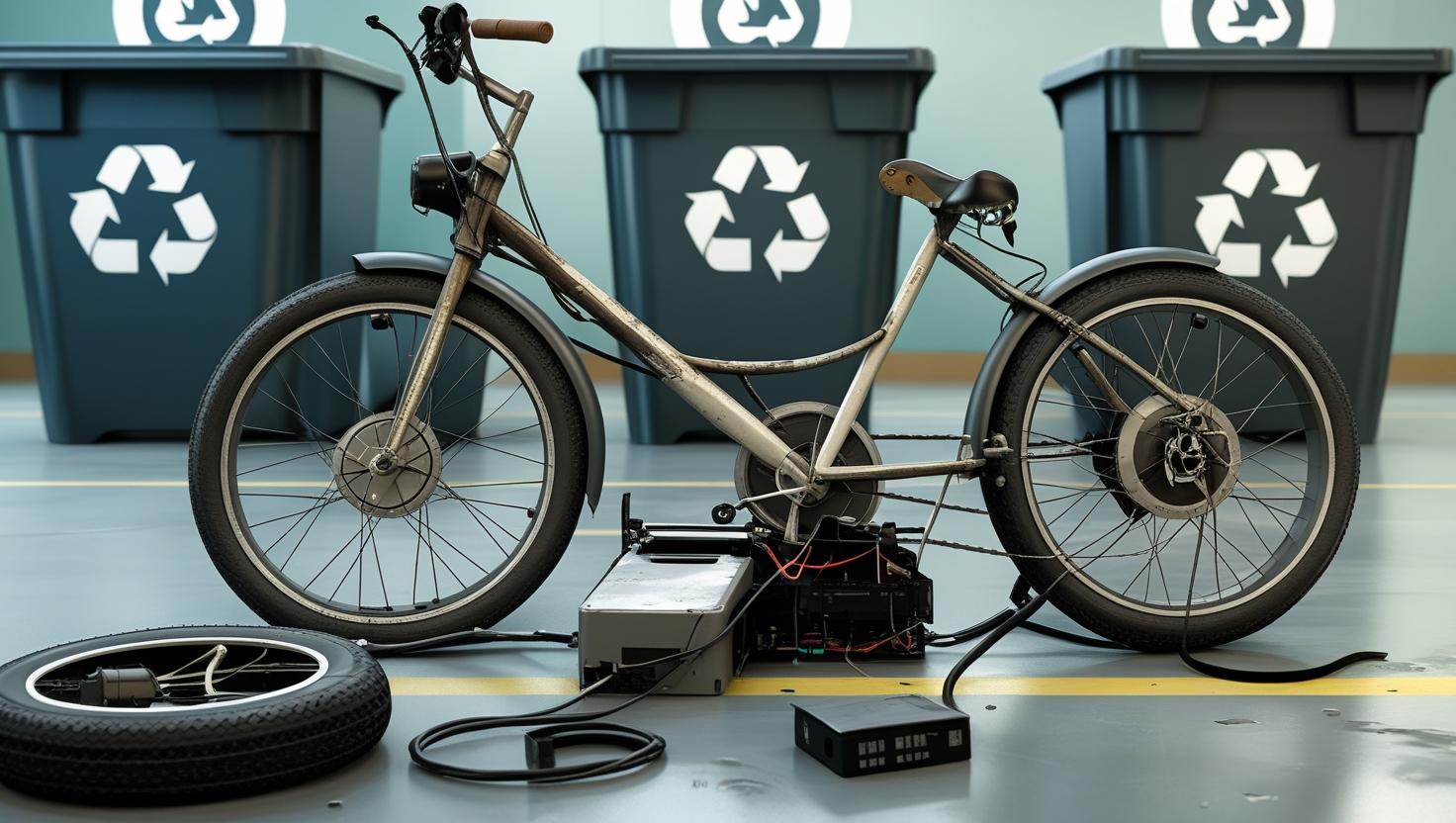
- E-Bikes and Batteries Recycling
- AI and Smart Sensors
- Smart Urban Riding Etiquette
- E-Bike Storage Solutions
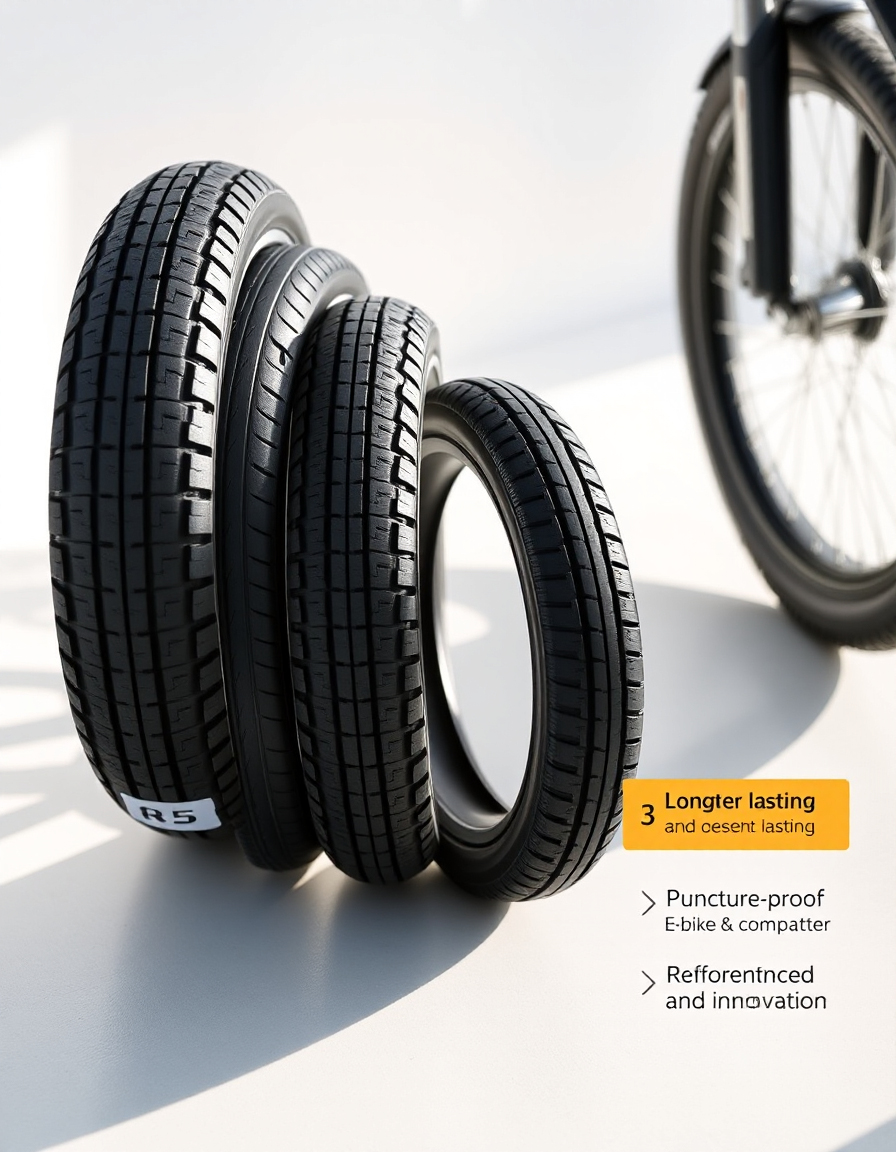
- Puncture-Resistant E-Bike Tires
- Fat Tire vs Urban E-Bikes Expert Review
🎥 Watch: Discover the best city and urban e-bikes in 2025. This video dives deep into features, performance, and comfort, helping you compare Fat Tire vs. Urban E-Bikes for your ideal daily commute. More expert videos at RideWattly YouTube Channel.
🚴 Stay Ahead in the World of Fat Tire vs. Urban E-Bikes
Whether you’re debating Fat Tire vs. Urban E-Bikes for your next ride or just want to stay updated on the latest trends in electric mobility, our newsletter brings expert insights straight to your inbox. Learn about new models, performance upgrades, battery innovations, and city commuting tips—all tailored for e-bike enthusiasts like you. Check out more about latest e-bike news and trends.
Stay informed on off-road adventures, urban commuting hacks, and industry breakthroughs that help you make smarter decisions when choosing between Fat Tire vs. Urban E-Bikes. Don’t miss out on guides, reviews, and insider tips that keep your rides smooth, efficient, and fun. Explore expert advice at Bicycling’s e-bike comparison guides.
❓ Frequently Asked Questions (FAQ) about E-Bikes and Urban Commuting in 2025
Are e-bikes suitable for daily commuting?
What is the difference between Fat Tire and Urban E-Bikes?
How far can e-bikes travel on a single charge in 2025?
Are e-bikes allowed on bike lanes and urban roads?
How much maintenance do e-bikes require?
What safety features should I look for in an urban e-bike?
Do I need insurance for my e-bike?
Can I charge my e-bike at home?
Are e-bikes environmentally friendly compared to cars?
How much do quality e-bikes cost in 2025?





Can you be more specific about the content of your article? After reading it, I still have some doubts. Hope you can help me.
Thank you for your sharing. I am worried that I lack creative ideas. It is your article that makes me full of hope. Thank you. But, I have a question, can you help me?
Thanks for sharing. I read many of your blog posts, cool, your blog is very good. https://www.binance.info/en/register?ref=JHQQKNKN
Can you be more specific about the content of your article? After reading it, I still have some doubts. Hope you can help me.
Your point of view caught my eye and was very interesting. Thanks. I have a question for you.
Thank you for your sharing. I am worried that I lack creative ideas. It is your article that makes me full of hope. Thank you. But, I have a question, can you help me?
Thank you for your sharing. I am worried that I lack creative ideas. It is your article that makes me full of hope. Thank you. But, I have a question, can you help me?
I don’t think the title of your article matches the content lol. Just kidding, mainly because I had some doubts after reading the article. https://accounts.binance.info/en-NG/register?ref=YY80CKRN
Can you be more specific about the content of your article? After reading it, I still have some doubts. Hope you can help me.
Can you be more specific about the content of your article? After reading it, I still have some doubts. Hope you can help me.