7 Breakthrough Innovations in Smart Micromobility AI — The Future of Intelligent Riding
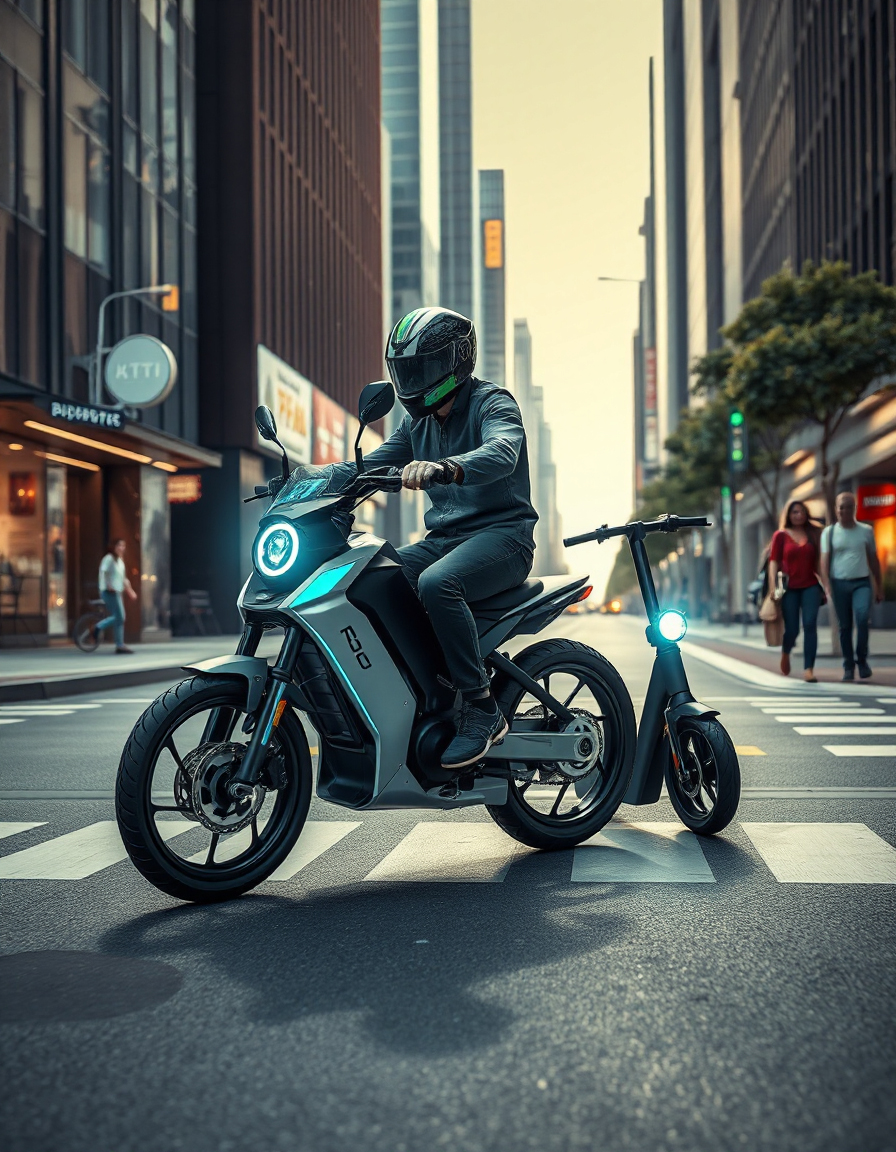
Introduction to Smart Micromobility AI: Transforming Everyday Riding into Intelligent Motion
Only a short time ago, riding an e-scooter or e-bike was a minimalistic experience: a motor, a throttle, basic brakes — and a rider simply reacting to the road. But the landscape of urban mobility is evolving rapidly. The integration of artificial intelligence, next-generation sensor arrays, and context-aware software has begun to reshape what personal transportation can be. This technological shift is not incremental — it is foundational — and it marks the rise of a new category: Smart Micromobility AI.
In this emerging ecosystem, the vehicle is no longer a passive tool. Instead, it becomes an intelligent riding partner capable of understanding behavior, interpreting surroundings, and making data-driven decisions in real time. The promise of Smart Micromobility AI lies in its ability to merge rider intuition with machine intelligence, creating a smoother, safer, and more personalized riding journey.
Today’s micro-electric vehicles can already detect terrain changes, adjust power output automatically, track rider habits, and anticipate environmental risks. But the next phase goes far beyond automation — it introduces adaptive learning. As Smart Micromobility AI continues to evolve, e-scooters and e-bikes will learn your preferred riding modes, optimize routes based on real-time conditions, and even predict mechanical issues before they occur. This transforms the act of riding from a routine commute into an intelligent, connected, and deeply personalized mobility experience.
Read More!
1. Smart Micromobility AI: Why It’s the Next Big Leap
The innovation race in electric mobility has shifted dramatically. What once revolved around battery size, range, and raw motor power has now evolved into a competition centered on intelligence, adaptation, and real-time decision-making. This is where Smart Micromobility AI emerges as the defining force. Instead of merely enhancing the mechanics of riding, AI is transforming the entire relationship between rider, machine, and environment.
At its core, Smart Micromobility AI represents a fusion of advanced algorithms, multi-layer sensor data, and behavioral analytics. These systems continuously observe how riders accelerate, brake, balance, and react to obstacles, creating a dynamic intelligence layer on top of the physical vehicle. This allows micro-electric vehicles to not only support the rider, but to anticipate their needs, optimize performance, and reduce risk — even in rapidly changing urban environments.
The capabilities of Smart Micromobility AI extend far beyond simple automation. They include:
- Real-time road condition analysis — detecting bumps, slopes, surface texture, and sudden hazards.
- Automatic power adaptation — adjusting torque, throttle response, and motor mapping to suit rider behavior and terrain.
- Predictive traffic and obstacle awareness — using pattern recognition and sensor fusion to foresee risks before the rider does.
- Intelligent battery optimization — maximizing efficiency through adaptive energy management based on live data.
- Behavior-based performance tuning — learning riding styles over time to create a personalized, responsive mobility profile.
In this new era, the rider becomes a key component in a continuous feedback loop.
Through Smart Micromobility AI, the vehicle evolves from a simple tool into a learning system — one that adapts, predicts, and grows smarter with every journey. This synergy between human intuition and machine intelligence is what positions Smart Micromobility AI as the next major leap in the evolution of urban electric mobility.
2. Smart Sensors: The Eyes and Ears of Modern Micromobility
At the heart of every intelligent riding system lies a sophisticated network of sensors working together to interpret the physical world. Without these data streams,
Smart Micromobility AI would have no foundation to operate on. Modern e-scooters and e-bikes combine multiple sensing technologies—each capturing a different dimension of the riding environment—to enable real-time learning, prediction, and adaptive control.
These advanced sensor systems not only improve stability and efficiency but also allow micro-electric vehicles to “understand” context, analyze hazards, and interact with riders in more natural and intuitive ways. This fusion of hardware and intelligence is what elevates the entire riding experience from mechanical to cognitive.
• IMU Motion Sensors
Inertial Measurement Units (IMUs) monitor leaning angles, vibrations, braking intensity, acceleration patterns, and elevation shifts with remarkable precision.
Smart Micromobility AI uses this real-time motion data to dynamically adjust motor torque, improve traction control, and enhance overall stability—particularly on uneven terrain or during sharp maneuvers.
• Pedal Torque Sensors (for e-bikes)
Torque sensors analyze how much force the rider applies to the pedals. This allows
Smart Micromobility AI to deliver a natural and fluid pedal-assist experience, seamlessly matching motor power to rider effort. The result is smoother acceleration, better energy efficiency, and a riding experience that feels intuitive rather than mechanical.
• Load and Weight Sensors
These sensors determine total load—rider weight, cargo, and additional accessories.
This enables Smart Micromobility AI to calculate true battery range, optimize riding modes, and ensure accurate performance predictions. By adjusting motor output based on real load, the system prevents energy waste and extends battery life.
• LiDAR & Computer Vision
High-end micromobility systems now incorporate LiDAR scanners, depth cameras, and computer vision algorithms to identify vehicles, pedestrians, road textures, and unexpected hazards in real time. When combined with Smart Micromobility AI, these technologies allow scooters and bikes to anticipate danger—not just respond to it—marking a major step toward safer autonomous riding assistance.
• Smart Battery Sensors
Intelligent battery monitoring systems track temperature changes, voltage levels, cell balance, and long-term degradation patterns. With this data,
Smart Micromobility AI can issue predictive maintenance alerts, prevent overheating, and intelligently manage energy distribution. This ensures both longer battery lifespan and a significant increase in safety.
Together, these sensor technologies create a powerful data-driven foundation. Each reading fuels the continuous learning engine behind
Smart Micromobility AI, enabling the system to evolve, adapt, and ultimately deliver a smarter, safer, and more personalized riding experience.
3. AI-Driven Navigation: Smarter, Safer Routes
One of the most advanced and transformative capabilities of
Smart Micromobility AI is its next-generation navigation system.
Unlike traditional GPS routing—which simply draws a path on the map—AI-driven navigation
actively interprets the riding environment, predicts risks, and makes real-time adjustments.
In other words, the system doesn’t just guide the rider; it understands the world
around them.
Key Intelligent Navigation Features:
- Safer route optimization that prioritizes low-speed, low-stress streets and protected lanes.
- Live traffic pattern analysis to avoid congestion and dangerous intersections.
- Obstacle awareness using shared sensor data from nearby riders and vehicles.
- Weather-adaptive routing that accounts for rain, wind, and reduced visibility.
- Battery-aware path planning that dynamically adjusts routes based on real-time range estimates.
Some emerging technologies helping push this forward:
- Google VeloSense — an experimental system fusing cycling data with AI predictions.
- AI-enhanced OpenStreetMap tools used by smart mobility developers worldwide.
- Bosch eBike Systems integrating machine-learning navigation patterns.
Together, these innovations turn navigation into a predictive, context-aware layer of intelligence — a defining capability of
Smart Micromobility AI.
4. Adaptive Riding Modes: Personalized Riding Through AI
Modern micromobility no longer relies on fixed riding modes. With the rise of
Smart Micromobility AI, e-bikes and e-scooters can continuously learn rider habits,
terrain patterns, and environmental conditions to deliver a deeply personalized riding experience.
The system evolves with every trip, shaping a more responsive and safer ride.
AI-Enhanced Riding Modes:
Eco+ Auto
An adaptive efficiency mode that minimizes energy use by analyzing gradient, wind resistance,
and urban traffic flow. The AI applies just the right amount of motor support to extend range.
Sport Predictive
Provides sharper acceleration based on learned rider patterns. The AI recognizes when you tend
to push harder and prepares torque delivery in advance for smoother bursts of power.
Urban Commuting
Designed for dense city riding. The system optimizes stop-and-go movements, enhances stability at low
speeds, and maximizes regenerative braking during frequent stops.
Comfort AI
Reduces micro-vibrations, improves shock absorption, and modulates torque on uneven surfaces —
ideal for long commutes or rough terrain.
Over time, these AI-powered modes evolve into a fully personalized riding profile.
This continuous learning cycle is one of the strongest demonstrations of how
Smart Micromobility AI transforms everyday commuting into a smarter, calmer,
and safer experience.
5. Smart Interfaces: The New Face of Micromobility
The human experience in modern micromobility is increasingly defined by digital intelligence.
Smart Micromobility AI extends beyond sensors and navigation—it thrives through
advanced user interfaces that translate complex machine intelligence into intuitive, actionable insights for riders.
These smart interfaces form the bridge between human intuition and AI-driven decision-making.
• Intelligent Mobile Apps
Mobile applications powered by Smart Micromobility AI provide a comprehensive dashboard of your ride. Features include:
- Performance analytics — track speed, torque, acceleration, and energy efficiency over time.
- Battery health monitoring — receive real-time updates and predictive alerts to maximize lifespan and reliability.
- Error diagnostics — identify mechanical or software issues instantly with AI-driven guidance.
- Customizable throttle sensitivity and lighting — tailor vehicle responsiveness and safety features to personal preferences.
• Interactive Displays
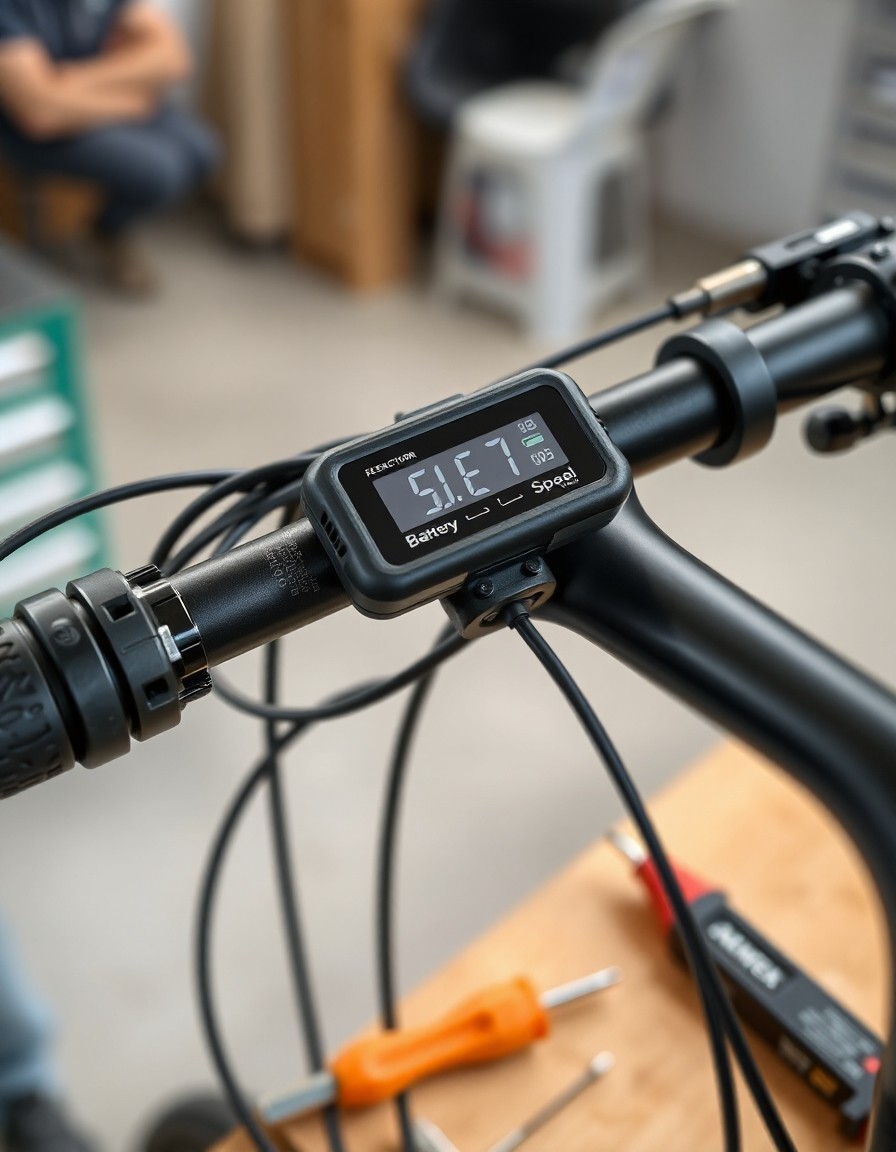
High-resolution dashboards powered by Smart Micromobility AI deliver contextual insights during every ride. Real-time visualization of engine load, traffic density, regenerative braking, and navigation directions allows riders to make informed decisions while staying focused on the road.
• Over-the-Air Updates
A key element of Smart Micromobility AI is continuous evolution. Over-the-air updates ensure that both the software and AI algorithms improve constantly, adding new features, refining riding modes, and enhancing safety—turning your vehicle into a learning system that grows smarter over time.
Together, these intelligent interfaces create a seamless integration between rider and machine,
highlighting how Smart Micromobility AI not only powers the vehicle’s mechanics but also elevates the human riding experience into a connected, adaptive, and deeply personalized journey.
6. AI Safety: When the Vehicle Predicts the Danger First
Safety has always been a critical concern in urban mobility, and
Smart Micromobility AI is transforming how riders interact with risk. By integrating real-time sensors, predictive analytics, and machine learning, these systems no longer wait for accidents to happen—they anticipate potential hazards and take proactive measures to protect the rider.
The safety layer of Smart Micromobility AI acts like an intelligent co-pilot. It constantly monitors rider behavior, environmental conditions, and surrounding traffic to detect threats before they escalate. This predictive capability is a fundamental shift from reactive safety mechanisms to a proactive, adaptive system that enhances confidence and reduces risk.
Key AI-Driven Safety Features:
- Lane deviation alerts — detect drifting or improper lane usage and provide real-time corrections.
- Pedestrian detection — identify nearby pedestrians and anticipate crossing patterns, helping prevent collisions.
- Early braking warnings — alert riders to hazards ahead and prepare the braking system for rapid response.
- Automatic regenerative braking in emergencies — adjust motor output instantly to stabilize the vehicle and reduce stopping distance.
- Slip protection and adaptive motor limiting — maintain traction on wet or uneven surfaces by dynamically adjusting torque delivery.
- Auto “Rain Mode” activation — detect wet conditions and adapt vehicle performance to maximize stability and safety.
By embedding these intelligent safety features, Smart Micromobility AI ensures that every ride is not only more efficient and personalized but also significantly safer. Riders gain the confidence that the vehicle is constantly analyzing, predicting, and acting to prevent accidents—making safety an integrated, intelligent component of the micromobility experience.
7. Global Leaders Driving the AI Micromobility Revolution
The rise of Smart Micromobility AI is not just a theoretical concept—it is actively being shaped by global leaders in electric mobility. These companies are integrating artificial intelligence, sensor fusion, and predictive analytics to redefine how e-scooters and e-bikes operate, setting benchmarks for safety, efficiency, and user experience worldwide.
- NIU Electric — Pioneering advanced AI diagnostics and battery intelligence, ensuring optimal performance and predictive maintenance through Smart Micromobility AI integration.
- Bosch eBike Systems — Leveraging torque management and stability optimization powered by Smart Micromobility AI to provide smoother, safer, and adaptive rides.
- Segway-Ninebot — Utilizing gyro and environmental sensor technologies within the framework of Smart Micromobility AI for enhanced balance, hazard detection, and predictive navigation.
- Lime — Deploying large-scale AI fleet management solutions where Smart Micromobility AI analyzes urban traffic patterns and optimizes distribution of shared e-scooters.
- TIER Mobility — Incorporating predictive maintenance and real-time traffic awareness through Smart Micromobility AI, elevating operational efficiency and rider safety across cities.
These innovators demonstrate the transformative potential of Smart Micromobility AI, not only by enhancing individual vehicles but by shaping the future of entire urban mobility ecosystems. Their work highlights how AI-driven intelligence, combined with sensor-rich hardware and data-centric decision-making, is rapidly turning micromobility into a smarter, safer, and more adaptive mode of transport worldwide.
Suggested topics:
10 Mistakes to Avoid When Buying electric bikes
Complete U.S. E-Bike Laws Guide
E-Bikes and Batteries Recycling
AI and Smart Sensors
Smart Urban Riding Etiquette
🎥 Watch: A glimpse into the future of urban mobility — this video showcases how Smart Micromobility AI combined with real-time sensor data and adaptive control transforms e‑bikes and e‑cargo bikes into intelligent, responsive, and user‑aware vehicles for modern cities.
8. What’s Coming Next? The Road to 2026 and Beyond
The evolution of Smart Micromobility AI is only accelerating. As artificial intelligence, sensor networks, and connected systems continue to advance, the future of e-scooters and e-bikes promises levels of intelligence, safety, and personalization previously unimaginable. Riders will experience vehicles that not only respond to commands but actively anticipate needs, optimize performance, and interact seamlessly with their environment.
Key emerging trends in Smart Micromobility AI include:
- Fully autonomous hazard recognition — AI systems capable of identifying and responding to potential dangers without human input.
- AI-driven controllers replacing traditional ECUs — smarter, adaptive vehicle control units that learn and optimize in real time.
- Voice-activated riding commands — enabling hands-free interaction for safety, convenience, and more natural control.
- Predictive accident-avoidance algorithms — leveraging machine learning to foresee risks and take proactive measures.
- Hybrid human–AI riding control — merging rider intuition with AI prediction to create a truly collaborative mobility experience.
- Fully connected, cloud-synced riding ecosystems — vehicles sharing data to optimize fleet management, energy efficiency, and traffic flow in real time.
As these innovations mature, the distinction between rider and machine will increasingly blur.
With Smart Micromobility AI, the vehicle becomes an intelligent partner—an extension of the rider’s senses and decision-making—transforming urban transportation into a synchronized, adaptive, and remarkably safe experience.
Conclusion
The convergence of advanced AI, high-precision sensors, and intelligent user interfaces is propelling the micromobility sector into a transformative new era. At the heart of this evolution lies Smart Micromobility AI, which is redefining what it means to ride an e-scooter or e-bike. This is far more than a technological upgrade—it represents a fundamental shift in urban mobility, where vehicles actively learn, adapt, and collaborate with riders.
For urban commuters and casual riders alike, the implications of Smart Micromobility AI are profound: enhanced safety through predictive hazard detection, optimized energy consumption for extended battery life, adaptive riding modes for maximum comfort, and a personalized, intuitive riding experience that continuously evolves. As the technology matures, Smart Micromobility AI will not only elevate the act of riding but also redefine the very concept of connected, intelligent urban transportation.
❓ Frequently Asked Questions (FAQ) about Smart Micromobility AI
What is Smart Micromobility AI?
How do AI-driven sensors improve safety?
Can Smart Micromobility AI optimize battery usage?
What are adaptive riding modes?
How do AI-powered interfaces enhance the user experience?
Which companies are leading the Smart Micromobility AI revolution?
Is predictive navigation available in Smart Micromobility AI?
Will Smart Micromobility AI support autonomous features in the future?
How does Smart Micromobility AI personalize riding?
What are the benefits of integrating Smart Micromobility AI in urban transport?






Alright, tried out 316bet the other day. Good selection of games and the odds are decent. Had a few winning streaks, so I’m happy! Give it a whirl! Get started here: 316bet
I don’t think the title of your article matches the content lol. Just kidding, mainly because I had some doubts after reading the article.
Can you be more specific about the content of your article? After reading it, I still have some doubts. Hope you can help me.
Can you be more specific about the content of your article? After reading it, I still have some doubts. Hope you can help me. https://www.binance.com/register?ref=IXBIAFVY