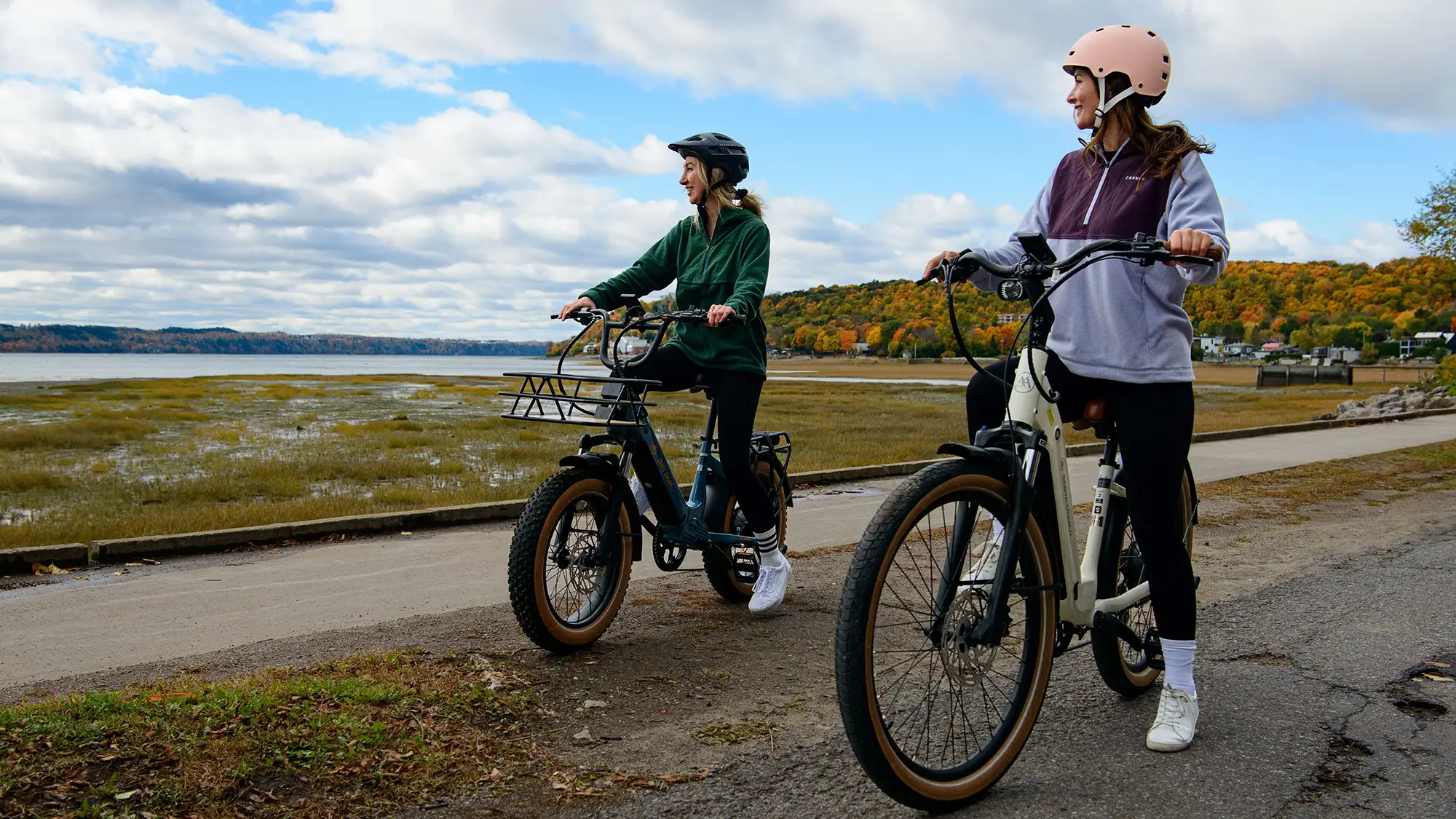
Road Safety Helmet Use: Why Wearing Protective Gear Truly Saves Lives

Road Safety Helmet Use: Why Wearing Protective Gear Truly Saves Lives
Road safety helmet use is often framed as a legal requirement, something riders do to avoid fines or points on a license. In reality, road safety helmet use is a biological safeguard — a direct response to how the human brain reacts to sudden impact and rapid deceleration. For cyclists, e-bike riders, scooter users, and anyone navigating shared urban mobility spaces, wearing a helmet is not about compliance, but about survival.
Modern urban riding environments are unpredictable. A single pothole, a car door opening unexpectedly, or a distracted driver can turn an ordinary ride into a critical moment within seconds. Road safety helmet use dramatically reduces the severity of head injuries in these scenarios by absorbing impact energy and limiting rotational forces that cause traumatic brain injuries. This protection applies not only at high speeds, but especially during low-speed falls — the most common and underestimated type of accident.
At RideWattly, where electric mobility meets real-world riding conditions, we view road safety helmet use as an essential extension of the rider’s awareness. Electric bikes and scooters accelerate faster, weigh more, and operate closer to motor traffic than traditional bicycles. In this reality, choosing road safety helmet use can genuinely mean the difference between walking away with minor bruises or facing irreversible neurological damage that changes a life forever.
Staying safe while riding an e-bike, scooter, or bicycle requires awareness, preparation, and the right tools.
These resources help you monitor, analyze, and optimize your riding experience while prioritizing road safety and protective gear usage.
- Advanced Digital Speedometer — track your speed accurately to maintain safe riding limits.
- Advanced E-Bike Simulator — practice riding scenarios and understand the impact of speed and terrain on safety.
- Compare E-Bikes & Scooters — choose a vehicle that suits your riding style and ensures better control and protection.
- E-Bike Riding Coach — improve your riding skills, balance, and awareness in urban traffic.
- AI Ride Analyzer — monitor your rides to identify risky behavior and optimize helmet and protective gear use.
- Compass — navigate safely through city streets and avoid sudden, dangerous maneuvers.
- Smart Alerts — receive notifications for speed, battery, and route conditions to ride safely and prevent accidents.
Read More!
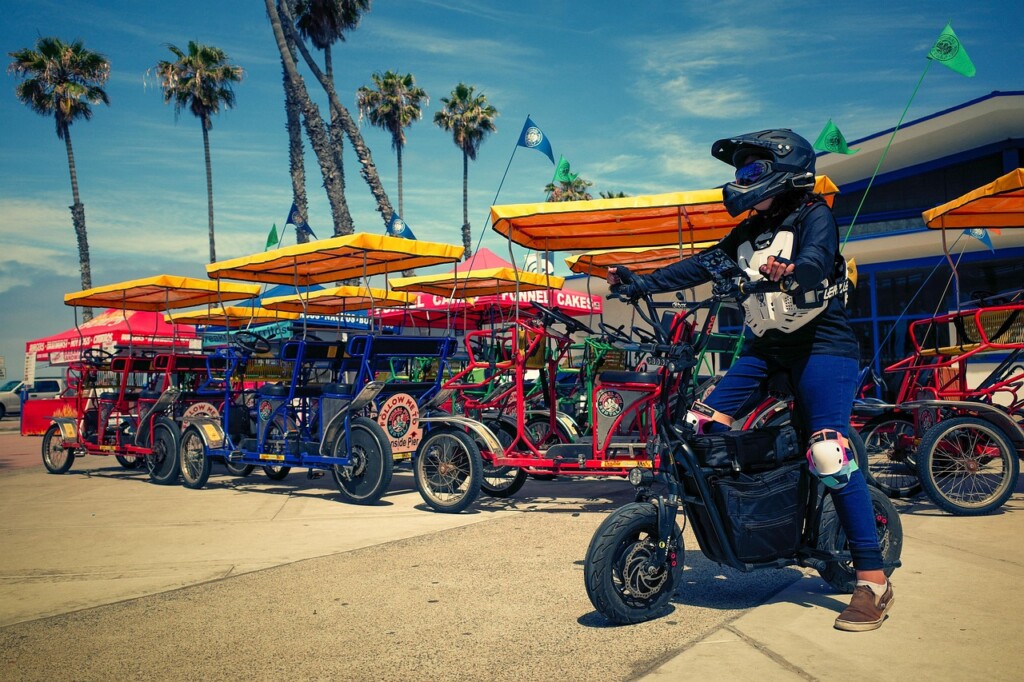
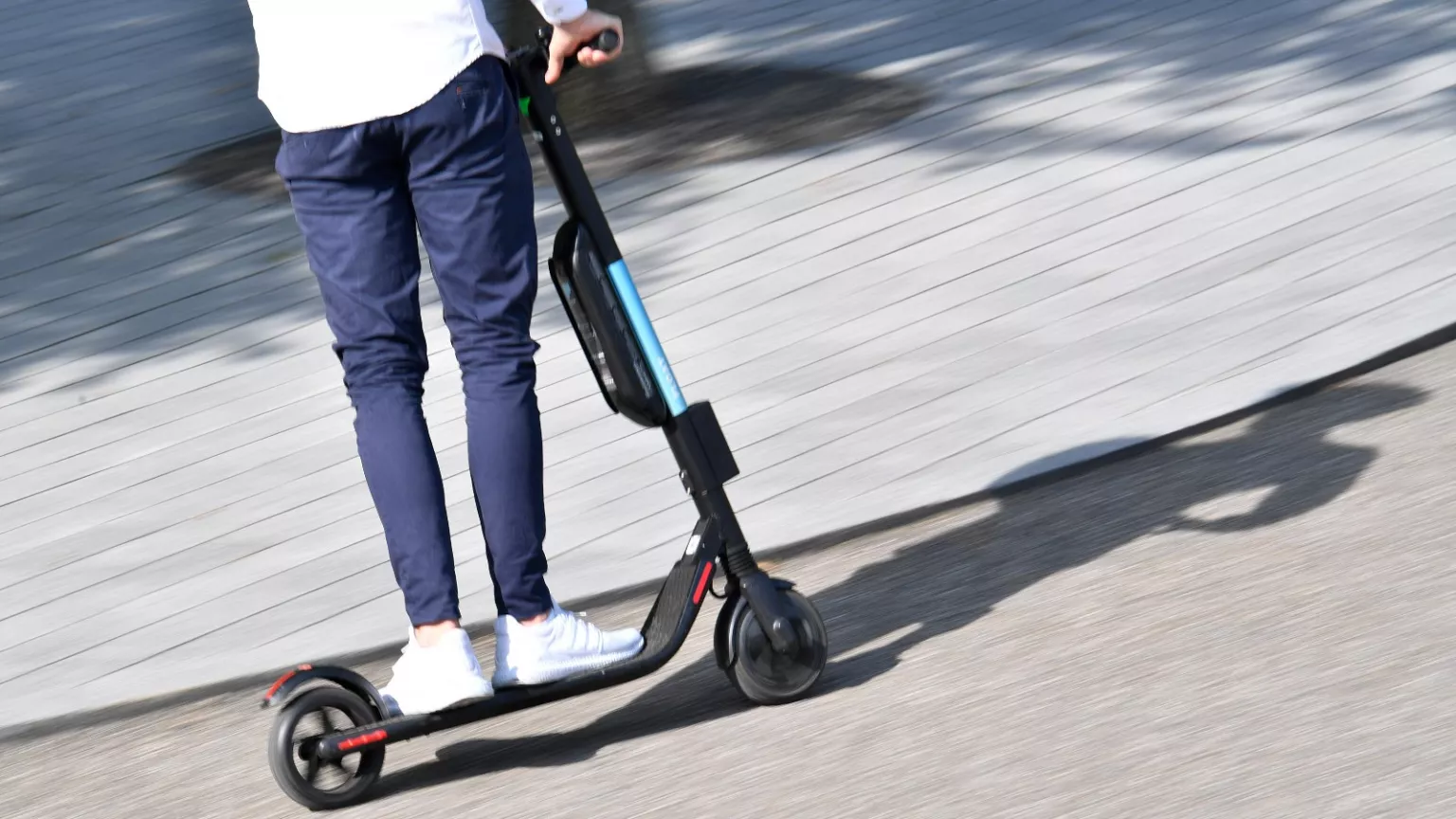
📸 Photo by JCHphoto on Pixabay
Road Safety Helmet Use Is Not About Fear — It’s About Physics
When a collision happens, your body does not negotiate with asphalt, curbs, or moving vehicles. Physics takes over instantly. Road safety helmet use is effective because it controls how energy is transferred during impact. A helmet is not designed to prevent accidents — it is designed to manage kinetic energy, slow down deceleration, and reduce the rotational forces that cause severe brain trauma.
During a fall or crash, the brain continues moving inside the skull even after the head stops. Without road safety helmet use, this sudden internal movement can cause concussions, hemorrhages, or long-term cognitive damage. Helmets work by extending the time over which the head decelerates, lowering peak forces and significantly reducing the stress placed on delicate brain tissue.
This principle applies even at speeds that feel “slow” on an e-bike or scooter. Urban riding accidents often occur below highway speeds, yet the physics involved remain unforgiving. Road safety helmet use proves most critical in these everyday scenarios — curb impacts, balance loss, or sudden braking — where riders least expect danger and are least prepared for impact.
Scientific research consistently confirms that proper road safety helmet use dramatically lowers the risk of traumatic brain injury. These benefits are observed not only in high-speed collisions, but also in low-speed falls, which account for a large percentage of serious head injuries in modern city riding environments.
What Protective Gear Actually Prevents
Road safety helmet use is only one layer of protection, but it remains the most critical line of defense in any riding scenario. While gloves, knee guards, and elbow pads protect extremities, road safety helmet use directly shields the brain — the one organ that cannot be replaced, repaired, or fully rehabilitated after severe trauma. This is why helmets consistently show the highest impact on survival and recovery outcomes.
When combined with additional protective gear, road safety helmet use significantly reduces the likelihood and severity of injuries such as:
- Severe head trauma, concussions, and skull fractures
- Permanent neurological damage affecting memory, balance, and reaction time
- Facial fractures, dental injuries, and jaw displacement caused by direct impact
- Joint and soft-tissue damage that limits long-term mobility and riding confidence
Protective gear does not make riders invincible, and road safety helmet use does not eliminate risk. What it does is fundamentally change the physics and medical outcome of an accident. Injuries that could permanently alter a life are often reduced to manageable recovery periods. This difference rarely appears in traffic statistics, but it is immediately visible in emergency rooms, rehabilitation centers, and the long-term quality of life of riders who chose protection.
Does Following Traffic Laws Really Save Lives?
Many riders assume that traffic laws exist primarily to generate revenue through fines or enforcement. In practice, road safety helmet use and adherence to traffic laws function as a single safety system. Speed limits, right-of-way rules, lane discipline, and signaling protocols are designed to reduce uncertainty — the primary trigger behind high-impact collisions in mixed urban traffic.
Traffic laws create predictability. When riders respect signals, stop lines, and priority rules, they give other road users — drivers, cyclists, and pedestrians — the time and information needed to react safely. This reaction window is often what prevents a crash entirely. When prevention fails, road safety helmet use becomes the final barrier between a sudden impact and a life-altering brain injury.
Importantly, road safety helmet use does not replace responsible riding; it complements it. Helmets are most effective when combined with lawful behavior that lowers speed, minimizes blind-spot conflicts, and reduces lateral impact angles. In real-world accident scenarios, riders who both follow traffic laws and practice consistent road safety helmet use experience significantly lower injury severity and faster recovery outcomes.
The value of traffic laws, then, is not measured in fines avoided but in seconds gained — seconds that allow braking, steering, or balance recovery. Road safety helmet use ensures that when those seconds are not enough, the consequences remain survivable rather than permanent.
Road Safety Helmet Use in the Age of Electric Mobility
Electric bikes and scooters have permanently reshaped urban transportation. They are quiet, efficient, and widely accessible — but also frequently underestimated. Road safety helmet use becomes significantly more critical in electric mobility because these vehicles combine rapid acceleration with sustained cruising speeds that exceed the safe threshold for unprotected human impact.
Unlike traditional bicycles, electric mobility vehicles deliver instant torque. This means riders reach dangerous speeds within seconds, often without fully perceiving the increased risk. Road safety helmet use is essential in this context, as even minor loss of balance or sudden braking at electric-assisted speeds can result in head impacts severe enough to cause irreversible injury without protection.
E-bikes and electric scooters are also heavier than conventional bicycles. This added mass increases kinetic energy during a fall, amplifying impact forces on the rider’s body and head. Road safety helmet use helps counteract these forces by absorbing energy and reducing rotational acceleration — a key factor in traumatic brain injuries.
Many riders skip helmets because trips feel short, familiar, or routine. Yet accident data consistently shows that a large percentage of serious injuries occur close to home, during everyday rides. In the age of electric mobility, consistent road safety helmet use transforms routine journeys into safer ones, ensuring that convenience does not come at the cost of long-term health or life itself.
The Psychological Effect of Wearing a Helmet
One of the most overlooked benefits of road safety helmet use is its psychological impact on rider behavior. Wearing a helmet subtly shifts the rider’s mindset from casual transportation to active risk awareness. Road safety helmet use acts as a constant cognitive cue, reminding riders that the road is a shared, dynamic, and inherently unpredictable environment.
This awareness directly influences decision-making. Riders who practice consistent road safety helmet use tend to approach intersections more cautiously, adjust speed proactively, and scan their surroundings more frequently for potential hazards. The helmet becomes part of a broader mental safety framework, reinforcing attention rather than encouraging fear.
Importantly, road safety helmet use does not promote reckless confidence. Instead, it fosters responsibility. Unlike passive safety features, a helmet is worn intentionally, creating a psychological contract between the rider and the environment. This contract encourages respect for traffic signals, anticipation of blind spots, and smoother, more predictable riding behavior.
In this sense, safety evolves from a single protective action into an integrated system. Road safety helmet use anchors this system by aligning physical protection with conscious riding habits, proving that effective safety begins not only with equipment, but with mindset.
Is It Really About Money or About Survival?
Avoiding fines is a short-term incentive; avoiding permanent injury or death is a lifelong necessity. Road safety helmet use is not about obeying authority or complying with regulations for their own sake. It is about respecting biological limits that no amount of skill or experience can override. The human body is not designed to withstand high-energy impacts, but technology — in the form of road safety helmet use and modern protective gear — is specifically engineered to bridge that gap.
Helmets exist because the laws of physics do not negotiate. No rider can train their brain to tolerate sudden deceleration or rotational forces during a crash. Road safety helmet use acknowledges this reality and provides a critical layer of protection where human resilience ends and mechanical forces begin.
Every experienced rider eventually internalizes a difficult truth: crashes are not always the result of poor decisions. Weather conditions, loose gravel, oil spills, mechanical failures, or another road user’s mistake can instantly remove control from even the most cautious rider. In those moments, road safety helmet use is not a legal checkbox — it is the last line of defense between a recoverable incident and irreversible loss.
Trusted External Perspectives on Road Safety Helmet Use
While personal experience often shapes riding habits, road safety helmet use is strongly supported by independent global research and real-world injury data. International road safety organizations consistently identify helmet use as one of the most effective interventions for reducing fatalities and severe head injuries across all forms of two-wheeled mobility, including bicycles, e-bikes, and electric scooters.
The World Health Organization highlights road safety helmet use as a cornerstone of injury prevention strategies, emphasizing its role in mitigating traumatic brain injuries — one of the leading causes of long-term disability worldwide. Their findings are based on cross-country data, trauma registries, and decades of epidemiological research.
Similarly, the CDC Transportation Safety Division publishes evidence showing that consistent road safety helmet use significantly lowers the risk of fatal and non-fatal head injuries, even when other variables such as speed, rider age, or vehicle type are taken into account. These insights reinforce that helmets are not merely protective accessories, but proven public health tools.
What makes these external perspectives particularly relevant is their independence from enforcement or commercial interests. The conclusions are driven by injury outcomes, not regulations. Across regions, cultures, and traffic systems, the message remains consistent: road safety helmet use saves lives, preserves cognitive function, and reduces the long-term human cost of modern mobility.
Suggested topics:
10 Mistakes to Avoid When Buying electric bikes
Complete U.S. E-Bike Laws Guide
E-Bike Storage Solutions
AI and Smart Sensors
Smart Urban Riding Etiquette
🎥 Watch: A practical guide to essential safety gear for electric scooters — including helmets and protective equipment every rider should know before riding. :contentReference[oaicite:0]{index=0}
Final Thoughts: Smart Riders Choose Protection
Road safety helmet use is not a passing trend or a cultural preference — it is a rational, evidence-based response to the realities of modern mobility. As cities become denser and electric transportation continues to expand, riders face higher speeds, mixed traffic, and reduced margins for error. Choosing consistent road safety helmet use is ultimately a choice for continuity: the ability to keep riding, keep working, keep thinking clearly, and keep living without irreversible consequences.
Protection is not about pessimism; it is about foresight. Road safety helmet use reflects an understanding that skill alone cannot control every variable on the road. It acknowledges uncertainty and prepares for it responsibly. In this sense, wearing a helmet is not a limitation — it is a declaration of intent to ride longer, safer, and smarter.
At RideWattly, we believe that smart mobility starts with smart decisions. Road safety helmet use is not driven by fear, enforcement, or fines. It is driven by respect for life, awareness of risk, and commitment to sustainable riding habits. Every ride is a choice — and choosing protection means choosing life, every single time.
❓ Frequently Asked Questions (FAQ) about Road Safety Helmet Use
Why is road safety helmet use important?
Does wearing a helmet prevent all injuries?
Do helmets only matter at high speeds?
How does helmet use relate to traffic laws?
Are helmets more important for electric bikes and scooters?
Does wearing a helmet affect riding behavior?
Can helmets prevent fatal injuries?
Do international organizations recommend helmet use?
Is helmet use just about avoiding fines?
What is the best approach to staying safe while riding?