The Complete Guide to Portable Electric Vehicles: Types, Pros, and Cons
What Are Portable Electric Vehicles and Which One Is Right for You?
In recent years, Portable Electric Vehicles (PEVs) have completely reshaped the way people move through cities. What began as a niche trend with simple electric bicycles and scooters has rapidly evolved into a dynamic and highly innovative mobility ecosystem. Today, Portable Electric Vehicles are at the center of the global shift toward smarter, cleaner, and more efficient transportation.
This category—often referred to as micromobility—includes a wide range of compact, lightweight, and electric-powered solutions designed primarily for short to medium-distance travel. From e-bikes and e-scooters to electric skateboards, hoverboards, and even advanced electric unicycles, Portable Electric Vehicles now offer options for nearly every type of rider and lifestyle.
One of the key reasons behind the explosive growth of Portable Electric Vehicles is their ability to solve real-world urban problems. Traffic congestion, rising fuel costs, limited parking, and environmental concerns have all pushed commuters to seek alternative ways of getting around. Unlike traditional cars, Portable Electric Vehicles are compact, energy-efficient, and often significantly more affordable to operate and maintain.
Another major advantage of Portable Electric Vehicles is their flexibility. Whether you’re commuting to work, running errands, or simply enjoying a ride, these vehicles adapt to your needs. Many models are foldable, lightweight, and easy to carry, making them perfect for combining with public transportation or storing in small spaces.
However, despite their many benefits, Portable Electric Vehicles are not a one-size-fits-all solution. Each type comes with its own unique characteristics, including differences in speed, range, comfort, stability, and learning curve. For example, an electric scooter may be ideal for quick city commutes, while an electric unicycle might appeal more to experienced riders seeking performance and portability.
Safety and regulation are also important factors to consider. As Portable Electric Vehicles become more common, cities around the world are introducing new rules regarding where and how they can be used. Understanding these aspects is essential when choosing the right vehicle for your daily routine.
From daily commuting to recreational riding, Portable Electric Vehicles offer a powerful combination of convenience, efficiency, and sustainability. They represent not just a trend, but a long-term shift in how we think about personal transportation.
In this article, we’ll explore all major types of Portable Electric Vehicles, explaining how they work, comparing their real-world performance, and analyzing their advantages and disadvantages—so you can confidently decide which one is the best fit for your lifestyle.
🎥 Watch: An overview of Portable Electric Vehicles and modern micromobility — including e-bikes, scooters, skateboards, and other electric urban mobility solutions shaping the future of transportation.
Read More!
1. Electric Bicycles (E-Bikes)
Electric bicycles, commonly known as e-bikes, are one of the most established and versatile categories within the world of Portable Electric Vehicles. They combine the familiar structure of a traditional bicycle with an integrated electric motor that provides pedal assistance, allowing riders to travel longer distances with less physical effort.
Among all Portable Electric Vehicles, e-bikes stand out as a practical solution for both urban commuting and everyday transportation. They are designed to enhance human power rather than replace it entirely, making them ideal for people who want a balance between exercise and convenience. Modern e-bikes come with advanced features such as multiple assist levels, removable batteries, smart displays, and even app connectivity.
Another key advantage of e-bikes in the Portable Electric Vehicles category is their adaptability. Whether you’re navigating busy city streets, climbing hills, or carrying groceries, e-bikes provide a stable and efficient riding experience. This makes them especially appealing for commuters who want to replace car trips with a more sustainable option.
Advantages
- Long range (typically 40–80 km or more), making them ideal for daily commuting
- Comfortable for longer rides thanks to seated position and larger wheels
- Suitable for commuting, cargo transport, and even family use
- Easy learning curve, especially for those already familiar with cycling
- Efficient and eco-friendly alternative to cars within the Portable Electric Vehicles ecosystem
Disadvantages
- Heavier and less portable compared to other Portable Electric Vehicles
- Higher cost, especially for premium models with larger batteries
- May require registration or insurance in certain regions
- Storage can be challenging in small apartments or offices
Overall, e-bikes are ideal for riders who prioritize reliability, comfort, and range over compactness. Within the broader landscape of Portable Electric Vehicles, they are often considered the closest alternative to a car for everyday use.
Portable Electric Vehicles are changing the way we move in cities — from e-bikes and scooters to electric skateboards and EUCs.
These tools help you compare vehicles, estimate range, analyze performance, and choose the right micromobility solution for your lifestyle.
-
Electric Scooter Comparison Tool
— compare speed, range, weight, and performance between different scooters. -
E-Bike Range Calculator
— estimate how far your e-bike can travel based on battery and riding conditions. -
E-Scooter Range Calculator
— calculate realistic commuting range for electric scooters in urban environments. -
Max Speed Calculator (E-Bike / E-Scooter)
— estimate achievable top speed based on motor power and system limits. -
E-Bike vs Scooter Comparison Tool
— decide which Portable Electric Vehicle fits your commuting style best. -
Energy Consumption Calculator
— understand efficiency and energy use across different electric vehicles. -
Ride Efficiency Tracker
— analyze your riding habits and optimize performance over time.
2. Electric Scooters (E-Scooters)
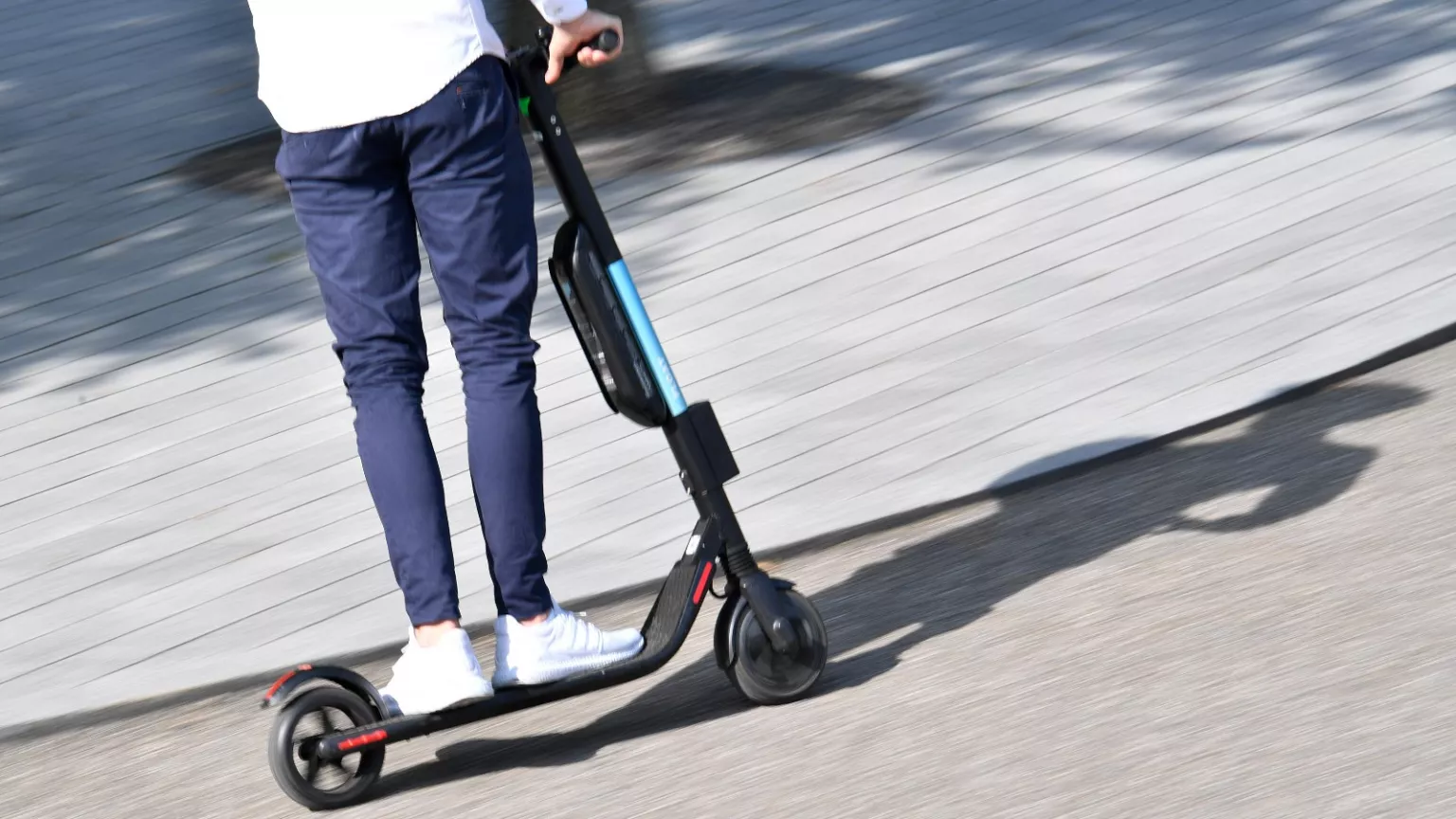
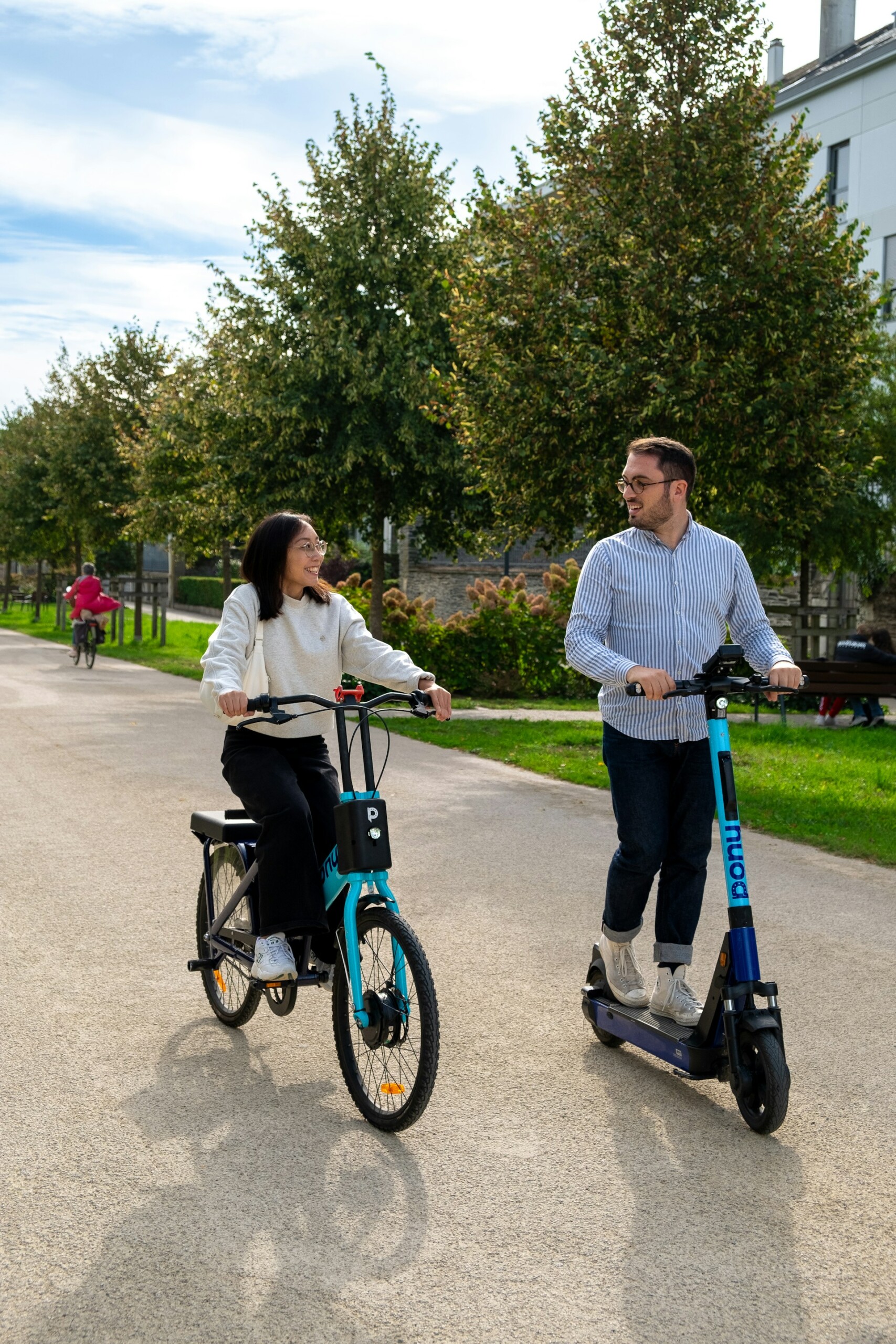
Electric scooters have rapidly become one of the most recognizable and widely adopted types of Portable Electric Vehicles, especially in dense urban environments. Their simple design, combined with lightweight construction and foldability, makes them an attractive option for modern city living.
Unlike e-bikes, which focus on comfort and range, e-scooters prioritize portability and convenience. Many models can be folded in seconds and carried onto public transportation, making them a perfect fit for multi-modal commuting. This flexibility is one of the main reasons why Portable Electric Vehicles like e-scooters are gaining global popularity.
E-scooters also require minimal learning time, which makes them highly accessible to beginners. With intuitive throttle controls and straightforward braking systems, riders can quickly feel confident using them in everyday situations. For short trips, errands, or last-mile commuting, they are often the most efficient option among Portable Electric Vehicles.
Advantages
- Lightweight and foldable, making them easy to carry and store
- Quick and simple to learn, even for first-time riders
- Excellent balance between speed, portability, and affordability
- Ideal for short urban commutes and last-mile transportation
- One of the most accessible forms of Portable Electric Vehicles
Disadvantages
- Limited range compared to e-bikes and larger Portable Electric Vehicles
- Smaller wheels make them less stable on uneven or rough terrain
- Standing position can become uncomfortable during longer rides
- Lower carrying capacity (not suitable for cargo or passengers)
In summary, electric scooters represent the perfect entry point into the world of Portable Electric Vehicles. They are simple, efficient, and highly practical for urban mobility, especially for riders who value portability and ease of use over long-distance performance.
3. Electric Skateboards (E-Skates)
Electric skateboards, often referred to as e-skates, are one of the most exciting and fast-evolving categories within the world of Portable Electric Vehicles. At their core, they are traditional skateboards enhanced with electric motors, rechargeable batteries, and wireless remote controls that allow riders to accelerate, brake, and adjust speed with precision.
Among all Portable Electric Vehicles, e-skates stand out for their unique combination of performance, portability, and pure riding enjoyment. Unlike scooters or bikes, which are primarily designed for practicality, electric skateboards offer a more dynamic and engaging experience that feels closer to a sport than a simple mode of transportation.
Modern electric skateboards come in a variety of designs, including shortboards for maximum portability and longboards for improved stability and smoother rides. Many high-end models within the Portable Electric Vehicles space feature powerful dual motors, regenerative braking systems, flexible decks for shock absorption, and advanced battery management systems for extended range.
One of the biggest appeals of electric skateboards is their compact size. Compared to most Portable Electric Vehicles, they are incredibly easy to carry, store, and integrate into daily life. Riders can simply pick up their board and take it into offices, public transport, or cafes without the hassle of folding mechanisms or heavy lifting.
However, this performance and portability come with a trade-off. Electric skateboards require a higher level of skill and balance than many other Portable Electric Vehicles. They are less forgiving on uneven terrain and demand more attention from the rider, especially at higher speeds.
Advantages
- Highly portable and compact compared to most Portable Electric Vehicles
- Fun, dynamic, and engaging riding experience
- Faster acceleration than many scooters due to direct motor control
- Easy to carry into buildings, public transport, and tight spaces
- Minimal storage requirements, ideal for urban lifestyles
Disadvantages
- Requires balance and prior riding experience
- Not suitable for rough roads or uneven surfaces
- Less stable at high speeds compared to other Portable Electric Vehicles
- Limited braking distance on steep descents if not experienced
- Smaller wheels reduce comfort on longer rides
In summary, electric skateboards are best suited for riders who want more than just transportation. Within the broader category of Portable Electric Vehicles, they offer a unique blend of mobility and adrenaline, making them ideal for those who enjoy a sport-like riding experience while still benefiting from electric convenience.
4. Hoverboards (Self-Balancing Boards)
Hoverboards, also known as self-balancing boards, are one of the most recognizable and beginner-friendly types of Portable Electric Vehicles. These compact devices feature two motorized wheels connected by a platform, allowing riders to control movement simply by shifting their body weight forward, backward, or side to side.
Within the broader ecosystem of Portable Electric Vehicles, hoverboards stand out for their simplicity and accessibility. Unlike electric skateboards or unicycles, which often require practice and balance skills, hoverboards are designed to be intuitive. Most riders can learn the basics within minutes, making them especially popular among younger users and beginners.
Technologically, hoverboards rely on gyroscopic sensors and smart balance systems to maintain stability. This innovation played a significant role in the early growth of Portable Electric Vehicles, introducing many people to the concept of self-balancing electric transport. Today, modern hoverboards often include features such as LED lights, Bluetooth speakers, and mobile app connectivity, enhancing both safety and entertainment.
However, despite their appeal, hoverboards are generally considered more of a recreational option rather than a primary commuting tool. Compared to other Portable Electric Vehicles, they offer limited speed, shorter battery range, and reduced stability on uneven terrain. This makes them less practical for daily transportation, especially in busy urban environments.
Advantages
- Very easy to learn, even for beginners with no prior experience
- Compact and lightweight compared to many Portable Electric Vehicles
- Fun and engaging for short rides and casual use
- Minimal controls required, making operation intuitive
- Often more affordable than other Portable Electric Vehicles
Disadvantages
- Limited speed and battery range compared to other Portable Electric Vehicles
- Not ideal for commuting or longer distances
- Less stable on uneven surfaces such as gravel or cracked pavement
- Requires smooth terrain for optimal performance
- Lower overall practicality for daily transportation
In summary, hoverboards play an important role in the evolution of Portable Electric Vehicles, especially as an entry-level and recreational option. While they may not replace more practical mobility solutions like e-bikes or scooters, they remain a fun, accessible, and engaging way to experience electric-powered movement.
Suggested topics:
10 Mistakes to Avoid When Buying electric
bikes
Complete U.S. E-Bike Laws Guide
E-Bikes and Batteries Recycling
AI and Smart Sensors
Maintain Your E-Scooter
5. Electric Unicycles (EUCs)
🎥 Watch: An overview of Portable Electric Vehicles and modern micromobility — including e-bikes, scooters, electric skateboards, EUCs, and compact urban electric transport systems shaping the future of cities.
Electric unicycles (EUCs) represent one of the most advanced and performance-driven segments within the world of Portable Electric Vehicles. Unlike traditional mobility devices, EUCs operate on a single wheel and rely on sophisticated gyroscopic stabilization systems to keep the rider balanced at all times. Movement is controlled entirely by body positioning—lean forward to accelerate, lean back to brake, and shift weight to steer.
Among all Portable Electric Vehicles, EUCs stand out for their unique combination of power, efficiency, and compact design. What they lack in simplicity, they make up for in capability. Many modern EUCs are equipped with high-capacity batteries, powerful motors, and advanced suspension systems, allowing them to reach impressive speeds and cover long distances on a single charge.
One of the defining characteristics of electric unicycles is their portability relative to performance. While they may look minimalistic, EUCs can outperform many other Portable Electric Vehicles in terms of speed and range. At the same time, they remain compact enough to be carried by hand or rolled like luggage, making them a favorite among experienced urban commuters.
Another major advantage is the hands-free riding experience. Unlike scooters or skateboards, riders are not required to hold a handlebar or remote control. This creates a more fluid and immersive ride, often described as intuitive once mastered. However, this same feature contributes to one of the biggest challenges of EUCs—the learning curve.
Compared to other Portable Electric Vehicles, electric unicycles require significantly more practice to master. Beginners must develop balance, coordination, and confidence before riding comfortably, which can take several days or even weeks. For this reason, EUCs are typically recommended for more dedicated riders rather than casual users.
Advantages
- Extremely compact and portable compared to high-performance Portable Electric Vehicles
- High speed and long range, especially in advanced models
- Hands-free riding experience for greater freedom of movement
- Efficient energy usage due to single-wheel design
- Capable of handling various terrains with proper skill
Disadvantages
- Steep learning curve compared to most Portable Electric Vehicles
- Requires strong balance and coordination
- Can feel intimidating or unsafe for beginners
- Higher risk of falls during the learning phase
- Premium models can be expensive
In summary, electric unicycles are best suited for riders who are willing to invest time in learning and want maximum performance in a minimal form factor. Within the broader landscape of Portable Electric Vehicles, EUCs are often seen as the ultimate blend of power, efficiency, and portability—making them a top choice for enthusiasts and advanced users.
6. Onewheel (Single-Wheel Boards)
The Onewheel is one of the most unique and innovative creations in the world of Portable Electric Vehicles. Designed as a hybrid between a skateboard and an electric unicycle, it features a single large central wheel with footpads on either side. Riders control the board by shifting their body weight, creating a fluid and intuitive riding experience that feels very different from traditional electric transport.
Among all Portable Electric Vehicles, the Onewheel stands out for its riding sensation. Many users compare it to snowboarding or surfing on land, thanks to its carving ability and smooth acceleration. This makes it especially appealing not just as a transportation tool, but as a lifestyle and recreational device.
Technologically, the Onewheel uses advanced sensors and gyroscopic stabilization to maintain balance and respond instantly to rider input. This allows for seamless control without the need for a remote or handlebars. Compared to other Portable Electric Vehicles, this creates a more immersive and natural connection between rider and machine.
Another key advantage of the Onewheel is its off-road capability. Thanks to its large, wide tire, it can handle surfaces that many other Portable Electric Vehicles struggle with, including dirt paths, grass, sand, and uneven urban terrain. This makes it one of the most versatile options for riders who want to go beyond smooth pavement.
However, this versatility and uniqueness come with trade-offs. Onewheels tend to be more expensive than many other Portable Electric Vehicles, and while they are easier to learn than EUCs, they still require balance and practice. Additionally, their speed is generally lower compared to high-performance electric unicycles, making them less suitable for riders focused purely on speed.
Advantages
- Unique riding experience, often compared to snowboarding or surfing
- Excellent off-road capability compared to many Portable Electric Vehicles
- Smooth, intuitive control with no remote required
- Strong traction and stability due to large central wheel
- Versatile for both urban and recreational use
Disadvantages
- Expensive compared to most Portable Electric Vehicles
- Moderate learning curve, especially for beginners
- Lower top speed compared to EUCs
- Heavier than it appears, which can affect portability
- Limited range compared to high-end electric mobility options
In summary, the Onewheel occupies a special place within the ecosystem of Portable Electric Vehicles. It is less about pure efficiency and more about the riding experience itself. For users seeking a fun, immersive, and almost surf-like way to move, it offers something that few other electric mobility devices can match.
7. Electric Kick Scooters (Seated Variants & 3-Wheelers)
Beyond standard scooters, the world of Portable Electric Vehicles also includes more comfort-oriented variations such as seated electric scooters and three-wheeled models. These designs take the simplicity of a traditional e-scooter and enhance it with additional stability, ergonomics, and accessibility features, making them suitable for a wider range of riders.
Within the broader category of Portable Electric Vehicles, these scooters are often seen as a bridge between lightweight urban mobility and more comfortable, car-like riding experiences. By adding a seat or extra wheel, manufacturers significantly improve ride comfort and reduce physical strain, especially during longer commutes or daily use.
Seated electric scooters are particularly popular among riders who prioritize comfort over compactness. Instead of standing, the rider can sit in a natural position, which reduces fatigue and makes longer rides far more enjoyable. Meanwhile, three-wheel electric scooters improve balance and stability, making them especially appealing for beginners, older adults, or anyone who feels less confident on two wheels.
Compared to more performance-focused Portable Electric Vehicles, such as electric skateboards or unicycles, these scooters emphasize safety, stability, and ease of use. They are not designed for extreme speed or sporty riding, but rather for predictable, smooth, and low-effort transportation in urban environments.
Another important factor is accessibility. Many riders who may struggle with balance or endurance find these models to be the most practical entry point into the world of Portable Electric Vehicles. This makes them an important segment in the evolution of inclusive urban mobility.
Advantages
- More comfortable riding experience thanks to seated design
- Increased stability, especially in three-wheel Portable Electric Vehicles models
- Accessible for older riders or those with balance limitations
- Reduced physical strain during longer rides
- Safer and more predictable handling in urban environments
Disadvantages
- Less portable compared to standard Portable Electric Vehicles like foldable scooters
- Heavier and bulkier, making storage more difficult
- Reduced agility and slower maneuverability in tight spaces
- Less suitable for mixed commuting (public transport integration)
- Lower performance focus compared to sport-oriented electric mobility devices
In summary, electric kick scooters with seating or three-wheel configurations play an important role in the Portable Electric Vehicles ecosystem. They prioritize comfort, safety, and accessibility over speed and portability, making them an excellent choice for riders who want a stable and relaxed commuting experience.
8. Cargo E-Bikes and Electric Trikes
Cargo e-bikes and electric trikes represent one of the most practical and utility-driven segments within the world of Portable Electric Vehicles. Unlike compact personal devices designed for individual mobility, these larger electric vehicles are built specifically for transporting goods, equipment, or even passengers in a stable and efficient way.
Within the broader ecosystem of Portable Electric Vehicles, cargo-focused designs play a crucial role in reshaping urban logistics. They offer a sustainable alternative to traditional delivery vans and scooters, especially in congested city environments where traffic, parking, and emissions are major challenges. By combining electric assistance with high load capacity, they create a new category of efficient micro-logistics transportation.
Cargo e-bikes typically feature reinforced frames, extended rear or front storage platforms, and powerful electric motors designed to handle heavier loads without sacrificing stability. Electric trikes go one step further by adding a third wheel, significantly improving balance and making them ideal for heavier cargo or less experienced riders. This stability advantage makes them one of the most reliable utility-focused Portable Electric Vehicles available today.
Another key strength of this category is versatility. Cargo e-bikes and trikes can be used for a wide range of applications—from grocery delivery and courier services to transporting children or equipment. This flexibility has made them increasingly popular not only among businesses but also among families seeking practical and eco-friendly transportation alternatives.
Compared to smaller Portable Electric Vehicles, such as scooters or skateboards, cargo models prioritize function over portability. They are not designed to be carried or folded easily, but instead to maximize carrying capacity, stability, and endurance over longer distances.
Advantages
- Very high load capacity compared to most Portable Electric Vehicles
- Eco-friendly alternative for urban delivery and logistics
- Stable riding experience, especially in electric trikes with three-wheel design
- Cost-efficient for commercial and daily transport use
- Reduces dependence on cars for short-distance hauling tasks
Disadvantages
- Bulky and heavy, making them impractical for personal portability
- Higher upfront cost compared to smaller Portable Electric Vehicles
- Requires more storage space and dedicated parking
- Less suitable for fast, agile urban movement
- Can be overkill for simple solo commuting needs
In summary, cargo e-bikes and electric trikes are essential tools in the evolving ecosystem of Portable Electric Vehicles. They bridge the gap between personal mobility and commercial transport, offering a sustainable and highly practical solution for urban logistics and family-oriented transportation needs.
9. Electric Mopeds and Mini Motorcycles
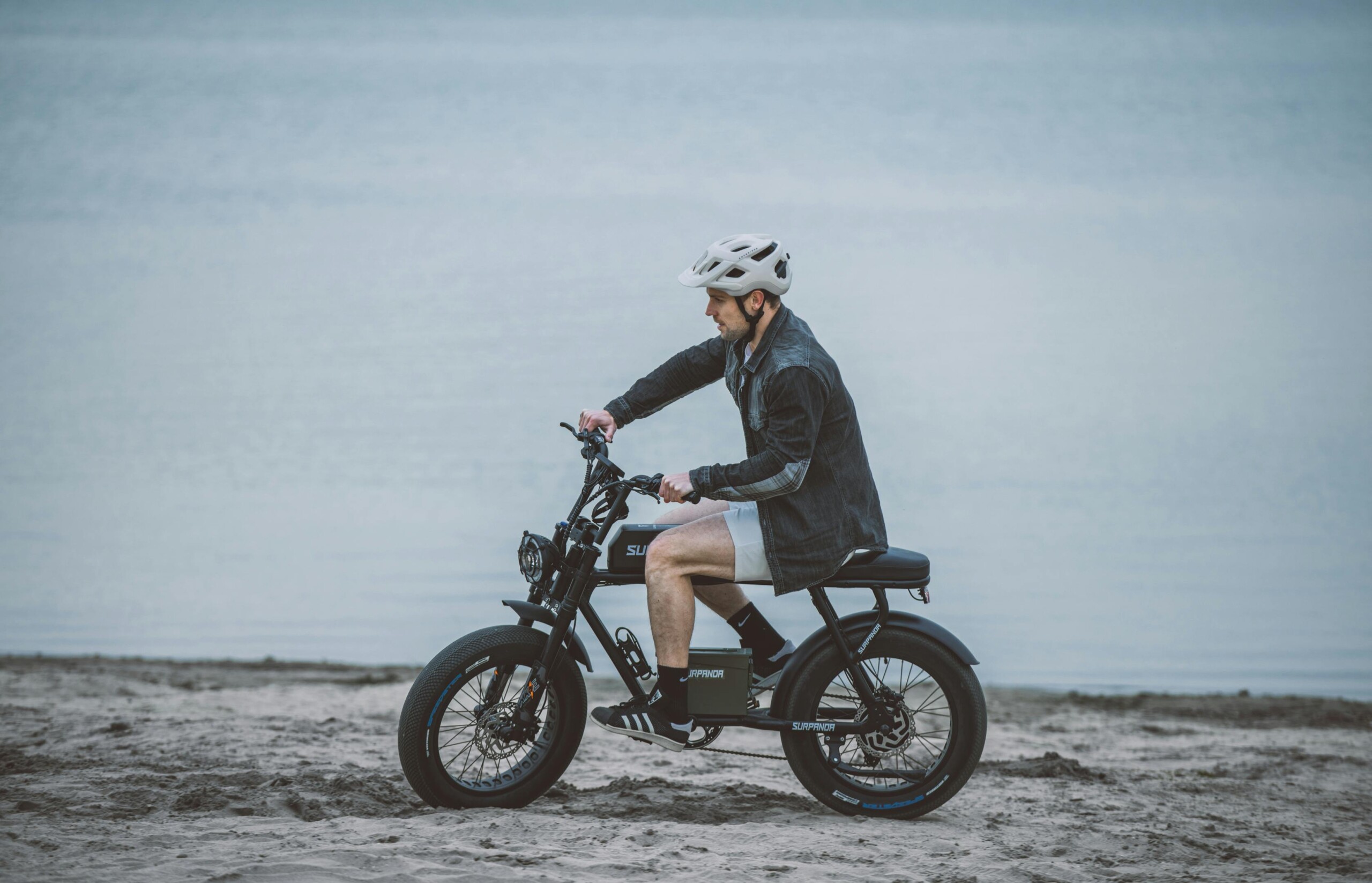
Electric mopeds and mini motorcycles represent a powerful and increasingly popular segment within the world of Portable Electric Vehicles. They sit at the intersection between lightweight urban mobility and full-sized motorized transportation, offering a compelling balance of performance, comfort, and practicality.
Within the broader ecosystem of Portable Electric Vehicles, these vehicles are designed for users who need more speed, range, and road presence than typical micromobility devices can offer. Unlike scooters or skateboards, electric mopeds provide a more structured riding experience, complete with full seating, stronger frames, and enhanced suspension systems designed for longer and more demanding journeys.
One of the key advantages of electric mopeds is their ability to handle longer distances with ease. Thanks to larger batteries and more powerful motors, they can maintain higher speeds over extended periods, making them suitable not only for urban commuting but also for suburban and intercity travel. This positions them as one of the most versatile categories within Portable Electric Vehicles for users who travel beyond short city routes.
Mini motorcycles take this concept even further by offering a sportier design and improved performance characteristics. While still smaller and more efficient than traditional motorcycles, they deliver a riding experience that feels closer to full-scale motorbikes, appealing to users who want excitement alongside practicality.
Comfort is another important factor. Unlike smaller Portable Electric Vehicles, mopeds and mini motorcycles are built with ergonomic seating positions, better suspension, and more stable handling at higher speeds. This makes them significantly more comfortable for longer rides and daily commuting over extended distances.
However, this increased capability comes with trade-offs. These vehicles are generally less portable, require more space for parking and storage, and in many regions may require licensing, registration, or insurance. Additionally, their higher performance and build quality often result in a higher purchase price compared to other Portable Electric Vehicles.
Advantages
- Higher speed and stronger performance compared to most Portable Electric Vehicles
- Suitable for longer-distance commuting and mixed urban-suburban travel
- Comfortable seating and ergonomic riding position
- Improved stability and road presence on busy streets
- More powerful motors and larger battery capacity for extended range
Disadvantages
- Less portable and requires dedicated parking space
- May require licensing, registration, or insurance depending on region
- Higher purchase and maintenance cost compared to smaller Portable Electric Vehicles
- Not suitable for indoor storage or compact urban living spaces
- Heavier and less convenient for short multi-modal trips
In summary, electric mopeds and mini motorcycles are ideal for riders who want to step beyond basic micromobility without committing to a full-sized motorcycle. Within the evolving landscape of Portable Electric Vehicles, they represent a powerful middle ground—offering speed, comfort, and range while still maintaining an efficient electric footprint.
10. Folding Electric Vehicles (Compact Designs)
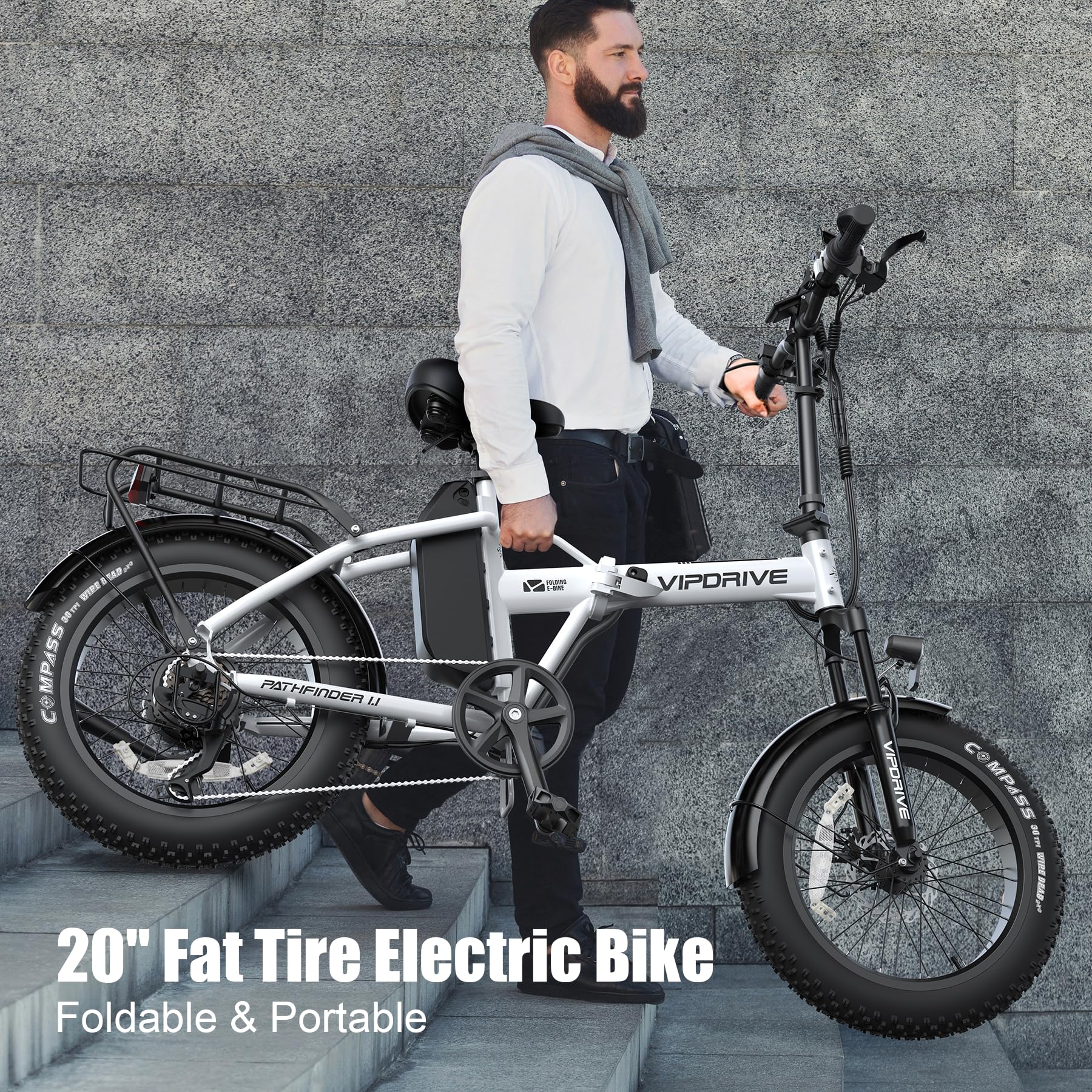
Folding electric vehicles represent one of the most practical innovations within the world of Portable Electric Vehicles. These systems are designed with a primary focus on portability, allowing riders to fold their vehicle into a compact form that can be easily carried, stored, or transported when not in use.
Within the broader ecosystem of Portable Electric Vehicles, folding designs solve one of the biggest urban mobility challenges: space. In dense cities where apartments are small, offices have limited storage, and public transport is frequently used, the ability to fold a vehicle into a compact shape becomes a major advantage.
These vehicles come in various forms, including folding electric scooters, compact folding e-bikes, and hybrid micro-mobility devices. Despite their differences, they all share the same core principle: maximizing portability without completely sacrificing electric mobility performance. This makes them especially attractive to city dwellers who rely on multi-modal transportation systems.
Another key strength of folding Portable Electric Vehicles is their ability to integrate seamlessly into daily routines. Riders can easily combine cycling or riding with buses, trains, or even car travel. For example, a commuter can ride to a train station, fold the vehicle, carry it onboard, and continue the journey without needing parking space at the destination.
However, the emphasis on compactness introduces certain trade-offs. Compared to non-folding Portable Electric Vehicles, these models often have smaller wheels, lighter frames, and less powerful motors. While this improves portability, it can reduce stability, comfort, and overall performance—especially on uneven roads or longer journeys.
Battery capacity is also typically more limited due to size constraints, meaning folding models may not offer the same range as larger electric bikes or scooters. This makes them best suited for short to medium-distance travel rather than long commutes.
Advantages
- Ultra-portable compared to most Portable Electric Vehicles
- Easy to store in small apartments, offices, or car trunks
- Perfect for mixed commuting (bus, train, and ride combinations)
- Lightweight design improves handling and transport convenience
- Highly practical for dense urban environments
Disadvantages
- Limited performance compared to larger Portable Electric Vehicles
- Smaller wheels reduce stability on rough or uneven terrain
- Shorter battery range due to compact design constraints
- Less comfortable for long-distance rides
- Lower load capacity compared to full-sized electric mobility devices
In summary, folding electric vehicles are designed for maximum convenience and adaptability. Within the broader category of Portable Electric Vehicles, they are the ideal solution for urban commuters who prioritize portability, storage efficiency, and flexible travel over raw performance or long-range capability.
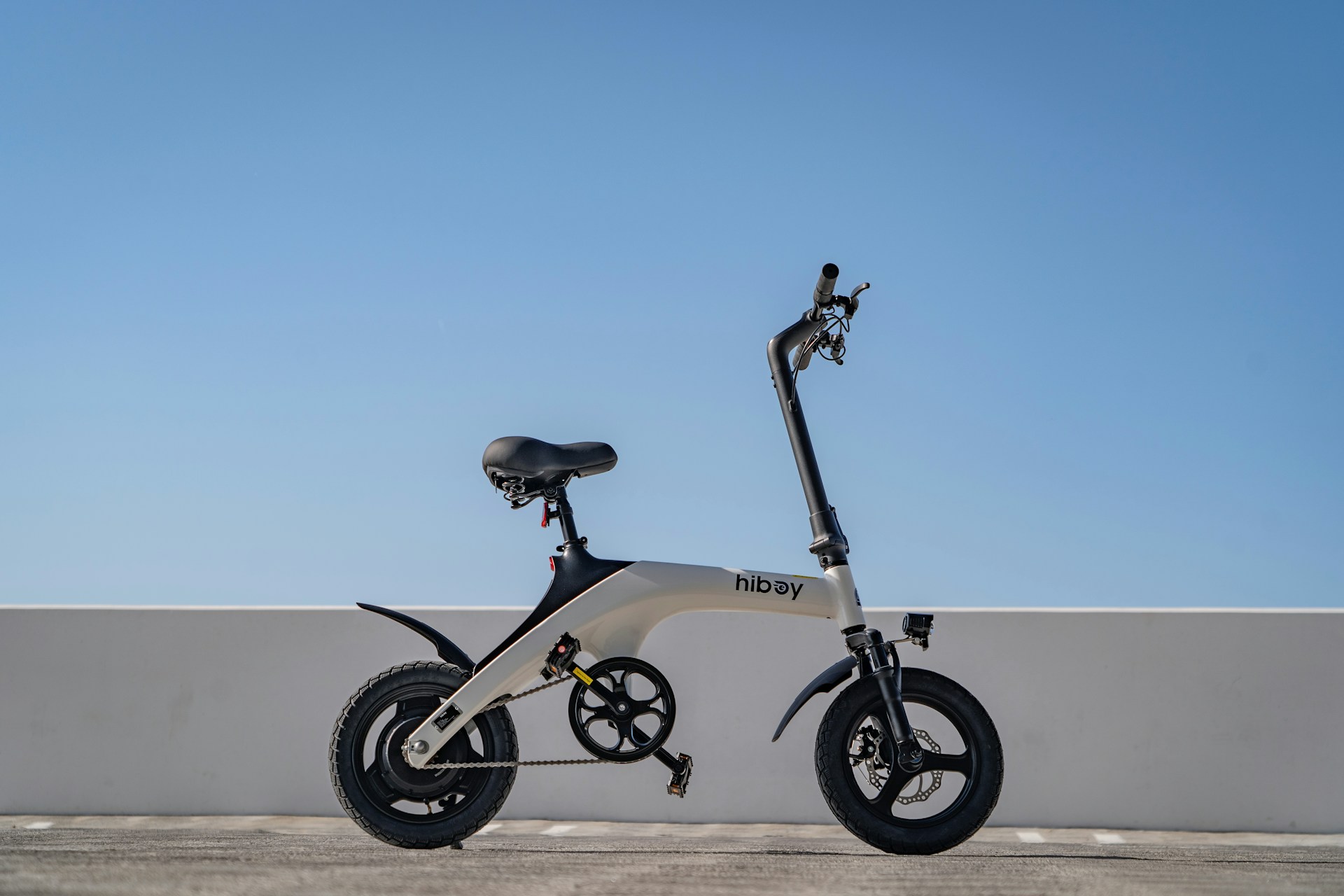
Photo by
Hiboy
on
Unsplash
11. Electric Mobility Scooters
Electric mobility scooters are an essential and highly important category within the world of Portable Electric Vehicles, designed primarily to support individuals who need stable, safe, and comfortable mobility assistance. Unlike performance-oriented electric vehicles, these scooters focus on accessibility, independence, and ease of use in everyday environments.
Within the broader ecosystem of Portable Electric Vehicles, mobility scooters serve a very different but equally important purpose. While most devices in this category are designed for speed, portability, or recreational use, mobility scooters prioritize stability and reliability above all else. They are commonly used by people with reduced mobility, older adults, or anyone who requires additional support when moving around outdoors or in large indoor spaces.
These vehicles are built with a strong emphasis on safety and comfort. Most models include a supportive seat, armrests, intuitive controls, and a stable four-wheel base that significantly reduces the risk of tipping. This makes them one of the most secure and dependable options among all Portable Electric Vehicles.
Another important aspect is ease of operation. Unlike other Portable Electric Vehicles that may require balance, coordination, or practice, mobility scooters are designed to be extremely user-friendly. Simple throttle controls, steering handles, and gradual acceleration systems make them accessible even for users with no prior experience.
Although they are not designed for speed or sport-like performance, mobility scooters excel in providing consistent, predictable transportation for daily activities such as shopping, appointments, or short community trips. Their electric motors are optimized for smooth acceleration rather than power, ensuring a controlled and comfortable ride.
However, this focus on stability and comfort also introduces limitations. Compared to other Portable Electric Vehicles, mobility scooters are significantly bulkier, less portable, and slower. They are not designed for carrying or folding, and their size can make storage and transportation more challenging in compact urban environments.
Advantages
- Very high stability compared to most Portable Electric Vehicles
- Comfortable seating with ergonomic support for longer use
- Extremely easy to operate, even for beginners
- Safe and predictable handling for daily mobility needs
- Ideal for users requiring accessibility support
Disadvantages
- Not designed for sporty or high-performance use
- Bulky and difficult to transport compared to other Portable Electric Vehicles
- Limited speed and range
- Requires more storage space
- Less suitable for fast-paced urban commuting
In summary, electric mobility scooters play a vital role in the ecosystem of Portable Electric Vehicles by providing safe, stable, and accessible transportation. While they may not offer the excitement or portability of other electric mobility solutions, they deliver something far more important for many users: independence and reliability in daily life.
12. Microcars and Light Electric Vehicles (LEVs)
Microcars and Light Electric Vehicles (LEVs) represent the most advanced and car-like segment within the broader ecosystem of Portable Electric Vehicles. Although they are larger and more enclosed than traditional micromobility devices, they are still considered part of the extended electric mobility landscape due to their efficiency, compact footprint, and urban-friendly design.
Within the world of Portable Electric Vehicles, microcars occupy a unique position. They bridge the gap between small electric scooters or bikes and full-sized electric cars, offering a protected, comfortable, and highly practical driving experience for urban and suburban environments. Unlike open vehicles, microcars provide full or partial cabin protection, making them suitable for all-weather use, including rain, wind, and colder climates.
One of the biggest advantages of microcars is their safety profile. Compared to smaller Portable Electric Vehicles, they offer a reinforced chassis, seatbelts, and often crumple-zone-inspired structures that significantly improve rider protection. This makes them a preferred choice for users who prioritize safety and comfort over extreme portability.
Another key benefit is usability. Microcars can typically accommodate one or two passengers and often include storage space, climate protection, and advanced infotainment features. This makes them feel much closer to traditional cars, while still maintaining the efficiency and energy savings associated with electric mobility.
However, despite their advantages, microcars also come with clear limitations when compared to other Portable Electric Vehicles. They are not designed to be lightweight or portable, and they require dedicated parking spaces, registration, and in many cases, licensing. Their larger size also reduces maneuverability in tight urban environments compared to smaller electric mobility devices.
Additionally, cost can be a significant factor. High-quality microcars often come with a price tag closer to entry-level electric vehicles rather than micromobility devices, making them a more substantial investment than most Portable Electric Vehicles.
Advantages
- Full weather protection compared to open Portable Electric Vehicles
- Higher safety level with enclosed cabin and structural protection
- Can carry one or more passengers comfortably
- Includes storage space and car-like features
- Efficient electric driving for short to medium urban trips
Disadvantages
- Expensive compared to most Portable Electric Vehicles
- Not portable or foldable
- Requires dedicated parking space
- May require licensing and registration
- Less maneuverable in tight city environments
In summary, microcars and LEVs represent the most “car-like” evolution within the Portable Electric Vehicles ecosystem. They are ideal for users who want maximum comfort, protection, and practicality while still benefiting from the efficiency and sustainability of electric transportation.
Key Comparison: Which One Is Right for You?
Choosing the right option within the world of Portable Electric Vehicles depends entirely on your personal priorities, lifestyle, and daily transportation needs. There is no single “best” choice—each category is designed to solve a different type of mobility challenge, from short urban commutes to performance-driven riding or maximum portability.
When evaluating different Portable Electric Vehicles, it is important to consider several key factors: distance, terrain, comfort, storage space, and how much time you are willing to invest in learning the device. Some riders prioritize efficiency and practicality, while others focus on fun, speed, or compactness.
The concept of modern micromobility is widely discussed in transportation research, including frameworks like
urban mobility systems, which analyze how small electric transport devices reshape cities and commuting patterns.
Below is a practical breakdown that helps match each type of vehicle to a specific use case, making it easier to identify which Portable Electric Vehicles best fit your needs.
- Best for commuting: E-bike or e-scooter — ideal for daily urban travel, combining efficiency and reliability in the world of Portable Electric Vehicles (see more about electric bicycles).
- Best portability: Electric skateboard or EUC — compact, lightweight, and easy to carry, making them top choices among ultra-portable Portable Electric Vehicles (learn more about electric unicycles).
- Best fun factor: Onewheel or e-skate — designed for a more recreational and immersive riding experience within the Portable Electric Vehicles ecosystem (see electric skateboards).
- Best stability: E-scooter or trike — excellent for beginners or riders who prioritize safety and balance over performance in Portable Electric Vehicles (overview of electric scooters).
- Best performance: Electric unicycle or e-moped — high-speed, long-range options for users who want advanced capabilities from their Portable Electric Vehicles.
Another important way to look at Portable Electric Vehicles is through the balance between four key dimensions: portability, speed, comfort, and learning curve. No single vehicle excels in all four areas at once—each type makes strategic trade-offs.
This is clearly visible in the broader category of
micromobility solutions, where different vehicle types are optimized for different real-world use cases.
Understanding these trade-offs is the key to choosing the right solution for your lifestyle. The growing diversity of Portable Electric Vehicles ensures that there is an option for almost every type of rider—from casual users to daily commuters and performance enthusiasts.
Final Thoughts
Portable Electric Vehicles are no longer a niche innovation or a futuristic concept—they have already become a fundamental part of modern urban life. What started as simple electric scooters and bikes has evolved into a diverse and rapidly expanding ecosystem of personal mobility solutions that are reshaping how people move through cities.
Today, Portable Electric Vehicles are influencing transportation on multiple levels: reducing traffic congestion, lowering transportation costs, and offering cleaner, more sustainable alternatives to traditional fuel-based vehicles. As cities become more crowded and environmental concerns grow, these electric solutions are becoming not just convenient, but necessary.
With continuous advancements in battery technology, motor efficiency, and smart connectivity, the next generation of Portable Electric Vehicles is expected to be even more powerful, safer, and intelligent. Features like regenerative braking, AI-assisted stability systems, GPS integration, and app-based diagnostics are already becoming standard in many models.
Another important trend is diversification. The world of Portable Electric Vehicles is no longer limited to just scooters and bikes. Today, it includes everything from electric skateboards and unicycles to microcars and cargo trikes—each designed to solve specific mobility challenges and user needs.
Research on electric vehicles shows how rapidly this sector is evolving, especially in urban environments where compact mobility is essential.
The real question is no longer whether people should adopt Portable Electric Vehicles, but rather which type best fits their lifestyle, habits, and daily environment.
From practical e-bikes built for daily commuting, to futuristic one-wheel devices that feel like riding a wave on asphalt, the world of Portable Electric Vehicles continues to expand at an incredible pace.
Ultimately, Portable Electric Vehicles represent more than just a transportation trend—they reflect a broader shift toward smarter, cleaner, and more flexible urban mobility.
Further Reading
❓ Frequently Asked Questions (FAQ) about Portable Electric Vehicles
What are Portable Electric Vehicles?
Which Portable Electric Vehicles are best for beginners?
What is the most portable type of Portable Electric Vehicles?
Are Portable Electric Vehicles safe to use in cities?
Which Portable Electric Vehicles have the longest range?
What is the fastest category of Portable Electric Vehicles?
Do Portable Electric Vehicles require a license?
Which Portable Electric Vehicles are best for commuting?
What is the most fun type of Portable Electric Vehicles?
Are Portable Electric Vehicles the future of transportation?