C-Rate Calculator

Understanding C-rate is essential when working with lithium-ion batteries, especially in applications such as electric bikes, scooters, drones, and energy storage systems. The C-rate defines how fast a battery is charged or discharged relative to its capacity, directly affecting performance, heat generation, and battery lifespan.
With this interactive C-rate calculator, you can easily determine how much current your battery is drawing compared to its total capacity. Simply enter the discharge current, cell capacity, and optional configuration parameters such as series and parallel cell count.
The tool instantly calculates your C-rate value, estimates battery stress levels, and provides a clear health indicator ranging from safe operation to high-load conditions. This helps prevent overheating, extends battery life, and ensures optimal system design.
Whether you're building a custom e-bike battery pack, testing lithium cells, or analyzing power consumption, this tool gives you fast, accurate, and practical insights for real-world applications.
How to Use
- Enter your main keyword in the Main Keyword field (optional but recommended).
- Add secondary keywords separated by commas in the Secondary Keywords field.
- Paste your text, article, or HTML content into the Content Area.
- Click Analyze Keywords to generate density results and SEO insights.
- Review highlighted keywords, density percentage, and optimization suggestions.
Tips / Guide
- Keep your main keyword focused and consistent across the page.
- Avoid keyword stuffing — natural usage performs better in SEO.
- Use secondary keywords to improve semantic relevance.
- Maintain balanced density (usually 1%–2% is safe for most content).
- Check highlighted terms to quickly identify repetition issues or gaps.
- Combine keyword optimization with strong headings and meta descriptions.
Why It Matters
Keyword density helps search engines understand the main topic of your content. When optimized correctly, it improves ranking potential, increases clarity, and ensures your content is not penalized for over-optimization. A balanced keyword strategy leads to better visibility, higher click-through rates, and stronger overall SEO performance.
Who Should Use This Tool
- SEO specialists optimizing website pages and blog posts.
- Content writers improving article structure and keyword balance.
- Digital marketers managing on-page SEO campaigns.
- E-commerce owners optimizing product descriptions.
- Bloggers who want higher Google visibility and better content structure.
Enter discharge current, cell capacity, and optional discharge time. Outputs include C-rate and estimated discharge time.
🧭 Load Status Guide
Calculation History
🔢 C-Rate Quick Reference Table
Use this table to understand how discharge speed affects runtime and battery stress.
| C-Rate | Discharge Time | Stress Level | Typical Use Case |
|---|---|---|---|
| 0.5C | ~2 Hours | 🟢 Very Low | Energy storage systems, low drain devices |
| 1C | ~1 Hour | 🟢 Normal | Standard rated discharge for most cells |
| 2C | ~30 Minutes | 🟡 Moderate | Power tools, e-bikes under load |
| 5C | ~12 Minutes | 🟠 High | High-drain applications |
| 10C+ | Under 6 Minutes | 🔴 Extreme | Specialized high-performance packs only |
💡 Lower C-rates improve battery lifespan and reduce heat buildup.
🧠 What Is a Safe C-Rate for 18650 Cells?
Most standard 18650 lithium-ion cells are rated for continuous discharge between 0.5C and 1C. High-drain models can safely handle 2C to 3C, while specialized performance cells may go higher.
🔋 Typical Safe Range
- 0.5C – 1C: Ideal for long lifespan and minimal heat.
- 1C – 2C: Safe for most real-world applications.
- 2C+: Only recommended if the cell manufacturer specifies it.
⚠️ Why High C-Rate Can Be Dangerous
- Excessive heat generation
- Voltage sag under load
- Accelerated cell degradation
- Risk of thermal runaway in extreme cases
Always check the manufacturer’s datasheet for your specific 18650 model. Running cells below their maximum rated C-rate significantly increases lifespan.
🔎 Pro Tip: If your pack runs hot at a calculated C-rate, consider adding parallel cells to lower the effective load per cell.
FAQs & Tips
-
Keyword density is the percentage of times a keyword appears in a text compared to the total word count. It helps search engines understand the main topic of your content and improves SEO relevance when used correctly.
-
The tool analyzes your content or HTML, calculates keyword frequency, shows density percentages, highlights focus keywords, and provides SEO optimization suggestions.
-
In most SEO cases, a natural range of 1%–2% is considered safe. However, modern SEO focuses more on readability and semantic relevance rather than strict density rules.
-
Yes, you can add a main keyword and multiple secondary keywords. The tool will analyze each one separately and show individual density results.
-
Keyword density alone is not a direct ranking factor, but it helps search engines understand context. Overuse (keyword stuffing) can harm SEO performance, so balance is important.
-
Yes, it works for blog articles, landing pages, product descriptions, and any SEO content where keyword optimization is needed.
Advanced FAQs & Pro Tips
-
BLDC motors use simple electronic commutation with 3 phase wires and optional Hall sensors. PMSM motors are more advanced and use sinusoidal control with higher precision and efficiency, often requiring more complex controllers.
-
Hall sensors are typically tested using a 5V power supply while monitoring signal output with a multimeter. Rotating the motor slowly should produce changing signal states without short circuits.
-
Yes, reversing any two phase wires will change the motor rotation direction without affecting performance or efficiency.
-
Most throttles use a 0–5V signal wire along with ground and power. The signal wire changes voltage based on throttle position and should always be verified before connecting to a controller.
-
A brake cutoff signal is a safety feature that immediately disables motor power when brakes are applied, preventing accidental acceleration during braking.
-
Extra wires may indicate temperature sensors, encoders, or communication lines. Always consult the manufacturer documentation before connecting unknown wires.
-
Yes, it helps visually map wire functions, making it easier to detect miswiring, disconnected phases, or incorrect sensor connections.
-
Incorrect wiring can cause motor failure, controller damage, or unsafe operation. Proper identification ensures reliability, efficiency, and safe system performance.
Similar Tools You May Like
📊 C-Rate Calculator
Calculate battery C-rate accurately and understand real discharge stress levels.

📉 Battery Efficiency Loss Calculator
Analyze energy loss and efficiency drop under different load conditions.

🔋 Battery Discharge Curve Simulator
Visualize how your battery voltage drops under different discharge rates.

⚡ Voltage Sag Simulator
Simulate voltage drop under high load and understand performance limits.
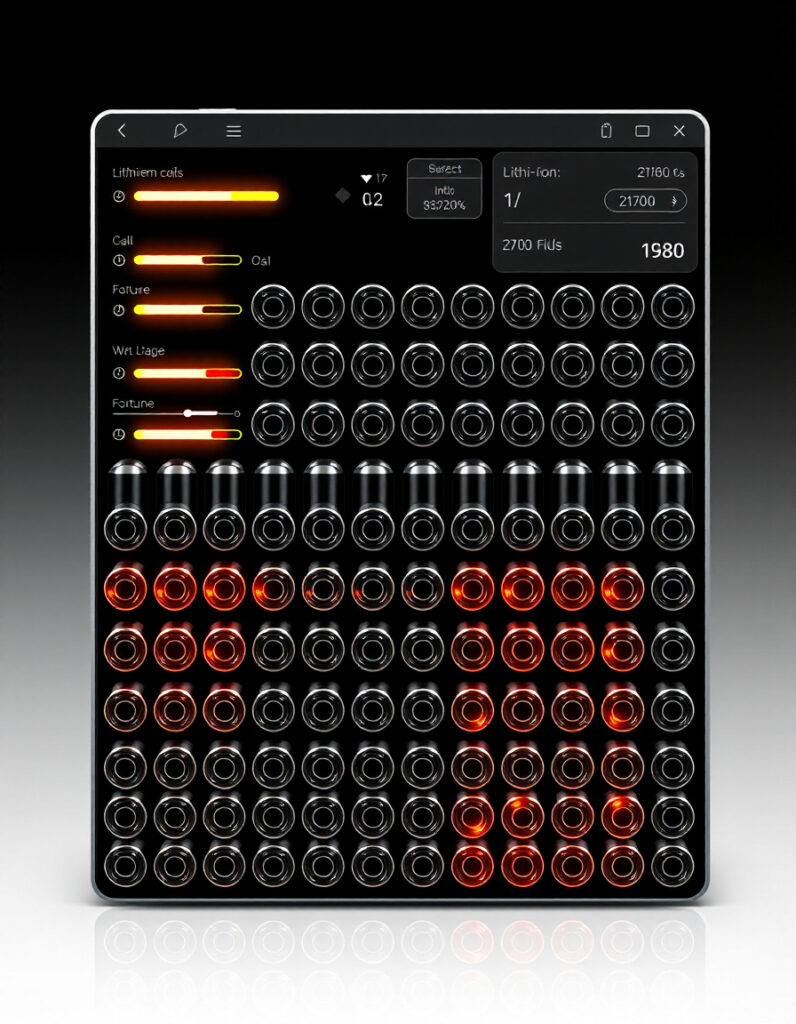
🧩 Battery Pack Builder
Design custom battery packs with correct voltage, capacity, and configuration.

🔬 Battery Internal Resistance Estimator
Estimate internal resistance and battery health under load conditions.

⚡ E-Bike Motor Power Estimator
Estimate motor power needs based on load, battery, and riding conditions.

🧰 Battery Wiring Gauge Selector (AWG)
Choose the correct wire thickness for safe and efficient power delivery.
🔧 Similar Tools
This tool is part of the educational resources published on RideWattly. Results should be used as a reference only and not as professional engineering advice.