E-Bike Spec & Comparison Tool
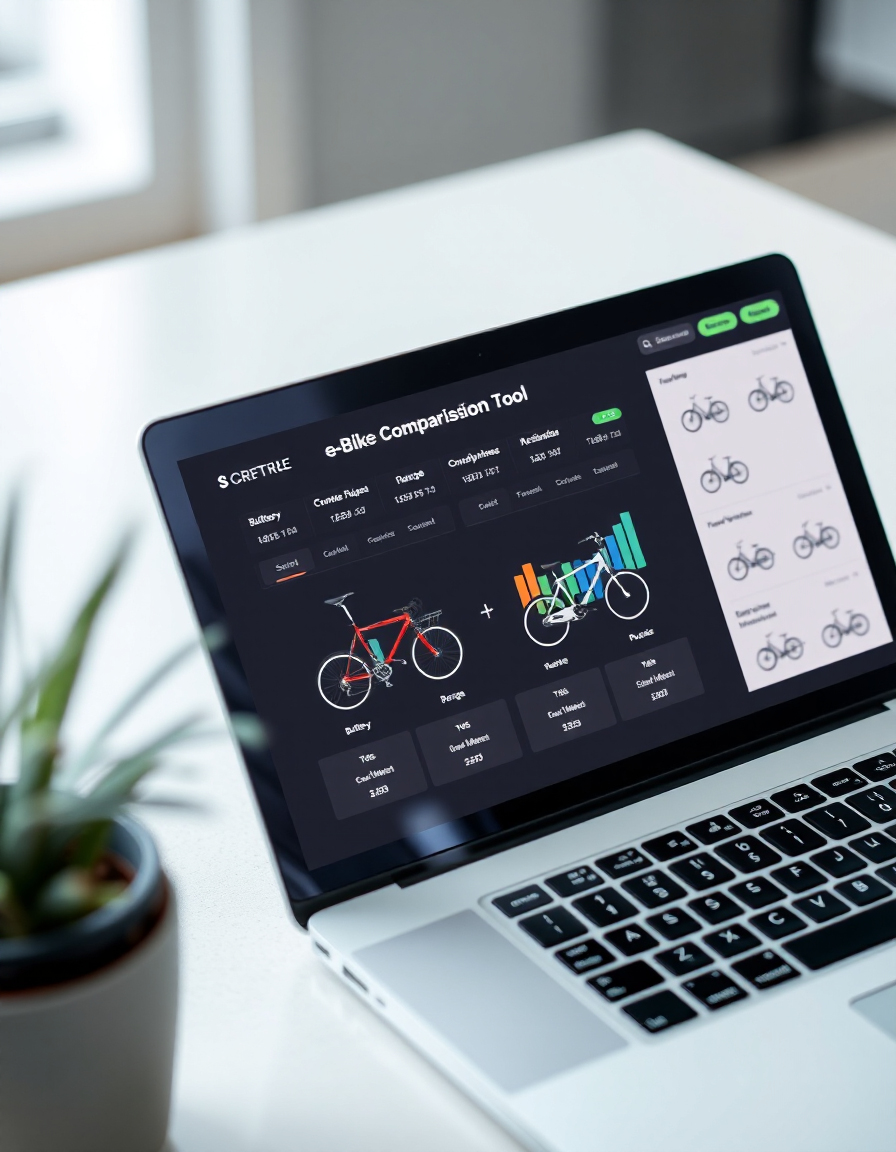
Understanding e-bike specifications is essential for riders, hobbyists, and buyers who want to make informed decisions. From motors and batteries to range, speed, and features, each detail affects performance, efficiency, and ride experience.
RideWattly’s E-Bike Spec & Comparison Tool allows you to analyze and compare multiple e-bikes side by side. Easily select brands and models, view detailed specifications, and understand the differences that matter most for commuting, off-road adventures, or long-distance touring.
Whether you’re evaluating a 250W city e-bike, a 1000W off-road beast, or checking battery range under real conditions, this tool gives you instant insights to help choose, upgrade, or optimize your ride.
| Specification |
|---|
FAQs & Tips
-
It allows you to compare e-bike specifications side by side, including motors, batteries, range, speed, and features to make informed purchase or upgrade decisions.
-
The tool includes a wide range of popular e-bike brands and models, covering city, off-road, and high-performance e-bikes.
-
Yes, it provides detailed specs and side-by-side comparison, but always cross-check with manufacturer details or official datasheets before purchasing.
-
Absolutely — you can see battery capacity, voltage, motor power, max speed, range estimates, and other key performance metrics.
-
Yes, the tool provides options to copy a link or embed the comparison table directly into your website.
-
Yes, RideWattly offers this tool freely for e-bike enthusiasts, buyers, and hobbyists.
Advanced FAQs & Pro Tips
-
Look at motor power (W), nominal voltage, and estimated range. Higher efficiency motors provide more distance per battery charge at similar loads.💡 Quick Tip: Divide battery Wh by average motor W to get a rough real-world range estimate.
-
Use the battery capacity (Wh) divided by motor consumption (W) under expected riding conditions. Consider rider weight, terrain, and assist level.💡 Pro Note: Hilly terrain can reduce range by 20–40%, so factor in your typical ride profile.
-
Check motor torque specs and wheel size. Higher torque with smaller wheels generally gives faster acceleration, while larger wheels may favor top speed.💡 Quick Tip: For city rides, prioritize torque and low-end power for smooth starts and hill climbing.
-
Voltage indicates pack series cells (S). Higher voltage allows higher speed with the same current. Parallel cells (P) increase capacity and range.💡 Pro Note: A 36V 10Ah pack is equivalent in energy to 36V 10Ah, but parallel vs series affects max current and discharge.
-
Yes, note display types, PAS levels, throttle type, and connectivity options to assess usability and compatibility with your riding style.💡 Quick Tip: Color displays with multiple assist levels give more control and better battery management.
-
Peak power is short-term maximum output; nominal is continuous rating. Consider both for expected terrain and load, especially in hills or off-road.💡 Pro Note: Never rely solely on peak power; continuous (nominal) rating determines sustainable performance.
-
Look for Li-ion type, cell quality, max discharge rate, and protection circuits to ensure performance, longevity, and safety.💡 Quick Tip: High-quality 18650 or 21700 cells often last longer and handle higher loads than generic cells.
-
Yes, compare higher-capacity batteries, stronger motors, or better controllers to see potential improvements and their impact on speed, range, and efficiency.💡 Pro Note: Upgrading motor or battery may require adjusting controller settings; always check compatibility.
-
Compare motor power, battery voltage/capacity, weight, and assist modes. Ensure both can handle your typical terrain and commute distance.💡 Quick Tip: For commuting, consider battery range and assist modes over peak power for consistent performance.
-
Always verify specs with manufacturer data, consider rider weight and terrain, and never exceed recommended battery or motor limits during testing.💡 Pro Note: Keep a multimeter handy when testing e-bikes to avoid overloading motors or batteries.
Related Tools & Resources

📏 E-Bike Range Calculator
Estimate your e-bike’s real-world range based on battery, terrain, and riding style.

⚡ E-Bike Motor Power Estimator
Compare motor output and match it to your battery and rider weight for optimal performance.

🗺️ Smart Route Planner
Plan efficient e-bike and scooter routes using real-time data and terrain insights.
🛞 Tire Pressure Advisor
Check and optimize your e-bike or e-scooter tire pressure for better ride performance.
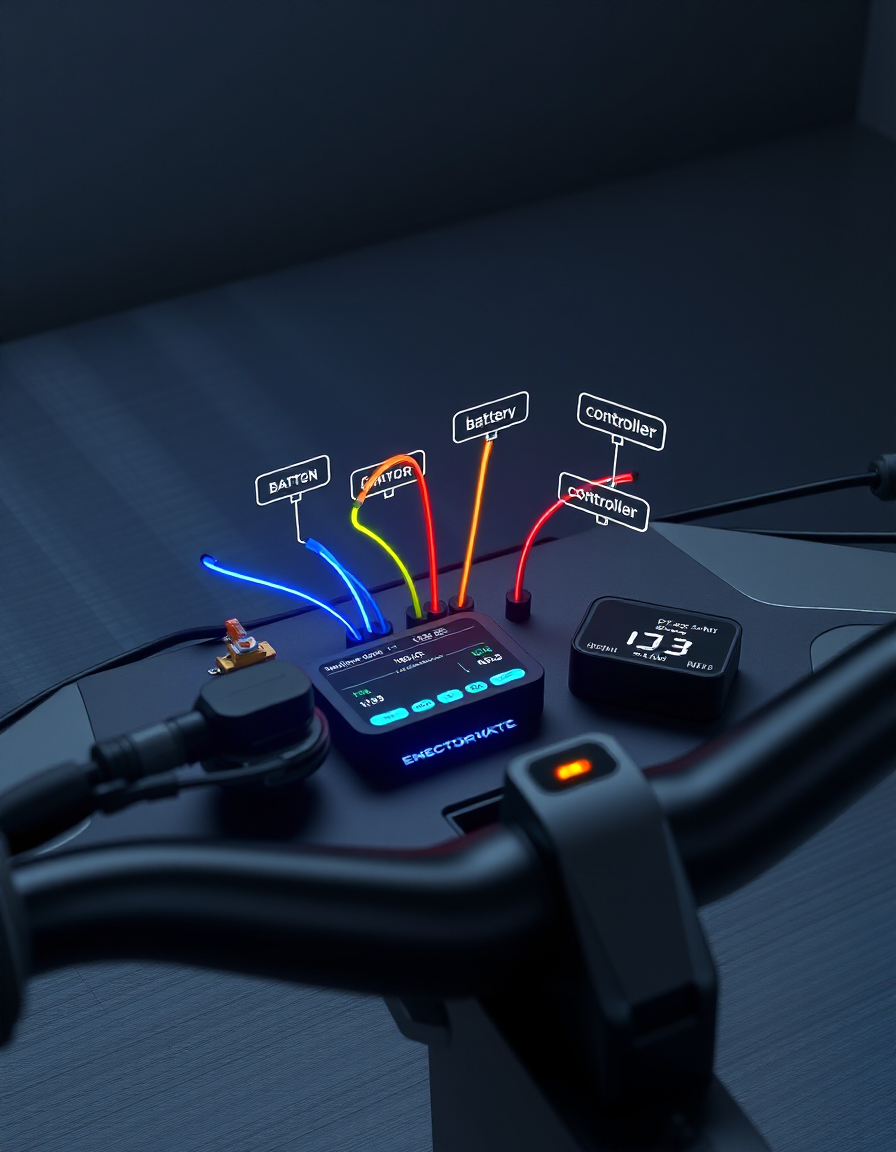
🎨 E-Bike Wiring Diagram Helper
Visual guide for motor, controller, PAS, and throttle wiring to simplify installation and troubleshooting.
🛴 Electric Scooter Comparison Tool
Compare e-scooter specs, battery range, motor power, and top speed side by side.
🔧 Similar Tools
This tool is part of the educational resources published on RideWattly. Results should be used as a reference only and not as professional engineering advice.