Urban Electric Mobility Impact — The Positive Environmental & Social Benefits Redefining City Living (2025 Deep Guide)
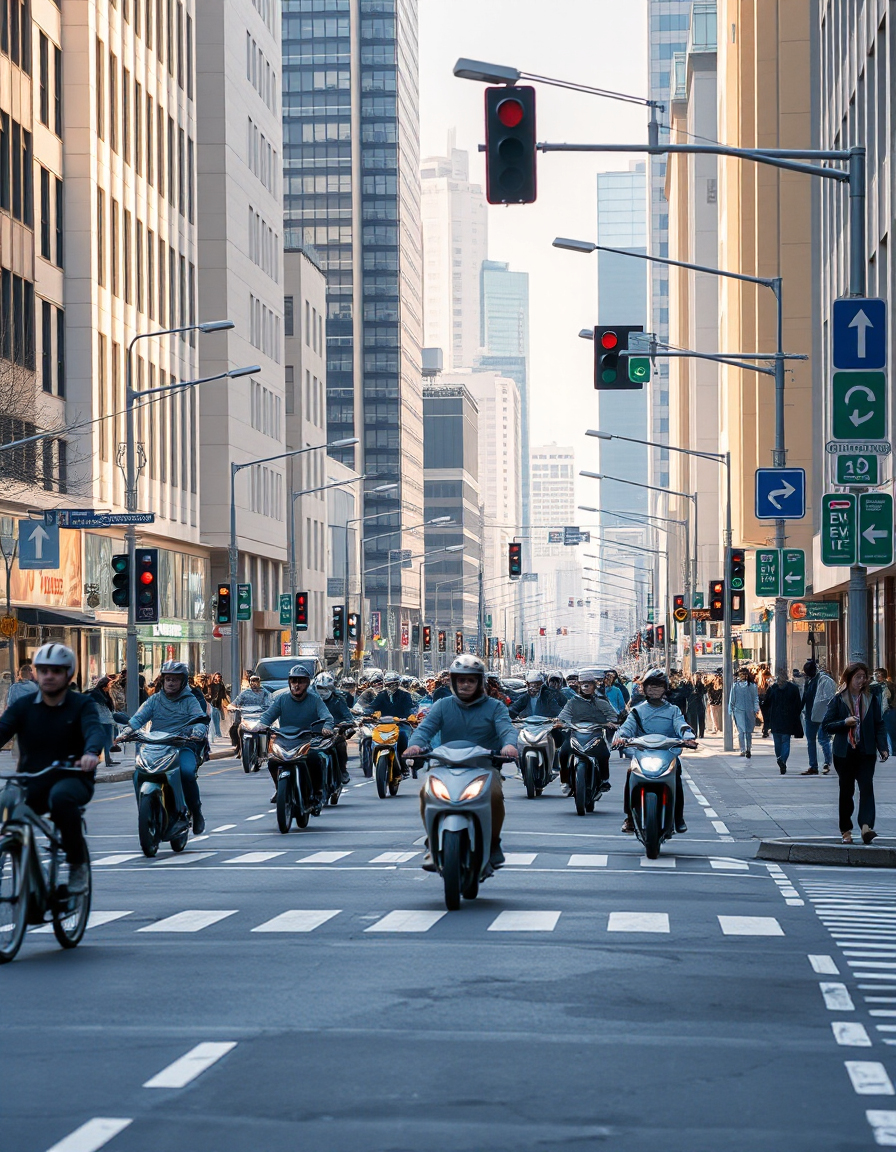
1. The New Urban Electric Mobility Impact: Why Electric Mobility Matters More Than Ever
Major cities across the globe are approaching a pivotal turning point. Congestion is intensifying, air pollution is worsening, and traditional transportation systems are struggling to adapt to growing populations. Within this rapidly changing landscape, the Urban Electric Mobility Impact emerges as a defining force — not a trend, but a long-term structural transformation in how cities move, breathe, and evolve.
This transformation is fueled by lightweight electric vehicles such as e-bikes, e-scooters, electric cargo bikes, and compact EVs. Together, they disrupt the conventional transportation model by offering low-emission, low-noise, and energy-efficient alternatives to short-distance travel. As adoption accelerates, the Urban Electric Mobility Impact becomes increasingly visible in reduced traffic pressure, faster commutes, and cleaner air.
City planners worldwide now integrate micro-mobility infrastructure into core development strategies. Smart charging hubs, micro-mobility lanes, solar-powered stations, and AI-driven traffic management systems are transforming how streets are designed. These innovations not only support safe and efficient electric mobility but also reshape how residents interact with urban environments.
What once seemed experimental is now essential. The Urban Electric Mobility Impact is redefining expectations for public transportation, influencing zoning and budget decisions, and setting new standards for sustainable, people-centered city planning. As urban density continues to rise, this shift becomes critical for building resilient, inclusive, and environmentally responsible cities.
Read More!
2. Environmental Advantages: A Cleaner, Quieter City
2.1 Carbon Emission Reduction
Traditional transportation accounts for nearly a quarter of global CO₂ emissions, making it one of the most critical challenges in modern urban planning. The Urban Electric Mobility Impact is especially evident when comparing lightweight electric mobility with conventional cars. Unlike vehicles that burn fossil fuels and consume high energy per kilometer, electric micro-vehicles operate at a fraction of the carbon cost and dramatically shift the emissions equation in cities worldwide.
- A typical e-bike produces 92% fewer emissions per km compared to a gasoline car (source: European Cyclists’ Federation).
- When powered by renewable grids, electric micro-mobility becomes nearly carbon-neutral, magnifying its Urban Electric Mobility Impact on emissions reduction.
As adoption grows, this transition represents one of the fastest and most attainable pathways to reducing urban carbon footprints without compromising mobility freedom.
2.2 Reduction of Urban Air Pollution
Air pollution kills millions globally each year, with urban transportation being a primary contributor. The Urban Electric Mobility Impact becomes even clearer when looking at short urban trips — the most common cause of particulate matter emissions (PM2.5) and nitrogen oxides (NOx). E-bikes and e-scooters directly replace these short, pollution-heavy trips.
Switching just 20% of short car journeys to electric micro-mobility can significantly reduce toxic pollutants in dense metropolitan areas. This shift supports cleaner breathing air, improved public health, and long-term urban resilience.
Relevant source:
World Health Organization – Air Pollution & Health
2.3 Noise Pollution Drops Dramatically
Noise pollution is an often overlooked environmental threat, but its effects are profound — from elevated stress levels to disrupted sleep cycles. Here again, the Urban Electric Mobility Impact is transformative. Electric micro-vehicles typically operate below 55dB, removing much of the mechanical hum associated with traditional traffic.
This reduction in noise reshapes the urban soundscape and improves:
- Stress levels among residents
- Safety, due to clearer auditory awareness on roads
- Night-time livability in dense neighborhoods
Quieter electric mobility creates cities that feel calmer, safer, and more human-centered — a key part of sustainable urban development.
3. Solving Urban Transportation Challenges Through Electrification
3.1 The “Last Mile” Revolution
One of the biggest logistical challenges in dense metropolitan areas is the last mile — the crucial final segment of travel between public transit hubs and a rider’s destination. The Urban Electric Mobility Impact is especially powerful here: electric micro-mobility closes this gap with unmatched efficiency and flexibility.
- Fast enough for 2–5 km urban trips
- Compact enough for narrow, high-density streets
- Affordable and accessible for daily commuting
Cities like Paris, Tel Aviv, Barcelona, and San Francisco already integrate shared e-scooters and e-bikes into their transit ecosystems, demonstrating how the Urban Electric Mobility Impact reshapes connectivity, reduces reliance on cars, and improves overall accessibility.
3.2 Fewer Traffic Jams, More Fluid Movement
Research shows that up to 70% of car rides in major cities are under 8 km — a distance that can be replaced almost entirely by e-bikes and e-scooters. This shift has a significant Urban Electric Mobility Impact, reducing traffic density and unlocking smoother flow for all road users, including buses, emergency vehicles, and delivery fleets.
By removing thousands of short, congestion-producing car trips each day, cities achieve faster transit times, lower fuel consumption, and more predictable commuting patterns.
Source:
OECD Urban Mobility Trends
3.3 Parking Simplified
Parking scarcity is one of the greatest pain points in modern cities. Here too, the Urban Electric Mobility Impact is transformative. Electric micro-vehicles require:
- less than 5% of a traditional car parking space
- no underground parking lots or heavy construction
- no costly or invasive infrastructure
Compact parking modules, micro-docks, and foldable e-bike designs reduce sidewalk clutter and minimize illegal parking. This smarter use of space lowers municipal land costs and gives riders faster, simpler parking options — a win for both city planners and everyday commuters.
4. Social Benefits: Mobility as a Public Equalizer
4.1 Accessibility for All Socioeconomic Groups
One of the most profound aspects of the Urban Electric Mobility Impact is its ability to make transportation truly inclusive. Electric mobility offers an affordable, accessible, and flexible alternative for individuals who do not own a car, lack a driving license, or face financial limitations. Shared micro-mobility systems democratize movement by lowering economic barriers, while subscription-based access models often cost less than monthly public transit passes in several major cities.
This shift allows millions to participate more fully in urban life — accessing jobs, education, healthcare, and social opportunities previously difficult to reach.
4.2 Health Benefits Without Physical Strain
The Urban Electric Mobility Impact also extends into public health. E-bikes promote light to moderate physical activity, improving cardiovascular function, circulation, and overall wellness. Unlike traditional cycling, electric assistance reduces physical strain, making the experience accessible to older adults, people recovering from injuries, or residents in hilly cities where conventional cycling can be discouraging.
This blend of movement and accessibility creates a healthier population while still maintaining the practicality of motorized transportation.
4.3 Supporting Local Businesses
Local economies feel the Urban Electric Mobility Impact as well. Electric delivery bikes empower a new generation of hyper-local commerce. Restaurants, grocery stores, pharmacies, and small retailers benefit from faster, cleaner, and more cost-effective deliveries compared to traditional vans or gas-powered motorcycles.
This shift reduces delivery times, cuts operational costs, and minimizes traffic congestion — enabling local businesses to thrive while contributing to a more sustainable urban ecosystem.
5. Urban Planning Reimagined
The Urban Electric Mobility Impact is reshaping the way cities are designed and operated. Municipalities that embrace electric micro-mobility are no longer simply adding a “nice-to-have” feature — they are rethinking entire urban infrastructures to support cleaner, smarter, and more efficient transportation ecosystems.
- Dedicated micro-mobility lanes that separate e-bikes and e-scooters from congested car traffic
- Smart parking zones optimized for compact electric vehicles, reducing sidewalk clutter and illegal parking
- Charging stations integrated seamlessly into street lighting and public furniture, enabling convenient on-the-go recharging
- AI-based traffic flow optimization that prioritizes micro-mobility routes, balancing efficiency and safety for all commuters
By integrating these innovations, urban planners leverage the Urban Electric Mobility Impact to promote sustainability, reduce congestion, and enhance quality of life. Cities now see micro-mobility as a central pillar of their transportation strategy, rather than a peripheral option.
Insightful external resource:
Urban Mobility Observatory
6. Challenges to Overcome
While the Urban Electric Mobility Impact offers transformative benefits for cities, its full potential can only be realized by addressing key challenges that accompany rapid adoption. Urban authorities and stakeholders must carefully plan to maintain safety, accessibility, and sustainability.
- Road safety regulations: Establishing clear rules for e-bike and e-scooter use, including helmet requirements, speed limits, and designated lanes, is essential to prevent accidents.
- Sidewalk clutter from shared fleets: Ensuring organized parking and docked systems prevents congestion and improves pedestrian safety.
- Battery recycling and lifecycle management: Sustainable disposal and reuse of lithium-ion batteries are critical to minimizing environmental impact and supporting the long-term Urban Electric Mobility Impact.
- Education and responsible riding habits: Promoting awareness campaigns, rider training, and adherence to local regulations ensures safer, more efficient urban mobility.
Innovative policies such as geo-fencing, low-speed zones, and AI-based fleet management have already shown promising results, illustrating how careful governance can amplify the positive Urban Electric Mobility Impact while mitigating potential downsides.
Suggested topics:
10 Mistakes to Avoid When Buying electric bikes
Complete U.S. E-Bike Laws Guide
E-Bikes and Batteries Recycling
AI and Smart Sensors
Smart Urban Riding Etiquette
🎥 Watch: How electric bikes and micromobility are reshaping urban transport — a deep dive into the Urban Electric Mobility Impact and how e‑bikes can transform city life.
7. Conclusion: Electric Mobility Is Transforming Urban Life
The rise of electric micro-mobility marks one of the most significant shifts in urban living, combining environmental responsibility with social inclusivity. As cities grapple with air pollution, traffic congestion, and outdated transportation systems, e-bikes and e-scooters offer clean, fast, flexible, and accessible alternatives that redefine urban mobility.
The Urban Electric Mobility Impact extends beyond mere transportation efficiency. It fosters healthier lifestyles, supports local economies, reduces noise and carbon emissions, and informs smarter urban planning. By embracing these solutions, cities can transform mobility into a more sustainable, human-centered, and resilient experience for all residents.
Looking ahead, the Urban Electric Mobility Impact will continue to shape the development of tomorrow’s cities — creating urban environments where mobility is not only a necessity but also an opportunity for cleaner, smarter, and more equitable living.