Urban Electric Mobility Infrastructure Integration: Challenges & Opportunities (2025 Deep Guide)
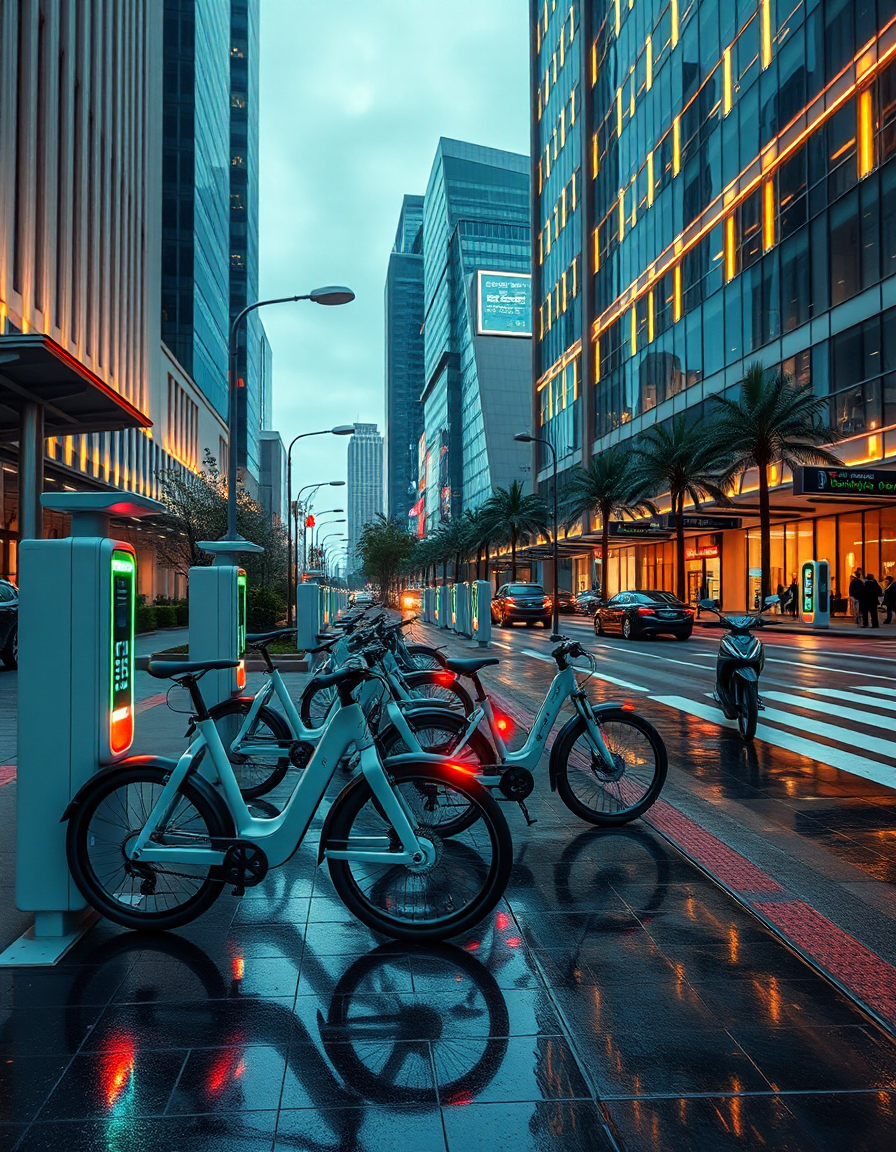
Urban Electric Mobility Infrastructure Integration: Challenges & Opportunities (2025 Deep Guide)
Electric mobility is rapidly transforming global cities—from Tel Aviv and Berlin to New York and Seoul. As e-bikes, e-scooters, and micro-mobility devices become mainstream, the next big challenge is integrating these tools into existing urban systems. The shift is no longer רק about riding electric; it’s about creating a unified ecosystem where roads, sidewalks, transit hubs, charging points, and digital platforms communicate seamlessly.
This comprehensive guide explores how Urban Electric Mobility Infrastructure is evolving in 2025, the challenges cities face, and the massive opportunities emerging for riders, municipalities, and businesses.
Read More!
1. The Rise of Urban Electric Mobility Infrastructure
The expansion of electric mobility is pushing cities to develop smarter and more adaptive infrastructure. Today’s urban planners understand that e-bikes and e-scooters are not “gadgets”—they are core elements of transport networks.
Key forces driving this shift:
- High congestion and pressure on public transit
- Environmental policies aiming to cut CO₂
- Growing popularity of shared micro-mobility
- Increased demand for last-mile and mid-mile transportation
- Technological improvements in battery efficiency and safety
As a result, Urban Electric Mobility Infrastructure is becoming a strategic priority for most modern cities.
2. Charging Infrastructure: Public, Private & Hybrid Models
Charging access is the backbone of micro-mobility adoption. Without reliable power availability, riders hesitate to rely on electric mobility for daily routines.
2.1 Public Charging Stations
Cities worldwide are investing in universal charging networks placed in:
- Bike lanes and cycling boulevards
- Transit hubs and bus terminals
- Shopping areas and major boulevards
- University campuses
Some cities integrate solar-powered micro-charging hubs, reducing the load on local grids and enabling off-grid functionality.
For reference: Cities like Amsterdam and Oslo offer public programs encouraging smart-grid connectivity.
Learn more: https://www.eafo.eu/ (European Alternative Fuels Observatory)
2.2 Private Charging Solutions
Home charging remains the most convenient option for daily electric riders:
- Wall-mounted chargers for indoor garages
- Smart chargers with app control
- Multi-port hubs for shared housing
- Fire-safe charging cabinets for apartment buildings
This category is expanding fast because many riders prefer owning and maintaining their personal battery ecosystem.
2.3 Docking & Smart-Charging Stations
Compared to classic “dump & go” shared scooters, docking-based systems are:
- Safer
- Easier to regulate
- Less prone to vandalism
- Optimized for power management
Companies like Tier, Lime, and Bird are adopting hybrid “dock + wireless charging” models to extend fleet life and reduce operational costs.
More info: https://www.itf-oecd.org/ (International Transport Forum)
These innovations make Urban Electric Mobility Infrastructure more stable and more predictable for both cities and riders.
3. Impact of Charging Evolution on Electric Mobility Adoption
Charging infrastructure directly shapes how fast electric mobility grows in cities.
3.1 Reduced Range Anxiety
A dense public and private charging grid eliminates the fear of running out of power—similar to how petrol stations accelerated vehicle adoption in the 20th century.
3.2 Increased Daily Reliability
Riders feel confident using e-mobility for:
- Commuting
- Errands
- Short urban trips
- Leisure
When riders know they can charge anywhere, e-mobility becomes a transport lifestyle, not a convenience.
3.3 Lower Cost of Ownership
Advanced charging reduces battery strain and extends lifespan, making long-term ownership cheaper. This encourages more citizens to buy e-bikes rather than rely solely on shared fleets.
3.4 Stronger Integration with Public Transportation
Cities with a solid Urban Electric Mobility Infrastructure experience a major boost in multimodal mobility, where riders:
- Take a scooter → arrive at station
- Ride the train
- Grab an e-bike to reach final destination
This plug-and-ride ecosystem is key to replacing private vehicles and reducing congestion.
4. Challenges in Infrastructure Integration
Despite progress, cities still struggle with several obstacles.
4.1 Electrical Grid Load
More charging points = more stress on the urban grid.
Cities need:
- Smart charging sessions
- Off-peak charging incentives
- Renewable-energy integration
4.2 Urban Planning Limitations
Most cities were not designed with micro-mobility in mind.
Problems include:
- Narrow sidewalks
- Lack of protected bike lanes
- Limited space for charging hubs
4.3 Safety & Standardization
Different manufacturers use different connectors, battery types, and power levels.
Without standardization:
- Fire risks increase
- Maintenance becomes expensive
- Citywide integration slows down
4.4 Regulation & Parking Chaos
Scooters left randomly across sidewalks harm public trust.
Docking systems and digital geofencing help—but require major investment.
5. Opportunities for 2025–2030
With the right strategy, Urban Electric Mobility Infrastructure can reshape cities into greener, safer, and more efficient spaces.
5.1 Smart Grids + IoT Integration
Charging stations will communicate with:
- Traffic systems
- Weather sensors
- Public transportation
- Rider apps
Cities like Singapore are already developing fully connected micro-mobility networks.
5.2 Expansion of Solar & Renewable Charging
Solar road tiles, kinetic chargers, and wind-assisted micro-turbines are emerging technologies enabling off-grid charging—perfect for parks, rural areas, and campuses.
5.3 Battery Swapping
🎥 Watch: How electric bikes are reshaping urban mobility — the video explores how e-bikes impact city transportation, reduce congestion and pollution, and what they mean for the future of urban infrastructure.
Fast battery-swapping pods (already in pilot programs in Asia) eliminate charging wait time entirely.
This model is ideal for delivery fleets and shared scooter providers.
5.4 Urban Mobility-as-a-Service (MaaS)
Soon, riders will subscribe to mobility the same way they subscribe to Netflix:
- Unlimited charging
- Unlimited rides
- Real-time navigation
- Multi-modal access
- Insurance + maintenance bundles
This creates a frictionless ecosystem centered around Urban Electric Mobility Infrastructure.
Suggested topics:
E-Bikes and Batteries Recycling
6. Conclusion: The Road to Smarter, Greener Cities
The future of urban transportation depends on how successfully cities develop, connect, and maintain Urban Electric Mobility Infrastructure.
The more seamless the charging experience becomes—public, private, docking, or smart-grid-based—the faster citizens will embrace electric mobility as their everyday transportation method.
For riders, businesses, and city planners, the opportunity is historic:
To build cities that move cleaner, safer, and faster—powered by intelligent electric mobility systems.
❓ Frequently Asked Questions (FAQ) about Urban Electric Mobility Infrastructure
What is Urban Electric Mobility Infrastructure?
How do public charging stations help electric mobility adoption?
Are private charging solutions still important in urban environments?
What are docking and smart-charging stations?
How does charging infrastructure influence commuter behavior?
What challenges do cities face when integrating charging infrastructure?
How can smart grids improve electric mobility?
Will renewable energy play a major role in future charging systems?
Is battery swapping a viable solution for urban commuters?
How will urban mobility evolve by 2030?







Thanks for sharing. I read many of your blog posts, cool, your blog is very good.
Thank you for your sharing. I am worried that I lack creative ideas. It is your article that makes me full of hope. Thank you. But, I have a question, can you help me?