7 Powerful Reasons Why Women Electric Scooter Adoption Is Booming Right Now

Women Electric Scooter Adoption: How Women Are Redefining Urban Micromobility
Female Electric Scooter Usage is no longer a marginal trend or a passing urban experiment. It represents a powerful shift in how women engage with modern transportation—reshaping daily commuting habits, influencing city planning, and redefining the future of micromobility. What began as a male-dominated, tech-driven movement has evolved into a more inclusive and balanced mobility ecosystem, where women are emerging as a driving force behind electric scooter usage worldwide.
The rapid growth of women electric scooter adoption reflects deeper changes in lifestyle priorities. Flexibility, personal safety, time efficiency, and environmental responsibility are now central factors in mobility decisions. Electric scooters align naturally with these values, offering women greater independence without the costs and constraints of car ownership or the unpredictability of public transportation. As a result, Women Embracing Electric Scooters is accelerating not because of trends—but because it solves real, everyday urban challenges.
This article explores women electric scooter adoption through multiple lenses, including safety perception, ergonomic design, psychological empowerment, urban freedom, and cultural evolution. Rather than focusing solely on performance metrics or technical specifications, we examine how Female Scooter Commuting Trends is influencing behavior, infrastructure, and the broader narrative of sustainable urban mobility—revealing why this shift is both meaningful and irreversible.
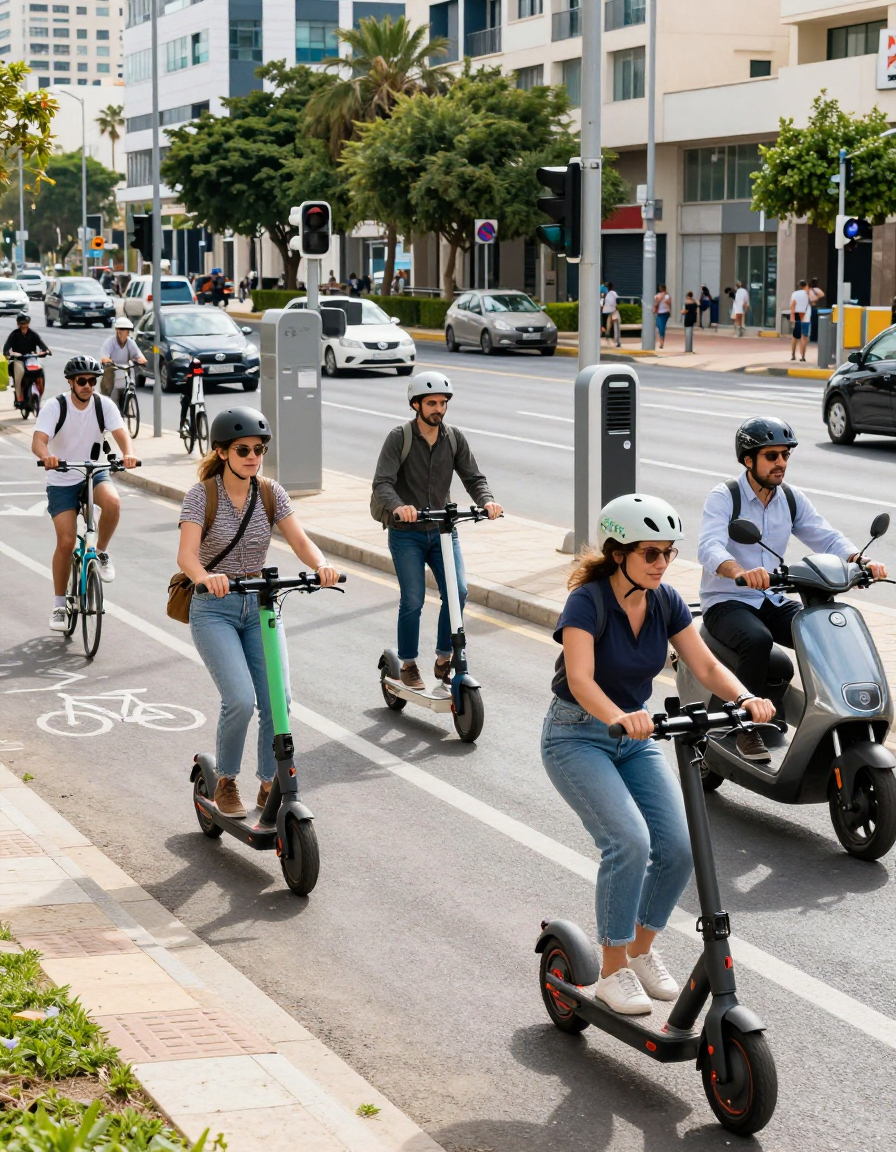
More women are choosing electric scooters for freedom, efficiency, and confidence in urban mobility.
These tools help riders compare options, stay safe, manage battery health, and personalize the riding experience for everyday life.
- Electric Scooter Comparison Tool — compare models by weight, range, comfort, and city usability.
- Advanced Digital Speedometer — maintain controlled, confident speeds for safer daily commuting.
- E-Scooter Battery Health Checker — monitor battery condition and avoid unexpected range loss.
- Battery Lifespan Calculator — understand long-term ownership costs and sustainability.
- Charging Time Calculator — plan charging routines that fit work, family, and daily schedules.
- Fit Optimizer — improve riding comfort, posture, and control for different body types.
- AI Ride Analyzer — gain insights into riding patterns, safety habits, and efficiency.
- Carbon Offset Calculator — see the positive environmental impact of choosing electric mobility.
Read More!
📸 Photo by FreeRangeStock – free for use
Why Women Electric Scooter Adoption Is Accelerating Worldwide
One of the most influential forces behind women electric scooter adoption is the desire for control over daily movement. Unlike private cars that introduce traffic congestion, parking frustration, and rising ownership costs, electric scooters simplify urban travel. For many women living in dense metropolitan areas, Women’s Electric Scooter Engagement represents freedom from rigid schedules, crowded public transport, and dependence on ride-hailing services that may feel unreliable or restrictive.
The acceleration of women electric scooter adoption is also closely tied to how women evaluate transportation efficiency. Research on micromobility usage patterns consistently shows that women value reliability, predictability, and ease of use more than maximum speed or aggressive performance. Electric scooters excel in short- to mid-distance trips, offering consistent travel times, intuitive handling, and low mental load—key factors driving Women Riding Electric Scooters across different age groups and professions.
Beyond individual convenience, Women’s Electric Scooter Engagement is gaining momentum because cities are slowly adapting to more inclusive mobility models. Dedicated bike lanes, traffic-calmed zones, and improved lighting significantly increase the appeal of electric scooters for female riders. Organizations such as ITDP emphasize that micromobility solutions play a critical role in expanding access for underrepresented groups, reinforcing women electric scooter adoption as a structural shift rather than a temporary trend.
As urban environments evolve, women electric scooter adoption continues to scale organically—not through marketing hype, but through everyday practicality. When transportation aligns with real-life needs such as safety, flexibility, and time efficiency, adoption becomes inevitable. This explains why Women Riding Electric Scooters is accelerating worldwide and why it is expected to remain a cornerstone of modern urban mobility.
Safety Perception and Women Electric Scooter Adoption
Safety perception plays a decisive role in women electric scooter adoption, often acting as both an initial concern and a powerful driver of long-term change. While safety is frequently cited as a barrier, it has also become a catalyst for innovation across the electric scooter industry. As Women Riding Electric Scooters has increased, manufacturers have been pushed to rethink fundamental design elements such as stability, braking responsiveness, lighting systems, and rider posture. Wider decks, lower centers of gravity, advanced suspension, and high-visibility lighting are no longer optional upgrades—they are becoming standard features largely influenced by female rider feedback.
Women electric scooter adoption is also characterized by a more measured and risk-aware riding approach. Many women begin their scooter journey using lower speed modes, shorter routes, and comprehensive protective gear. This cautious entry not only builds confidence over time but also contributes to safer riding environments overall. Unlike aggressive early-adopter behavior seen in other micromobility segments, women electric scooter adoption tends to prioritize control, balance, and situational awareness, positively shaping urban riding culture.
Infrastructure plays a critical role in reinforcing Female Adoption of Electric Scooters. Well-lit streets, protected bike lanes, smooth road surfaces, and clearly defined traffic rules significantly reduce perceived risk. According to data referenced by The World Health Organization, micromobility safety improves dramatically when responsible rider behavior is paired with supportive infrastructure. This alignment explains why cities investing in safer streets consistently experience higher levels of women electric scooter adoption.
Ultimately, women electric scooter adoption demonstrates that safety is not a limitation—it is a design philosophy. When electric scooters and urban environments are built around predictability, visibility, and rider confidence, adoption scales naturally. As safety standards continue to evolve, Female Adoption of Electric Scooters is expected to expand further, setting new benchmarks for inclusive and sustainable urban mobility.
Design Matters: How Female Preferences Shape Electric Scooters
Women electric scooter adoption is fundamentally reshaping how electric scooters are designed, engineered, and positioned in the market. As more women enter the micromobility ecosystem, manufacturers are moving away from outdated assumptions that female riders simply want smaller or weaker scooters. Instead, women electric scooter adoption highlights a demand for smarter design—products that balance performance, comfort, usability, and aesthetics in a seamless way.
Core design priorities emerging from Female Adoption of Electric Scooters include foldability for easy storage, optimized weight distribution for better control, intuitive dashboards, and smooth throttle response. Ergonomics play a critical role: deck width, handlebar height, grip comfort, and riding posture all influence confidence and long-term usability. Clean, minimalist design language consistently ranks higher than aggressive styling, reinforcing the idea that functionality and visual clarity matter more than extreme performance figures.
Importantly, women electric scooter adoption has accelerated the shift toward inclusive design standards. Features such as neutral color palettes, integrated hooks or storage solutions, adjustable handlebars, and easy-to-reach controls are no longer viewed as niche additions. Instead, they are becoming baseline expectations—proving that insights gained from women electric scooter adoption often lead to better products for all riders, regardless of gender.
Brands that actively listen to female rider feedback tend to innovate faster and earn stronger loyalty in competitive markets. By aligning design decisions with real-world use cases rather than stereotypes, women electric scooter adoption is pushing the industry toward maturity. The result is a new generation of electric scooters that feel intuitive, balanced, and purpose-built for everyday urban life.
Urban Independence and the Psychology of Riding
Beyond transportation convenience, women electric scooter adoption carries a profound psychological dimension. For many women, riding an electric scooter is not just about mobility—it is about reclaiming space and autonomy in urban environments. Women’s Micromobility Choices enables riders to choose routes freely, stop spontaneously, and navigate cities on their own terms, fostering a unique sense of agency and personal empowerment. This autonomy is especially significant in cities where traditional mobility options may feel limiting, unsafe, or inconvenient for female commuters.
The rise of women electric scooter adoption has also influenced urban planning and infrastructure. Cities that prioritize inclusive micromobility options—such as protected bike lanes, well-lit pathways, and low-speed zones—encourage greater participation among women, older riders, and non-traditional commuters. Research supported by NACTO demonstrates that thoughtfully designed urban spaces amplify the benefits of women electric scooter adoption, turning it from an individual choice into a broader movement that reshapes the psychological and social landscape of urban travel.
Ultimately, Women’s Micromobility Choices is redefining the way women interact with their cities. It is not just a transportation trend—it is a movement that empowers women to reclaim independence, confidence, and freedom in urban life, while simultaneously influencing city design and mobility culture.
Women Electric Scooter Adoption vs. Cars and Public Transport
When evaluating transportation options, Female Electric Scooter Usage highlights a strong preference for flexibility, autonomy, and convenience. While cars provide privacy and comfort, they come with significant financial costs, parking challenges, and negative environmental impacts. Public transport, although widely accessible, is often crowded, prone to delays, and lacks the personal control many commuters desire. In contrast, women electric scooter adoption offers the ideal middle ground—combining personal independence, efficiency, and eco-friendly mobility into a single, practical solution.
Beyond convenience, women electric scooter adoption is transforming daily routines. Working professionals, parents, and students benefit from the ability to handle multi-stop trips, spontaneous errands, and urban navigation without the logistical constraints of cars or buses. Cities that prioritize dedicated bike lanes, low-speed urban zones, and safe scooter infrastructure see the highest levels of women electric scooter adoption, demonstrating how urban design directly influences commuter choices and promotes a sustainable, empowered riding culture.
Ultimately, Female Electric Scooter Usage is not merely a response to limitations in existing transport modes—it is a proactive choice. By favoring scooters over cars or unpredictable public transit, women are reshaping urban mobility, reducing congestion, and championing greener, more flexible travel solutions that align with modern urban lifestyles.
Environmental Awareness and Ethical Mobility Choices
Women Electric Scooter Adoption is increasingly driven by environmental awareness and ethical mobility considerations. Many female riders consciously choose low-emission transportation alternatives that align with their broader lifestyle and sustainability values. By embracing electric scooters, women reduce their personal carbon footprints, minimize noise pollution, and contribute to alleviating urban congestion—benefits that resonate strongly with environmentally conscious consumers and communities worldwide.
The impact of women electric scooter adoption extends beyond individual choices. Cities that support micromobility infrastructure—safe lanes, accessible charging stations, and integration with public transport—amplify the environmental benefits of widespread adoption. According to The International Energy Agency, expanding micromobility options like electric scooters is critical for meeting urban climate targets and fostering sustainable city living, particularly when adoption moves from early adopters to mainstream users. Women electric scooter adoption plays a pivotal role in this shift, highlighting how ethical, sustainable choices can shape urban mobility patterns.
Ultimately, Women Embracing Electric Scooters is not merely a matter of convenience or trendiness—it represents a conscious commitment to greener, smarter, and ethically responsible urban travel. By prioritizing sustainability in their mobility choices, female riders are helping redefine what it means to move efficiently, safely, and responsibly in modern cities.
Suggested topics:
10 Mistakes to Avoid When Buying electric bikes
Complete U.S. E-Bike Laws Guide
🎥 Watch: How electric scooters are making city commuting more affordable and accessible — highlighting rising trends in Women Electric Scooter Adoption and urban micromobility choices. :contentReference[oaicite:0]{index=0}
The Future of Women Electric Scooter Adoption
Looking ahead, women electric scooter adoption is poised to accelerate as urban environments continue to evolve. Smarter infrastructure, enhanced street lighting, safer intersections, and integrated mobility apps will further lower barriers and improve accessibility for female riders. Representation also plays a crucial role—when women see peers confidently navigating cities on electric scooters, adoption becomes both normalized and aspirational, creating a ripple effect that drives sustained growth.
Electric scooters have transcended their initial perception as a novelty or recreational gadget. Through women electric scooter adoption, they are increasingly recognized as tools of empowerment, efficiency, and urban mobility balance. Cities that understand and support this shift are not only fostering more inclusive transportation options but also encouraging sustainable and socially conscious urban development.
At RideWattly.com, we view women electric scooter adoption as more than a trend—it is a transformative movement. By integrating practical infrastructure, inclusive design, and cultural acceptance, Women Embracing Electric Scooters signals the maturation of micromobility into a permanent, empowering, and environmentally responsible feature of modern urban life.
❓ Frequently Asked Questions (FAQ) about Women Electric Scooter Adoption
What is Women Electric Scooter Adoption?
Why are more women choosing electric scooters?
Are electric scooters safe for female riders?
How does Women Electric Scooter Adoption impact city planning?
What features do women prefer in electric scooters?
Does adopting electric scooters help the environment?
Can electric scooters replace cars or public transport?
How does riding electric scooters empower women?
Is women electric scooter adoption growing worldwide?
Where can I learn more about safe electric scooter usage?