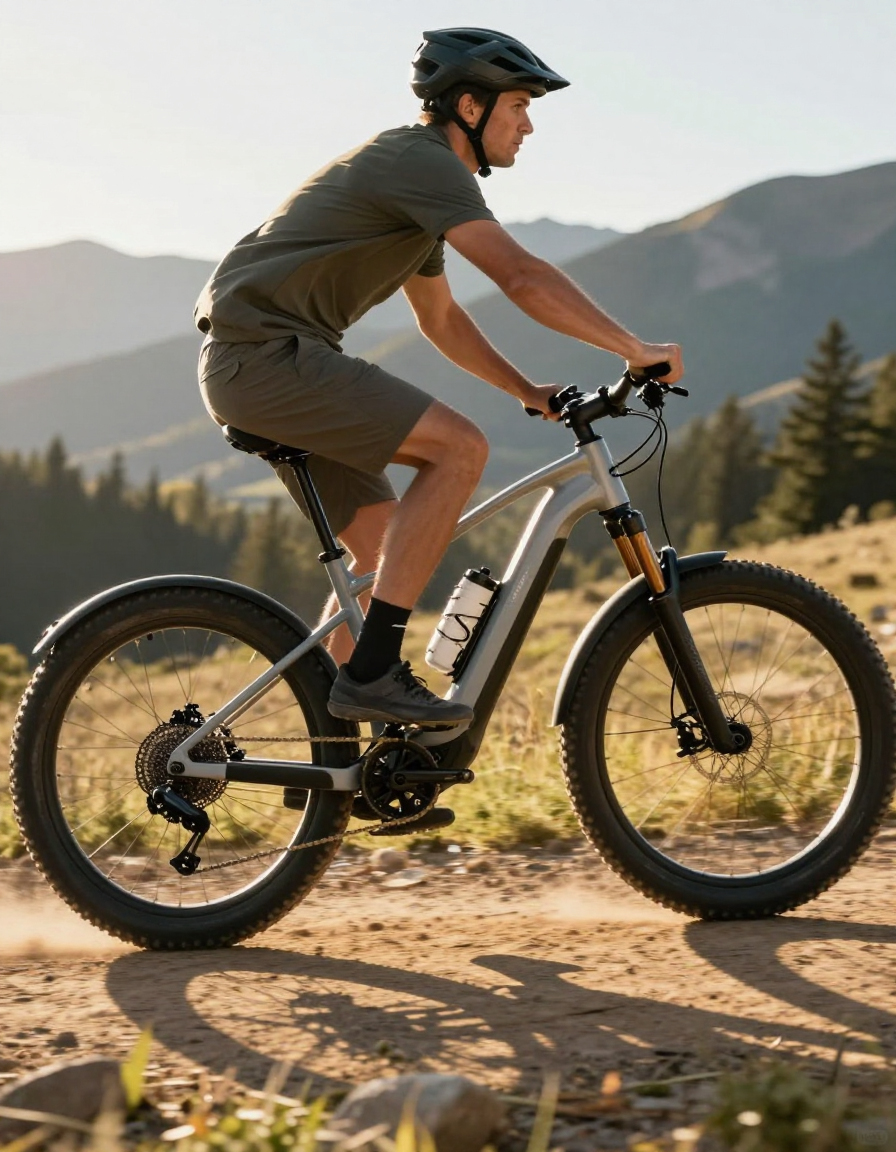
10 Surprising Obstacles That Stop You From Switching to Electric Scooter Commuting (But You’ll Inevitably Make the Leap)
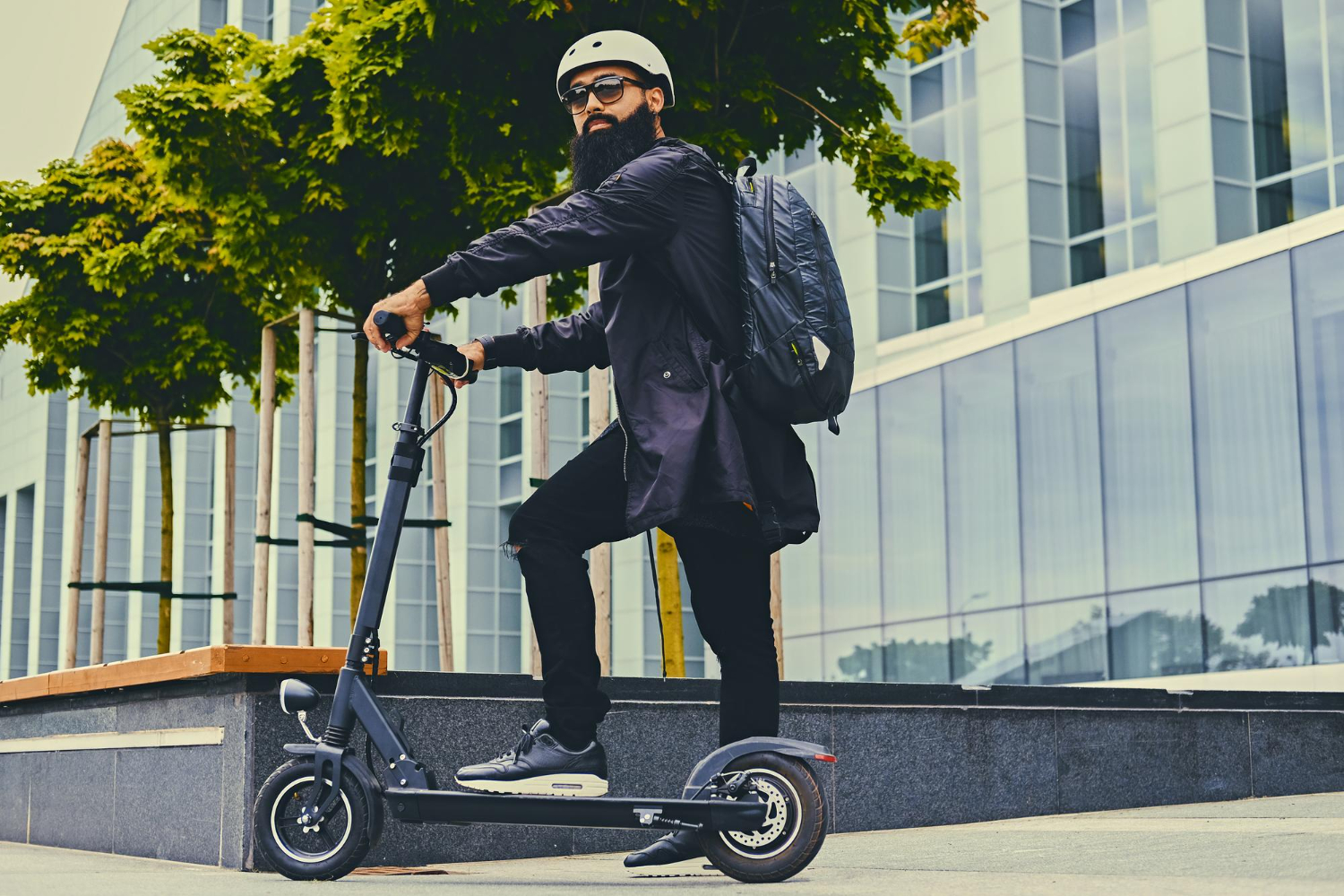
10 Things That Hold You Back From Switching to Electric Scooter Commuting (But You’ll Make the Leap Anyway)
Switching to electric scooter commuting is rapidly becoming one of the smartest decisions urban commuters can make. Beyond the appeal of sleek design and convenience, switching to electric scooter commuting offers measurable benefits in time savings, cost reduction, and environmental impact. However, many people hesitate at the thought of leaving their car or public transit behind. Concerns range from safety and battery range to weather, hills, and maintenance worries. These barriers often seem daunting at first.
Despite these hesitations, switching to electric scooter commuting is not only feasible but increasingly practical thanks to modern innovations. High-performance batteries, improved motor technology, robust safety features, and a growing network of scooter-friendly lanes are all making it easier than ever for commuters to adopt this flexible mode of transport. If you’re exploring the idea on RideWattly, this guide will dive deep into the top 10 obstacles that often prevent people from making the switch — and reveal why, ultimately, switching to electric scooter commuting will likely transform your daily travel experience.
Switching to electric scooter commuting is exciting but requires preparation, awareness, and the right digital and physical tools.
These resources help you monitor your rides, maintain your scooter, and optimize your daily urban commute while staying safe and efficient.
- Advanced Digital Speedometer — track your speed accurately to maintain safe commuting limits.
- Compare E-Bikes & Scooters — analyze vehicles to find the one that best suits your urban commute.
- Electric Scooter Comparison Tool — compare specs, range, and performance for smarter purchasing decisions.
- AI Ride Analyzer — monitor your rides and identify areas to improve safety and efficiency.
- E-Scooter Battery Checker — keep track of battery health and ensure your scooter is ready for daily commuting.
- Battery Lifespan Calculator — estimate battery longevity to plan long-term commuting needs.
- Compass — navigate urban streets confidently and avoid risky detours.
- Smart Alerts — receive notifications for speed, battery, and route conditions to commute safely.
- Maintenance Planner — schedule regular checks for brakes, tires, and battery to stay commute-ready.
- Charging Time Calculator — optimize your charging routine for a hassle-free daily ride.
Read More!
1. “Scooters Aren’t Safe Enough for My Daily Commute”
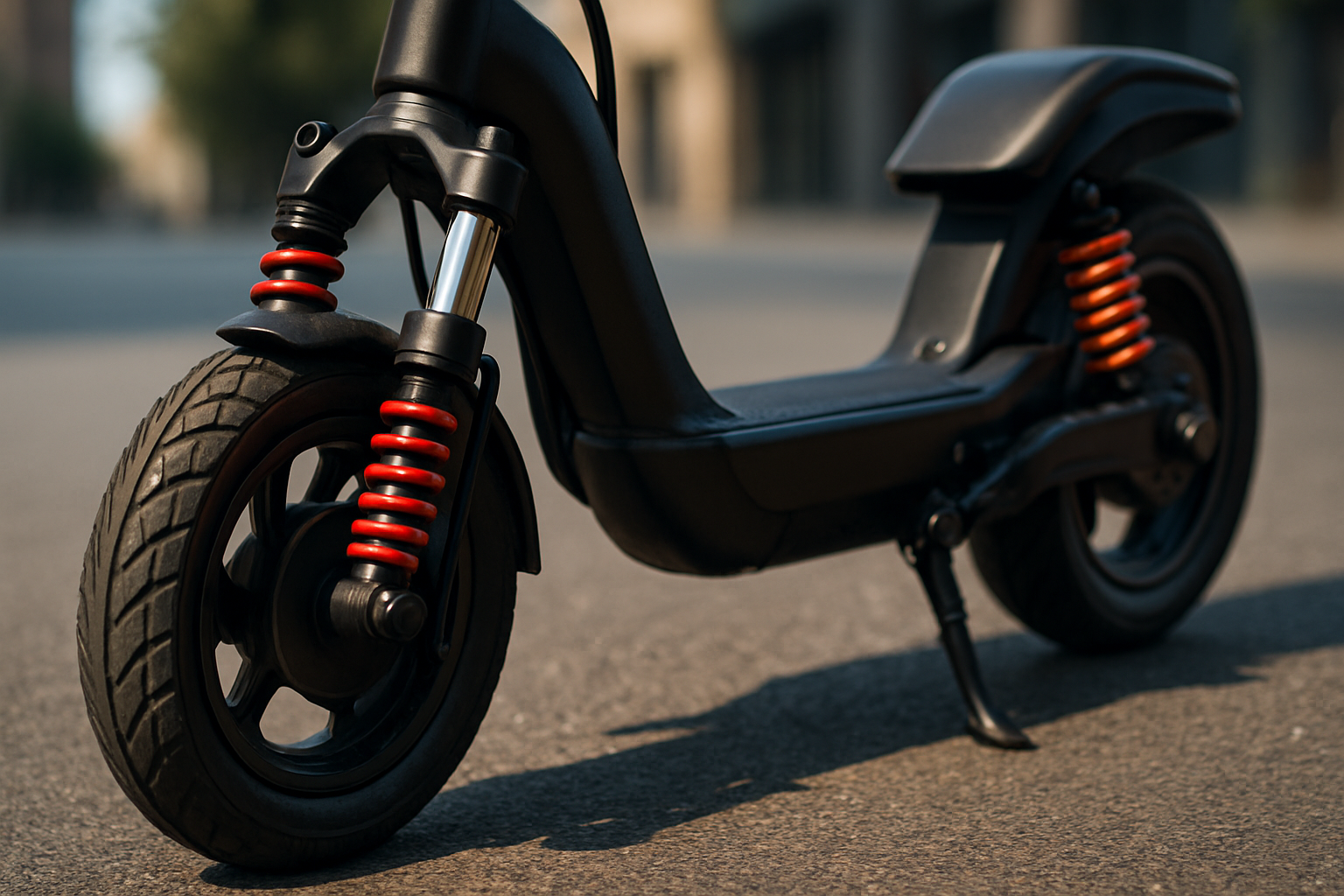
When considering switching to electric scooter commuting, safety is often the first concern for many potential riders. It’s natural to feel apprehensive about navigating busy streets or sharing road space with cars, buses, and pedestrians. However, modern advancements in scooter design and commuter safety gear have significantly reduced these risks. Today’s electric scooters come equipped with anti-lock braking systems, high-visibility LED lights, wider and more stable decks, and responsive suspension systems that handle uneven surfaces with ease.
In addition to hardware improvements, rider preparedness is key to safe commuting. Wearing certified helmets, reflective clothing, and even protective gloves can dramatically lower the risk of injury. Studies from the National Highway Traffic Safety Administration (NHTSA) show that proper protective gear reduces accidents’ severity, giving riders both peace of mind and confidence on the road.
Moreover, urban infrastructure is increasingly adapting to electric scooter commuting. Cities are adding protected bike lanes, scooter-friendly traffic signals, and designated parking zones, all of which make switching to electric scooter commuting not only safer but also more convenient. With these developments, the initial fear of daily scooter riding diminishes, allowing more commuters to confidently embrace this eco-friendly and efficient mode of transport.
2. “Electric Scooter Range Is Too Limited”
One of the most common concerns when considering switching to electric scooter commuting is range anxiety — the fear that your scooter won’t be able to cover the distance you need each day. While early electric scooters often struggled with limited battery life, today’s technology has made this a minor issue for most commuters. Modern scooters are equipped with high-capacity lithium-ion batteries capable of traveling 20–40 miles (32–64 km) on a single charge, easily covering the average urban commute and more.
Additionally, battery performance can be optimized by smart riding practices, such as maintaining steady speeds, avoiding excessive acceleration, and keeping tires properly inflated. Many scooters also feature regenerative braking systems, which extend battery life by converting kinetic energy back into power during stops.
For commuters looking for detailed guidance, the RideWattly electric scooter range guide provides in-depth comparisons of top models, realistic range expectations under different conditions, and tips for maximizing mileage. With these advancements, switching to electric scooter commuting becomes practical for daily travel, eliminating one of the biggest initial hesitations and opening the door to a faster, greener, and more flexible commute.
3. “Weather Makes Riding Impossible”
A major hesitation for many when switching to electric scooter commuting is the impact of weather conditions. Rain, strong winds, snow, and cold temperatures can make scooter riding seem intimidating or impractical. However, advances in electric scooter engineering and urban commuting solutions have significantly reduced weather-related obstacles. Many modern scooters now come with water-resistant ratings such as IP54 or higher, shielding motors, batteries, and electronics from splashes and light rain, making daily commuting more reliable even in less-than-perfect weather.
Beyond scooter technology, riders can adapt with proper gear. Layered clothing, waterproof jackets, gloves, and shoe covers enhance comfort and safety, while reflective elements improve visibility in foggy or low-light conditions. Additionally, integrating scooter commuting with public transit creates a hybrid approach: you can ride when conditions are safe and use buses or trains when weather becomes extreme. This flexibility makes switching to electric scooter commuting feasible year-round, empowering commuters to maintain their routine without being bound by weather limitations.
Urban planning improvements, such as sheltered bike lanes, covered docking stations, and smooth, well-drained road surfaces, further enhance the practicality of electric scooter commuting. With these combined innovations, weather becomes less of a barrier, allowing riders to confidently embrace switching to electric scooter commuting as a reliable and efficient transportation choice.
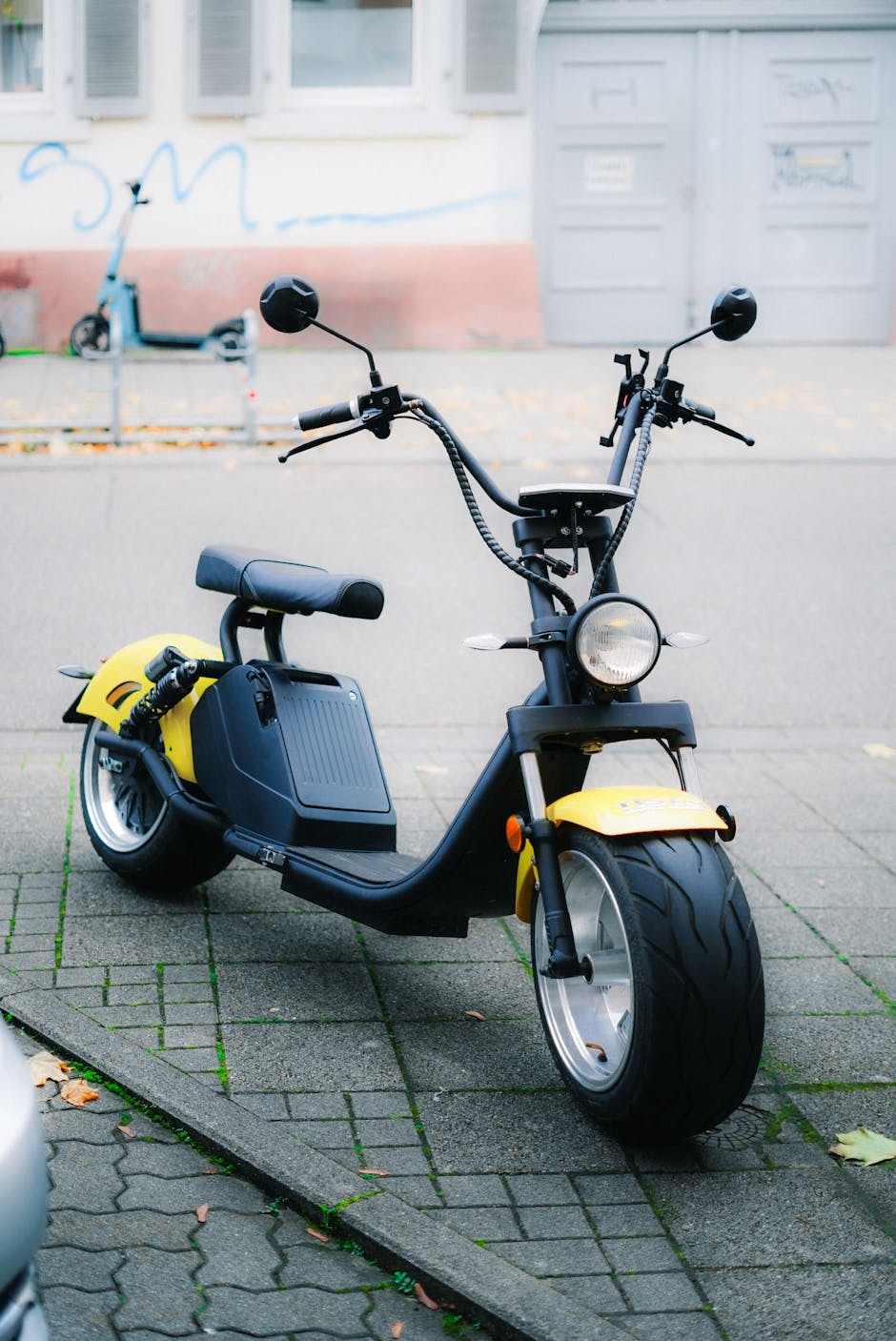
📸 Photo: Yellow electric scooter parked outdoors. Photo by Leonard Richards on Pexels.
4. “I Need My Car for Errands”
One of the biggest mental blocks when switching to electric scooter commuting is the perceived dependence on a car for daily errands. Many commuters assume that grocery shopping, picking up packages, or running other small tasks always require four wheels. However, modern electric scooters have evolved to handle these needs efficiently. Lightweight cargo scooters, foldable designs, and innovative cargo-adapter accessories now allow riders to transport groceries, small parcels, and personal items without relying on a car.
Foldable scooters, for instance, can easily fit in car trunks, storage lockers, or even apartments, making them a flexible complement rather than a replacement for a vehicle when necessary. Additionally, integrating services like grocery delivery or smart locker pickup with your scooter commute further reduces reliance on traditional transportation. These solutions demonstrate that switching to electric scooter commuting doesn’t mean giving up convenience — it means rethinking errands in a smarter, more sustainable way.
By embracing these options, commuters can gradually reduce car usage while still maintaining efficiency and convenience. This practical approach highlights how switching to electric scooter commuting empowers riders to streamline daily routines, save costs, and contribute to a greener city environment without sacrificing mobility.
5. “Public Transit Is Already Convenient”
Many commuters hesitate with the idea of switching to electric scooter commuting because public transit feels convenient, reliable, and socially responsible. Buses, subways, and trains are predictable, familiar, and widely used, which can make the thought of replacing part of your commute with a scooter seem unnecessary. However, public transit often comes with hidden inefficiencies: crowded cars, delays, inflexible schedules, and long walking distances between stops and your final destination.
This is where switching to electric scooter commuting truly shines. Electric scooters provide an efficient, flexible, and fun “last mile” solution, bridging the gap between transit stations and your home, office, or other destinations. By combining scooters with buses or trains, commuters can reduce travel time, avoid waiting, and maintain control over their schedule — benefits that public transit alone cannot fully provide.
Furthermore, scooters offer cost savings, environmental benefits, and a more personalized commute experience. Cities are increasingly integrating scooter lanes, docking stations, and parking solutions, making switching to electric scooter commuting easier, safer, and more practical than ever. Over time, riders often discover that scooters not only complement public transit but can transform daily commuting into a faster, greener, and more flexible routine.
6. “Scooters Don’t Handle Hills Well”
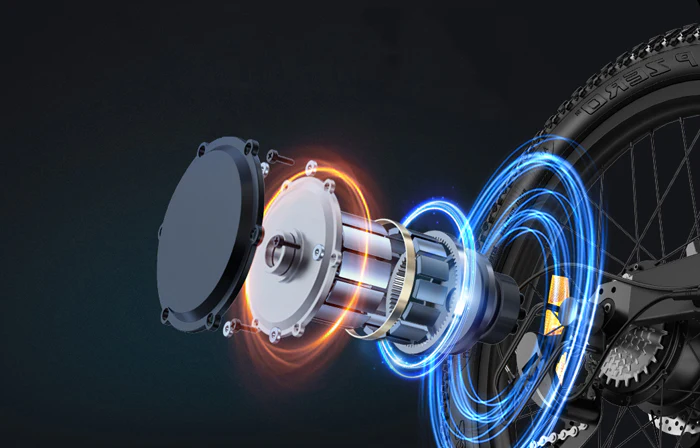
One of the most persistent myths preventing people from switching to electric scooter commuting is that scooters cannot handle hills or steep terrain. While early or entry-level models may struggle on inclines, modern electric scooters have made dramatic advancements in motor power and torque. High-performance scooters with motors rated 500W and above, paired with efficient battery systems, can easily conquer hills that once seemed insurmountable.
When considering switching to electric scooter commuting, it’s important to select a model designed for your city’s topography. Many scooters now feature multiple speed modes, hill-assist technology, and robust suspension systems to maintain stability and acceleration on inclines. Riders who were once hesitant due to hilly routes often find that a powerful scooter completely removes this obstacle, making commuting faster, smoother, and more enjoyable.
Additionally, riding techniques such as maintaining consistent speed, leaning into inclines, and monitoring battery usage can further improve hill performance. With these innovations and strategies, switching to electric scooter commuting becomes a realistic and efficient option for urban commuters, regardless of elevation challenges. Hills are no longer a barrier — they’re simply part of a dynamic, eco-friendly ride.
7. “I’m Worried About Theft or Vandalism”
Concerns about theft and vandalism are common obstacles for those considering switching to electric scooter commuting. Urban environments, in particular, can make leaving a scooter unattended feel risky. However, modern solutions have made these fears largely manageable. Foldable scooters can easily be brought indoors, whether to your home, office, or even a secure locker, reducing exposure to theft. Additionally, investing in high-quality locks — such as U-locks or chain locks rated for anti-theft protection — adds an extra layer of security.
Beyond personal precautions, cities are increasingly developing infrastructure to support safe electric scooter use. Dedicated scooter parking zones, monitored sharing stations, and well-lit storage areas make it easier for commuters to leave their scooters with confidence. By leveraging these innovations, switching to electric scooter commuting becomes not only practical but also secure, allowing riders to enjoy the benefits of this eco-friendly transportation without unnecessary worry.
For urban commuters, combining smart storage practices with city-supported parking solutions ensures that concerns over theft or vandalism do not become a barrier. Ultimately, these measures make switching to electric scooter commuting a safe, reliable, and worry-free option for daily travel.
8. “Scooters Are Just Toys, Not Real Transportation”
One of the most persistent myths preventing people from switching to electric scooter commuting is the perception that scooters are mere toys rather than legitimate transportation. This outdated mentality is rapidly fading as modern electric scooters demonstrate impressive performance, build quality, and reliability. Many scooters now rival bicycles and even some motorcycles, offering powerful motors, long-range batteries, and sturdy frames that can handle daily urban commuting with ease.
Moreover, switching to electric scooter commuting provides a cost-effective alternative to car ownership. Commuters save on fuel, parking fees, and maintenance costs, while enjoying the convenience of a compact, maneuverable vehicle that can navigate traffic efficiently. These advantages make scooters not just a novelty, but a practical, everyday transportation solution.
Urban planners are increasingly recognizing the value of scooters in city mobility strategies. By integrating scooter lanes, dedicated parking areas, and sharing programs, cities are encouraging sustainable commuting that reduces congestion and carbon emissions. For anyone considering switching to electric scooter commuting, it’s clear that scooters are no longer toys — they are a smart, eco-friendly, and fully viable mode of transportation for modern urban life.
9. “Maintenance Looks Complicated”
For many potential riders, the idea of maintaining another vehicle is a barrier when considering switching to electric scooter commuting. However, electric scooters are designed for simplicity and low maintenance compared to cars or motorcycles. Regular upkeep usually involves straightforward tasks such as checking tire pressure, adjusting brakes, lubricating moving parts, and managing battery health — all skills that can be learned quickly without professional help.
In addition, online resources and communities provide step-by-step guidance for riders. Platforms like RideWattly offer detailed tutorials, maintenance tips, and troubleshooting advice, making switching to electric scooter commuting accessible even for beginners. With consistent but minimal care, scooters remain reliable, safe, and efficient, eliminating one of the common hesitations for new users.
Ultimately, understanding that scooter maintenance is manageable and not time-consuming helps commuters confidently embrace switching to electric scooter commuting. By investing a few minutes each week, riders can ensure smooth performance, longer battery life, and a worry-free commuting experience.
10. “I’m Just Used to My Current Routine”
One of the most subtle but powerful barriers to switching to electric scooter commuting is simply comfort with your current routine. Humans are naturally resistant to change, and the idea of altering established commuting habits can feel daunting. However, embracing a new mode of transport like an electric scooter often leads to unexpected benefits that outweigh initial discomfort.
Switching to electric scooter commuting forces a reevaluation of daily travel patterns, encouraging efficiency, flexibility, and personal empowerment. Unlike cars or crowded buses, scooters provide a direct, fast, and eco-friendly commute, allowing riders to bypass traffic, save money on fuel, and enjoy the outdoors during transit. This break from routine transforms commuting from a chore into an enjoyable, liberating experience.
Moreover, adopting this change gradually — starting with short trips or combining scooter rides with public transit — helps ease the transition. Over time, the advantages of switching to electric scooter commuting become evident: reduced stress, increased control over your schedule, and a greener, more sustainable way to move through the city. Ultimately, breaking free from old habits is not just possible; it’s one of the most rewarding aspects of adopting electric scooter commuting.
Suggested topics:
Ultimate Guide: How to Clean and Maintain Your E-Scooter Properly (6 Tips)
Smart Urban Riding Etiquette: Essential Do’s and Don’ts for Confident City Commuters (2025)
🎥 Watch: Top electric scooters for daily commuting — explore the best models, real-world reviews, and tips to help you decide if switching to electric scooter commuting is right for your lifestyle. :contentReference[oaicite:0]{index=0}
So Why You’ll Switch Anyway
Despite the obstacles and hesitations discussed above, the real-world advantages make switching to electric scooter commuting a compelling choice. Modern scooters offer tangible benefits that quickly outweigh initial fears, making the transition not only practical but also rewarding:
- Lower transportation costs: Compared to car ownership, fuel, and maintenance, scooters are far more affordable, allowing commuters to save money each month.
- Faster door-to-door travel: For short to medium distances, electric scooters can navigate traffic, avoid delays, and get riders to their destination efficiently.
- Zero emissions: Switching to electric scooter commuting is a powerful step toward sustainable, eco-friendly travel that reduces your carbon footprint.
- Greater control over your commute: Unlike public transit schedules or traffic jams, scooters give riders flexibility and autonomy over their daily travel.
Electric scooter commuting is not merely a trend; it represents a logical evolution in urban mobility. Once you experience it firsthand, the convenience, efficiency, and enjoyment become clear, explaining why more commuters are switching to electric scooter commuting every day. Improved technology, better infrastructure, and rising public acceptance make this lifestyle shift increasingly accessible and appealing.
Ready to embrace the change? Dive into detailed reviews, buying guides, and commuter tips on RideWattly to make switching to electric scooter commuting a seamless, empowering, and transformative part of your daily routine.
❓ Frequently Asked Questions (FAQ) about Switching to Electric Scooter Commuting
Is switching to electric scooter commuting safe?
Can electric scooters handle long commutes?
How do scooters perform in bad weather?
Can I run errands using an electric scooter?
Do scooters complement public transit?
Can scooters handle hills effectively?
How can I prevent theft or vandalism?
Are scooters a legitimate form of transportation?
Is electric scooter maintenance complicated?
Why should I switch if I’m used to my routine?