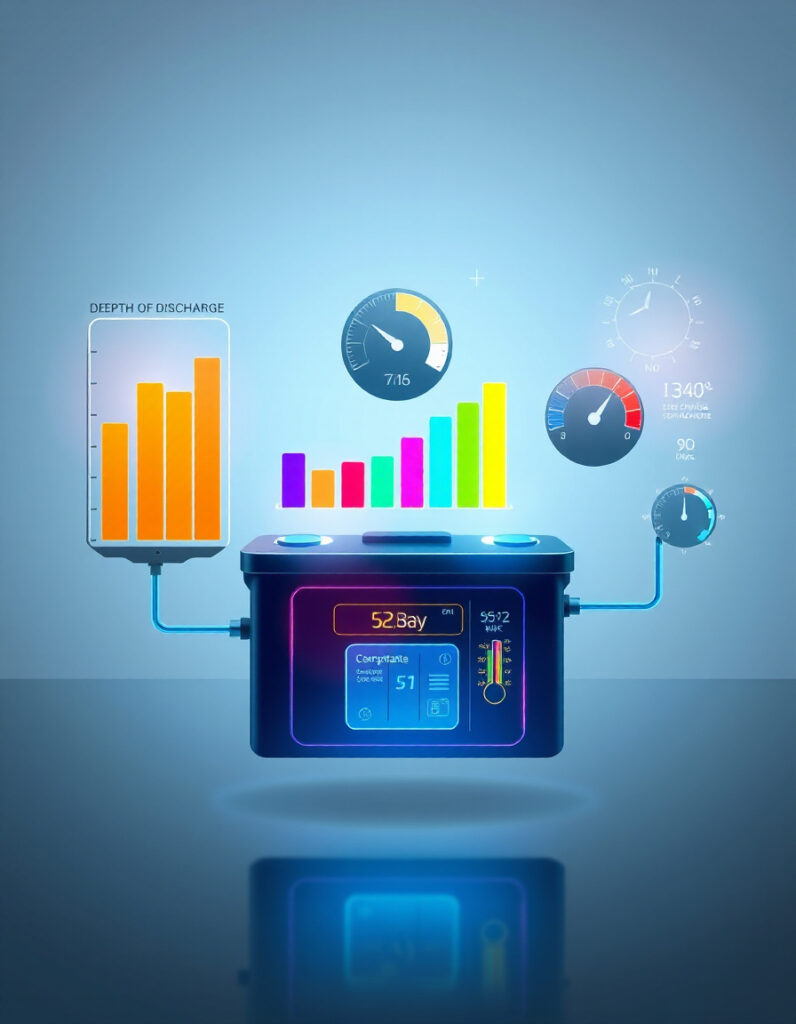
🔋 Battery Degradation Predictor
The Battery Degradation Predictor helps you estimate how fast your battery loses capacity over time. By analyzing depth of discharge, temperature, charging current, and battery chemistry, it provides a clear and practical annual degradation estimate.
Battery Degradation Predictor V5 – Tesla Fixed System
🔋 What Is the Battery Degradation Predictor?
The Battery Degradation Predictor is an advanced smart tool that estimates how a battery may lose capacity over time based on real-world usage habits such as depth of discharge (DoD), temperature, charging current, battery chemistry, and years of use.
Instead of guessing how long your battery will last, this tool helps riders and EV owners understand expected battery wear, remaining capacity, health score, and long-term lifespan.
💡 Who Is This Tool For?
- ⚡ E-bike riders checking battery lifespan
- 🛴 Electric scooter owners comparing usage habits
- 🚚 Delivery riders using batteries daily
- 🔧 DIY battery builders testing battery chemistry
- 💰 Buyers wanting longer battery life
- 📈 Anyone trying to reduce battery replacement costs
⚙️ How to Use the Predictor
- Set your average Depth of Discharge (DoD).
- Choose your normal operating temperature.
- Adjust charging/discharge current level.
- Select battery chemistry type.
- Choose number of years to simulate.
- View charts, battery wear, capacity decline, and insights.
🔬 Why Battery Degradation Matters
All rechargeable batteries lose capacity with age and use. Heat, deep discharges, aggressive charging, and poor quality cells can accelerate this process significantly.
- Low temperature stress: usually safer than high heat
- High DoD: deeper cycles increase wear
- Fast charging: can reduce long-term lifespan
- Premium cells: often degrade slower
A battery that is treated well may last years longer than one used aggressively.
📊 What Results You’ll See
- Estimated remaining battery capacity
- Total battery wear percentage
- Health score
- Expected years to 80% capacity
- Cycles left estimate
- Smart AI-style battery tips
- Visual degradation chart
- Compare better usage habits
🚴 Example Use Case
If an e-bike battery is regularly discharged to 95%, used in hot weather, and charged aggressively, it may degrade much faster than a battery kept between moderate charge levels in cooler temperatures. This tool helps visualize that difference instantly.
❓ Frequently Asked Questions
What is battery degradation?
Battery degradation is the gradual loss of capacity and performance over time due to aging, charging cycles, heat, and usage patterns.
What does DoD mean?
DoD stands for Depth of Discharge. It describes how much of the battery is used before recharging. Higher DoD usually means more wear.
Does heat damage batteries?
Yes. High temperatures are one of the biggest causes of faster battery aging and capacity loss.
Which battery chemistry lasts longest?
It depends on quality and use, but LiFePO4 batteries often provide longer cycle life than many common lithium-ion packs.
Is this prediction exact?
No tool can predict exact lifespan. It provides realistic estimates based on your settings and common battery behavior patterns.
Can I compare different habits?
Yes. Use the compare sliders to see how better charging or lower DoD may improve battery lifespan.
When should I replace a battery?
Many users replace a battery when usable capacity drops near 70%–80%, depending on range needs and performance.
🏆 Why Use RideWattly Tools?
RideWattly builds practical battery and EV tools for riders who want smarter decisions, lower ownership costs, and better performance. This predictor transforms battery health into clear, useful numbers.
Intelligence dashboard
Health score
Est. lifespan
Risk level
Cycles left
Compare scenario (sliders)
Adjust a hypothetical usage profile and see the impact versus your current inputs.
🔧 Similar Tools
This tool is part of the educational resources published on RideWattly. Results should be used as a reference only and not as professional engineering advice.


