Bike and Scooter Lanes: How Dedicated Micromobility Infrastructure Boosts Urban Happiness
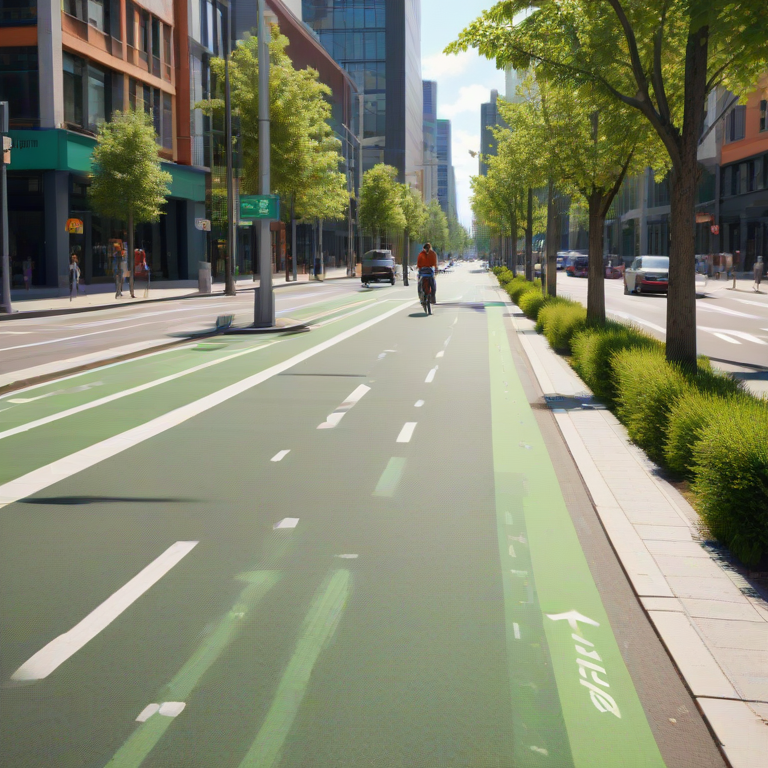
Bike and Scooter Lanes: How Dedicated Micromobility Infrastructure Boosts Urban Happiness in Modern Cities
In modern cities, transportation is no longer only about getting from point A to point B. It has become a key factor in shaping the daily experience of millions of people. Urban planners, mobility experts, and environmental researchers are increasingly discovering that Urban Micromobility Lanes are closely connected to quality of life, community wellbeing, and even long-term urban happiness. As e-bikes, electric scooters, and other micromobility vehicles rapidly gain popularity around the world, the need for safe, well-planned Bike and Scooter Lanes is becoming one of the most important priorities in modern city design.
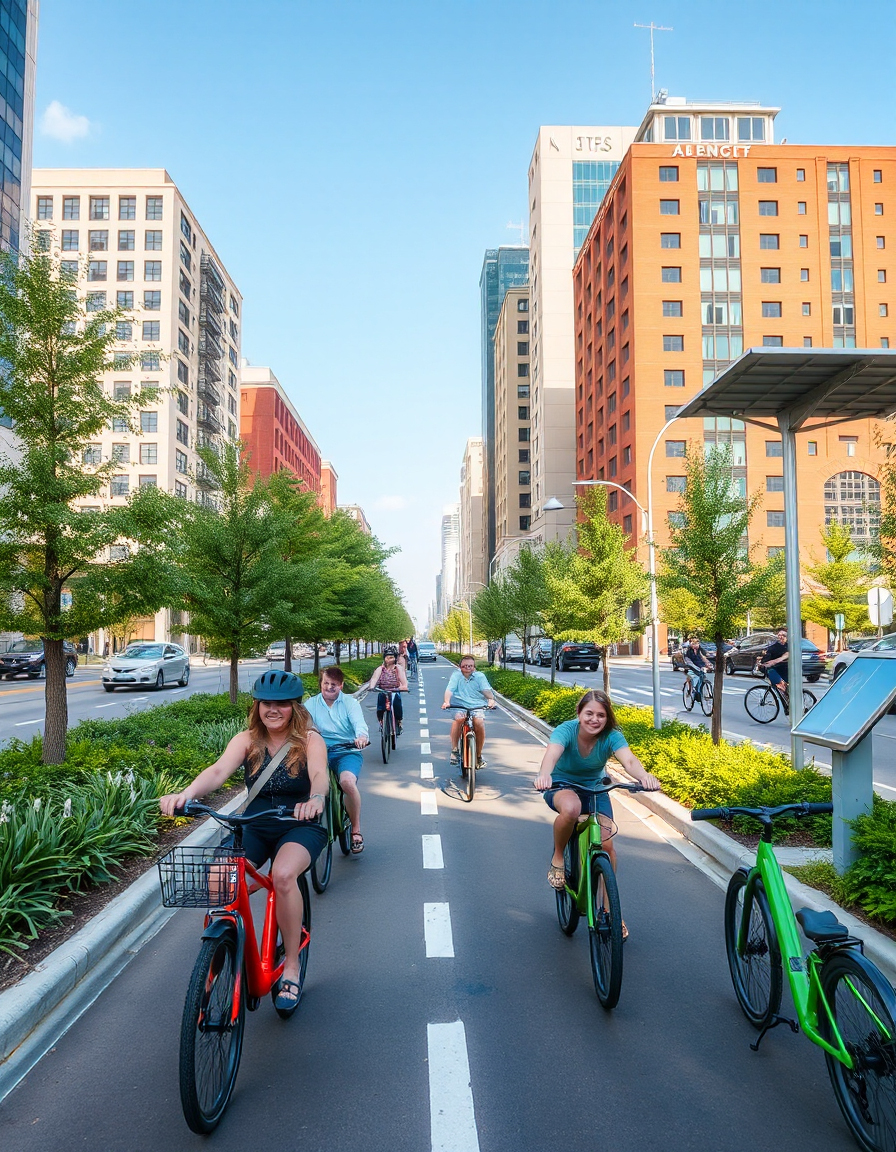
For many commuters, traditional transportation options often involve heavy traffic, unpredictable travel times, and stressful road conditions. In contrast, cities that develop extensive networks of Bike and Scooter Lanes provide residents with a cleaner, safer, and more flexible way to move through urban environments. These dedicated corridors separate micromobility riders from busy vehicle traffic, creating a travel experience that feels safer, calmer, and significantly more enjoyable.
But the benefits of Urban Micromobility Lanes go far beyond transportation efficiency. Well-designed micromobility infrastructure can reshape the character of entire neighborhoods. Streets that include protected Urban Micromobility Lanes tend to become more vibrant, accessible, and socially active. Riders move at human speed, which encourages interaction with local businesses, public spaces, and community life. As a result, these lanes often contribute to stronger neighborhood identity and a more connected urban culture.
Another important factor is psychological wellbeing. Research in urban mobility consistently shows that people who commute using cycling or micromobility infrastructure report lower stress levels and greater daily satisfaction compared to those who rely entirely on cars. When cities expand their networks of Bike and Scooter Lanes, they give residents an alternative that promotes fresh air, outdoor activity, and a sense of independence. Instead of sitting in traffic, riders experience movement, freedom, and a direct connection to the city around them.
As global cities continue to grow and transportation challenges become more complex, Bike and Scooter Lanes are emerging as one of the most effective tools for improving urban life. By investing in safe and connected micromobility infrastructure, cities are not only improving transportation systems—they are actively creating healthier, happier, and more livable environments for their citizens.
Riding safely on bike and scooter lanes requires awareness, preparation, and the right tools. These resources help you monitor, analyze, and optimize your urban rides while prioritizing safety, comfort, and efficiency.
- Advanced Digital Speedometer — track your speed accurately to maintain safe limits on busy urban lanes.
- Advanced E-Bike Simulator — practice different commuting scenarios and understand the effects of speed and terrain on safety.
- Compare E-Bikes & Scooters — find the best micromobility option suited for your city rides and control preferences.
- E-Bike Riding Coach — improve your riding skills, balance, and awareness when navigating bike and scooter lanes.
- AI Ride Analyzer — analyze your trips to identify risky habits and optimize safety gear usage.
- Compass — navigate safely through city streets and avoid unexpected obstacles.
- Smart Alerts — receive real-time notifications on speed, battery, and route conditions to ensure a safer commute.
Read More!
Why Bike and Scooter Lanes Increase Urban Happiness
One of the strongest arguments for expanding Urban Micromobility Lanes is their direct impact on daily happiness and overall quality of life. Commuting is one of the most repeated activities in modern life, and the way people travel every day significantly influences their stress levels, mood, and mental wellbeing. Long traffic jams, aggressive driving environments, and unpredictable delays often create frustration that accumulates over time. By contrast, well-designed Bike and Scooter Lanes offer a calmer, safer, and more enjoyable alternative for urban mobility.
Dedicated Urban Micromobility Lanes separate riders from heavy vehicle traffic, reducing the tension that many cyclists and scooter riders feel when sharing crowded roads with cars. This separation creates a sense of safety and comfort that encourages more people to adopt micromobility as part of their daily routine. When riders feel protected and confident, commuting becomes less of a stressful obligation and more of a pleasant daily activity.
When commuters travel through protected Bike and Scooter Lanes, they often experience several important lifestyle benefits:
- Lower commuting stress and a calmer start to the day
- More predictable and consistent travel times
- Reduced exposure to traffic congestion and road frustration
- A stronger sense of independence and personal mobility
- More enjoyable daily routines through outdoor travel
Another important factor is the psychological effect of active transportation. Riding through connected networks of Bike and Scooter Lanes allows people to experience their city at a human pace. Instead of sitting in enclosed vehicles, commuters interact with public spaces, green areas, and local neighborhoods. This simple shift can make daily travel feel more engaging and less monotonous.
Urban mobility research consistently shows that people who commute using cycling infrastructure report higher levels of daily satisfaction compared to those who rely entirely on cars. Cities such as Copenhagen and Amsterdam regularly rank among the happiest urban populations in the world, and a key factor behind this success is their extensive network of safe and accessible Urban Micromobility Lanes. These cities demonstrate how investing in micromobility infrastructure can create not only better transportation systems, but also healthier, happier communities.
The Health Benefits of Bike and Scooter Lanes
Another major benefit of expanding Urban Micromobility Lanes is the significant improvement they bring to public health. Modern urban lifestyles often involve long periods of sitting, limited physical activity, and daily exposure to traffic pollution. By building safe and accessible Bike and Scooter Lanes, cities encourage residents to shift toward more active forms of transportation. Even when using electric micromobility such as e-bikes or scooters, riders spend more time outdoors and engage in light physical movement compared to commuting by car.
Well-designed Bike and Scooter Lanes make active mobility a natural part of everyday routines. Instead of needing to schedule exercise separately, people integrate movement directly into their daily commute, errands, or short trips around the city. Over time, this small change in transportation behavior can contribute to healthier lifestyles, improved cardiovascular fitness, and better long-term wellbeing for large urban populations.
Expanding networks of protected Urban Micromobility Lanes helps cities achieve several important public health goals:
- More daily physical activity for residents of all ages
- Lower exposure to vehicle emissions and urban air pollution
- Reduced traffic noise that can negatively affect mental health
- Improved mental wellbeing from spending more time outdoors
- Encouragement of healthier transportation habits across communities
Another overlooked benefit of Bike and Scooter Lanes is their positive impact on mental health. Commuting through green streets, parks, and open urban spaces can reduce anxiety and improve mood. Riders often report feeling more energized and mentally refreshed when traveling through safe micromobility corridors instead of sitting in slow-moving traffic. Over time, these daily positive experiences can contribute to greater overall life satisfaction.
According to global health research summarized by the World Health Organization, encouraging active transport can significantly reduce the risk of cardiovascular disease and improve overall urban health outcomes. Infrastructure such as protected Bike and Scooter Lanes plays a critical role in enabling these healthier mobility patterns.
Economic Advantages of Expanding Bike and Scooter Lanes
While improvements in happiness and public health are powerful reasons to invest in urban mobility, Bike and Scooter Lanes also deliver substantial economic advantages for cities and their residents. Compared to large-scale road expansion projects designed for cars, building dedicated Bike and Scooter Lanes is significantly more affordable and faster to implement. These lanes require less space, lower construction costs, and far less long-term maintenance than highways or major vehicle infrastructure.
By expanding networks of Urban Micromobility Lanes, cities can create transportation systems that are both efficient and economically sustainable. Instead of investing billions into car congestion solutions, municipalities can allocate smaller budgets toward micromobility infrastructure that benefits a much broader portion of the population.
When cities build more connected Bike and Scooter Lanes, they often begin to see several positive economic effects:
- Higher foot traffic and increased visibility for local businesses
- Lower daily transportation costs for residents
- Reduced infrastructure and road maintenance expenses
- New tourism opportunities driven by cycling and micromobility culture
- More vibrant neighborhood commercial activity
One of the most interesting economic impacts of Bike and Scooter Lanes is how they influence local shopping behavior. Riders traveling through cities at slower speeds are far more likely to stop at cafés, small shops, and neighborhood markets compared to drivers who are focused on traffic flow and parking availability. This pattern means that businesses located near safe micromobility routes often benefit from increased customer interaction and repeat visits.
In addition, Bike and Scooter Lanes can reduce the financial burden of transportation for many households. Owning and maintaining a car is expensive, especially in dense urban environments where parking costs and fuel prices continue to rise. When reliable micromobility infrastructure is available, residents can replace short car trips with e-bike or scooter rides, saving money while still enjoying efficient mobility.
Research from transportation institutes has also shown that cities known for strong cycling infrastructure often attract international visitors who want to experience bike-friendly urban environments. Well-developed networks of Urban Micromobility Lanes can therefore support tourism while reinforcing a city’s reputation as a modern, sustainable destination.
Source: International Transport Forum – Cycling Health and Safety
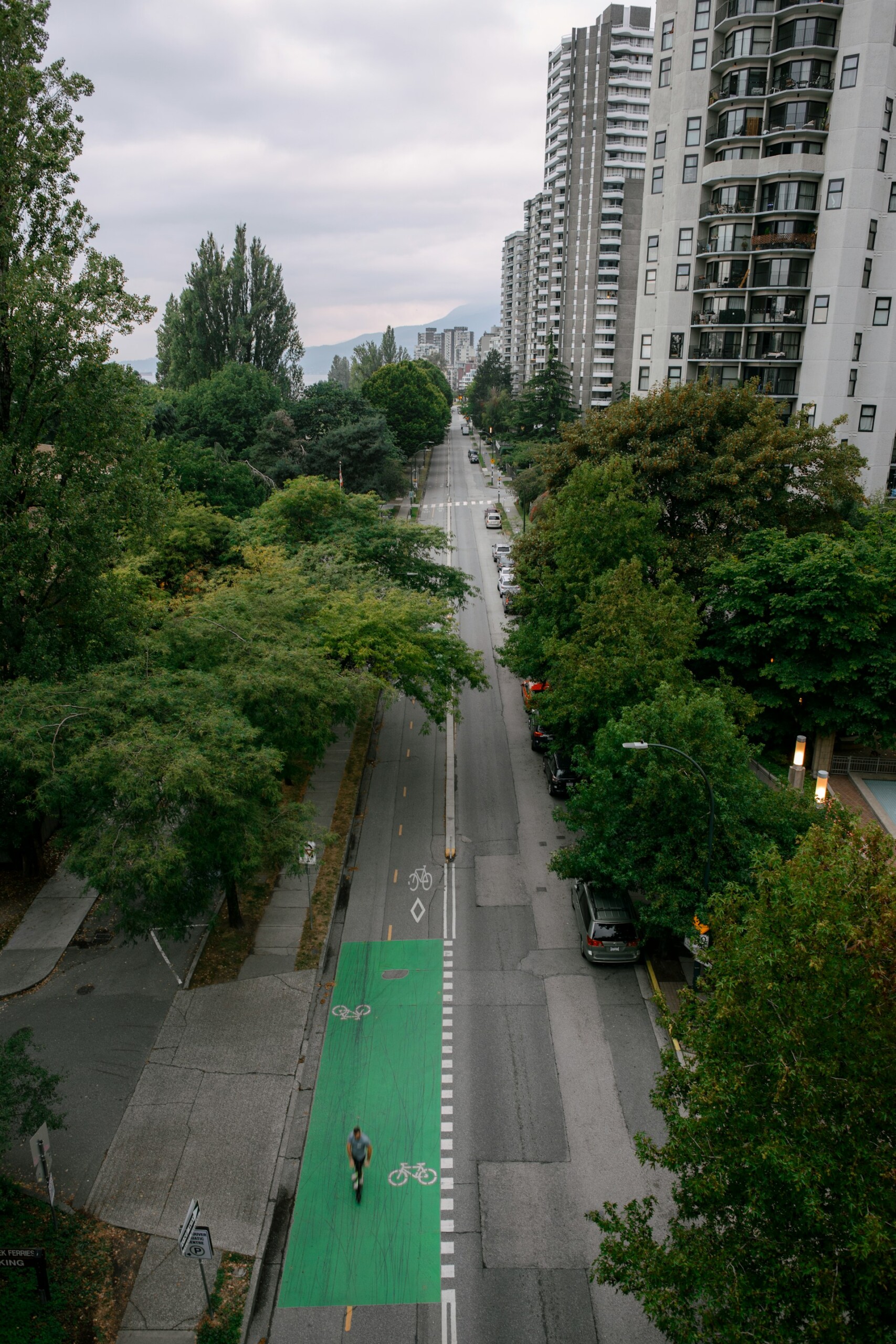
Photo by Albert Stoynov on Unsplash
Environmental Impact of Urban Micromobility Lanes
Environmental sustainability is another critical reason why cities should build more bike and scooter lanes. Transportation is one of the largest sources of urban carbon emissions. Encouraging micromobility helps reduce reliance on fossil-fuel vehicles.
With safe and accessible bike and scooter lanes, many short car trips can be replaced by lightweight electric mobility or traditional cycling. This reduces:
- Carbon emissions
- Urban air pollution
- Noise pollution
- Traffic congestion
Even replacing a small percentage of daily car trips with rides through bike and scooter lanes can have a significant impact on city emissions and environmental sustainability.
Why Cities Should Build More Bike and Scooter Lanes
Despite the overwhelming social, health, and economic benefits, many cities around the world still lack sufficient micromobility infrastructure. In many urban areas, riders are forced to share crowded roads with cars, buses, and trucks, which discourages people from choosing sustainable transportation. Expanding safe and protected Bike and Scooter Lanes should therefore be viewed not as a luxury, but as a long-term investment in urban wellbeing, mobility efficiency, and environmental sustainability.
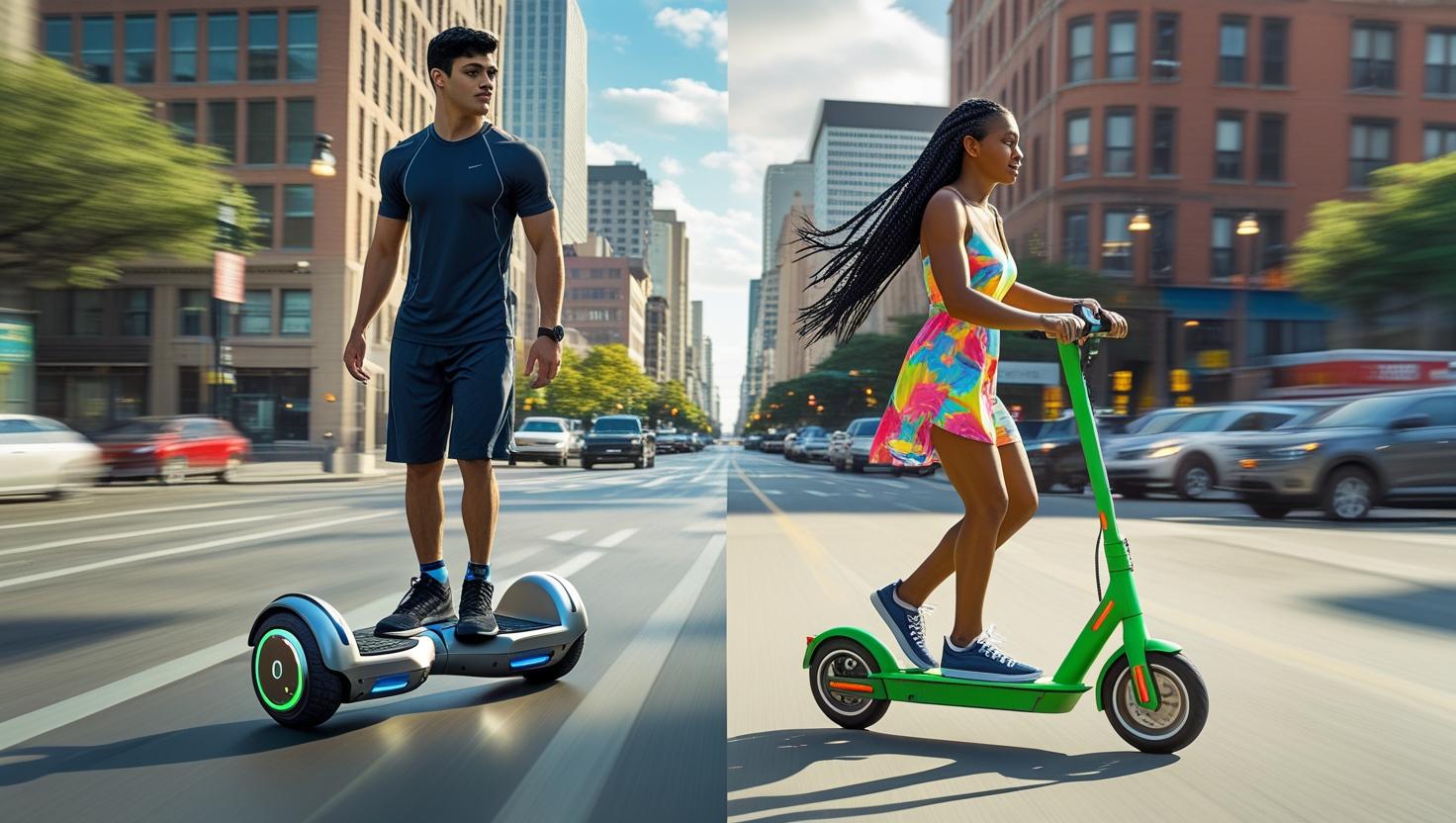
Cities that actively invest in connected networks of Bike and Scooter Lanes often experience a powerful transformation in transportation habits. When residents see clearly marked, protected, and reliable micromobility routes, they feel more confident leaving their cars at home. As a result, more commuters begin using bikes, e-bikes, and electric scooters for daily trips such as commuting to work, running errands, or traveling between neighborhoods.
This shift creates a positive feedback loop. As more people start using Bike and Scooter Lanes, city planners gain stronger data and public support for expanding the network further. Each additional lane improves connectivity between districts, parks, schools, and commercial centers, making micromobility even more practical. Over time, a dense and well-designed network of Bike and Scooter Lanes can dramatically reduce traffic congestion while improving safety for all road users.
Another key advantage of expanding Urban Micromobility Lanes is the improvement in overall urban safety. Dedicated lanes separate lighter vehicles from fast-moving traffic, which significantly reduces the risk of accidents. This is especially important for encouraging new riders, including families, students, and older adults who might otherwise feel uncomfortable sharing roads with cars.
Urban planners and transportation experts increasingly agree that the cities of the future must prioritize people rather than vehicles. Streets that are designed around human mobility—walking, cycling, and micromobility—tend to be quieter, healthier, and more socially vibrant. Developing well-connected networks of Bike and Scooter Lanes is one of the most effective ways to move toward that vision, creating cities that are safer, more efficient, and far more enjoyable to live in.
Suggested topics:
10 Mistakes to Avoid When Buying electric
bikes
Complete U.S. E-Bike Laws Guide
E-Bikes and Batteries Recycling
AI and Smart Sensors
Smart Urban Riding Etiquette
🎥 Watch: How cities design safe micromobility infrastructure with dedicated bike lanes and scooter paths to improve urban mobility and quality of life. This video explores best practices for creating integrated streets that support bikes, scooters, and other sustainable transport. :contentReference[oaicite:0]{index=0}
The Future of Micromobility Infrastructure
The rapid rise of e-bikes, electric scooters, and other lightweight urban vehicles is transforming how people move through cities. As micromobility technology continues to evolve, Bike and Scooter Lanes will become even more essential in the coming decades. Improvements in battery efficiency, vehicle design, and smart mobility systems are making micromobility faster, more reliable, and more accessible to a broader population. As a result, millions of new riders will increasingly rely on safe and well-designed Urban Micromobility Lanes to travel efficiently through urban environments.
In the near future, urban transportation networks are expected to become far more integrated and technology-driven. Smart cities are already experimenting with connected infrastructure that monitors traffic flow, improves safety, and helps riders navigate through optimized routes. Within these systems, Bike and Scooter Lanes will play a central role by providing dedicated corridors for micromobility vehicles that move faster than pedestrians but slower than cars. This balanced transportation layer can significantly reduce congestion while improving travel efficiency.
Cities that begin investing today in high-quality Bike and Scooter Lanes will likely see long-term benefits that extend far beyond transportation. Cleaner air, reduced traffic noise, healthier populations, and stronger local economies are all closely linked to the expansion of micromobility infrastructure. In many cases, developing extensive networks of Bike and Scooter Lanes can also increase urban resilience by giving residents alternative transportation options during peak congestion, fuel shortages, or environmental challenges.
Another key trend shaping the future of mobility is the growing cultural acceptance of micromobility. Younger generations are increasingly choosing flexible, lightweight transportation instead of traditional car ownership. As these habits spread, cities that provide safe and connected Urban Micromobility Lanes will be better positioned to attract residents, entrepreneurs, and visitors who value modern, sustainable urban lifestyles.
At RideWattly, we believe that micromobility is not just about technology or transportation—it represents a shift toward smarter, healthier, and more human-centered cities. Expanding safe networks of Bike and Scooter Lanes is one of the most practical and effective steps toward building urban environments that prioritize freedom of movement, environmental responsibility, and everyday wellbeing.
❓ Frequently Asked Questions (FAQ) about Bike and Scooter Lanes
What are Urban Micromobility Lanes?
Why are Urban Micromobility Lanes important for cities?
Do Bike and Scooter Lanes improve safety?
How do Urban Micromobility Lanes affect urban happiness?
Do Bike and Scooter Lanes reduce traffic congestion?
Are Bike and Scooter Lanes good for the environment?
Do Urban Micromobility Lanes help local businesses?
Are Bike and Scooter Lanes expensive to build?
Will Urban Micromobility Lanes become more common in the future?
How do Bike and Scooter Lanes support modern urban mobility?